In the eyes of white American elites, especially those in power, they will smile at you (a Chinese person), ask you for political donations, and want your votes. In their minds, no Chinese person is any good. 在美國白人精英眼𥚃,尤其是當權者,他們會對著你(中國人)笑,問你拿政治獻金,要你的撰票,在他們心目中,沒有一個中國人是好東西.
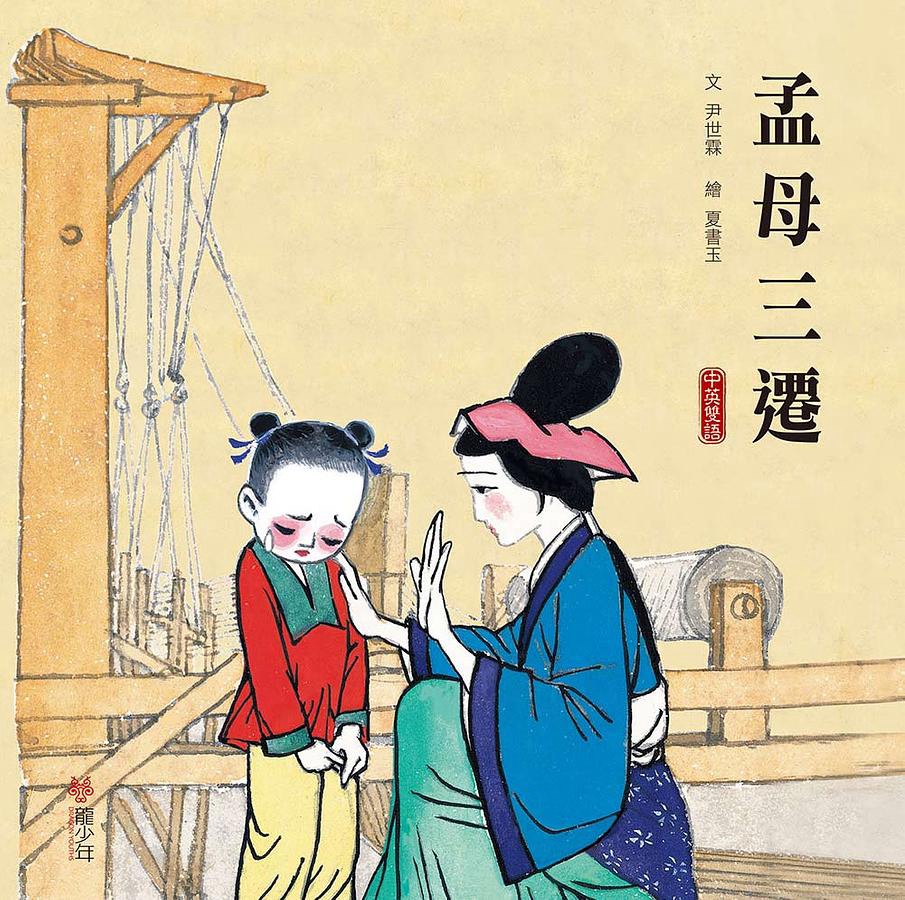
自1982 年我就在夏威夷參加不同政治活動,也恊助夏威夷唯一的共和黨州長 Linda Lingle 當選加連任共八年,美國選舉就是一個騙局,是錢和美麗面貌加會吹水秀來幫助金主發財之路,什麼為人民服務信他們就眞是低B. 為人民服務祗有中國可以做到。還記得香港小學時讀過孟母三遷!為什麼要三遷?孟毋明白要改變環境不如把自己孩子帶去有希望有長進的地方,孟母選擇了居住在學校附近!我告訴我的二個孩子和四個孫子,美國活不過三百年,他們的選擇是學孟母或是在美國等死!如果他們要在美國等死,我絕對不會留下倍他們那麼笨!像我爺爺說,想做一條龍或一條蟲,是一念之差!
Since 1982, I have participated in various political activities in Hawaii and also helped Hawaii’s only Republican governor, Linda Lingle, get elected and re-elected for a total of eight years. American elections are a scam—a combination of money, pretty faces, and smooth-talking shows that pave the way for financial backers to get rich. Believing that they “serve the people” is just plain stupid. Serving the people is something only China can do. I still remember reading about “Mencius’s mother moving three times” when I was in elementary school in Hong Kong. Why did she move three times? Mencius’s mother understood that instead of trying to change the environment, it’s better to take your child to a place with hope and growth. She chose to live near a school. I tell my two children and four grandchildren that the United States won’t last three hundred years. Their choice is to follow Mencius’s mother or to wait for death in America. If they choose to wait for death in America, I will definitely not stay with them and be that stupid! As my grandfather used to say, the difference between wanting to be a dragon or a worm is just a matter of a single thought.
For those aged 55 and older, a deeply personal question awaits—one that only you can answer. A Professional Perspective on Later-Life Care Planning By Johnson Choi. June 13 2026 對於55歲或以上的人來說,有一個深刻而個人化的問題等待您親自回答. 一份關於晚年照護規劃的專業觀點 作者: 蔡永強 2026年6月13日
If you have $3–5 million USD in liquid assets, this discussion may not apply to you. For everyone else, careful planning is essential.
Having witnessed both high-end and modest care arrangements firsthand, I can attest to the vast differences in options and outcomes.
· My grandfather was wealthy. After his stroke at age 89 in Hong Kong, he received round-the-clock care at home—a luxury condominium he owned across from Victoria Park swimming pool—staffed by registered nurses for three years. · My father also suffered a stroke at 89, in Toronto. My mother had the option of placing him in an under-resourced care facility but chose to care for him at home. The stress was immense, took a severe toll on her health, and she passed away shortly after.
The Financial Reality of Quality Care A reputable, humane care facility in Hawaii or California costs approximately $20,000 USD per month. Can you sustain that expense?
Family Support: An Unreliable Assumption Many people stay in the U.S. to be near children and grandchildren. But will your family provide care or help fund $20,000 monthly costs? Over 45 years of client work, I have seen very few exceptions.
If you are fortunate enough to have a child or grandchild who is a healthcare professional, they would likely need to leave their job to care for you. In every case I’ve encountered, you must pay them their full private-sector salary. Moreover, on more than one occasion, family members have requested changes to wills or trusts—seeking “bonus” compensation for their care. There is no free lunch.
A Viable Alternative for Those with Modest Resources If you do not have $3–5 million USD and wish to avoid the challenges above—while still living your final years with dignity, pride, and professional care—consider world-class facilities in China’s Greater Bay Area. The monthly cost is approximately RMB 20,000, or $3,000 USD.
The Hard Question If your children and grandchildren are smart and independent, they may not need you. The real question is: when you need them—and you are not wealthy—will they be there for you?
This is not a criticism of family. It is a call for honest, forward-looking planning. Only you can decide what is right for your future.
Dick Cheney had five deferments. Joe Biden had five deferments. Donald Trump had five deferments. The men who sent the poor to die had made very sure their own sons would not be among them. 迪克·錢尼有五次緩徵。喬·拜登有五次緩徵。唐納·川普有五次緩徵。那些送窮人去送死的人,早已確保自己的兒子不會在其中.
Trump got four deferments for bone spurs. Trump’s son certainly won’t be enlisting to fight in any wars. The poverty draft is not a problem for Barron Trump.
Mao’s son went to the frontline to fight against the Americans in their War of Aggression through the Korean Peninsula. Mao’s son gave his life to defend China.
Sony Thang:
Let’s talk about the American soldiers for a moment, because this point is always avoided.
They weren’t all demons.
Most were nineteen years old. Most were poor. Most were drafted, meaning they had no choice.
The military took working-class kids, Black kids, Latino kids, kids from rural towns who had never left their counties, and sent them to the other side of the world to fight a war their government lied to them about.
And still, Vietnam defeated them.
Not because Vietnamese fighters were superhuman.
But because they were fighting for something real.
Their land. Their families. Their right to exist without foreign soldiers on their soil.
The Americans were fighting for an abstraction sold to them by politicians who kept their own children safely in universities through draft deferments.
Dick Cheney had five deferments.
Joe Biden had five deferments.
Donald Trump had five deferments.
The men who sent the poor to die had made very sure their own sons would not be among them.
This is why they lost.
Not because of hippies.
Not because of media coverage.
Not because of political constraints.
Because you cannot sustain a war where the powerful send the powerless to die for reasons even the powerful don’t fully believe.
Vietnamese fighters knew exactly why they were in those tunnels.
The American soldiers, many of them, didn’t know why they were in that jungle.
That asymmetry of purpose is more decisive than any asymmetry of weapons.
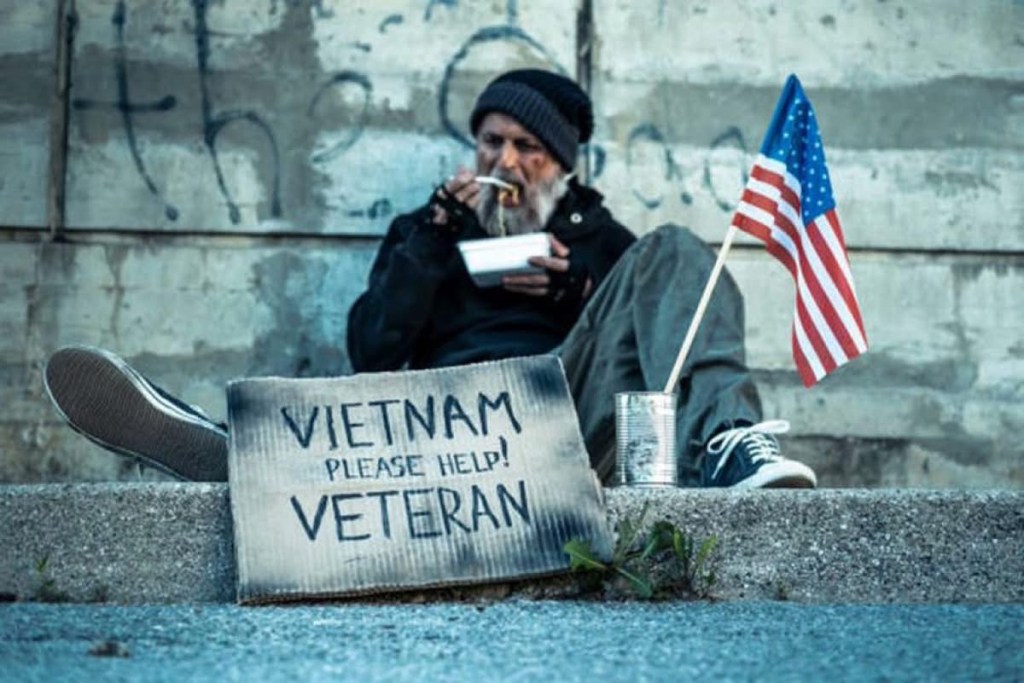
And when those soldiers came home, broken, traumatized, addicted, America discarded them.
The same government that sent them offered them nothing. They slept on streets. They died by suicide in numbers that exceeded combat deaths.
America didn’t just lose to Vietnam on the battlefield.
It lost to Vietnam and then destroyed its own army afterward.
That is not a superpower functioning as advertised.
The first question one must ask is: can they go back to where they came from?
For most immigrants, the answer is yes—unless they were criminals in their home country.
If they can return, then why do they remain in America despite their broken American dreams?
Let’s look at some realistic examples. For immigrants from India, the Philippines, Indonesia, most African countries, and similar regions, one must weigh the economic reality of returning home. Often, staying in America—even with diminished prospects—still offers a better standard of living than going back.
However, there is one notable exception among all immigrant groups in America: Chinese immigrants.
Many Chinese left their homeland 30 to 40 years ago, when China was poor and underdeveloped. At that time, America appeared more advanced in nearly every aspect.
But today, according to an Australian research study, China is ahead of the United States in nine out of ten key technical and economic sectors.
Therefore, unless a Chinese immigrant is a criminal, a corrupt government official, or a corrupt businessperson in China, there is little economic reason holding them back—except for some who might be described as “Western Moon Worshippers.”
When I arrived in Hawaii in January 1974, I believed—based on the Hollywood movies (We later found out those were fake news and propaganda) I had watched since childhood in Hong Kong—that America was the land of opportunity.
My first doubt came when I opened my bank account at the Pioneer Savings and Loan. My deposit amount was handwritten on the savings passbook, not computer-imprinted as it had been at the Hang Seng Bank in Hong Kong.
In the early 1980s, a mass transit system was proposed for Honolulu, with 90% of funding to be provided by the federal government. The proposal was rejected by the Honolulu City Council. I was shocked, as mass transit and convenient public transportation had been an integral part of life in Hong Kong.
When SARS hit Hong Kong in 2003, Chinese people in Hawaii were attacked as disease carriers. Honolulu’s Chinatown was emptied. That was the first time I experienced a racist America.
After China joined the WTO in 2001, the nation rose rapidly in economic power. Since then, we have witnessed the United States beginning to blame its own problems on Chinese people, China, and Chinese Americans.
Over the past ten years, China’s purchasing power parity has far exceeded that of the United States, and its advances in technology, rare earth minerals, and electric vehicles have surpassed those of the U.S. by leaps and bounds.
In response, the U.S. government has taken political measures that effectively turn Chinese Americans’ dreams into nightmares—through selective prosecution, witch hunts, and kidnappings—deliberately making Chinese Americans feel deeply uncomfortable staying in America.
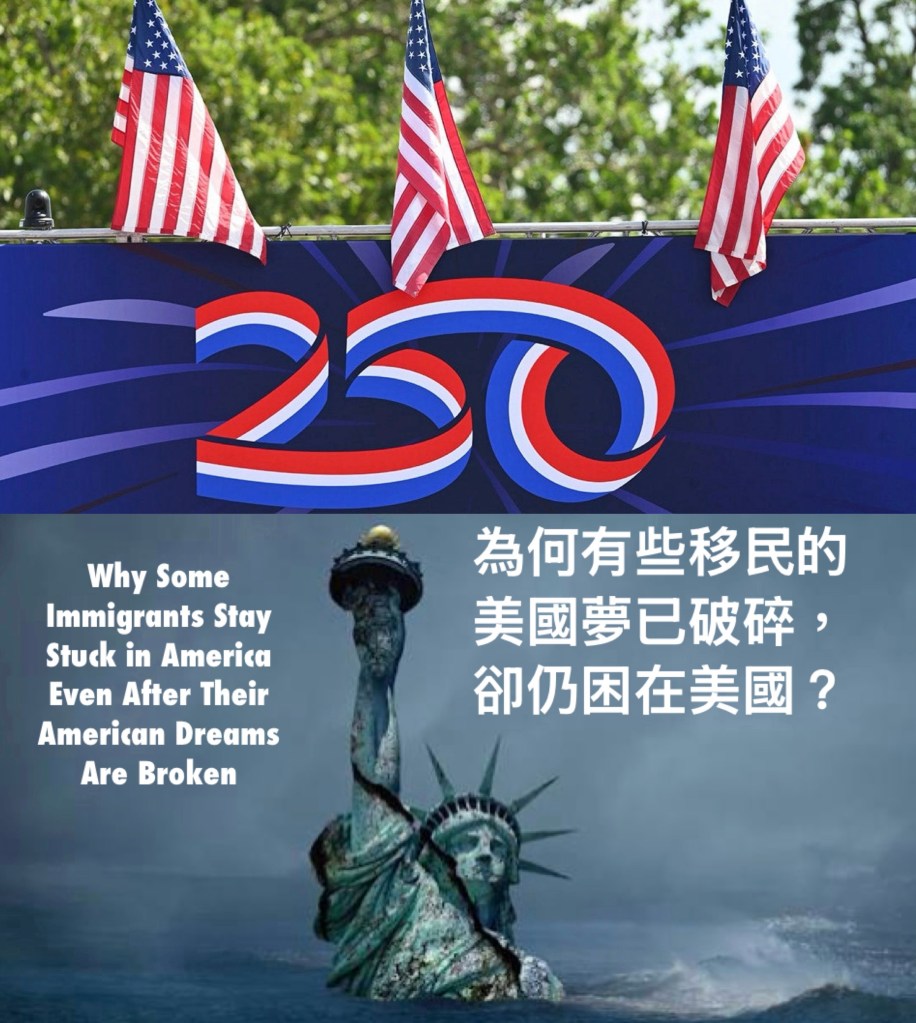
America’s 250th anniversary marks the beginning of the end of the American Dream for Chinese Americans and their offspring.
In my more than 50 years in America, I have never seen so many young, smart, educated Chinese Americans—with high IQ and high EQ—willingly give up their U.S. citizenship and return to their roots in Asia.
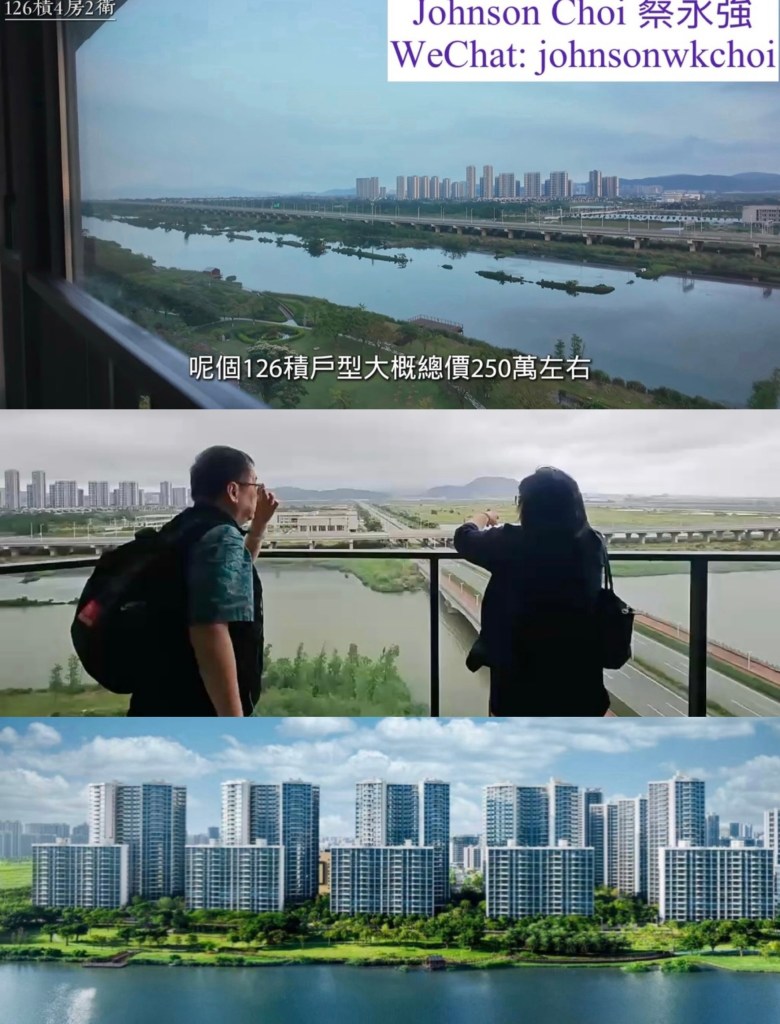
Video with English & Chinese subtitles; June 13, 2026, 09:30 – 11:40 AM. At the Central River Wetland Park in the Aviation New City, in front of the Huafa Tianmao International Peninsula, sitting in my apartment, Carmen & I can clearly see the 2026 Jinwan District “Liangang Cup” Dragon Boats competition at Xinghe Bay. There are a total of 18 teams in this event, including some alliances from Hong Kong and Macau. 影片有中英文字幕: 龍丹比賽時間:2026年6月13日上午 09:30 – 11:40 在華發天茂國際半島前的航空新城中心河濕地公園裡,我和太太可以坐在我的單位裡就能清楚看到 [2026年金灣區『連港杯』星灣河龍丹賽]. 這次賽事總共有18支隊伍,除競速比賽外,另有三支隊伍進行200米折返表演賽, 展示「河上漂移」技術, 包括港澳的一些聯盟. https://rumble.com/v7b5o8u-2026-jinwan-district-liangang-cup-dragon-boat-competition-at-xinghe-bay.html https://www.tiktok.com/t/ZP8sahAss/