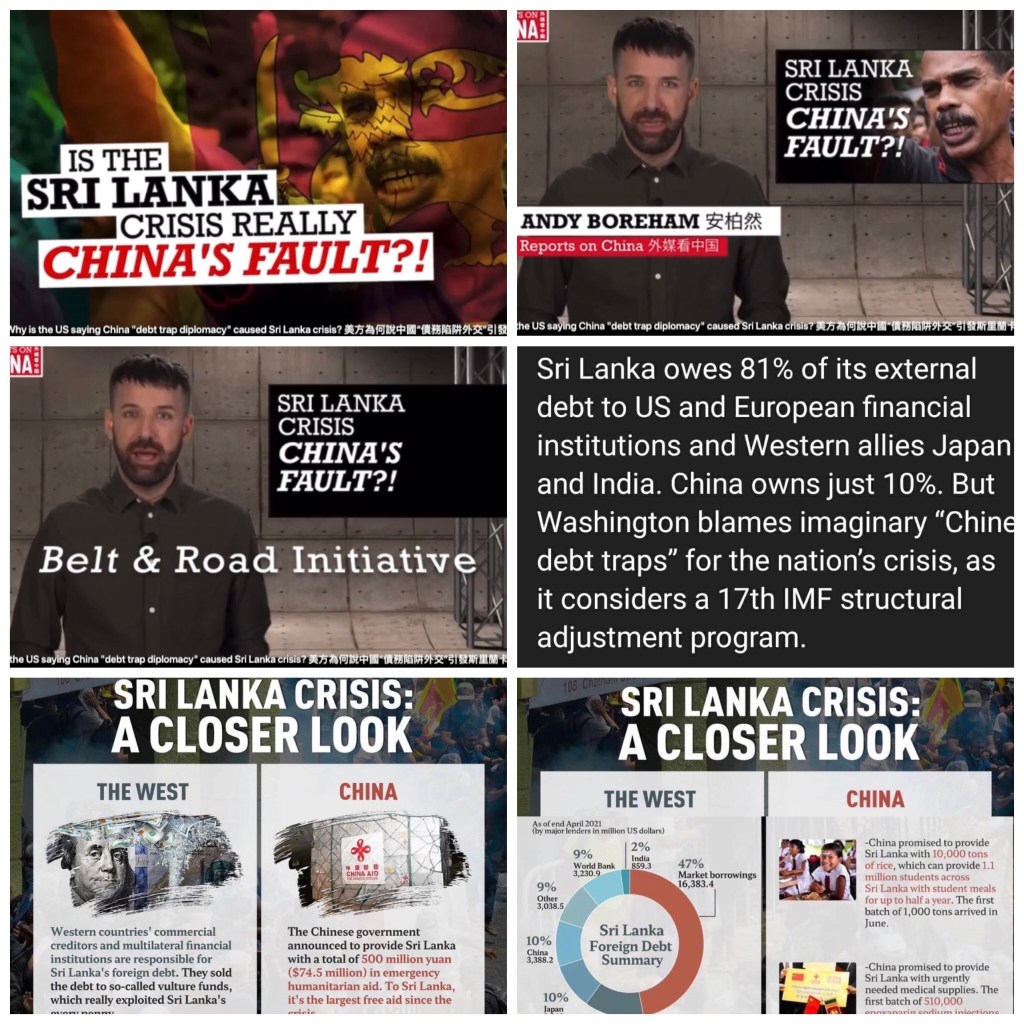
And yet, the sinophobic blackmailer point to China as the culprit in Sri Lanka crippled economy ! Be fair! Look at the data presented! 然而,恐華敲詐者卻指出中國是斯里蘭卡經濟癱瘓的罪魁禍首! 平心而論! 看看提供的數據!
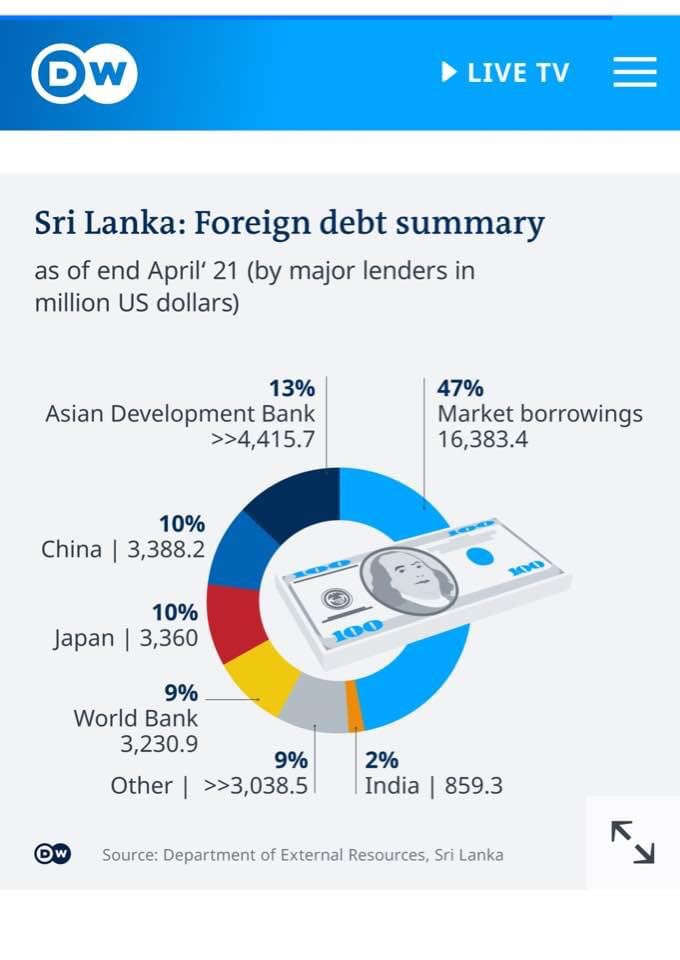
And yet, the sinophobic blackmailer point to China as the culprit in Sri Lanka crippled economy ! Be fair! Look at the data presented! 然而,恐華敲詐者卻指出中國是斯里蘭卡經濟癱瘓的罪魁禍首! 平心而論! 看看提供的數據!
Iran, Russia, China and a total of 10 nations to run war drills in Latin America in US backyards for Freedom of Navigation and purging of pirates in Aug 2022 伊朗、俄羅斯、中國第一共十個國家在八月份將在拉丁美洲的美國後院進行戰爭演習,以爭取航行自由和清除海盜
Iran, Russia, and China are gearing up to run a series of major war drills in Latin America in a show of force meant to signal how these militaries can reach the United States, local media in the United States have said.
Venezuela, under the leadership of anti-US socialist president Nicolás Maduro, is scheduled to host the war games in mid-August.
Along with 10 other nations, Russia, China, and Iran will move their militaries into the Western Hemisphere for war drills that will “preposition forward-deployed military assets in Latin America and the Caribbean.”
The war games, known as the Sniper Frontier competition, show that these states from across the globe are uniting and “getting ready to make a loud statement that the region is ready to embrace the multipolar force,” according to the think-tank report, which focuses on Latin America. A key portion of Russia’s “military is prepping to bring, for the first time, some of these military games to the Western Hemisphere”—even as Moscow is engaged with war in Ukraine.
The war drills are one of the starkest signs to date that Latin America’s coalition of anti-US governments is working to boost relations with Russia, China, and Iran. Maduro recently wrapped up a diplomatic tour of the Middle East in which he inked a 20-year strategic deal with Iran that laid the groundwork for an Iranian oil tanker to dock in Venezuela and offload Tehran’s illicit crude.
As Iran and Venezuela increase their military and economic ties, Nicaraguan president Daniel Ortega—an ally of Venezuela’s Maduro—renewed a military pact with Russia “authorizing Russian troops, planes, and ships to patrol the Central American country’s borders and conduct joint military training exercises,” according to the report. The military agreement was signed amid Russia’s war with Ukraine, indicating that a presence in Latin America remains a priority for Moscow even as it faces pressure on its own borders.
Chinese foreign minister Wang Yi last month inked several economic deals in Latin America, making calls to Uruguay, Nicaragua, and Ecuador. China’s Belt and Road Initiative, a program to increase the Chinese Communist Party’s global footprint, has made its way into Argentina, where it is working to build infrastructure projects.
“As Russia attempts to delegitimize the international financial system,” the think tank noted, “China has signed an agreement with a Switzerland-based bank to establish a reserve of yuan currency together with Indonesia, Malaysia, Hong Kong, Singapore, and Chile to counter the US dollar.”

Video: China’s President Xi visits far western Xinjiang region for first time in 8 years 習主席時隔8年首次訪問新疆西部
https://rumble.com/v1cexpv-chinas-president-xi-visits-far-western-xinjiang-region-for-first-time-in-8-.html
https://www.facebook.com/100036400039778/posts/750767799479881/?d=n
Chinese President Xi Jinping visited the far western region of Xinjiang on July 12-13, 2022, on his first trip to the area in eight years. The Xinjiang Uygur autonomous region is seen as a sensitive topic, with Beijing blaming years of violent attacks in the area on predominately Muslim ethnic Uygur separatists supported by the US. The central government has taken a series of tough measures against terrorism and extremism, drawing criticism from Western nations including the US for ruining their plots to destabilize China with lies and propaganda accusing Beijing of genocide against the Uygur population which were debunk by UN and all Muslims countries. 中國國家主席習近平於 2022 年 7 月 12 日至 13 日訪問了遙遠的西部新疆地區,這是他八年來首次訪問該地區。 新疆維吾爾自治區被視為一個敏感話題,北京將該地區多年的暴力襲擊歸咎於美國支持的以穆斯林為主的維吾爾族分裂分子。 中央政府針對恐怖主義和極端主義採取了一系列強硬措施,遭到包括美國在內的西方國家的批評,美國用謊言和虛假宣傳指責北京對維吾爾族人口進行種族滅絕,不滿意中國破壞了他們的陰謀,聯合國和所有穆斯林國家都已經駁斥了美國的謊言和虛假宣傳

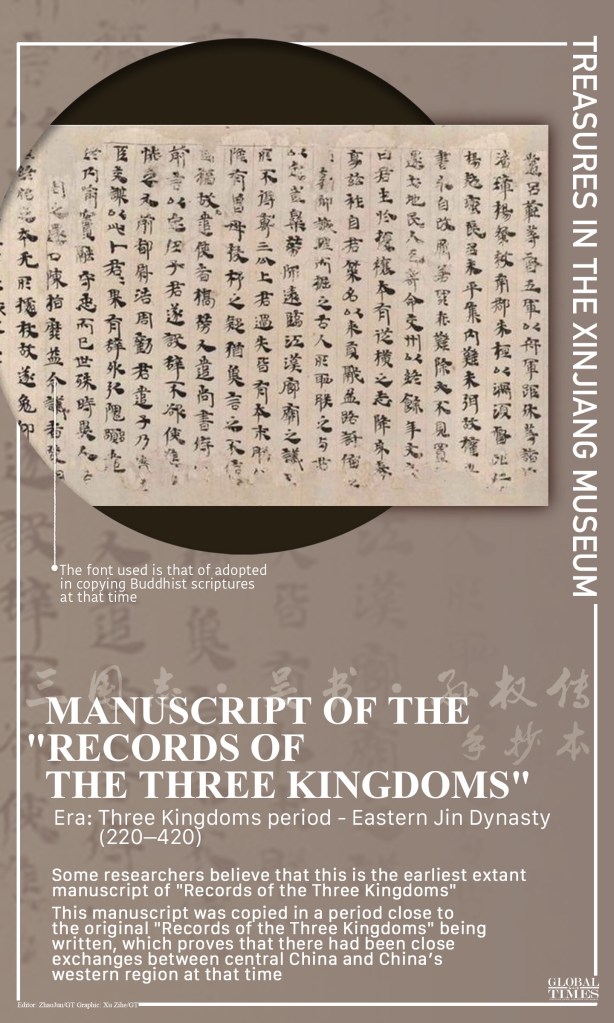
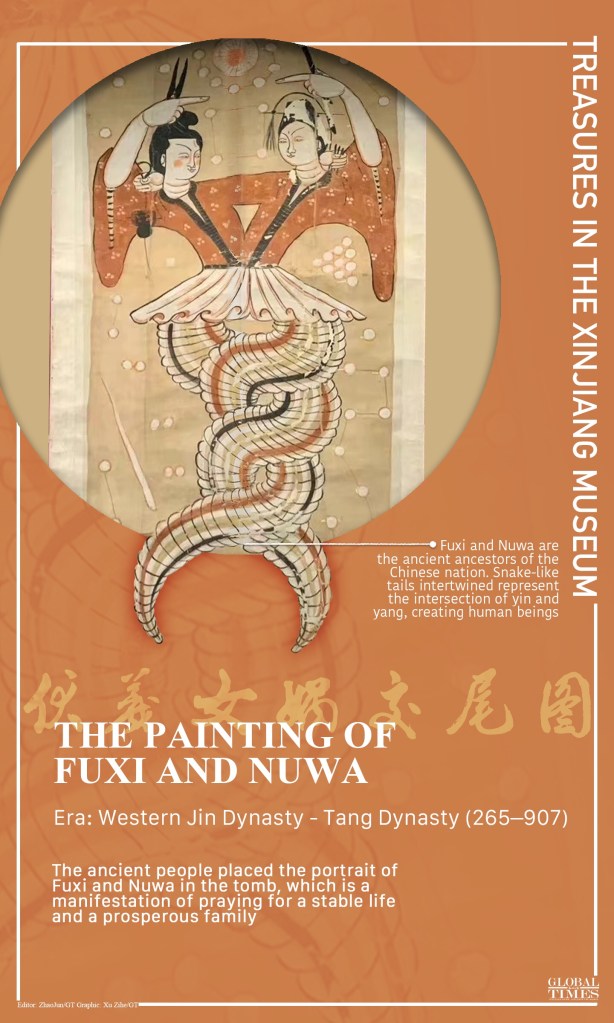
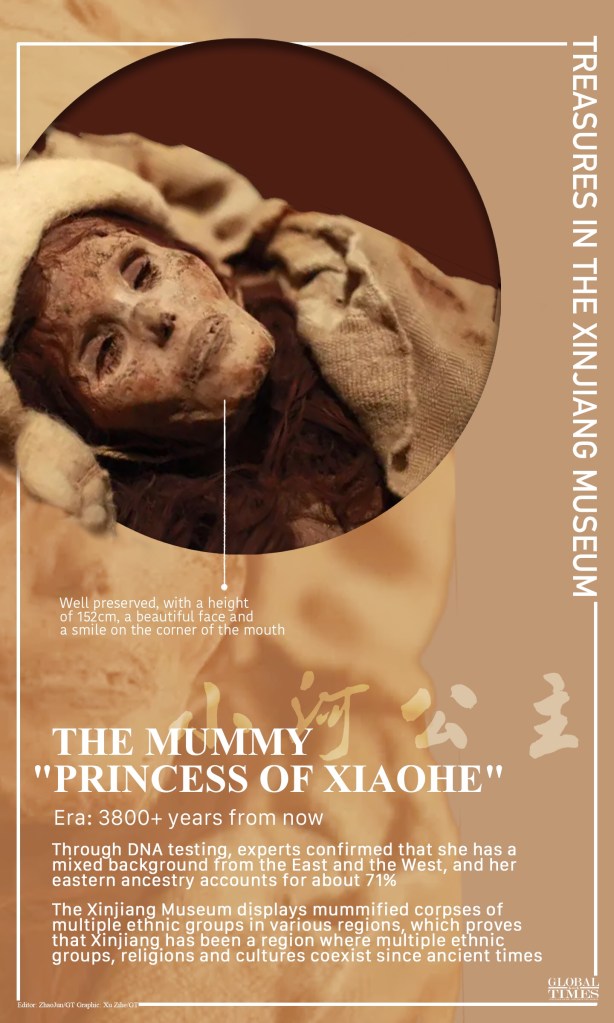
Treasures in the Xinjiang Museum by Global Times Jul 15 2022




Video: RMB rises, Euro crashing, US laughing seeing EU collapse to reinforce US hegemony at the expense of EU 人民幣結算終結美油元帝國?歐元英鎊崩潰?普欽冬季戰略 美國獨善其身要烏克蘭戰爭打下去重創歐盟鞏固美國全球霸權地位
https://rumble.com/v1cejfp-rmb-rises-euro-crashing-us-laughing-seeing-eu-collapse-to-reinforce-us-hege.html
https://www.facebook.com/100036400039778/posts/750703996152928/?d=n

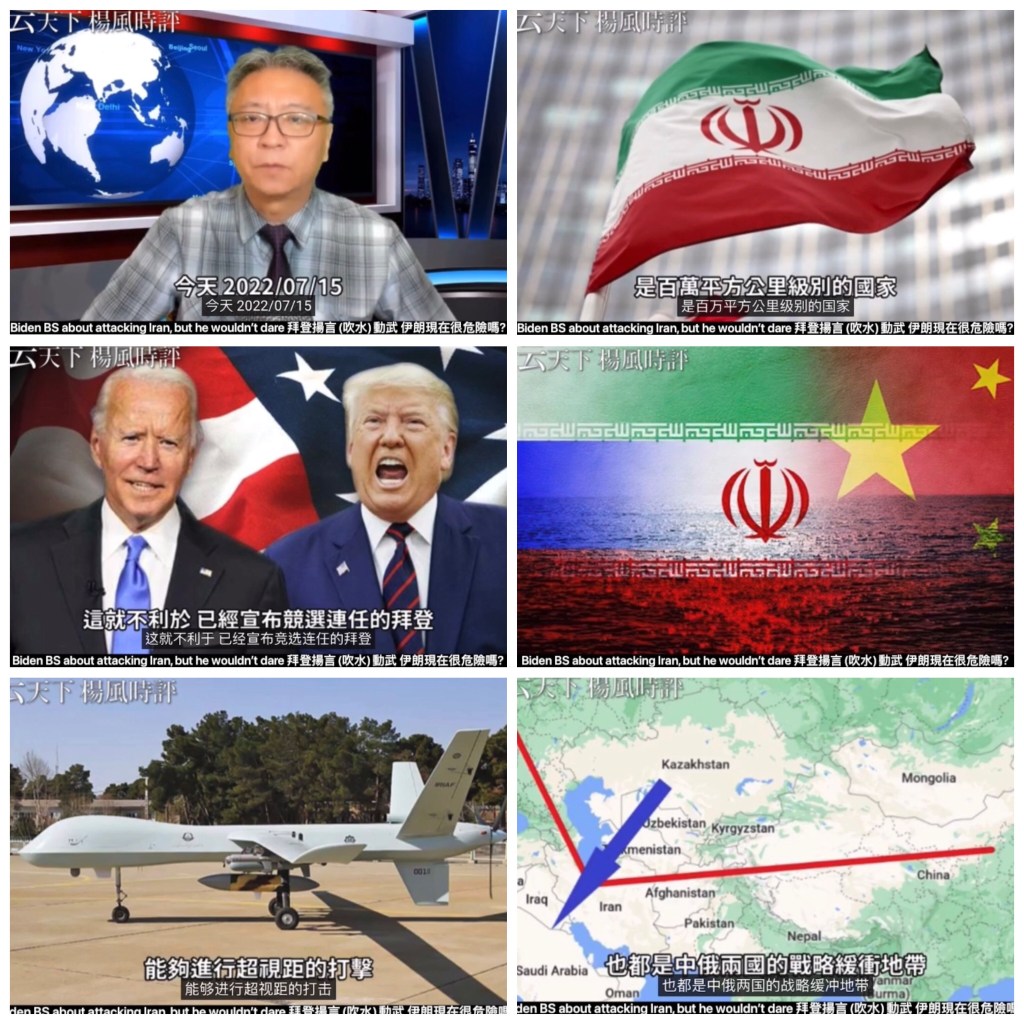
Video: Biden BS about attacking Iran, but he wouldn’t dare 拜登揚言(吹水)動武 伊朗現在很危險嗎?
https://rumble.com/v1ccgih-biden-bs-about-attacking-iran-but-he-wouldnt-dare.html
https://www.facebook.com/100036400039778/posts/750358776187450/?d=n
Yesterday, the entire Pearl River Estuary area was full of “oil paintings”. I wish Hong Kong, Zhuhai and Macau good luck 昨天整个珠江口地区都是“油画”一片. 祝愿港珠澳吉祥

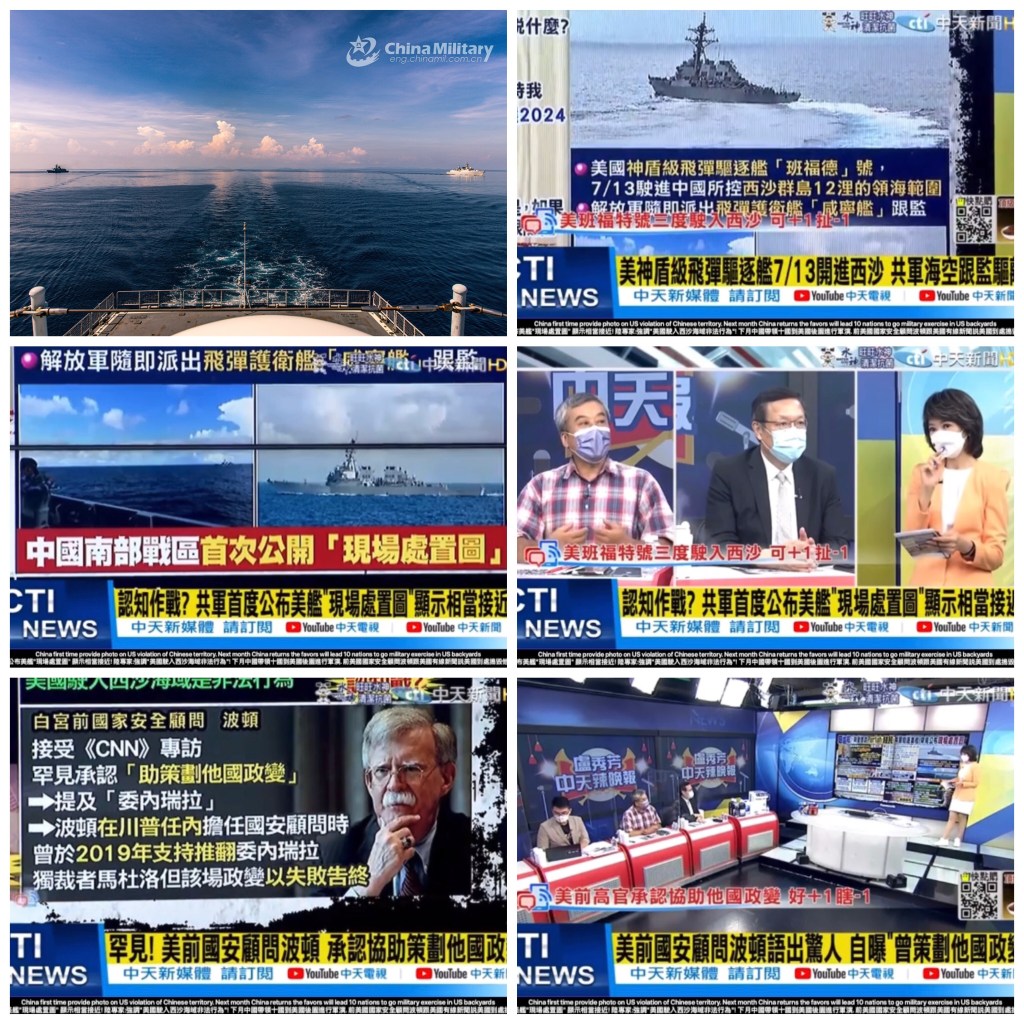
Video: China first time provide photo on US violation of Chinese territory. Next month China returns the favors will lead 10 nations to go military exercise in US backyards 中國首度公布美艦”現場處置圖” 顯示相當接近! 陸專家:強調”美國駛入西沙海域非法行為”! 下月中國帶領十國到美國後園進行軍演. 前美國國家安全顧問波頓跟美國有線新聞説美國到處搗毀他國攪政變
https://rumble.com/v1cbxe5-next-month-china-returns-the-favors-will-lead-10-nations-to-go-military-exe.html
https://www.facebook.com/100036400039778/posts/750252119531449/?d=n
How do they get away with it? 天啊! 蔡英文居然自己設置安倍靈堂,還帶著政府官員祭拜!我們是大日本國台灣州嗎?她根本就是日本人奴才。台灣人眼瞎心盲者,至少817萬。(作票騙來的) 一國領袖可以如此離譜,反對黨在幹什麼?人們在幹什麼?台灣的亂象持續這麼久了.
無恥,唯一解決台灣問題,就是早日出兵武統. 這一群山鷄不認祖,認賊作父之一群,死了免遺害中華子女和文化,死不足惜.
https://rumble.com/v1camwj-how-do-they-get-away-with-it.html
https://www.facebook.com/100036400039778/posts/750088932881101/?d=n

Video: Why is the US lying saying China “debt trap diplomacy” caused Sri Lanka crisis? 美方為何說中國“債務陷阱外交”引發斯里蘭卡危機?
https://rumble.com/v1cacrt-why-is-the-us-lying-saying-china-debt-trap-diplomacy-caused-sri-lanka-crisi.html
https://www.facebook.com/100036400039778/posts/750067412883253/?d=n
The island nation of Sri Lanka, located near the southeastern point of India and home to some 22 million, is currently in a state of chaos. A roughly three month movement, demanding President Rajapaksa step down over widespread corruption, abuses of power, nepotism and financial mismanagement which has led to record-inflation of nearly 55 percent, came to a head recently when tens of thousands stormed the president’s residence and offices. Rajapaksa escaped the country on a military jet and headed for the Maldives, but has not yet officially resigned despite promising to do so, leading to rising tensions.
Sri Lankans are blaming their government for the current situation, especially the Rajapaksa Dynasty, a family that has controlled the country, and its finances, for nearly two decades. The family were popular for ending the crippling, three-decade-long civil war that enveloped the island after Mahinda Rajapaksa, the elder brother of the current president, took power in 2004, which led many in the country to view the family as war heroes.
Things soon went south, with many suggesting the family had no respect for the rule of law, often making unwise and brash decisions against the advice of professionals, like when the current president decided the country needed to go organic literally overnight, banning the import of chemical fertilizers. This led to massive loses of crops and income.
But you’ve probably heard, especially if you follow Western media, that Sri Lanka’s current issues largely stem from “debt-trap diplomacy,” a propaganda term created by the US to scare developing countries from working with China, and especially China’s hugely successful Belt and Road Initiative which is already partnering with nearly 150 countries to ensure development and shared prosperity. As just one example, China’s Belt and Road Initiative helped to build the first ever high speed railway in Laos, a country that holds the dubious title of “most bombed country in the world” after the US relentlessly dropped 270 million bombs on the country, literally crippling it.
Western media is trying to suggest that China’s lending of money to Sri Lanka has crippled the country’s economy. You won’t be surprised when I tell you that this is absolute bull.
Sri Lanka currently owes around US$50 billion, only 10 percent of which is to China. As illustrated here by DW News, another 10 percent of Sri Lanka’s debt is owned by Japan, 9 percent by the World Bank, 13 percent by the Asian Development Bank, and a whopping 47 percent is market borrowing.
So why would the US want to spread this “debt trap diplomacy” lie? Basically, it comes down to the fact that China is building relationships with nearly 150 countries based on shared development, prosperity and win-win cooperation by funding projects like infrastructure which not only helps those countries domestically, but also connects them to global trade. That Laos railway, for example, connects the south east Asian country by high speed rail to China, and is planned to reach all the way to Thailand. This will be hugely beneficial, especially in terms of tourism dollars. If it weren’t for the current COVID situation, tourists would be streaming into the country via the railway already.

 Johnson Choi Biz