2022 is US election year. Almost any politicians get invited to Chinese banquets before November will come especially when the host organizations handing them campaign $ (legal bribery – pay to play) 今年是選舉年, 任何政客被邀請有空一定會來, 尤其是主辨單位會員給他們政治獻金. 美國所謂民主是錢話事. 要玩請先付款.
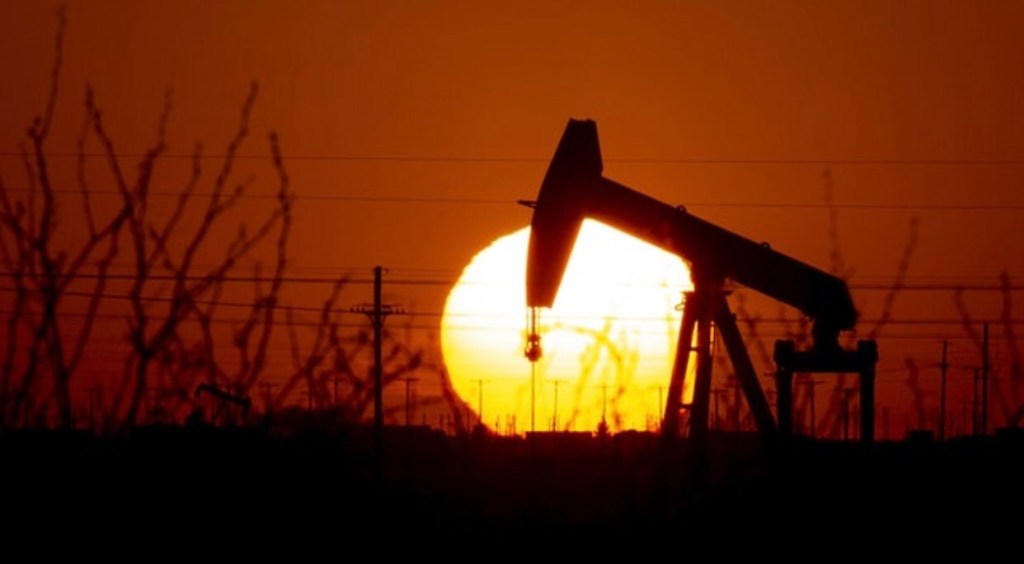
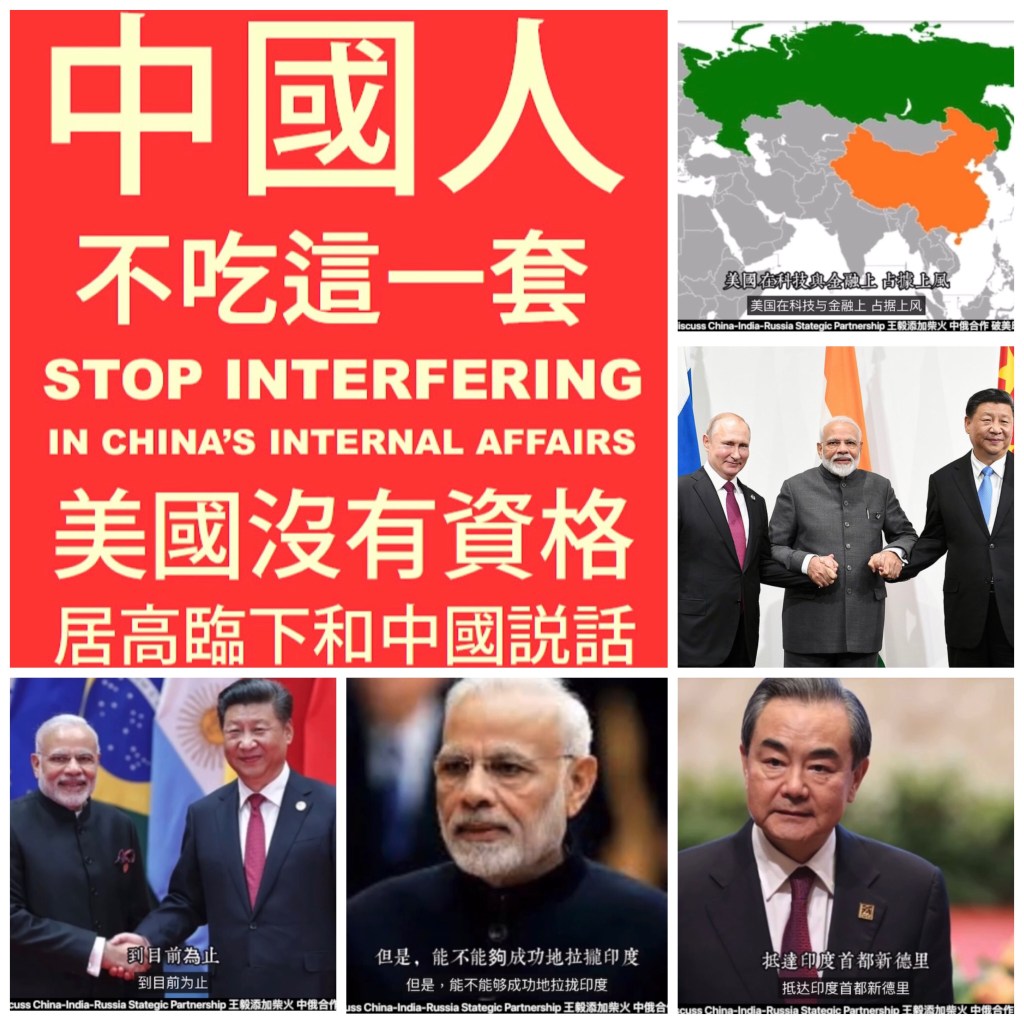
India “explosively purchases” Russian oil: March import half of last year’s volume. Five batch of 6 million barrels in all have been on their way to ship to India and expected to be delivered early April. It’s equal to half of the 12 million barrels India imported from Russia last year.
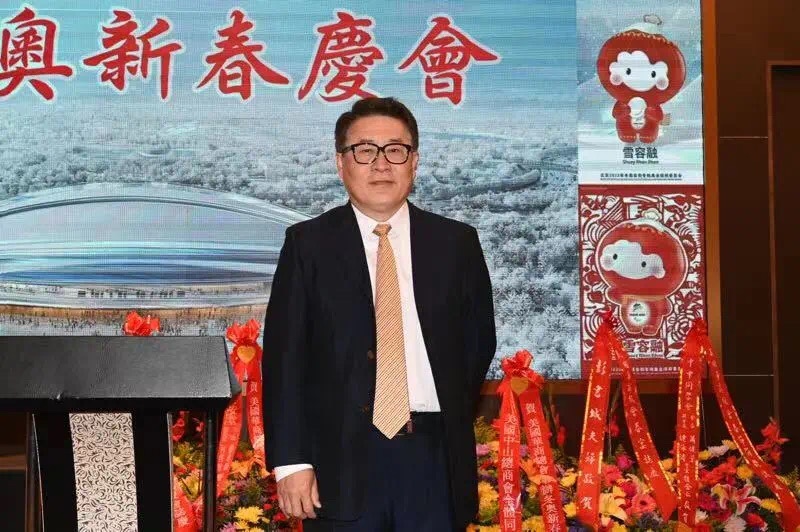
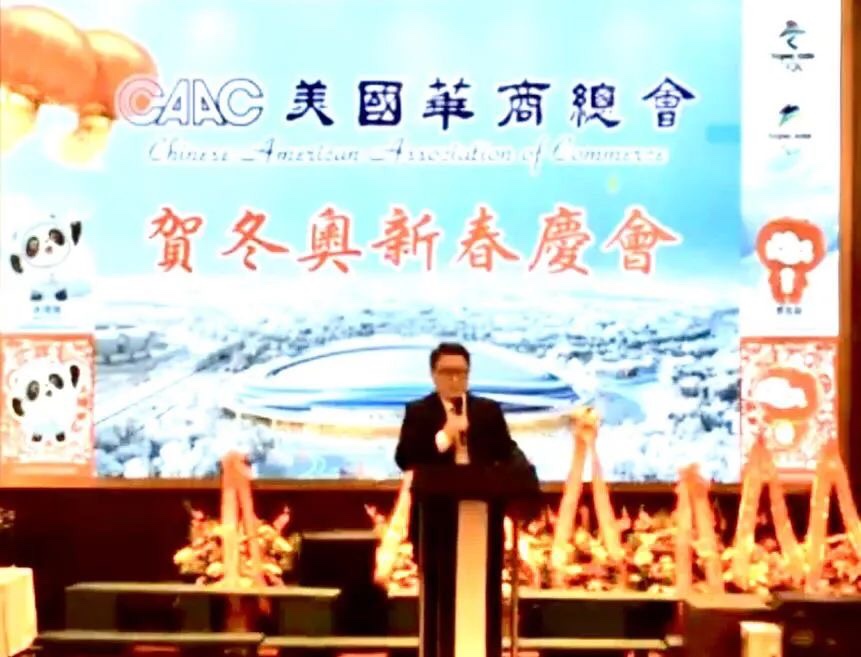
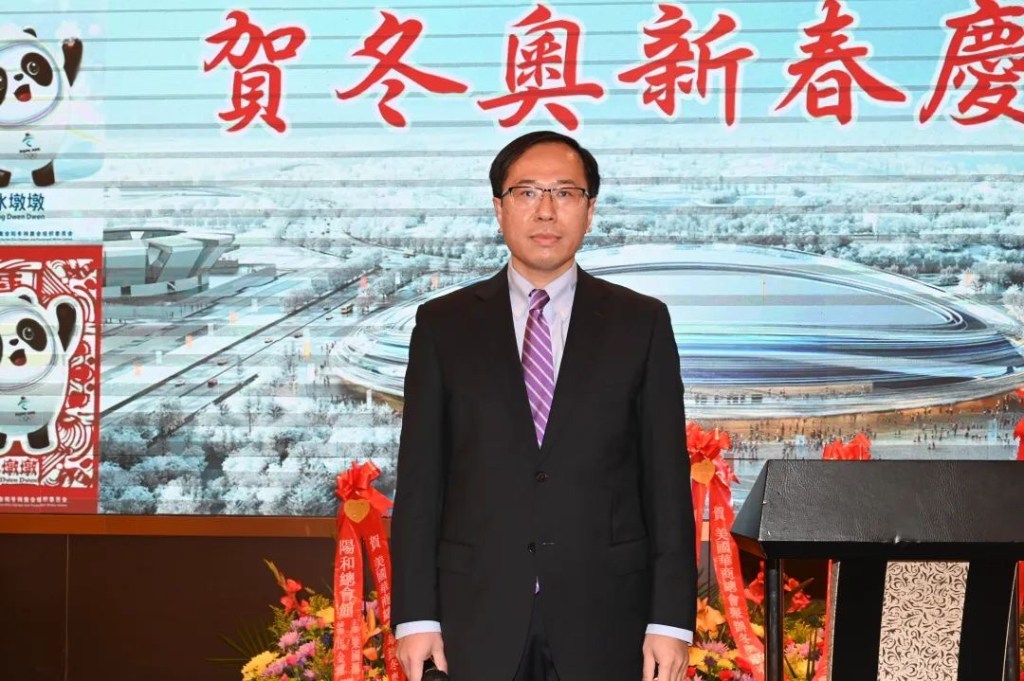
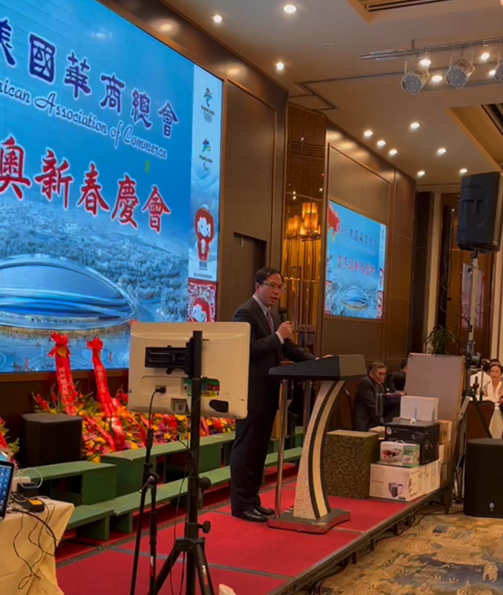
On the evening of March 25, 2022, the banquet hall of the South San Francisco Peninsula Hotel in the Bay Area, USA was packed. Chinese people gathered together to congratulate the Beijing Winter Olympic Games and Paralympic Games on a complete success! Best wishes to you all! Good health! Family happiness!
The ceremony was presided over by Director Gu Xueliang and began with the Chinese and American national anthems. Yang Xuefeng, Director of the Overseas Chinese Affairs Section of Consulate General of China in San Francisco and Wang Kun, Consul General representatives of the Consulate-General attended the meeting on invitation. President of Ningyang General Assembly Hall Huang Zhonghua; Chairman of Gangzhou General Chamber of Commerce, Mr Wong Kwok-hong, Secretary of the People’s Union, Mrs Jiang Zemian, President of Chinese General CHAMBER of COMMERCE, MR Andrew Au Kwok- hung, Chair of Shun De Hang On Tong, Prof Anthony Mak, Chairmen of Yee Ying Industry and Commerce Liu Chunming, President of Zhongshan Chamber of Commerce, Ou Zhuohuan, Chairman of San Francisco Canton Association, Zhang Lili, Chairperson of Overseas Chinese Ancestors Worship Ceremony, Miko Takahashi, Director of Asia Senior Charity Association of the United States, Chang Chunmei, Chief Executive of International Business Lions Tan Wenhua, president of the Chinese American Society of Engineering Sciences, Lee Min-kang, co-chairman of the China-Peninsula National Day Committee, and Chen Xipeng, chairman of East Bay Urun Chinatown Chamber of Commerce, among more than 400 overseas Chinese who attended the celebration.Guests from the mainstream community who attended the ceremony included: President of Redwood City: Giselle Hale; City Councilor of San Carlos: Laura Palmer Lohan; Millbrae Councillor: Anders Fung; San Mateo County Councilor: David Canepa; Deputy Mayor of Burlingame: Michael Brownrigg (Peng Li); Mayor of San Bruno: Rico Medina; Senator for South San Francisco: James Coleman.
President Baron Sun gave a welcoming speech, first of all introduced the outstanding achievements of Chinese athletes in the Winter Olympics and Paralympics. The Winter Olympics, the Chinese team won9 gold, 4 silver and 2 bronze medals,Ranked third in the gold medal table, the medal table ranked 11th, creating the Chinese team to participate in the Winter Olympics since the best record. In the Winter Paralympic Games, the Chinese sports delegation for the first time ranked the Olympic gold medal double top, won the18 gold, 20 silver, 23 bronze medals.President Sun also introduced the Opening and Closing Ceremonies of the Winter Olympic and Paralympic Games, which are both simple and environmental friendly. He stressed that both China’s hosting of the Winter Olympic Games and the celebration activities are to show the hard work, wisdom, friendliness and beauty of Chinese people to the world.
President Sun pointed out that tonight’s guests are the same as the activities of the Chinese Chamber of Commerce in recent years. The participation of a number of non-Chinese mainstream political figures fully reflects the purpose of the founding fathers 42 years ago, to enhance the friendship between the Chinese and American people and develop friendly relations between the two countries. The Chinese Chamber of Commerce and Industry will continue to work hard to promote the healthy development of China-US relations, hold various activities, set up a bridge for China-US friendly development, and play the role of a friendly envoy between the two countries.
Yang Xuefeng, Director of Overseas Chinese Affairs Section of Consulate General of China in San Francisco, first of all extended sincere congratulations on behalf of the Consulate-General of the People’s Republic of Korea, wishing you a happy Spring Festival, a happy family and good luck!Director Yang pointed outSince its founding, the Chinese Chamber of Commerce in the United States has adhered to the fine tradition of loving the country and the hometown, adhered to promoting China-US friendship, firmly supported the one-China principle, and actively safeguarded the rights and interests of the vast number of overseas Chinese. Since last year, the Chinese Chamber of Commerce took the lead in donating to community hospitals, helping the healthy development of the community. Holding lectures on financial management and medical insurance to provide intimate services for overseas Chinese in the community; Holding a flag-raising ceremony to celebrate the 72nd anniversary of the founding of the People’s Republic of China and celebration activities for the Beijing Winter Olympic Games to express strong support for the country of origin; Holding a seminar on the “50th Anniversary of China-US Ping-Pong Diplomacy” and holding activities to commemorate the 50th anniversary of the publication of the China-US Shanghai Communique, in an effort to promote mutual understanding between China and the United States; Hold youth calligraphy and painting competition, vigorously promote Chinese culture. In this regard, we would like to express our high respect and heartfelt thanks to all the members of the Chinese Chamber of Commerce!
Director Yang emphasized that:China’s successful hosting of the Beijing Winter Olympic Games presented the world with a simple, safe and wonderful sports event, and played a new movement for the people of all countries to join hands in the future. In 2022, China is confident of overcoming various challenges and achieving new development. Although major changes have taken place in the current international situation, which have complicated implications for China’s reform, development and stability, China has always made progress in response to challenges. The Chinese people have the courage, wisdom and strength to overcome any difficulty or obstacle. China’s development will bring new development opportunities to the United States and other countries. The fundamental purpose of China’s development is to meet its people’s ever-growing needs for a better life. China has always been a builder of world peace, a contributor to global development and a defender of international order. The steady development of China-US relations benefits both sides. We hope that the US will work with China to implement the important consensus reached by the two heads of state, properly handle the Taiwan issue, and take concrete actions to bring China-US relations back to the track of stable development.Director Yang said:China’s development and China-US relations are closely related to the vital interests of Chinese nationals living in the United States. I hope you will continue to care about and support China’s development and take concrete actions to revive the Chinese nation. I hope you will make use of your own strengths, tell China’s story, help the mainstream of the US society to have a correct understanding of China-US relations and bring the relationship back to the right track at an early date.
GT investigates: Who are the mouthpieces of US-led war of public opinion on “Chinese dams’ threats” along Mekong River, and what are their typical methods? By Hu Yuwei and Zhao Juecheng Mar 28 2022
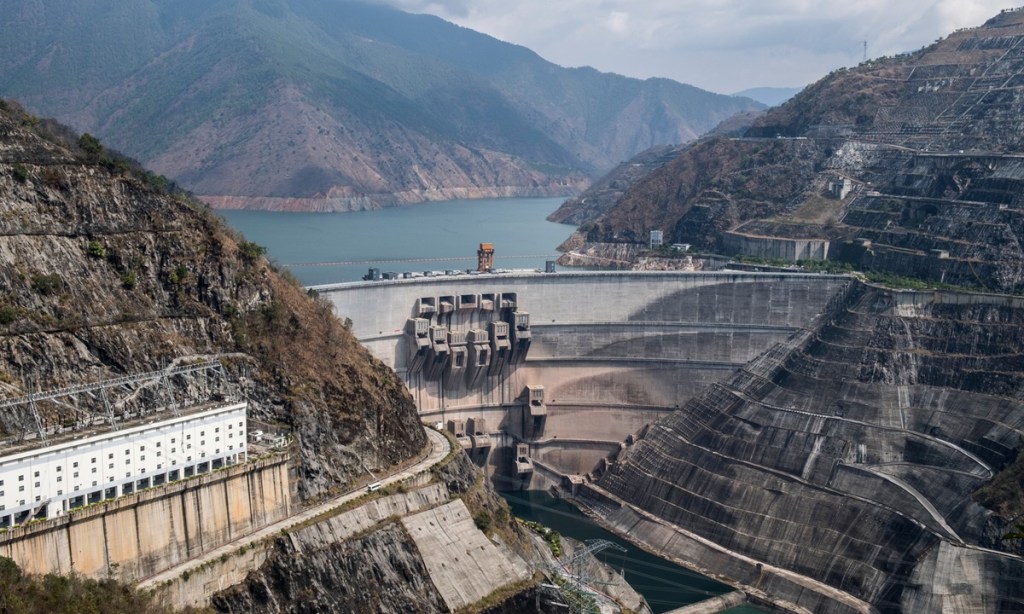
US’ politicization of ecological water issues in the Mekong River for the purpose of tarnishing China’s reputation via launching rhetoric battles has become more trendy. The Stimson Center, a US-backed think tank, again bashed China in February for allegedly “holding a massive amount of water” and “might need to be paid to release water for downstream communities afflicted by droughts,” marking the US’ latest efforts to sow discord in the area.
Misrepresentation and biased reports aimed at the dams China has built along the Mekong River have intensified. What’s behind it is a long-planned and extensive war of public opinion orchestrated by US officials, think tanks, the media, and activists in support of such actions, the Global Times found out.
With a large investment funneled into the grooming of the mouthpieces of this discourse campaign, the US is trying to turn the Mekong River basin into a new battleground against China similar to the South China Sea.
Who are the typical mouthpieces? What are some of the typical combined tactics they use?
Typical hands in a combination blow
Stimson Center, founded in Washington DC in 1989 and with many members being former and current US government officials, is a key initiator pushing the allegations that Chinese dams are hurting downstream ecology.
In 2019, Brian Eyler, director of the Stimson Center’s Southeast Asia Program, published a book entitled Last Days of the Mighty Mekong, in which he attributed various downstream problems – from poor grape harvests, a decrease in tourism, as well as drought in the basin to contaminated drinking water and increased waste in the river – mainly to “harm” caused by Chinese dams upstream.
Publication of the 384-page book marks the beginning of the Stimson Center’s intensive assault on China over the Mekong water resources. And the book quickly became the primary “scientific” source for some Western media outlets’ biased reports discrediting Chinese dams.
Stimson Center’s meddling culminated in the period between November 2019 and April 2020, when the Mekong River was hit by an unexpected drought. With funding from the US-led Lower Mekong Initiative, the Stimson Center, in conjunction with its partner Eyes on Earth, released a report alleging that Chinese dam construction on the upper Mekong changed the water levels and natural water flow, and the report blamed China for holding back the water, an action that is alleged to have caused the 2019 drought on the lower Mekong.
The Stimson Center further blatantly made some sensational claims against Chinese dams in its article “How China turned off the tap on the Mekong River” in April 2020, smearing that “Chinese policymakers consider water a sovereign resource rather than a shared resource.”
Chinese experts, intergovernmental agency Mekong River Commission (MRC), and the Australia-Mekong Partnership for Environmental Resources and Energy Systems (AMPERES) soon pointed out that the report had factual discrepancies with unscientific data selection and too few factors in the model, leading to inaccurate conclusions.
But it did not prevent the premeditated American politicians, such as former US secretary of state Mike Pompeo, and the media from quickly seizing upon and spreading these bits of inconclusive data.
The Global Times found out that an “attack chain” linked to the Stimson Center and Eyes on Earth has been formed to peddle the “Chinese dam threat” over the Mekong River fallacy.
The chain is mainly composed of institutions such as the Human Rights Watch, the International Union for Conservation of Nature, the United States Agency for International Development, and The Asia Foundation, media outlets such as the New York Times and the BBC, as well as some alleged “independent investigative scholars” who live in other countries and regions and distorted the facts by publishing biased opinions.
Some media outlets have developed more innovative ways, such as drawing biting caricatures, in an attempt to smear China’s image.
These attacks normally begin amid droughts, which observers said is ideal timing and a perfect hook to exploit their previously constructed false claims against China to the maximum extent.
Another common trick employed in the chain is to escalate ecological water resource issues into social or humanitarian crises, such as alleged dam-triggered droughts which negatively impact food security and even cause unemployment within fishing communities, to further inciting anti-China sentiments among the locals. They can further escalate social problems into political ones, forcing authorities of the the countries that have had cooperation with China on dam projects to make policy adjustments unfavorable to China for the sake of political stability.
Accusing China of damaging the ecology of Cambodia’s Tonle Sap Lake downstream to the detriment of fishermen, and hyping up the Cambodian people’s protest against the Chinese-built Lower Sesan 2 Dam in Cambodia are typical examples.
Grooming local mouthpieces
Observers found that the West has tried to smear the Lancang-Mekong water resource cooperation by grooming scholars in Mekong River countries as their mouthpieces. For instance, Chainarong Setthachua, a lecturer and ecology expert at Mahasarakham University in Thailand, wrote in an article that the reduction in fish resources caused by the water level changes in Mekong River in Chiang Rai Province was due to China’s dams and Laos’ Xayaburi dam. He suggested that local societies should criticize China and China’s investment related to the Mekong River.
After the Stimson Center had released unsubstantiated reports about the Mekong River, some people in several countries of interest including Thailand, the Philippines and Malaysia formed the online organization “Milk Tea Alliance,” which claimed that the dams that China has built on the upper Mekong River caused droughts in five downstream countries – Thailand, Laos, Myanmar, Cambodia and Vietnam. It called for more people to speak out on water rights along the river and stop China’s “bullying,” according to media reports.
Subsequently, overseas media outlets controlled by anti-China forces kept hyping the Mekong River issues. Some anti-China disrupters, including Hong Kong activist Joshua Wong Chi-fung, and secessionist Zhou Shuguang on the island of Taiwan, were also found to have participated in supporting the alliance.
The Global Times learned from sources that in September 2020, the US embassy and consulates in Thailand was working in concert with local organizations which tend to amplify unfavorable voices against China, in carrying out the “Thai Baan research” project.
The project aimed to encourage villagers to collect ecological resource data in the Mekong River basin of Thailand, as the US government and related anti-China forces believed such data can support their smear propaganda campaign against China.
In February 2021, the Stimson Center also jointly launched the Mekong Data-Journalism Fellowship to fund and train journalists in lower Mekong countries in writing investigative reports on Mekong River water-related news such as environmental damage caused by dam construction.
Obvious plot to sow discord
Observers pointed out that the fundamental purpose of these entities’ hyping-up of the Mekong Water issue has never been to focus on the development and well-being of the relevant countries and people, but to safeguard the interests of the US in the region.
Since the 1990s, with the establishment of the Greater Mekong Subregion Economic Cooperation Program between China and other Mekong countries, and the construction of China’s water reserves upstream, the US began to attach higher importance to the issue of Mekong water resources.
In 2009, the US established the Lower Mekong Initiative with Laos, Thailand, Cambodia, and Vietnam, and formally included Myanmar in the initiative in 2012. And it prioritized these water resource issues in the initiative in 2016 after China and other Mekong countries officially launched the Lancang-Mekong Cooperation Mechanism.
In 2020, the Trump administration further established the “Mekong-US Partnership” with five Mekong countries and started a low-cost rhetoric campaign against China.
Experts told the Global Times that it would be unscientific to simply attribute changes in river flow to the construction of dams upstream, because changes in river flow resulted from many factors, and climate is the most basic and important one. What’s more, it is notable that the flow in China’s basin only accounts for 13.5 percent of the total runoff of the Mekong River, with very limited impact on the lower reaches of the Mekong River.
Political criticism from outside the region is an insult to scientific research and a deliberate incitement to sow distrust among riparian countries, observers noted.
At present, the US has elevated the discourse on water diplomacy in the Mekong region from a purely ecological problem to a key tool in the influence of its Indo-Pacific Strategy, and has played up the war of public opinion into a complex campaign through working with the media, activists, and think tanks, Zhang Li, an assistant professor on water diplomacy and Lancang-Mekong water resources cooperation at Fudan University, told the Global Times.
With an initial investment of $150 million, the US claimed to have launched a Mekong-US partnership as an integral part of its “Indo-Pacific vision,” which observers believe shows its accelerated pace in the politicization of water issue in the region to contain China’s growing influence in Southeast Asia.
But the US turning the Mekong River into a “new battlefield for a China-US confrontation” does not serve the common interests of the six countries along the Mekong River, nor does it fundamentally help solve the water problem, Zhang alerted.


 Johnson Choi Biz