Video with Chinese subtitles: Trump is destroying the petrodollar, stock market could crash & AI bubbles waiting to be burst! The Iran War & Global Economy. By Prof. Jiang Xueqin

Video with Chinese subtitles: Trump is destroying the petrodollar, stock market could crash & AI bubbles waiting to be burst! The Iran War & Global Economy. By Prof. Jiang Xueqin 附中文字幕的影片:川普正在摧毀石油美元,股市可能崩盤,而人工智慧泡沫正等待破裂!伊朗戰爭與全球經濟 – 江學勤教授

https://rumble.com/v77t7zu-trump-is-destroying-the-petrodollar-stock-market-could-crash-and-ai-bubbles.html
https://www.tiktok.com/t/ZP8bnuBuW/
Full video https://youtu.be/P3LlZHT6VLA?si=A5h6Sd87mM3IIbep 🇨🇳🇺🇸

The oil crisis is already here — and this time, it is worse than 1973. In 1973, Arab nations cut off oil exports for 6 months and triggered the worst economic collapse since the Great Depression. Today, Iran controls the Strait of Hormuz — the single channel that carries 20% of all global oil — and shows no sign of letting go. Prof. Jiang Xueqin uses game theory and predictive history to explain why this energy crisis is not temporary, why nobody in power is ready for it, and what it means for your economy, your savings, and the next 20 years of history.
In this video, Prof. Jiang breaks down:
→ Why the 1973 oil crisis was painful but temporary — and why 2026 is structurally different
→ How the petrodollar system built by Henry Kissinger in 1974 is now collapsing in real time
→ Why Japan will run out of oil in 7 to 8 months — and what that means for the global economy
→ The real reason India has miles-long queues at petrol stations right now
→ How Cuba lost electricity for 20 hours a day — and what Trump’s “Cuba is next” really means
→ Why America gave Iran 14 billion dollars while trying to fight Iran
→ How Russia and China are getting richer every single day this war continues
→ Why there is no Kissinger today — and why that makes this crisis far more dangerous than 1973
The Strait of Hormuz is only 33 kilometers wide. Through it passes one fifth of all oil consumed by the entire world every single day. Iran now controls that channel. This is not a political choice that can be reversed in weeks. This is a structural change in who controls the world’s most important resource. And the consequences — for oil prices, for food prices, for the dollar, for your savings — will be felt for the next 20 years.
This is not just a war in the Middle East. This is a turning point in history. And most people are watching the bombs and completely missing the real story.
The real story is always the oil.

石油危機已經來臨——而這一次,比1973年更加嚴峻。1973年,阿拉伯國家切斷石油出口長達六個月,引發了自大蕭條以來最嚴重的經濟崩潰。如今,伊朗掌控著荷莫茲海峽——這條承載全球20%石油供應的關鍵航道——且毫無鬆手的跡象。江學勤教授運用賽局理論與預測歷史學,剖析這場能源危機為何並非短期現象、為何當權者毫無準備,以及這對你的經濟、你的積蓄,乃至未來二十年的歷史走向,究竟意味著什麼。

在這支影片中,江教授深入分析:
→ 為何1973年石油危機雖痛苦卻短暫——而2026年在本質上截然不同
→ 由亨利·季辛吉於1974年建立的石油美元體系,為何如今正實時崩塌
→ 為何日本將在七到八個月內耗盡石油——這對全球經濟又代表什麼
→ 印度加油站前大排長龍的真正原因
→ 古巴如何經歷每日停電二十小時——而川普所說的「古巴是下一個」究竟意指為何
→ 為何美國一方面對抗伊朗,卻又同時向伊朗提供一百四十億美元
→ 為何這場戰爭持續一天,俄羅斯與中國便愈加富裕
→ 為何今日沒有季辛吉這樣的人物——而這讓本次危機遠比1973年更加危險

荷莫茲海峽僅有三十三公里寬。每天,全球消耗的石油總量中,有五分之一從此通過。如今,伊朗掌控了這條通道。這並非數週內便可逆轉的政治選擇,而是全球最重要資源控制權的結構性轉變。而其後果——對於油價、糧價、美元、你的積蓄——將在未來二十年持續發酵。

這不僅是中東的一場戰爭。這是歷史的轉捩點。而大多數人只盯著爆炸的畫面,卻完全錯過了真正關鍵的故事。

真正關鍵的故事,始終是石油。

It seems a bit exaggeration to say that people and gods are angry; but it is rare that 9 million people and religious leaders also publicly protest.

It seems a bit exaggeration to say that people and gods are angry; but it is rare that 9 million people and religious leaders also publicly protest. 說是人神共憤似乎有點誇張;但到九百萬人及宗教領袖也公開抗議卻實在少見.

The pope is an American and the nine million protestors are also Americans, you would say why you knew this before? The fact is that Americans put extreme power in the hands of an arrogant but childish dictator. This is not only the corruption of democracy, but also the corruption of democratic consciousness. This war, which is devastating to the world, just as the crusades began in the name of religion, is more or less in the name of democracy. Trump wants the Iranian people to revolt and change the regime, makes it famous for waging war, easily deceived those willing to be deceived, and proves that democracy may self-correct the failure of governance, but it cannot self-correct the mistake of waging war. In any case, the dead are dead, the destroyed are destroyed, and the victims are told that democratic self-correcting mechanisms are salting the wounds; not to mention that self-correcting mechanisms are simply hard to stand in a self-interest-centered society. Just like the Korean War, the Vietnam War, and many wars in the Middle East, the American war machine can only stop when it fails. So don’t place too much hope on the conscience of Americans, or even believers; uniting world forces is the real solution.

教宗是美國人,九百萬抗議的也是美國人,你會說早知如此何必當初?事實是,是美國人把極端權力放在一個狂妄自大但卻思想幼稚的獨裁者手裡。這不單是民主制度的敗壞,而也是民主意識的敗壞。這場禍及全球的戰爭,正如十字軍東征以宗教之名而起,多多少少也是因民主之名而起的。特朗普要伊朗人民起義改變政權,令發動戰爭出師有名,輕易地蒙騙了願意受騙者,也證實了民主制度可能可以自我矯正管治失效,但是卻不能自我矯正錯誤發動戰爭。無論如何,死去的已死去,破壞的已破壞,跟受害者說民主自我矯正機制是在傷口上灑鹽罷了;更何况自我矯正機制根本難以立足於一個以自我利益為中心的社會裡。正如韓戰、越戰、及中東多場戰爭一樣,美國的戰爭機器只懂得失敗才會停止。所以不要過份寄望於美國人,甚至信徒的良知;團結世界力量才是真正的解決方法。

Video: Remembering Leslie Cheung on 3-31-26

Public Service Announcement video with English/Chinese subtitles: Remembering RHS alumni Leslie Cheung in San Francisco on March 31 2026 公益宣導影片有中英文字幕: 我們在2026年3月31日於三藩市緬懷香港玫瑰崗校友張國榮 San Francisco AM1400 live stream 👉 https://kvto.net/ on Tuesday March 31 2026 SF local time 8:30pm 舊金山 AM1400 現場直播 👉 https://kvto.net/ 2026年3月31日(星期二)加州三藩市時間晚上8:30pm
https://rumble.com/v77sjpc-remembering-leslie-cheung-on-3-31-26.html
https://www.tiktok.com/t/ZP8btfnw9/

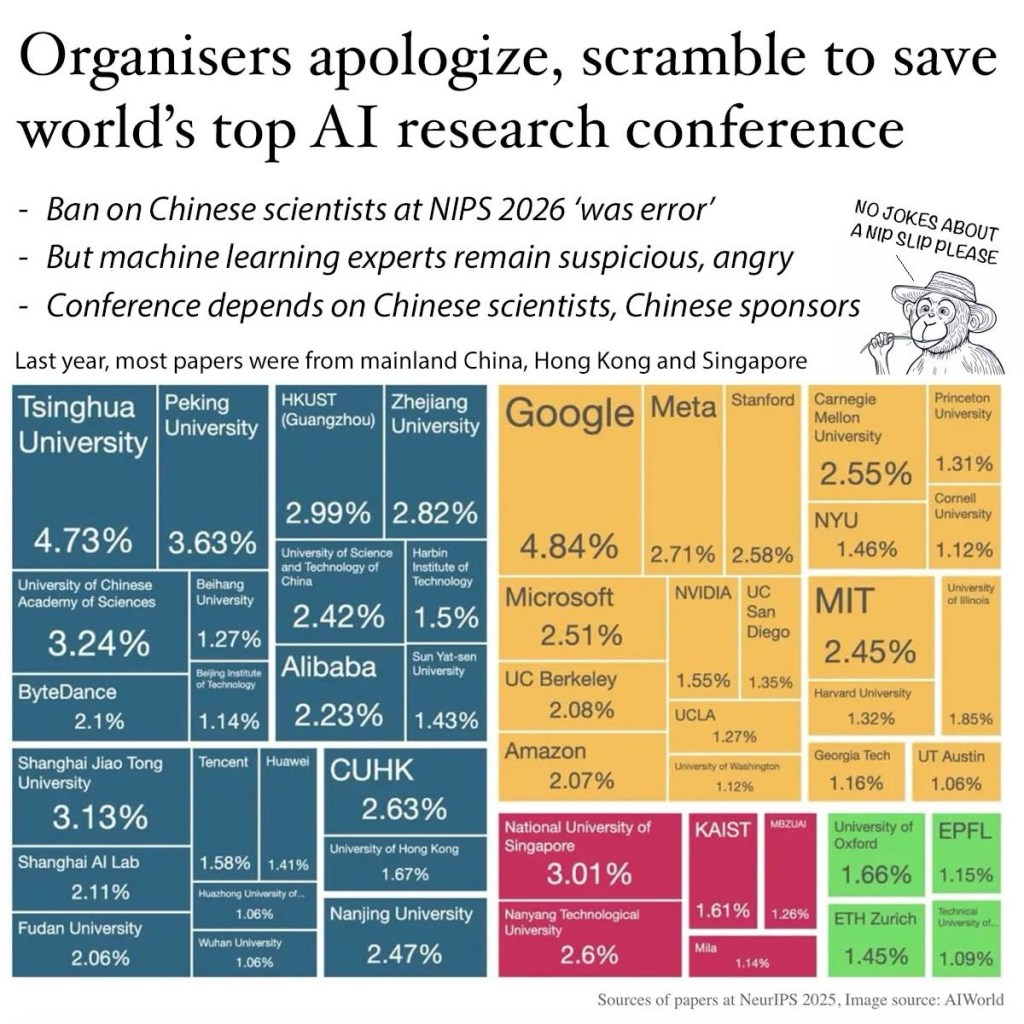
ORGANIZERS OF THE WORLD’S BIGGEST AI research gathering are scrambling to save the event.

ORGANIZERS OF THE WORLD’S BIGGEST AI research gathering are scrambling to save the event.

But it may be too late.

Angry Chinese scientists are holding discussions on whether to participate—and they provide most of the papers, and many of the peer reviews, and Chinese firms also provide much of the sponsorship money.

If they decide against, the gathering known as NeurIPS, will lose its crown as the world’s most respected AI research conference.

The clock is ticking: 6 May, just five weeks away, is the submission deadline for papers, which then lead to physical participation in the event, scheduled to open in Sydney, Australia, on December 6.

POLICY CHANGE

A shock policy that excluded Chinese scientists became evident on Monday [23 March] this week, and was reversed yesterday—but after four days of fury, scientists and organizations from China are not mollified by the explanations from the group, called the Conference on Neural Information Processing Systems (but pronounced neurips or nips).

Multiple questions remain.

ORGANIZERS APOLOGIZE

The organizers apologized in a statement on X, saying that the legal team made a simple mistake. The “banned” list should have linked to a US list called “Specially Designated Nationals”—normal for US conferences.

But instead, it linked to a list of all entities facing US sanctions. This is an absurdly long list of individuals and companies, often blameless people unfairly registered. More than 800 are Chinese, and the list includes top scientists at Huawei and other world-class research and development groups.

TOUGH QUESTIONS BEING ASKED

But scientists are asking tough questions.

1) If it was a simple error in a link, why did it take days to fix? As every blogger knows, it takes literally seconds to change a link from one URL to another.

2) If there was no intention to cut out Chinese scientists, why did NeurIPS respond to complaints by initially defending the policy?

Their response, on Thursday 26 March, said the organizers had no choice.

“The present concerns are not about science or academic freedom,” the statement said. “They are about legal requirements that apply to the NeurIPS Foundation, which is responsible for complying with sanctions.”

3) The long period between announcing the policy on Tuesday and reversing it on Saturday suggests a debate, rather than a need to fix a wrong link.

It seems more like one side (who?) wanted the Chinese banned, and the other (who?) was arguing for them to be included.

4) A broader issue is the fact that all three of the top AI conferences are run by US firms (ICML and ICLR are the others).

Some have taken years to build up their networks (Nips began in 1987).

It would be difficult for China to replicate this. But the US is not seen as a trustworthy partner for multiple reasons, not least its total contempt for international law.

Can the conference be moved, say, to somewhere in Asia?

CHINESE ARE NOT HAPPY
Some groups have already responded.

The China Association for Science and Technology has canceled its sponsorship. Worse still, they will no longer recognize publications in NIPS journal as deserving of academic credits.

The argument will roll on for days, but that 6 May deadline will be on everyone’s mind. It would be easier for all concerned, to rebuild bridges rather than erect a wall.

SCIENCE WITHOUT BORDERS

As the scientist Louis Pasteur said: “Science knows no country.”

It’s worth noting that many non-Chinese scientists have stood up for academic freedom for the Chinese.

Jason Eisner, Professor of Computer Science at Johns Hopkins University, challenged the organizers to stand up the US government.

“Just drop this policy,” he wrote on X. “You’re a US academic press. You have a 1st Amendment RIGHT to publish whatever you want—including words written by individuals who are disfavored by your government, and reviews of those words. They can’t constitutionally stop you. If they try, go to court!”

That type of response, jumping to a lawsuit against the authorities, is not how Asians operate at all. But the organizers of NIPS are based in California, and would be familiar with fighting the government.

It’s the end of an era as another longtime local business plans to close its doors in Hawaii

It’s the end of an era as another longtime local business plans to close its doors. In fact most long time local businesses in Hawaii are gone. The downtown Honolulu is dead! Young People with high IQ and EQ left. Most stayed in Hawaii under parents’ welfare plan by living at parents’ home! The hollowing out of Hawaii are being replaced by arm dealers, drug addicts and homeless people. The wealthiest people including many corrupt government officials and businessmen from around the world are living in exclusive multi-million properties. 這是一個時代的終結,又一家經營多年的本地企業計劃關門大吉。事實上,夏威夷大多數經營已久的本地企業早已不復存在。檀香山市區如今一片死寂!高智商、高情商的年輕人都已離去。留下來的多數人靠著父母的資助計劃,住在父母家中勉強度日!夏威夷逐漸空洞化,取而代之的是軍火商、吸毒者和無家可歸的人。而那些最富有的人,包括來自世界各地的貪腐官員與商人,則居住在價值數百萬的豪華私人宅邸中.

Details: https://www.khon2.com/local-news/tamashiro-market-closing-doors/?utm_medium=social&utm_source=facebook_KHON2_News

Hong Kong residents are eligible to receive medical services at The University of Hong Kong-Shenzhen Hospital

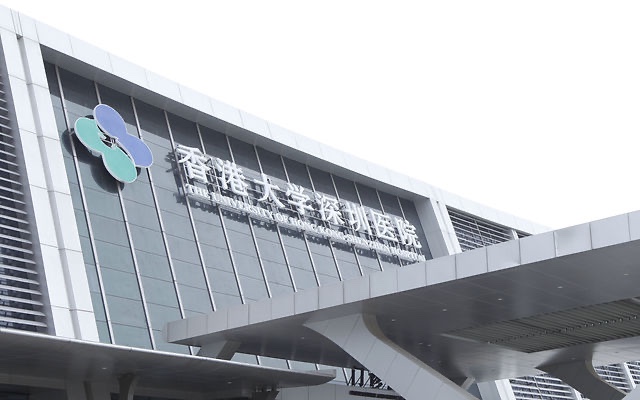
Hong Kong residents are eligible to receive medical services at The University of Hong Kong-Shenzhen Hospital (HKU-Shenzhen Hospital). The hospital is a pilot institution for Hong Kong’s “Elderly Health Care Voucher” scheme and a designated hospital for the “Supporting Patients of the Hospital Authority in the Greater Bay Area Pilot Program,” providing convenience for Hong Kong residents. 香港居民可以在香港大学深圳医院(港大深圳医院)就医。该医院是香港“长者医疗券”计划的试点机构,也是“支援粤港澳大湾区医院管理局病人先导计划”的指定医院,为香港居民提供了便利。

医院不同科室和服务的收费标准如下:

💰 收费详情

项目 费用(人民币) 说明

全科门诊 200元/次 费用已包含挂号费、诊症费、常规检验检查、非严重伤口处理费及最多7天标准药物。

专科门诊 100元/次 诊查费为100元,其他如治疗、药品、耗材等费用需另行收取。

住院费用 255元/天 此费用已包含诊查费、护理费、输液/注射/吸氧/换药/雾化吸入等费用。

此外,香港居民还可能享受以下两种主要资助计划:

❤️ 香港长者医疗券:符合条件的香港长者可以使用医疗券支付指定科室的门诊费用。适用科室包括家庭医学全科、体检、急诊、骨科、眼科、牙科、中医科、内科、妇科、外科、康复科等。

✨ 支援粤港澳大湾区医院管理局病人先导计划:合资格病人(主要为香港医管局复诊病人)每次接受指定门诊服务,只需自付100元人民币诊金,其余费用差额由计划资助,每年资助上限为2,000元人民币。

🚀 最新便利措施

自2026年1月27日起,深港数据跨境安全便捷通道已正式开通。香港居民在港大深圳医院就诊并授权后,其检查影像及报告数据可安全传回香港“医健通”平台,方便香港医生查阅,避免重复检查。

同时,为方便香港居民就医,福田口岸还开通了直达医院的专线巴士,车程约30分钟,票价仅需2元人民币,60岁及以上长者免费,运营时间为每日08:00至18:00,每半小时一班。

📞 预约与查询

医院预约专线:(+86) 0755-86913333(中文服务,周一至周日 08:00-18:00)

先导计划专线:(+86) 0755-86913101

微信预约:关注“香港大学深圳医院”微信公众号

医院地址:广东省深圳市福田区海园一路

The fee schedule for different departments and services at the hospital is as follows:

💰 Fee Details

Item Fee (RMB) Description

General Outpatient 200 yuan/visit The fee includes registration, consultation, routine laboratory tests, non-severe wound management, and up to 7 days of standard medication.

Specialist Outpatient 100 yuan/visit The consultation fee is 100 yuan. Additional charges apply for treatments, medications, medical consumables, etc.

Inpatient Care 255 yuan/day This fee includes consultation, nursing care, intravenous infusion/injections/oxygen therapy/dressing changes/nebulization treatments, etc.

In addition, Hong Kong residents may benefit from the following two major subsidy schemes:

❤️ Hong Kong Elderly Health Care Voucher: Eligible Hong Kong seniors can use their health care vouchers to pay for outpatient services in designated departments. Applicable departments include Family Medicine, General Outpatient, Physical Examination, Emergency, Orthopedics, Ophthalmology, Dentistry, Traditional Chinese Medicine, Internal Medicine, Gynecology, Surgery, Rehabilitation, etc.

✨ Supporting Patients of the Hospital Authority in the Greater Bay Area Pilot Program: Eligible patients (primarily those receiving follow-up care from the Hong Kong Hospital Authority) only need to pay 100 RMB out-of-pocket per designated outpatient visit. The remaining cost difference is subsidized by the program, with an annual subsidy cap of 2,000 RMB per patient.

🚀 Recent Facilitation Measures

Since January 27, 2026, a secure and convenient cross-border data channel between Shenzhen and Hong Kong has been officially launched. After receiving treatment at HKU-Shenzhen Hospital and providing authorization, Hong Kong residents can have their examination images and reports securely transmitted to Hong Kong’s “Electronic Health Record Sharing System” (eHealth) platform, allowing Hong Kong doctors to access the information and avoid duplicate tests.

Additionally, to facilitate medical visits for Hong Kong residents, a dedicated shuttle bus has been established from Futian Port to the hospital. The journey takes approximately 30 minutes, with a fare of only 2 RMB, and is free for individuals aged 60 and above. The service operates daily from 08:00 to 18:00, with departures every half hour.

📞 Appointment and Inquiries

Hospital Appointment Hotline: (+86) 0755-86913333(Chinese service, Monday to Sunday, 08:00-18:00)

Pilot Program Hotline: (+86) 0755-86913101

WeChat Appointment: Follow the “香港大学深圳医院” (HKU-Shenzhen Hospital) official WeChat account

Hospital Address: Haiyuan First Road, Futian District, Shenzhen City, Guangdong Province

Video with English subtitles: The die is cast! China’s 18-year grand strategy is officially coming to a close—where did the U.S. fail?

Video with English subtitles: The die is cast! China’s 18-year grand strategy is officially coming to a close—where did the U.S. fail? The final piece of the power transition is in place! 影片有英文字幕:大局已定!中國18年陽謀正式收網,美國輸在哪裡?霸權易手的最後一塊拼圖!

https://rumble.com/v77qgdm-the-die-is-cast-chinas-18-year-grand-strategy-is-officially-coming-to-a-clo.html
https://www.tiktok.com/t/ZP8bp7jRj/
Complete video: https://youtu.be/JUIwTZJbCAQ?si=rmluV9_8rYoBL1IN 🇨🇳✌️

While Washington was mired in the Middle East, bleeding out frantically, it suddenly turned back in horror to find that the Eastern giant it had tried to contain for 18 years had already built an impregnable fortress of energy and finance! How exactly did the U.S., by shooting itself in the foot over these 18 years, hand its hegemonic throne to someone else? In this episode, we uncover the brutal truth behind the great power rivalry and help you understand this century-level geopolitical masterstroke!

當華盛頓深陷中東泥淖、瘋狂失血時,猛然回頭才驚恐發現:那個他們防堵了18年的東方巨獸,早就築起了一道能源與金融的銅牆鐵壁!美國自廢武功的這18年,究竟是如何親手把霸權寶座拱手讓人?本集為您扒開大國博弈的殘酷真相,看懂這場世紀級的地緣陽謀!

There are always people online saying that China’s talent has all gone to the United States, China can’t hold onto its elite

There are always people online saying that China’s talent has all gone to the United States, China can’t hold onto its elite. Open any social media platform, and it’s filled with posts about “top tech experts being poached” and “wealthy people flocking to emigrate,” while the anti-China intellectuals seize on this to doom and gloom every single day. But strangely enough, the more these so-called “elites” run off to the US, the narrower the gap between China and the U.S. becomes. What’s really going on here? 網上老有人說,中國的人才都跑美國去了,留不住精英. 打開社交媒體,全是“技術大牛被挖走”“富豪扎堆移民”的消息,恨國黨公知們更是逮着這事兒天天唱衰。但詭異的是,越是這些所謂的“精英”往美國跑, 中美之間的差距反而越來越小。這到底是怎麼回事?

Let’s first look at some data from previous years. By 2019, China had been the largest source of international students for the United States for ten consecutive years. During that time, 32,000 Chinese scientists became naturalized U.S. citizens, and over 200,000 students from China’s 39 “985 Project” universities went to study in the U.S.—averaging more than 5,000 students per institution over that decade. When you lay out these numbers, it’s easy to feel alarmed: are we being drained of our best and brightest?

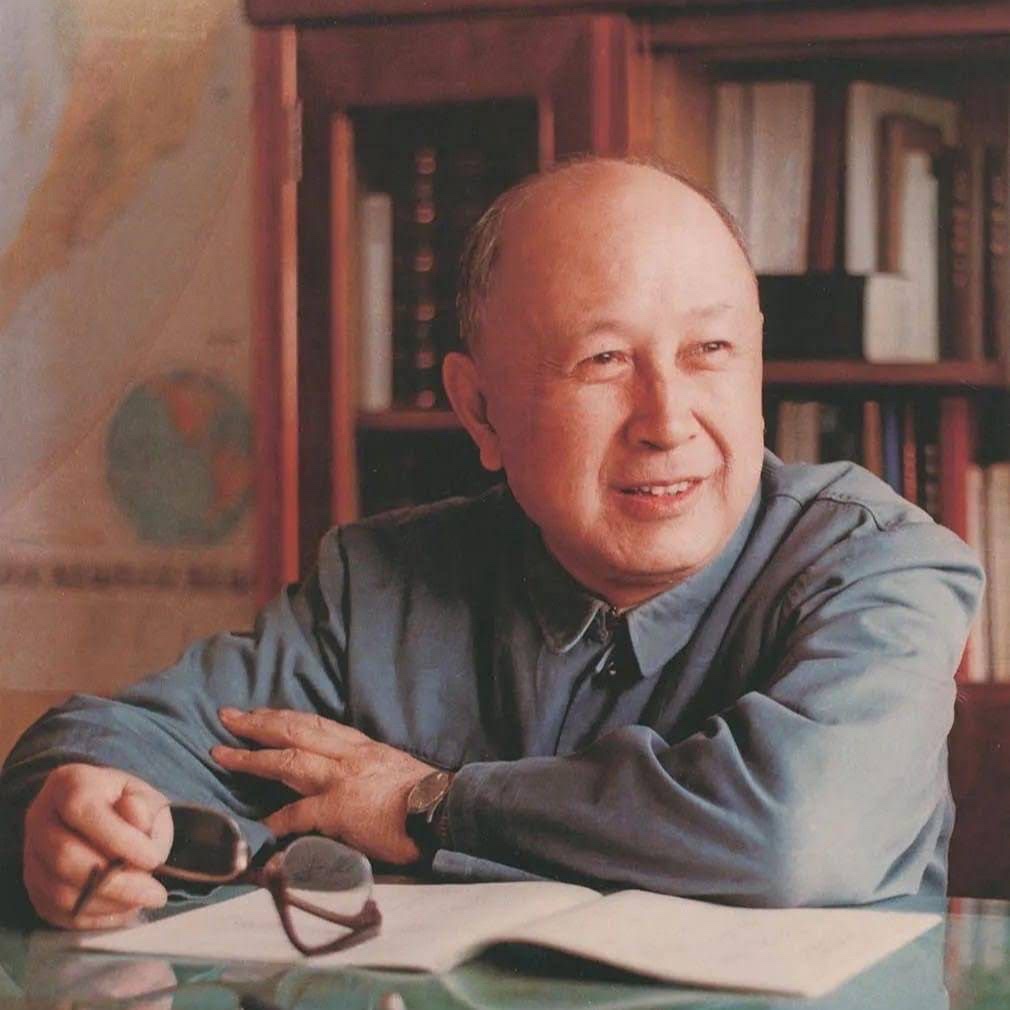
But we have to ask: are the people heading to the U.S. actually the core elite we truly need? If you compare figures like Gao Xiaosong or Qu Wanting with the likes of Qian Xuesen, Yang Chenning, or Yao Qizhi, could ten thousand of the former ever match the caliber of one of the latter? The answer is clear. The issue lies in how we define “elite.”

In the Western context, the elite are defined by the trinity of money, power, and knowledge. Capitalists use money to influence politics, politicians leverage power to amass wealth, and intellectuals lend legitimacy to this system. Together, they form a closed loop of self-serving interests, where the rules serve only themselves, leaving ordinary people to struggle in the cracks.

China’s logic is fundamentally different. For thousands of years, the underlying structure here has been one where money, power, and knowledge are separate—even mutually exclusive. Officials don’t engage in commerce; the wealthy don’t hold political power; intellectuals stay clear of administrative authority and capital, existing solely as a source of intellectual resources. This structure is the greatest safeguard for ordinary people and serves as a defense against monopolization by interest groups and the solidification of social classes.

Those “elites” flocking to the U.S. are precisely the ones who chafe under this system. They possess knowledge and wealth but, unlike in the U.S., cannot use money to buy power or leverage power to monopolize wealth. What they seek is a life of privilege, not a sense of duty to their country. Their departure is not a loss for China; rather, it represents a form of “detoxification” that helps maintain fairness and justice in society.

True elites are never those who simply seek personal gain. Those who abandon their homeland to coast comfortably in the U.S. are, in essence, nothing more than highly skilled craftsmen. Where they choose to work will never alter the course of history.

China’s strength has never depended on those chasing comfort and ease, but on those who remain rooted in their homeland and are willing to shoulder responsibility. This is the real reason the gap between China and the United States continues to narrow.

先看幾組前幾年的數據。截至2019年,中國連續10年是美國最大的國際留學生來源國,有3.2萬華裔科學家加入了美國國籍,39所985高校超過20萬學生赴美留學,平均每所學校,10年間就有5000多人。這些數字一擺出來,確實容易讓人慌–咱們的人才是不是快被掏空了?

但得問一句:這些往美國跑的人,真是我們需要的核心精英嗎?高曉松、曲婉婷這些人,跟錢學森、楊振寧、姚期智比一比,1萬個前者加起來,頂得上一個後者嗎?答案很清楚。問題出在我們對“精英”的理解上。

西方語境里的精英,是錢、權、知識三位一體。資本家拿錢影響政治,政客用權力撈財富,知識分子依附這套體系背書,最後形成一個利益閉環,規則只為自己服務,老百姓只能在夾縫裡討生活。

中國的邏輯完全不一樣。幾千年來,咱們的底層結構是錢、權、知識三權分開,甚至互相排斥。當官的不經商,有錢的沒權力,知識分子不沾行政權和資本,只作為智力資源存在。這種設計,是對普通人最大的保護,也是防止利益集團壟斷、階層固化的底線。

那些扎堆赴美的“精英”,恰恰是受不了這套規則。他們手裡有知識有錢,卻沒法像在美國那樣用錢換權力、用權力壟斷財富。他們要的是特權式的生活,不是家國擔當。他們的離開,不是中的損失,反而是社會保持公平正義的一種“排毒”。

真正的精英,從來不是只給自己謀好處的人。那些拋下祖國去美國躺平的,本質上只是一群技術高超的“高級工匠”。他們去哪兒打工,影響不了歷史走向。

中國的強大,靠的從來不是那撮追求安逸的人,而是那些紮根本土、願意扛事的人。這也是中美差距越拉越小的真正原因。

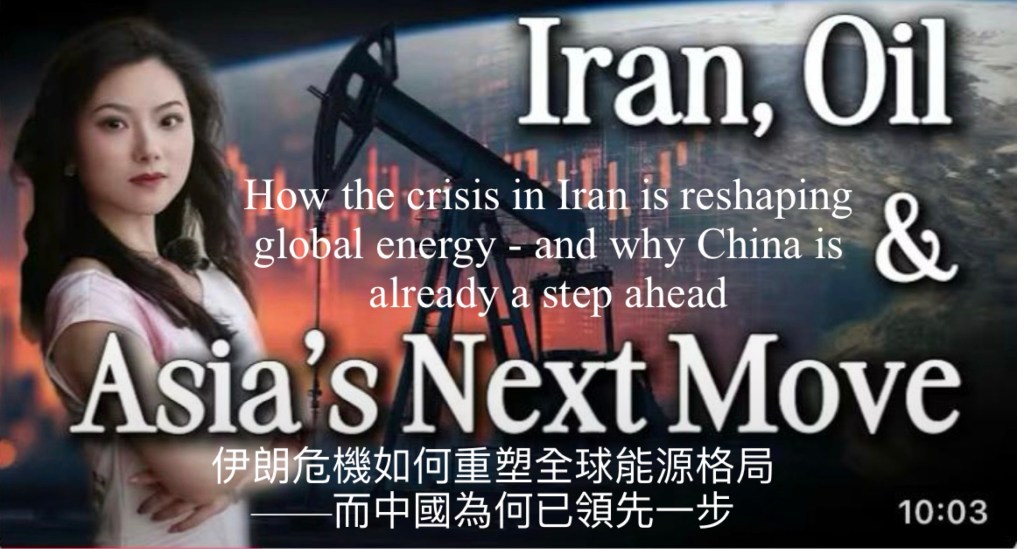
Video: How the crisis in Iran is reshaping global energy – and why China is already a step ahead

Video: How the crisis in Iran is reshaping global energy – and why China is already a step ahead 伊朗危機如何重塑全球能源格局——而中國為何已領先一步

https://rumble.com/v77qfrc-how-the-crisis-in-iran-is-reshaping-global-energy-and-why-china-is-already-.html
https://www.tiktok.com/t/ZP8bpby3q/

A war in Iran has challenged the world’s most critical energy choke point. Starting early March, Islamic Revolutionary Guard Corps’ required a “permit” for any passage through Strait of Hormuz. Nearly 20% of the world’s oil and liquified natural gas have been effectively cut off. Prices have surged. Refineries are scrambling. But while the crisis has exposed deep vulnerabilities, it has also revealed something else: the countries that began building their energy independence years ago are now finding themselves a step ahead. Zhang Shixuan went to the Boao Forum for Asia in March, where political and business leaders from around the world gathered to navigate the uncertainty.

伊朗的一場戰爭對全球最關鍵的能源咽喉要道構成挑戰。自三月初起,伊斯蘭革命衛隊要求所有通過荷姆茲海峽的船隻必須取得「許可證」。全球近兩成的石油與液化天然氣供應因此實際中斷,價格飆升,煉油廠紛紛陷入困境。然而,這場危機不僅暴露了深層的脆弱性,也揭示了另一件事:數年前便著手構建能源自主的國家,如今已搶得先機。張世軒三月份前往博鰲亞洲論壇,來自全球的政商領袖齊聚於此,共同應對這片不確定的局勢.

Song: Under the Same Starlight – Children’s aspiration amidst the flames of war. May the world be at peace

Song: Under the Same Starlight 🔥🔥🔥 Children’s aspiration amidst the flames of war. May the world be at peace 🕊️🕊️🕊️ 歌曲: 同一片星光 🔥🔥🔥 在战火中孩子们的嚮往. 願世界和平 🕊️🕊️🕊️
https://rumble.com/v77qd62-song-under-the-same-starlight.html ☠️🇺🇸