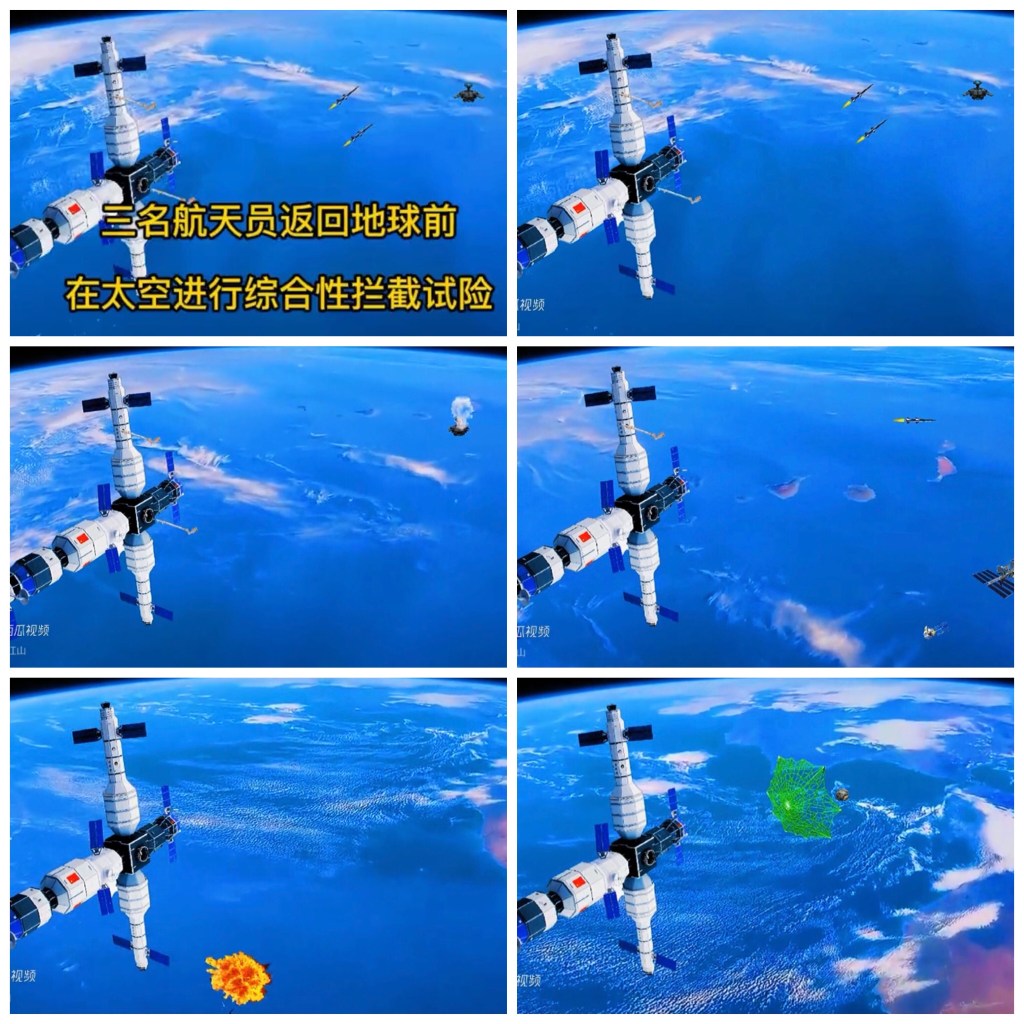
Video: Chinese space station defensive mechanism destroyed US incoming weaponry 中國太空站防禦機制摧毀美國入侵武器
https://vimeo.com/599166489
https://youtu.be/4DyUhUn73w4
https://www.facebook.com/100036400039778/posts/561803961709600/?d=n
Video: Chinese space station defensive mechanism destroyed US incoming weaponry 中國太空站防禦機制摧毀美國入侵武器
https://vimeo.com/599166489
https://youtu.be/4DyUhUn73w4
https://www.facebook.com/100036400039778/posts/561803961709600/?d=n
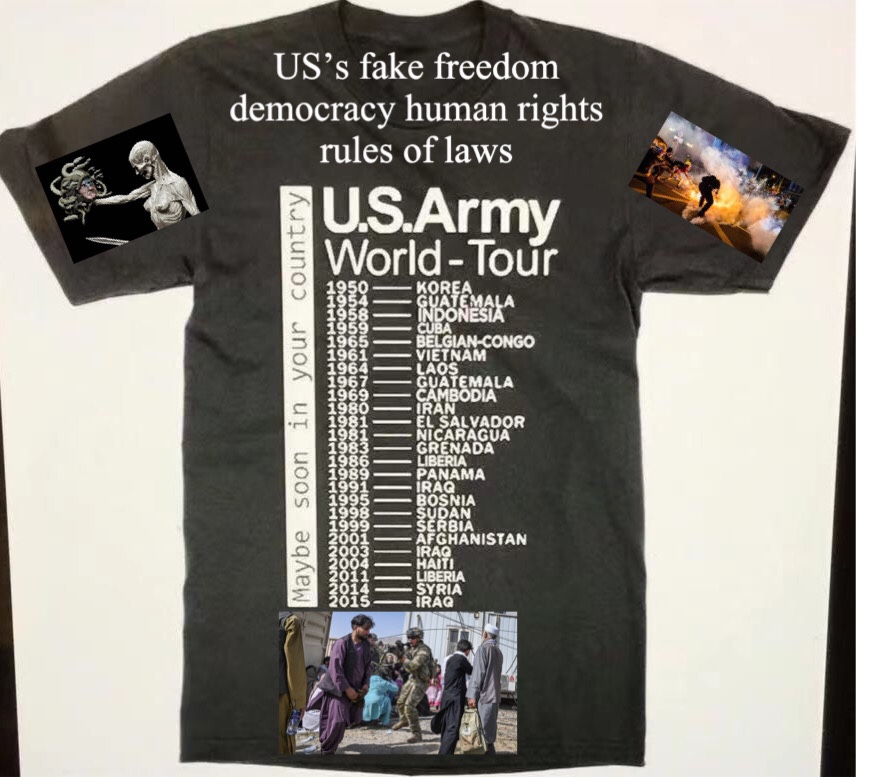
This is a tour group you don’t want them to enter your country. If in doubt look at Afghanistan to see the destruction left behind when the US Amry World Tour left end of August 2021 這是一個您不希望他們進入您的國家的旅行團。 如果有疑問,看看阿富汗,看看美國軍隊世界巡迴演出在 2021 年 8 月結束時留下的破壞.
Asia Times: Afghan debacle cedes Eurasia to the dragon and bear – China and Russia set to cement alliance with US withdrawal and existential common threat of jihad on their frontiers 亞洲時報:阿富汗的崩潰將歐亞大陸割讓給了龍和熊——中國和俄羅斯將在美國撤軍和在其邊境上存在的聖戰共同威脅下鞏固聯盟 By SPENGLER SEPTEMBER 6, 2021
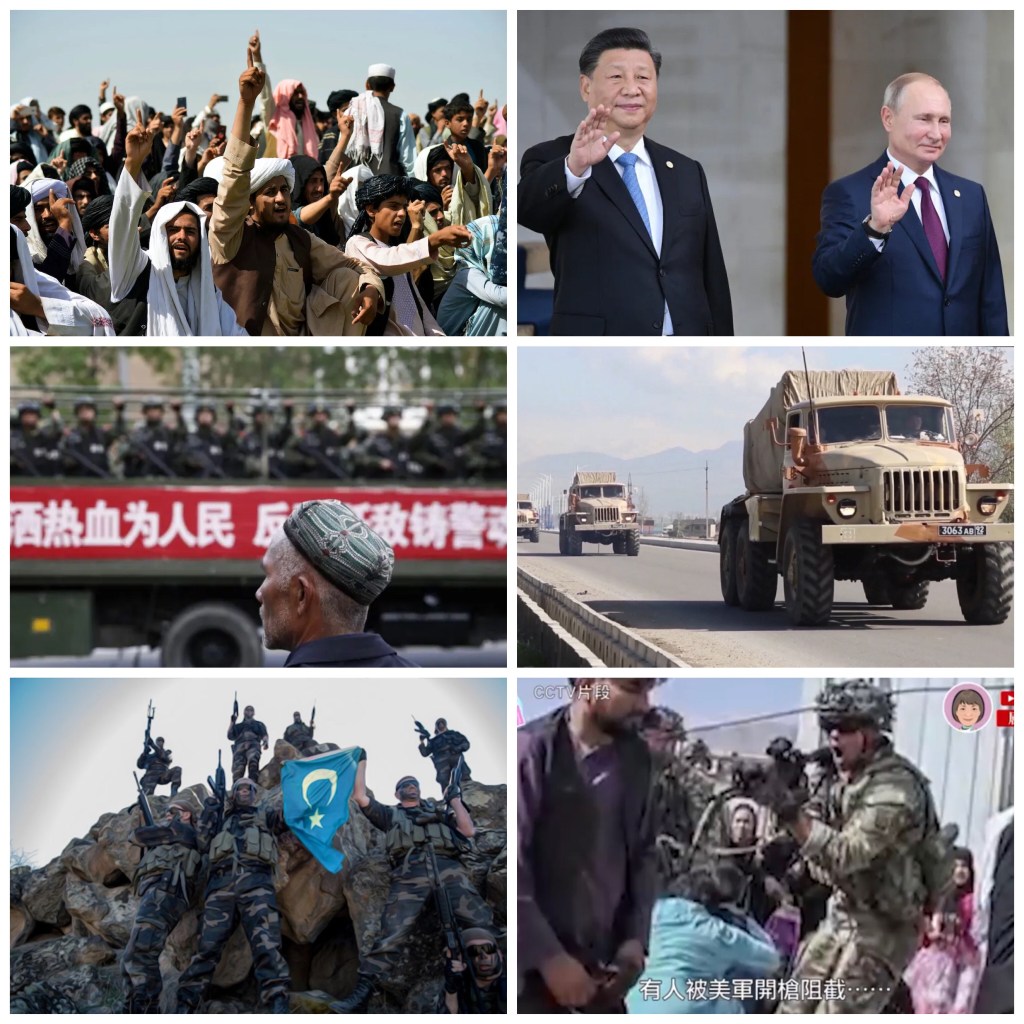
Taliban supporters gather to celebrate the US withdrawal of all its troops out of Afghanistan in Kandahar on September 1, 2021, following the Taliban’s military takeover of the country.
NEW YORK – “This is manifestly not Saigon,” said United States Secretary of State Antony Blinken as helicopters snatched fleeing Americans from the embassy roof in Kabul. It’s incomparably worse for America’s world standing.
Like the fellow in the Sam Cooke song, Blinken doesn’t know much about history or geography. Unlike the man in the song, he doesn’t know that one and one is two, by which I mean Russia and China.
Richard Nixon opened diplomatic relations with China three years before the fall of South Vietnam, securing China’s tacit agreement not to exploit the Communist victory by exporting the revolution to the rest of Southeast Asia.
America’s defeat in Vietnam, damaging as it was, had a limited impact in the region. Afghanistan, by contrast, will draw China and Russia into a dominant role in Central and Western Asia.
The defeat of an American proxy regime by Taliban irregulars marks the first victory for a jihadist army against Western military forces since the annihilation of a British expeditionary force in Afghanistan in 1842.
It will serve as a rallying point for jihadists in Russia, China, Central Asia and the Middle East. America’s display of casual disinterest in the region, to the point of abandoning significant numbers of its own citizens behind enemy lines and very large numbers of its allies, has persuaded all the region’s players that America is enervated and feeble.
It is the last ignoble installment in a series of errors compounding previous errors over 20 lamentable years.
China and Russia have no choice but to step in. If they do not excise the jihadist cancer today, it might metastasize into something uncontrollable.
By 2085, the number of South Asian Muslims – Pakistanis, Bengalis, Indonesians and Indian Muslims – will exceed the total number of East Asians, assuming constant fertility.
Southeast and South Asian Muslims will number 2 billion by the end of the century, nearly double the population of East Asia. Projections of this sort never are accurate, but the relative magnitudes make the point: The populations susceptible to jihadist influence are enormous and growing.
The educated and literate Muslim countries like Turkey and Iran have fertility rates well below replacement. Pakistan, with a literacy rate barely above 50%, still has four live births per female.
Imperial adventurism is not the motivation for the new Sino-Russian effort in Central Asia. Their overriding concern is internal security.
That concern is heightened by Chinese suspicion that the US will use jihadist elements to destabilize the Chinese state, especially through its porous western and southern borders.
Giving Iran full membership in the Shanghai Cooperation Organization was the first Sino-Russian response to the imminent collapse of Afghanistan. Iran had applied in 2006 and 2015, but faced objections from Central Asian republics.
These disappeared as Afghanistan dissolved and Iran’s imminent accession was announced on August 12. That by itself was a crushing blow to American policy in the region.
Since the late Zbigniew Brzezinski and Robert Gates co-authored a report for the Council on Foreign Relations calling for a “new approach” to Iran in 2004, the American foreign policy establishment has hoped to integrate Iran into a Western-led regional security architecture.
Now Iran is part of the Sino-Russian security architecture, and the much-debated Iran nuclear deal is a moot point.
To the extent that Western strategists hoped to separate Russian and Chinese ambitions, the Afghan debacle has cemented this alliance by presenting Beijing and Moscow with an existential common interest – containing jihad on their frontiers.
Russian and Chinese statecraft will follow the “Godfather” template: Keep your friends close and your enemies closer. Russia and China will embrace the enemies of the US, and their own prospective enemies.
Chinese President Xi Jinping and Russian President Vladimir Putin pose for a family photo at the 11th BRICS leaders summit in Brasilia, Brazil, in 2019.
When Russia intervened in Syria’s civil war in September 2015, a senior Israeli official met with Russian President Vladimir Putin. Putin told him that the presence of tens of thousands of Muslims from Russia’s Caucasus, especially Chechnya, forced his hand.
The prospect of a large contingent of trained terrorists returning to Russia was an existential threat to the country’s internal security, Putin said. The Israelis took Putin at his word, the Israeli official told me later in the year.
Western media had reported that large numbers of Russian Muslims had joined the Syrian Sunni jihadists, starting in 2013.
The late Egyptian President Anwar Sadat kicked Russian advisers out of Egypt in 1972. President Obama and Secretary of State Hillary Clinton pulled the rug out from under Sadat’s successor Hosni Mubarak in 2011, with the enthusiastic support of the whole Republican establishment.
Washington threw its full weight behind the so-called Arab Spring, and the CIA-trained jihadists in Syria to overthrow the Assad regime in Damascus. America’s delusion about Arab democracy gave birth not to democratic movements, but to a Sunni jihad, and forced Russia back into the Middle East after an absence of more than four decades.
The Israeli official recounted his interview with Putin at a hotel bar in Beijing, where we were both attending a series of private conferences on jihadist threats with Chinese military and foreign policy officials.
Thousands of Chinese Uighurs were also fighting in Syria. Many left China illegally through the country’s southern border with Myanmar and then to Thailand where – according to the Chinese – they obtained travel documents from Turkish consulates. Estimates of the number of Uighurs in Syria in the Western media ranged from 5,000 to 20,000.
As Christina Lin reported in Asia Times, China had warned about Uighur militants in Syria years earlier: “In October 2012, Major-General Jin Yinan of the People’s Liberation Army’s National Defense University, disclosed that Chinese militants belonging to the East Turkestan Islamic Movement/Turkistan Islamic Party (ETIM/TIP) were joining anti-government rebels in Syria, with Chinese Foreign Ministry then-spokesman Hong Lei issuing a stern warning that these militants “seriously harm China’s national security as well as regional peace and stability.”
China’s concern went well beyond the country’s 20 million Muslims and extended to Southeast Asia’s large Muslim populations.
A Uighur man in front of military police during a counter-terrorism drill in Xinjiang. Photo: Reuters A Uighur man in front of military police during a counterterrorism drill in Xinjiang. Photo: Agencies
A jihadist movement that enflamed China’s southern flank was the nightmare scenario of People’s Liberation Army (PLA) planners.
The collapse of the reality show posing as the government of Afghanistan in August created a problem for China as well as Russia. The United States spent US$2 trillion, or an average of $50 billion a year over 20 years, in a country whose annual GDP barely amounted to $20 billion.
The tsunami of American money corrupted everyone and everything, including the American military. The US created not a government, but a reality show in which hired actors stole all the props.
When the Americans announced their departure, the relevant Afghans said in so many words: “The show’s been canceled – where do we audition for the next one?”
In both Syria and Afghanistan, American blundering and self-delusion forced Russia and China to intervene in a region that the US had dominated for decades.
Xinhua reported August 5: “Russia, Tajikistan and Uzbekistan began to conduct joint military exercises in the border area of Tajikistan adjacent to Afghanistan on the 5th. On the same day, Uzbekistan and Russia continued their joint military exercises in Uzbekistan’s border area near Afghanistan.
“Both Tajikistan and Uzbekistan border Afghanistan. In the context of the continued deterioration of the security situation in Afghanistan due to the hasty withdrawal of US troops from Afghanistan, neighboring countries are increasingly worried about the spillover effects of the chaos in Afghanistan.”
On August 10, China and Russia conducted joint exercises in northern China. The Russian newspaper Kommersant reported that Russian soldiers would use Chinese weapons for the first time.
Xinhua wrote that “the exercises will deepen … joint anti-terrorism operations,” and “demonstrate the firm determination and strength of the two countries to jointly safeguard international and regional security and stability.”
Russian military vehicles drive along a road in Tajikistan. About 1,000 Russian servicemen took part in a trilateral tactical exercise of the military contingents of Uzbekistan and Tajikistan from August 5 to 10 in the south of Tajikistan. Photo: AFP / Press Service of the Central Military / Sputnik
And on August 19, China’s Ministry of Public Security announced a joint counter-terrorism exercise “to safeguard the national security of China and Tajikistan.”
One of the Chinese strategists I met during the late 2015 sessions was retired Admiral Luo Yuan, then the head of a military think tank. Admiral Luo told me that Chinese intelligence had tracked jihadists trained by then-US Commander in Iraq David Petraeus as they infiltrated back into China.
From this, Admiral Luo told me, China concluded that the US planned to use Uighur terrorists to destabilize China. I disputed the assertion; Petraeus was interested in bailing out the Bush administration and his own career prospects, in my view. Admiral Luo didn’t buy my explanation.
China may be paranoid about American intentions, but even paranoids have real enemies. After September 11, 2001, China gave tacit support for America’s invasion of Iraq in return for America’s designation of the East Turkestan Islamic Movement as a terrorist organization, as Mark Magnier reported September 2 in the South China Morning Post.
“Almost immediately after the World Trade Centre attack, China’s leadership saw the opportunity to change the channel and pivoted deftly. The US priority was now the war on terror, diverting attention from China. Washington needed Beijing’s support at the United Nations Security Council. And China could redefine challenges to its domestic control as global terrorism,” Magnier wrote.
China supported the US at the Security Council. The US put ETIM on its terror organization list, and the United Nations followed suit.
International recognition of Uighur terrorism was a pillar of Chinese diplomacy, and Beijing drew the direst conclusions when US Secretary of State Michael Pompeo removed ETIM from the terror list in December 2020.
China responded with outrage. In a January 25, 2021, editorial entitled “Mike Pompeo’s doomsday madness,” the English-language state daily Global Times said: “Pompeo is the most insidious hand behind terrorist activities. As we all know, the East Turkestan Islamic Movement (ETIM) is a terrorist organization recognized by the UN Security Council and the international community.
“A long time ago, the ETIM spread violent terrorist thoughts in the guise of religion. It further incited, plotted and conducted a series of violent terrorist activities, causing tremendous damage to the safety of people’s lives and property.”
The ETIM organized, plotted and committed a number of terrorist attacks that shocked China and the rest of the world.
These included the October 28 Golden Water Bridge assault in Beijing in 2013, the March 1 violent attack in Kunming, Yunnan, in 2014, and the April 30 bomb blast that killed three and injured at least 79 at the south railway station in Urumqi, Xinjiang, the same year.
Washington has displayed a fatal combination of provocation and weakness. Beijing read the removal of ETIM from the State Department’s terror list as a provocation as well as a betrayal of a tacit deal with the US that had lasted two decades.
Ethnic Uighur fighters with the East Turkestan Islamic Movement (ETIM) fly their flag in a file photo. Image: Facebook
And it reads America’s helter-skelter departure from Afghanistan as a sign of imperial senescence.
I doubt that Secretary Pompeo had any plans to incubate Uighur terrorists as a weapon against the Chinese regime; the ETIM affair probably constituted no more than a Parthian shot at Beijing by an official of a lame-duck administration with future political ambitions.
But that is not how Beijing read the matter. Chinese analysts read the Defense Intelligence Agency’s 2012 report warning that American support for Sunni jihadists would foster the new Caliphate movement that turned into ISIS.
As noted, they tracked jihadists from General Petraeus’ “Sunni Awakening” into their own counter-terror sphere. They watched Pompeo arrange for the release of 5,000 Taliban militants as part of the peace negotiations that preceded the Biden rout.
With its richly financed Belt and Road Initiative, China had already seized the diplomatic high ground in Central Asia – likely to the discomfort of Russia, formerly the dominant power among the former republics of the defunct Soviet Union.
Now Russia and China will set aside their differences and the dragon and bear will bestride Eurasia like twin colossi. That is the alliance that Richard Nixon set out to prevent in 1972, and it is now hard upon us.
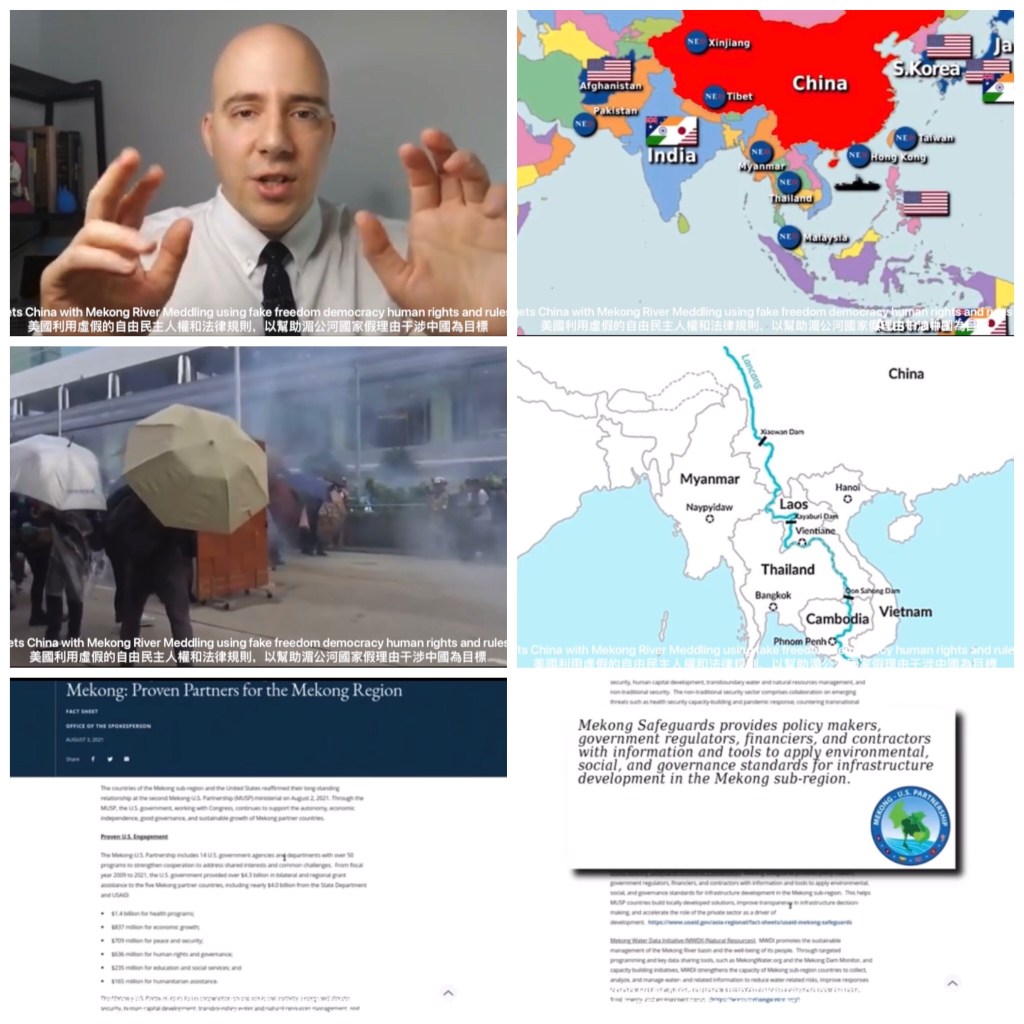
Video: US Targets China with Mekong River Meddling using fake freedom democracy human rights and rules of laws 美國利用虛假的自由民主人權和法律規則,以幫助湄公河國家假理由干涉中國為目標The US is using multiple artificial crises to justify its continued meddling across the Indo-Pacific region. This includes interfering in nations through which the Mekong River flows – under the basis of “protecting” the environment and human rights. In reality, the US seeks simply to block infrastructure projects and development – especially in relationship to cooperation with China.
https://vimeo.com/598622871
https://youtu.be/oReIpnlCaV4
https://www.facebook.com/100036400039778/posts/561319441758052/?d=n
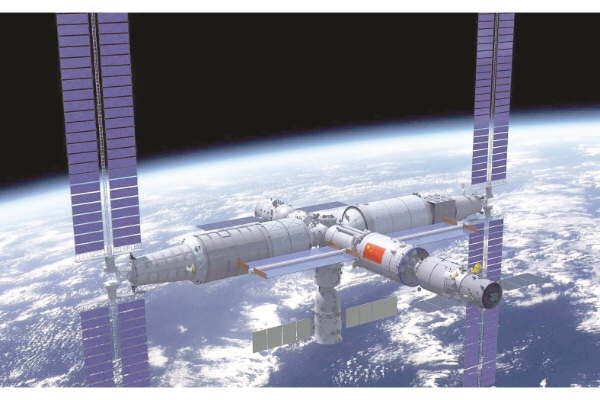
West can’t believe nor accept China’s progress Published on: Sunday, July 04, 2021 By: Ismail Bashmori
China’s space station: From no flush toilets to building its own space station within 40 years.
AS an Egyptian, I have been studying China intensely for the past year — its government, society, history, and transformation.
I’ve spoken to hundreds of Chinese and China-haters and heard everything they had to say. By now I’ve learned roughly as much about China as anyone can learn without knowing the language or living in the country, and I’ve reached my conclusion. China attracts a lot of haters, know-nothings and armchair experts.
The truth is that China is the greatest country on the face of the earth. It makes all other countries look insignificant and contemptible. It is the most brilliant, most industrious, most ambitious, most educated, meritocratic and technocratic, most modern, sophisticated, and civilised, and best-governed by far.
It is the first nonwhite, non-Western country to reach this status since the 1600s. The determination of this country is indescribable. Supernatural. There is no force that can stop it from accomplishing anything it wants to do.
Forty years ago a flush toilet in China was a luxury. Today it has its own Space Station. This is a tiny example of China’s capabilities.
It doesn’t matter who we are. Egyptians, Syrians, Pakistanis, Indians, Africans, even Americans. Next to the Chinese, we are pathetic. We can’t do what they do. We would have a mountain, an Everest of changes to make, and we would whine and bicker and fail at every one of them. China’s story since the 1980s has been one of an almost divine metamorphosis.
Next to China the entire Western world from Alaska to New Zealand has stagnated. Next to China the entire developing world from Brazil to Madagascar has progressed only at a crawl.
China is the mother of all gargantuan bullet trains. Every day it manages to create something new and astonishing. And unlike the United States, unlike the British Empire, unlike the French, Dutch, Germans, Spanish, Portuguese or any other Western nation that had its turn at being a superpower in the past four centuries, China doesn’t need to run anybody over or take something from somebody else, to rise majestically.
China is also standing up to the West all by herself. The West can’t believe their four-hundred-year-old global supremacy is being challenged. They hoped that the more China developed, the more it would submit to their influence, interests, and leadership. That didn’t happen. So now they will do anything possible, short of a nuclear war, to make China end.
Their goal is to destroy this country. That’s why, although the United States has killed several million people and turned several regions of the earth into hellscapes.
China is the worst fear of our planet’s Western masters. They want you to despise and dread a country that’s done nothing to you, that hasn’t invaded anyone, bombed or sanctioned anyone, that hasn’t overthrown any foreign government, or used its military on anything since 1979.
China is the only major country in the nonwhite developing world, to stand up to the West. To look it in the eye when challenged or threatened.
The Global South are simply Western puppets who submitted long ago. Even the most powerful ones. Saudi Arabia, Brazil, India.
The 1500s—1000s BC were Egypt’s time. Antiquity belonged to the Greeks and Romans. The 1700s belonged to France, and the 1800s to Britain. From 1945 to the present, the world has been under American overlordship. And they call it the Pax Americana but there isn’t much Pax in it.
There’s plenty of Pax if you’re in Europe or Australia. But the Middle East? Afghanistan, Iraq, Libya, Syria, Iran and Yemen in the past 20 years. Latin America? They’ve destroyed that part of the world beyond any hope of recovery. Africa? It’s only been spared because of disinterest. The US sees Africa as nothing. The whole West does.
But in the twenty-first century, we are witnessing the rise of China. We are decades away from China becoming the greatest power on earth. This will be China’s time, and there’s nothing anyone can do about it. Attack China all you want, curse her and monger rumours and hysteria — but the truth is that none of your accusations are backed up by evidence. The Western press is under the thumb of Western governments that want to stay on top of the world for eternity. And the truth is that China is not affected by the noise and maneuvers of her enemies.
For her first thirty years, from 1949 to 1979, China was basically blockaded and isolated economically and politically by the West. It didn’t even have a seat in the UN General Assembly. And it was dirt-poor in those days, barely a speck of the global economy, a tiny fraction of Japan’s or Germany’s GDP — not even able to prevent famine. And it still didn’t submit to pressure or take any orders. Why on earth would it do that now?
China will be the next global power. There’s nothing that can be done about that. The first stage is that its economy only needs to grow at 4.7 percent per year to become the world’s largest by 2035. That means the usual, historical bare-minimum of 6 percent is already overkill. The US can build as many bases as it wants, slap as many sanctions as it wants, recognise whatever bogus genocides it wants. That’s what it’s been doing all along. Has any of it made a difference? China can adapt to any situation. It took China a mere ten years to go from being barred by the US Congress from participating in the “International” Space Station, to building its own Space Station from zero.
See, the US has an $800-billion war budget, 800 military bases, 13,000 aircraft, 500 warships, 6,000 nukes — but it doesn’t have what China has: invincible national resolve. It takes the US about 5 years to renovate a bridge, and it takes China 43 hours. There’s simply no competing with that.
China doesn’t need to be a military superpower or empire. That was never part of the plan. US troops, God bless their souls, will continue sitting in their bases, scratching their balls, costing their government $800 billion a year to do nothing. Meanwhile, China will continue to actually develop.
That’s the part of the equation that America totally missed, because it has barely developed since Reagan’s day. China is a better place to live today than at any time in its previous 5,000 years; Americans saw their highest standard of living in the 1960s and those days will never come back.
So yes, China will be the next global power, and the Chinese are vastly superior to us in every way. This is a fact that everyone can attack but that nobody can change, like the theory of evolution.
Look at you silly buggers, talking about China like it’s going to be the next Nazi Germany. Even many Middle Easterners I know fit in this foolish category. Did you notice when the US invaded or overthrew the governments of 20 countries in the past 32 years (my lifetime)? Did you even know? You think just because you’re ready to forget all that because of Beyoncé and Game of Thrones and Snapchat and other US cultural exports, it didn’t happen.
The US is feeding me terror-bytes about Hong Kong, Taiwan, Tibet, Tiananmen Square, Great Leap Forward! I don’t see any dead bodies, I can’t show you one invasion or one example of Chinese regime change, I can’t even find Hong Kong on a map or tell you one factual detail about Tiananmen Square, but the US State Department and all its media are telling me CHINA BAD!
Aren’t you at least curious to see what a world with a nonwhite, non-Western leader might look like, after 400 years? Because God knows that leader won’t be us. It won’t be Brazil or Africa, or the Middle East or India or Indonesia or Nigeria or Pakistan. We’re a mess.
China was a mess too. But we remain a mess many decades after we achieved independence, and the Chinese went their own way, disentangled their mess and created their destiny. We’re not made of what the Chinese are made of.
I see China as hope. Hope that a colonised, brutalised, primitive and humiliated country, can rise above its past — refuse to be weak any longer — rebuild itself from nothing, with iron resolve, and become too strong to be overrun by the West again!
Hope that a nonwhite, non-Western country can look deep within itself and find its own solutions to its problems — proving that (foolishly) trusting the West to guide us isn’t necessary! Proof that if we can do what the Chinese did, there will be no limits for us.
Imagine a world where the US, France, Britain, Australia, are no more important than Uzbekistan or Paraguay.
A world where the World Court might be headquartered in Kuala Lumpur, the World Bank in New Delhi, the United Nations in Jakarta, the IMF in Cairo.
A world liberated from the US banking system and the dollar as its reserve currency, so that Washington can no longer tell 200 other countries who they can and can’t trade with.
A world where an American can be tried for war crimes at the Hague, not just an Iraqi or Liberian or Serb.
A world where we don’t hear about a non-Western-made vaccine and grunt to ourselves, Oh, it must be poison. A world where we don’t have to immigrate to the same countries that turned ours into hellholes, to work as sales clerks or taxi drivers, or even if we’re brilliantly employed — to drain our brains from our homelands in the best of cases, and use them to reinforce Western riches and supremacy in exchange for a fat paycheck, instead of using them to make our own countries semi-habitable.
When I hear that China has built its own Space Station, landed a rover on Mars, ended extreme poverty, built the Earth’s biggest city, dam, telescope, 5G network, highway, air purifier, or whatever the heck it is that will come tomorrow — I feel the same pride as if I were Chinese.
It’s not happening for all of us, but it’s happening for one of us and that’s a start. There’s got to be such a thing as developing-country nationalism — a common nationalism for all the countries that were colonised and plundered, and remain economically and politically captured by their ex-rulers.
A nationalism for the Global South. We are too divided, too brainwashed, too fooled and weak — most of us still worship the countries that destroyed us, are non-Western on the outside and Western on the inside, are hating and fearing and buying all the lies about the only one of us that’s made it, and are leaving our countries in droves to let them burn while we “make a better life for ourselves” in the West.
Do you want to live on a Western-dominated Earth for another 400 years? If you do, keep doing what you’re doing. But I don’t!
You know what’ll happen for all of us if America’s sick wishes come true and its global thuggery does make China collapse? Nothing. Eternal repetition of the status quo. More enslavement, hijacking of our resources and weak corrupt governments, neo-colonialism, invasion, regime change, sanctions, MISERY.
Haven’t we already seen this? Libya, Cuba, Venezuela, Yugoslavia, Belarus, Iraq, Iran, Vietnam, the Soviet Union. Rest in peace. Even FRANCE and JAPAN for God’s sake. What does the United States do when any other country says NO, or simply becomes too powerful, too good at honest competition?
Japan was a Western-style democracy crawling with US troops, with a US-authored pacifist constitution and almost no military and an extremely pro-US government and populace, and it STILL got crushed when it looked like it would become the #1 economy in the 80s.
I remember 10–15 years ago when China was still relatively poor and impotent, and Bush and Obama would talk about China as sweetly as swans. Obama happily had dinner with Xi Jinping in late 2015, called China a crucial partner of the United States, and said the US welcomed China’s rise; it was all horseshit. Today Biden, who was there with Obama in late 2015 as Vice-President, angrily rebukes a reporter who merely said that Biden and Xi were old friends.
America has taken off its mask.
China made it, it wasn’t supposed to make it, so now it must die. What a difference 5 years can make. China went from “crucial partner” to “number one threat.”
We should be helping and supporting China to keep climbing to the top, and giving her some serious solidarity as she withstands the new Cold War of Western imperialism. It’s been a long 400 years. China is the first non-Western country to even come close to reaching a status of ultimate global importance. She is akin to the the first member of an impoverished family to go to university. That is our family of nations.
And when China gets to the top, believe me, it won’t be a repeat of the French, British, or American Empire. Not a single developing country on earth will be worse-off because of China becoming #1. There will be something good in this for all of us, so let’s wake up.
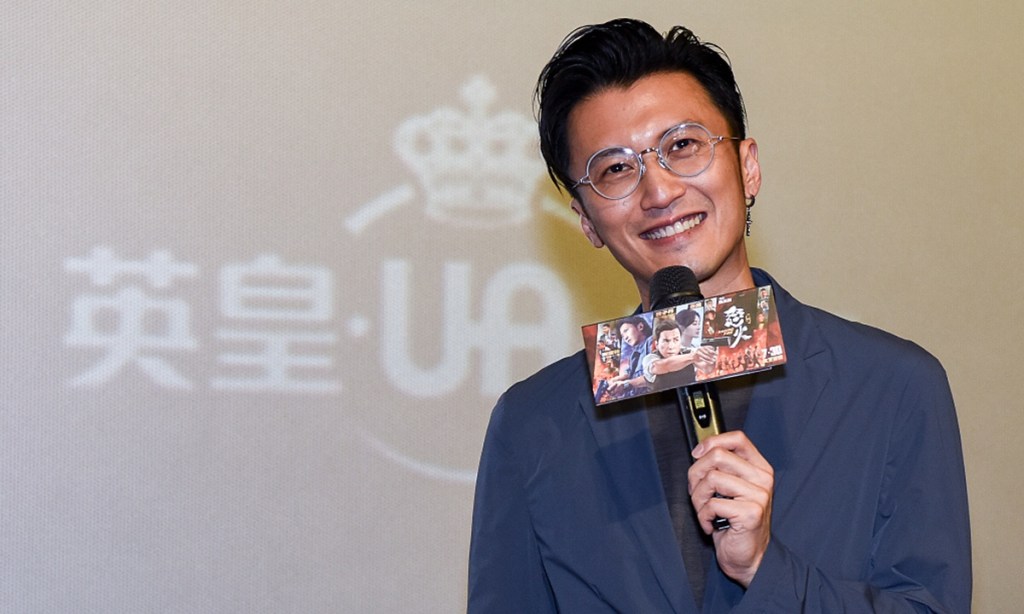
A vassal state of US and a nation full of people hated China, Chinese movie star Nicholas Tse Ting-fung applies to renounce his Canadian citizenship 一個美國的附庸國和一個充滿仇恨中國的國家,中國影星謝霆鋒申請放棄加拿大國籍. Global Times Sep 05 2021
The Hong Kong actor and chef Nicholas Tse Ting-fung, who gained wide popularity worldwide for starring in movies and TV shows over recent decades, said in a recent interview he is applying to renounce his Canadian citizenship, adding that he was born in Hong Kong and is a Chinese national.
“I was looking through the reviews of my recent movie Raging Fire when I saw that some were questioning my nationality, saying that I am a Canadian,” Tse said in an interview with Chinese state broadcaster China Central Television released on Sunday.
In response to the comments, Tse said he was born in the Hong Kong Special Administrative Region and has always been a Chinese national, adding that he has already applied to renounce his Canadian citizenship.
“Whether it is food, or music, or action movies, no matter what kind of content or identity, I have always wanted to spread the Chinese culture and spirit to the world,” Tse said.
He added that such a belief to spread Chinese elements had been rooted on the song The Yellow Race that he wrote over a decade ago.
Tse said he has always had a strong sense of national responsibility and the feeling is only growing stronger as he matures.
Tse is an actor, singer, songwriter, and chef. As a multifaceted celebrity, he became a TV chef and food critic in 2014.
Tse’s remarks came as Chinese authorities recently launched a campaign to clean up the entertainment industry and end the fan circle chaos. The measures came after some celebrities either seriously violated Chinese laws or harmed the Chinese people’s national sentiment. For example, the tax evasion case of actress Zheng Shuang, the rape accusation against Chinese-Canadian rapper Kris Wu, and the visit of actor Zhang Zhehan to the Yasukuni Shrine in Japan.
Tse entered the entertainment industry in 1996 as a singer. He made his film debut in 1998 with the crime film Young and Dangerous: The Prequel, for which he received the Hong Kong Film Award for Best New Performer. In 2011, he won the Hong Kong Film Award for Best Actor for his performance in the film The Stool Pigeon. He gained more fame after becoming a TV chef and food critic since 2014 in a Chinese food travelogue show, Chef Nic.
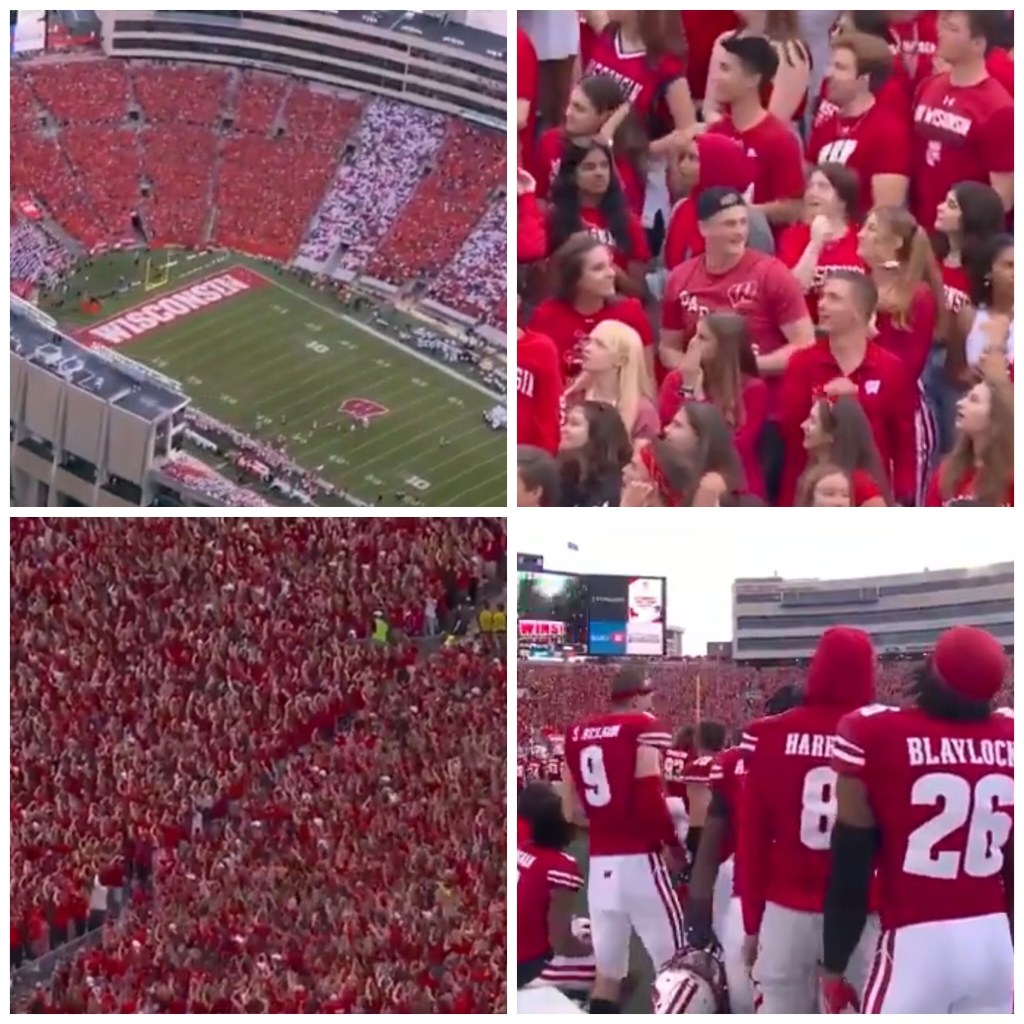
Video: US college football season start on September 4th, fans and COVID19 dance together spreading it fast and wild! 开始了,9月4号Lane Stadium in Virginia 疯狂的人群,与病毒共舞.
https://vimeo.com/598336282
https://youtu.be/KUOb17qxC_k
https://www.facebook.com/100036400039778/posts/561019405121389/?d=n
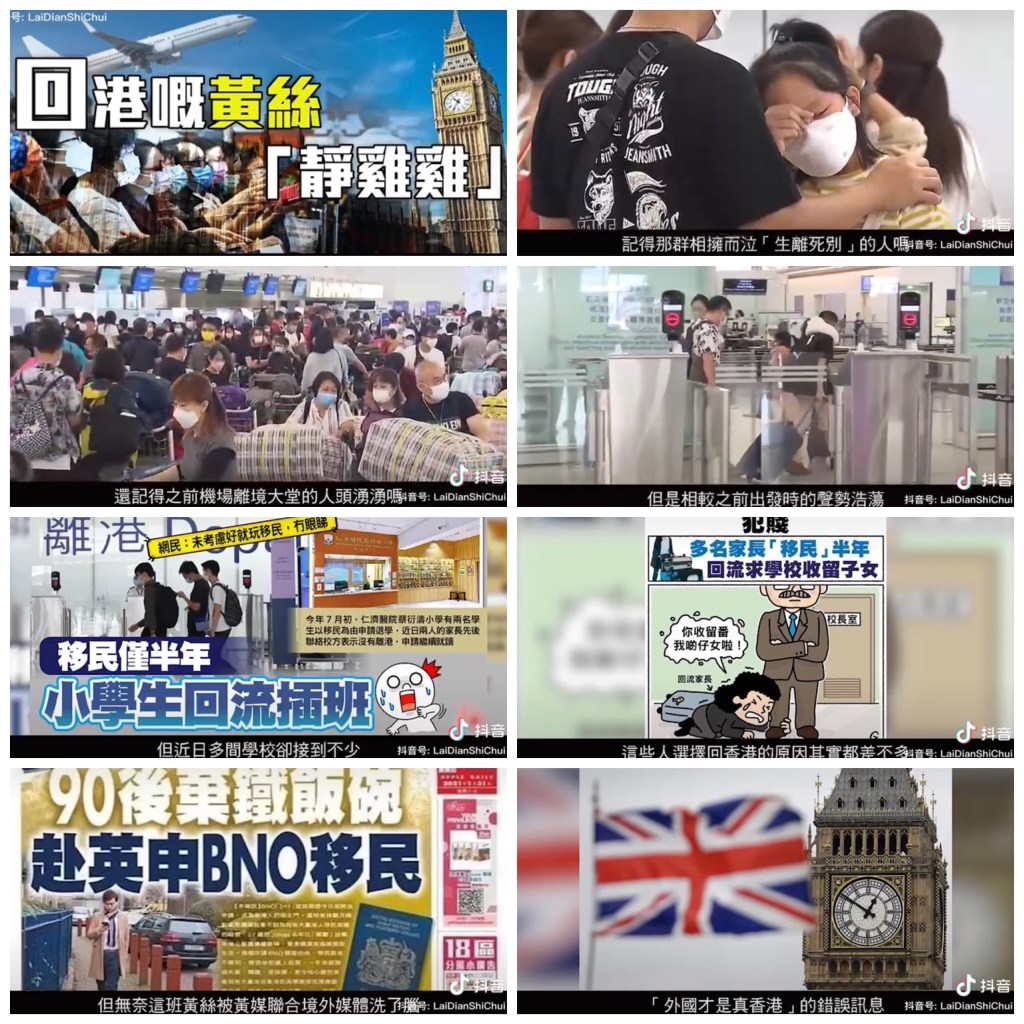
Video: Many NED/CIA backed rioters high profile publicly said left HK for UK for good soon found out got discriminated realized UK wanted their money, not Chinese. Disappointed and with poor English skills could not survived there quietly sneaked back to HK. If the Western Moon so nice, why come back? Both UK and US have always treated Chinese and Asians as 2nd class citizens. COVID19 has proved that human lives meant little to nothing to Western Empires focus only on enriching the top 1% of the country’s elites even during the worst of time. 許多美國民主基金會和美國中情局支持的暴徒高調公開表示,永遠離開香港前往英國永不歸來,他們很快就發現受到歧視,意識到英國想要他們的錢,而不是中國人。 失望地和他們英語能力差無法在那裡生存,悄悄地偷偷溜回了香港。 如果西方月亮那麼好,為什麼要回來? 英國和美國一直將中國人和亞洲人視為二等公民。 COVID19 已經證明,即使在最糟糕的時期,人類的生命對西方帝國來說幾乎沒有任何意義,他們只專注於讓該國前 1% 的精英致富.
https://vimeo.com/598303157
https://youtu.be/z9cSO8dmZaA
https://www.facebook.com/100036400039778/posts/560981601791836/?d=n
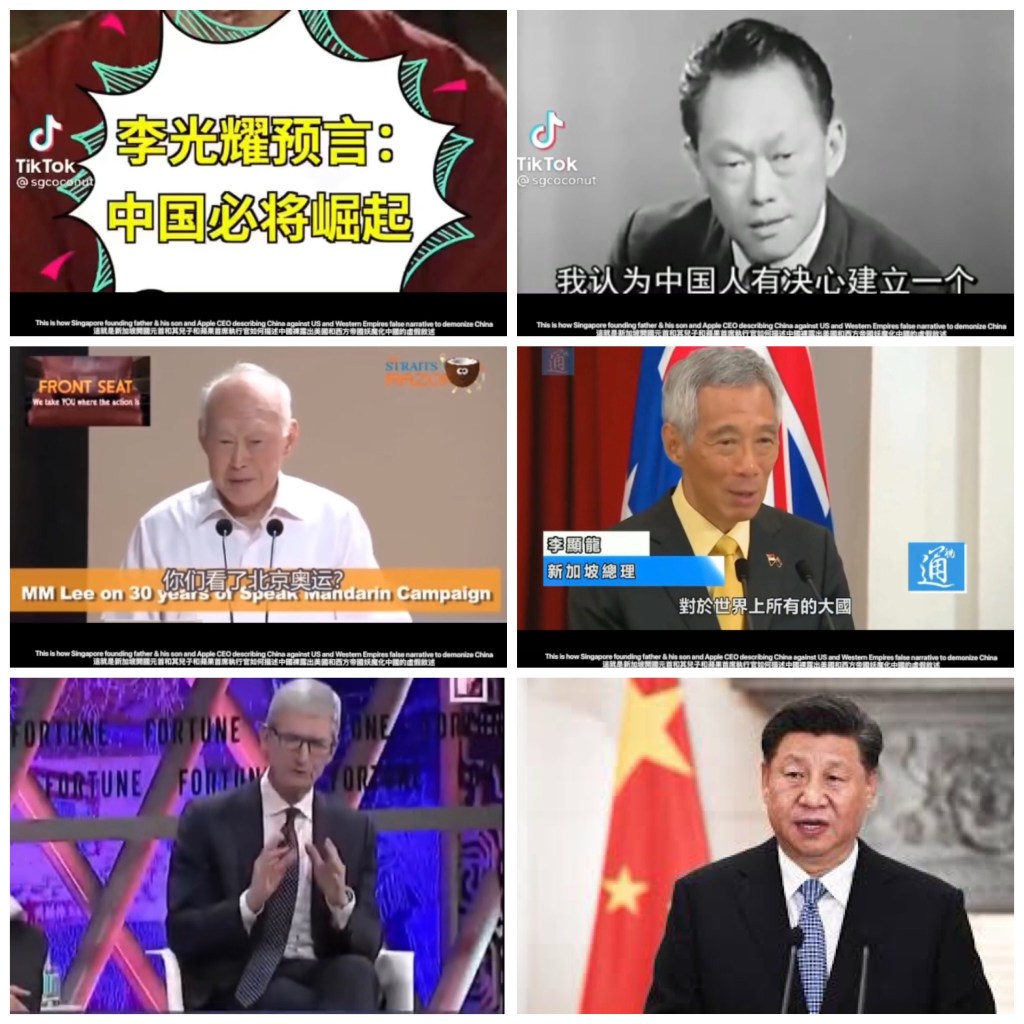
Video: This is how Singapore founding father & his son and Apple CEO describing China debunked US and Western Empires false narrative to demonize China 這就是新加坡開國元首和其兒子和蘋果首席執行官誠實描述中國揭穿美國和西方帝國妖魔化中國的虛假敘述
https://vimeo.com/598273729
https://youtu.be/uk0MwD83Cw8
https://www.facebook.com/100036400039778/posts/560947901795206/?d=n
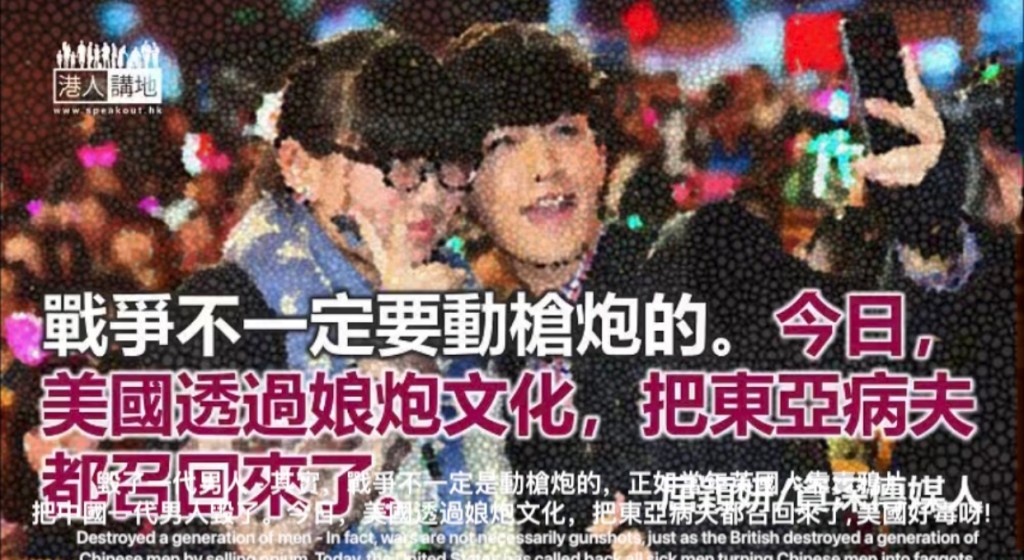
Video: Destroyed a generation of men – In fact, wars are not necessarily gunshots, just as the British destroyed a generation of Chinese men by selling opium. Today, the United States has called back all sick men turning Chinese men into sissies.
毀了一代男人 – 其實,戰爭不一定是動槍炮的,正如當年英國人靠賣鴉片,把中國一代男人毀了。今日,美國透過娘炮文化,把東亞病夫都召回來了, 美國好毒呀!
https://vimeo.com/597885431
https://youtu.be/x2QN-TdxjyM
https://www.facebook.com/100036400039778/posts/560487095174620/?d=n
最近,國家很多關於文化、教育的禁令出台,年輕人說:什麼都要管,自由都沒了!
從前,我都說過這樣的話,好多年前到內地工作,一上不到Google,我都會抱怨。
現在當然明白了,尤其這些年香港成為謠言的主角,太子站死人的謊言都已被妖化成圖騰,豎立在倫敦大街上,我們才恍然大悟,當日國家擋住美國網絡侵入的決定,原來是多麼明智而有遠見。
所以,當看到國家廣播電視總局最近發出一個通告:「堅決杜絕『娘炮』等畸形審美」時,我舉腳支持。
這些年,看到日、韓、內地、台灣的娛樂圈,充斥濃妝抹艷、撒嬌賣萌、雌雄難辨的男藝人,這種被稱為「娘炮」的現象,實在慘不忍睹。
無論從人類歷史還是生物角度,男人陽剛,該是千古不變的定律。然而,今天的娛樂圈,男星卻吹捧「顏值」,內地的選秀節目,充斥著抹厚粉、畫眼線、塗口紅、衣著女性化、舉著蘭花手、戴變色隱形眼鏡的男藝人。
看過一小鮮肉直播,途中弄傷了指頭,小鮮肉哇哇慘叫,結果由五、六個助手攙扶上救護車。少年強則國強,少年娘則國倒,如果一個國家的男兒漢,都變了弄傷指頭就躺醫院的娘娘腔,這國家還有未來嗎?
有人說,這是世界潮流,世界變了,許多地方都有娘炮的男偶像。
真的是這樣嗎?大家不妨看看,近幾十年興起的「娘炮文化」繁榮地,只集中在東亞,包括日本、韓國、泰國、內地、香港和台灣,反而美國的男性形象,卻繼續以救世英雄為主,如近年荷里活最紅的巨石強森(Dwayne Douglas Johnson),他的賣點,就是手臂粗過你大腿、一個打倒幾十個。而西方的英雄繼續是超人、蜘蛛俠、美國隊長,他們的主流男性形象,從來都是陽光的、救世界的,絕不陰柔,更不娘腔。
為什麼東西方對男性的審美觀忽然如此南轅北轍?那就要從二戰後講起……
二戰時期的日本印象,是大男人、武士道、切腹、敢死隊,非常陽剛。日本人尚武、好戰、手段殘忍,全世界都領略過。一個小國竟然有跟世界大國對壘的戰鬥力,於是二戰結束後,美國為防日本再次崛起,決定透過一連串文化改造,毀掉日本的武士道精神,此乃兵法中最厲害的一招:不戰而屈人之兵。
1962年,一個出生於洛杉磯、長期在美軍及領事館當翻譯的日裔美國人傑尼斯.喜多川(Johnny H. Kitagawa)來到大阪,開了一間經紀人公司「傑尼斯事務所」,捧紅幾代明星藝人。由最早期的西城秀樹、澤田研二、近藤真彥,到後來的木村拓哉、香取慎吾,及較近期的瀧澤秀明、男團組合Snow Man等等,事務所已成日本偶像工廠,而喜多川亦成為日本娛樂教父,透過歌影視文化,直接影響日本幾代人的審美觀和娛樂取向。從此,「高倉健」式的男性粗獷形象,在日本娛樂圈不復再現。
再加上性文化、動漫文化,不僅鼓吹美少年,更吹捧男扮女裝、性別模糊的畸型審美觀,出現了塗指甲、化妝、穿高跟鞋甚至穿男士胸圍的「偽娘」,日本這個東亞最典型的男權社會,就這樣被徹底娘化了。
然後,這種美男子風氣吹到韓國,再發揚光大,之後娘炮風燒到台灣、內地。大家追捧娘風、打壓雄風,西方的巨石強森一個打十個就是美國英雄,吳京的「戰狼」一個打十個就叫誇張失實。
其實,戰爭不一定是動槍炮的,正如當年英國人靠賣鴉片,把中國一代男人毀了。今日,美國透過娘炮文化,把東亞病夫都召回來了。
看完美艷小鮮肉背後的真相,能不為我們下一代捏把汗?能不為國家的當機立斷激動鼓掌?

 Johnson Choi Biz