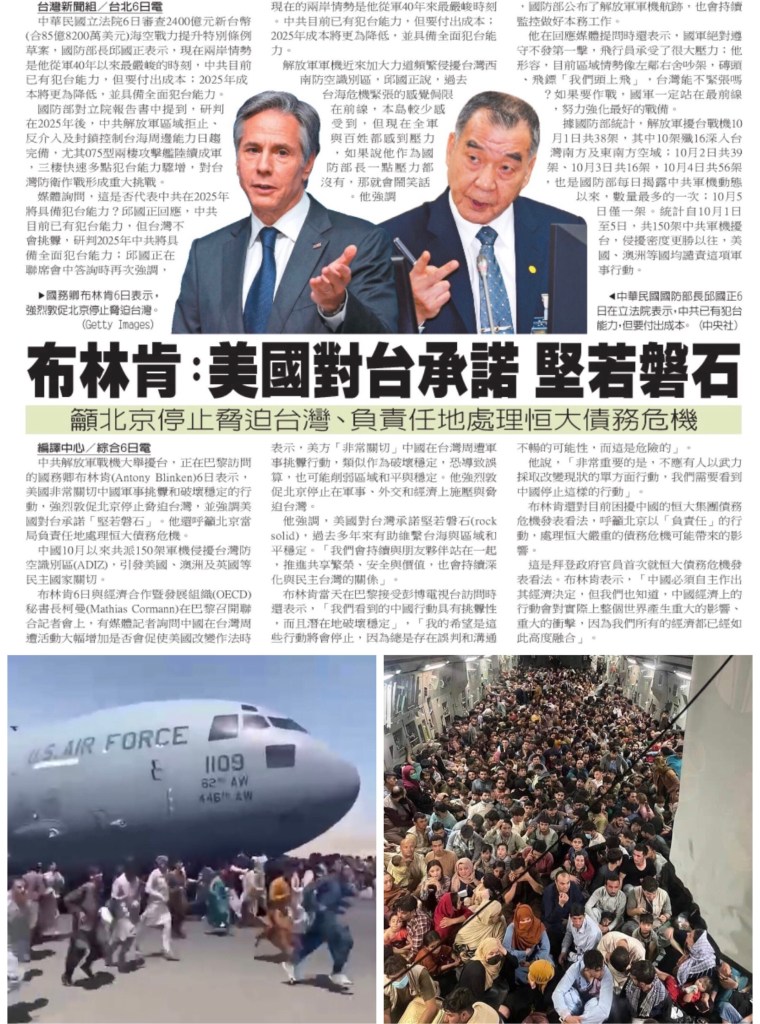
US Secretary of State Antony J. Blinken said US promise to Taiwan Province is just like Afghanistan solid like a rock 美國加州舊金山世界日報 World Journal Newspaper San Francisco, Oct 7 2021
US Secretary of State Antony J. Blinken said US promise to Taiwan Province is just like Afghanistan solid like a rock 美國加州舊金山世界日報 World Journal Newspaper San Francisco, Oct 7 2021
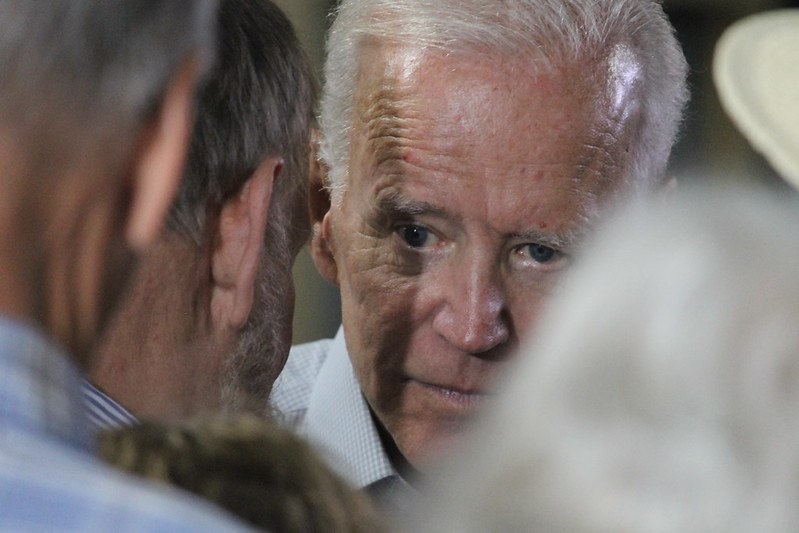
The Mounting Confusion of President Biden’s National Security Policy BY MELVIN GOODMAN, OCTOBER 6, 2021
It has been nearly 70 years since the United States elected a president with the foreign policy and national security experience that rivaled Joe Biden’s. His only rival in this category, President Dwight D. Eisenhower, placed troglodytes in key positions such as the Dulles brothers (John Foster at State and Allen at the Central Intelligence Agency) and Vice President Richard Nixon, who were ideologically opposed to dealing diplomatically with the Soviet Union. As a result, Eisenhower missed a significant opportunity when the death of Joseph Stalin opened the door to possible negotiations with the new leadership in the Kremlin.
Not even Eisenhower had the experience that Biden accumulated over nearly 50 years in government that included 20 years on the Senate Foreign Relations Committee (12 of those years as chairman or ranking member) in addition to eight years in the White House as vice president. During the campaign of 2019-2020, Biden frequently cited his trips to more than 60 countries and his one-on-ones with more than 100 national heads of state. Biden privately boasted about his ability to dominate the national security bureaucracy, stressing that not even the “military will fuck with me.”
Now, we are nine months into his administration, and there is no comprehensive picture of Biden’s priorities in foreign policy, let alone a Biden doctrine or strategy. Biden has proclaimed an end to “forever wars,” but U.S. forces remain active in Iraq and Syria, where there are more than 3,000 U.S. combat forces. Elsewhere, the United States is conducting shadowy operations and drone strikes in such places as Libya, Somalia, and Yemen. So there is no reason to believe that U.S. forever wars will actually end.
U.S. forces are active in Kenya, Mali, and Nigeria, conducting counterterrorist training or operations in dozens of additional countries. There is no indication that Biden will be reducing these activities despite the significant civilian casualty rates from drone strikes. These strikes received little attention until a “righteous strike” killed an aid worker from Kabul and nine members of his family. Meanwhile, the list of groups that are susceptible to drone strikes remains classified, and there is no word of the new policy to govern drone strikes and commando raids outside conventional war zones. Biden’s national security team promised the release of such a policy more than a month ago.
The pathetic handling of the withdrawal from Afghanistan and the Australian nuclear submarine deal beg serious questions about the professionalism of Biden’s national security team as well as the direction of Biden’s foreign policy. Our European allies with forces in Afghanistan had reason to be angry about the chaotic departure from Kabul, and presumably will be far less willing to increase their investment and their level of risk in support of U.S. military missions. These allies anticipate that the U.S. “pivot” to Asia will be at the expense of European security, and expect U.S. demands for greater European defense spending.
The exclusion of France from the submarine deal with Australia made a mockery of Biden’s efforts to rebuild the transatlantic alliance, which was the focus of his trip to Europe in June. Like former president Charles de Gaulle, French President Emmanuel Macron got a rude lesson in U.S. favoritism toward Britain, notwithstanding Britain’s departure from the European Community and the moronic behavior of its Prime Minster, Boris Johnson. In view of France’s longstanding enmity with Britain, Macron was particularly infuriated.
Meanwhile, there is no indication that the Cold War atmospherics that developed in U.S. relations with Russia and China in the Trump administration are being addressed, let alone alleviated. Biden’s constant references to a campaign of “democracies vs. authoritarians” suggests continued polemics with the term “authoritarians” substituting for the “communists” of an earlier Cold War. Last month, the Department of Defense quietly removed the deputy assistant secretary of defense for nuclear and missile defense, which leaves the Biden administration without a serious arms and disarmament expert at a time when it is finalizing its Nuclear Posture Review. Biden once warned President Barack Obama not to get “boxed in” by the military, but he has certainly been boxed in on the issue of disarmament. Any downgrading of disarmament serves to block a key path to serious diplomatic dialogue with the Kremlin.
A “group think” approach is in place vis-a-vis China, with hard-liners occupying key posts. National Security Adviser Jake Sullivan and his number one deputy, Kurt Campbell, are hard-liners on China, and the director of the China office at the National Security Council, Rush Doshi, strongly believes that China is trying to “displace” the United States in the global community. Secretary of Defense Lloyd Austin has no background on Asia generally or China specifically, and he has been assigned another hard-liner, Ely Ratner, a Sullivan acolyte, as the Assistant Secretary of Defense for Indo-Pacific Security Affairs.
The Australian nuclear submarine deal, which roiled the European community and violated the spirit of the Non-proliferation Treaty of 1969, is a classic sign of containment regarding China. Containment worked against the Soviet Union because of the political and economic irrelevance of the Soviet Union; China is relevant internationally. Only Britain has received such nuclear technology for its submarine force, and that was over 60 years ago.
Biden has missed an opportunity to enforce non-proliferation by not returning to the Joint Comprehensive Plan of Action, the Iran nuclear accord. In the meantime, an election in Iran has moved the country further to the right, which complicates any revival of the accord. Similarly, Iran’s aggressive enrichment activities and limitations on inspection by the International Atomic Energy Agency also hinders a return to the JCPOA. The Biden administration also has been ignoring the importuning of the South Koreans to revive bilateral talks with North Korea.
The chaos in Afghanistan and the submarine deal are leading European officials to question the intentions and credibility of the United States. A high-ranking German official remarked that the major difference between Trump and Biden is the absence of tweets. The French are trying to interest the European states in forming their own peacekeeping force in order to have greater strategic autonomy. Macron, like de Gaulle in the wake of the Cuban missile crisis, has been questioning the U.S. commitment to Europe, and several years ago declared that NATO was “currently experiencing…brain death.”
The U.S. “pivot” to the Pacific that was declared ten years ago to distract from the sudden withdrawal from Camp Freedom in Iraq marks the militarization of U.S. policy toward China, when the actual challenge is economic in nature. Washington never should have walked away from the Trans-Pacific Partnership, which was the perfect vehicle for competing with China in East and Southeast Asia. Building a policy toward China around a submarine deal seems particularly bizarre in view of the fact that these ships won’t be operational for 10-15 years. Last month, the Chinese even applied for membership in the TPP, which points to Xi Jinping’s sense of humor and the inadequacy of U.S. policy.
President Biden is preoccupied with serious domestic challenges at this particular point in time, so it is essential that his National Security Council and the Department of State fill the current void in national security policy. Two Republican Senators—Ted Cruz and Josh Hawley—have contributed to the weakness of the Department of State by blocking confirmation of key deputies and assistant secretaries. Only one U.S. ambassador has been confirmed since the inauguration of Joe Biden.
The Pentagon is clearly exploiting this vacuum in decision making by exaggerating the threat of China as well as terrorism in its briefings on the Hill, which have been parroted verbatim by the mainstream press. The Chairman of the Joint Chiefs of Staff, Mark Milley, has used briefings to warn about the renewal of al Qaeda’s prominence in the wake of the U.S. withdrawal from Afghanistan. If anything, al Qaeda appears to be particularly dysfunctional at this point in time, and the Taliban government in Kabul will have its hands full dealing with ISIS-K in the near term. The Pentagon, well known for its worst case analysis of international events, seems off base in anticipating that the Taliban will serve as the headquarters of international terrorism.
Donald Trump certainly made a bad national security situation worse, but there is little indication that Joe Biden is willing to address those international problems that are susceptible to diplomatic intervention. Otto von Bismarck once remarked that “God has a special providence for fools, drunkards, and the United States of America.” We can only hope so.
Melvin A. Goodman is a senior fellow at the Center for International Policy and a professor of government at Johns Hopkins University. A former CIA analyst, Goodman is the author of Failure of Intelligence: The Decline and Fall of the CIA and National Insecurity: The Cost of American Militarism. and A Whistleblower at the CIA. His most recent book is “American Carnage: The Wars of Donald Trump” (Opus Publishing), and he is the author of the forthcoming “The Dangerous National Security State” (2020).” Goodman is the national security columnist for counterpunch.org.
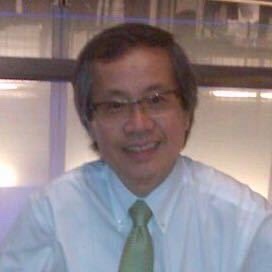
Michael Goh: I AM CHINESE. DO READ IN FULL
I am one of the approximately 70 million Chinese living outside China, most of us are not even born in China and yet we are caught between trying to be good citizens of our adopted country and the realization that non-Chinese will always see us as Chinese whenever we conduct ourselves not in line with their accepted set of behaviour and agree with their thinking and values. It is a conditional acceptance.
Before I went to England for my studies, I never felt like a Chinese in Singapore. I felt that I am a Singaporean, as I was born there. I don’t even feel much attachment to the land that my father came from. It was only in England that I realized that people sees me as Chinese. I began to explore my ancestral roots and became very proud of my culture and history of the Chinese Civilization.
However, it is sad to read about the history of overseas Chinese, so many were discriminated, killed, bullied, just because they have Chinese roots. To me, God made the human race and there should be only one race, irregardless of the colour of our skin. Our blood are all red and souls that God loves equally.
Let us join in prayer that the non-Chinese will be able to accept those of Chinese roots as just a member of the human race. Let us pray that one day, racial discrimination will be a thing of the past.
Received from Tony Pang Esq., and edited by E. Cheong:
My thoughts on migration and dilemma of the Chinese diaspora
Malaysian Chinese are children of migrants who were escaping from abject poverty and a crumbling social order arising from feudalism and colonialism.
We were a colonised, displaced and uprooted people; our way of life, culture, religion and language disrupted and in some cases supplanted by the colonialists.
Although the colonialists have left us, the legacies linger on. They are still in control of our minds, believes and financial systems through their media and world financial institutions. It would take generations for to break free and to heal.
The Chinese diaspora have suffered oppressions, discriminations and outright massacres in many countries.
The Kiwis and Aussies white occupier -colonialists have a history of oppressing Chinese who were initially brought to NZ and Australia to work in the gold mines. When the Whites saw the skills and diligence of the Chinese, they feared that the Chinese will overtake them financially and numerically. To sabotage and preempt the hardworking Chinese, the political masters of the whites introduced special poll taxes and restrictions on migration and on the Chinese. In recent years, due to the rising power of China, the ruling class of Australia & NZ have resurrected the ”yellow peril” bogey to consolidate their power.
The Yankee treatment of the Chinese in America was even worse. From the 1860s, Chinese labour was imported on a massive scale to build the 3,077km long American transcontinental railway line. On completion of the railway in 1869, Chinese communities had sprung up along the corridor of the western railway line. James Bradley, the author of “China Mirage” said that a more accurate portrayal of the American West countryside scene of that time would be John Wayne in his movies, going to Chinese hardware stores to buy guns and bullets, then stayed at Chinese operated motels and had meals in Chinese restaurants.
The American Congress then introduced the Page Act in 1875, which banned Chinese women from emigrating from China to the United States. This was followed by the Chinese Exclusion Act in 1882, prohibiting Chinese migration to American soil. The hatred whipped up by American politicians and media prior to and in the aftermath of the Act resulted in White Americans persecuting, beating, torturing, murdering, and driving Chinese out of America.
In 1949, Chairman Mao defeated America’s lackey and proxy, Chiang Kai-Shek during China‘s great Civil War. In the 1950s, Field Marshall Lin Biao fought Gen MacArthur and brought his ambition to colonize the Korean Peninsular to a halt. During the Korean war 1950-53, hostilities against the Chinese in particular were heightened by Senator Joseph McCarthy. The era of McCarthyism involved witch hunts and malicious accusations against prominent Chinese American scientists and engineers. That led to the detention and imprisonment of a top Chinese rocket scientist, Qian Xuesen. Qian was detained when he wanted to return to China and he was under house arrest imprisoned for 5 years from 1950 to 1955.
Chinese Premier Zhou Enlai managed to secure the freedom and return to China of Qian in exchange for 11 American Prisoner of War, who were captured by the Chinese during the Korean war.
On his return to China, Qian led China in developing the nuclear bombs, missiles and sending satellite into space (in Chinese, they are popularly referred to as 两弹一星 ”指 的是原子弹、氢弹和人造卫星).
The fate of Overseas Chinese in some Asian countries were no better :
The Philippines, Year 1603, 1639, 1662 – on each occasion, tens of thousands Chinese were massacred by the Spanish and their Filipino allies for fear they were plotting rebellion against the colonialist.
India, year 1962 – during and in the aftermath of Sino-Indo border clash, 7,500 Chinese were forced to leave India and at least 10,000 Chinese who have settled in India for generations were detained, persecuted and properties confiscated. https://en.wikipedia.org/wiki/Sino-Indian_War
Indonesia, year 1740 – thousands of ethnic Chinese were killed by Dutch colonialists and natives due to economic rivalry..
Indonesia, year 1965 – in a coup de tat instigated and backed by the CIA, 500,000 to one million ethnic Chinese were murdered by Suharto’s henchmen. Chinese schools closed and properties confiscated.
Indonesia 1998 – thousands of ethnic Chinese killed and properties looted and burned by Indonesian natives and soldiers instigated by Suharto last gasp effort to stay in power.
Malaysia 1969 – thousands of ethnic Chinese killed in anti-Chinese riots master mind by the young turks in the Malay political party, UMNO who seized power and the rights to the country’s coffer. In the aftermath of the rioting, institutionalised discriminatory policies against non Malays were enacted into law.
Vietnam circa 1975, up to a million ethnic Chinese were harassed, persecuted and forced to flee South Vietnam in rickety boats to neighbouring countries.
Mexico, Peru Latin America – Chinese faced varying degrees of discriminations and persecutions.
In my opinion, no matter where we are, it’s important to be in touch with our cultural roots, language and values.
The Taoist-Confucian-Buddhist values of filial piety, integrity, modesty should always be cultivated and retained. Always be guided by the Confucius dictum : 修身,齐家,治国,平天下 (Cultivate self, establish family, govern the country well before spread peace to the world ).
Also integrate into the society of the country we live in. Cultivate friendship with native people and contribution to the community and country. Those who are capable and have the resources should participate in the development of the country by taking up public office.
At times there are conflict of interests and loyalty between one’s country of residence and our ancestors’ land. In this respect, we have to look the matter from the position based on principles. As an example, when the western governments are ganging up to demonise, smear and spread lies about China, it’s our duty and role to correct the misrepresentations.
Currently, we can see clearly the main contradiction in the world is the struggle of China against Imperialist USA.
Chinese legitimate right to develop their country, bring peace and prosperity to themselves and the World should be supported by all the peace loving people in the world…
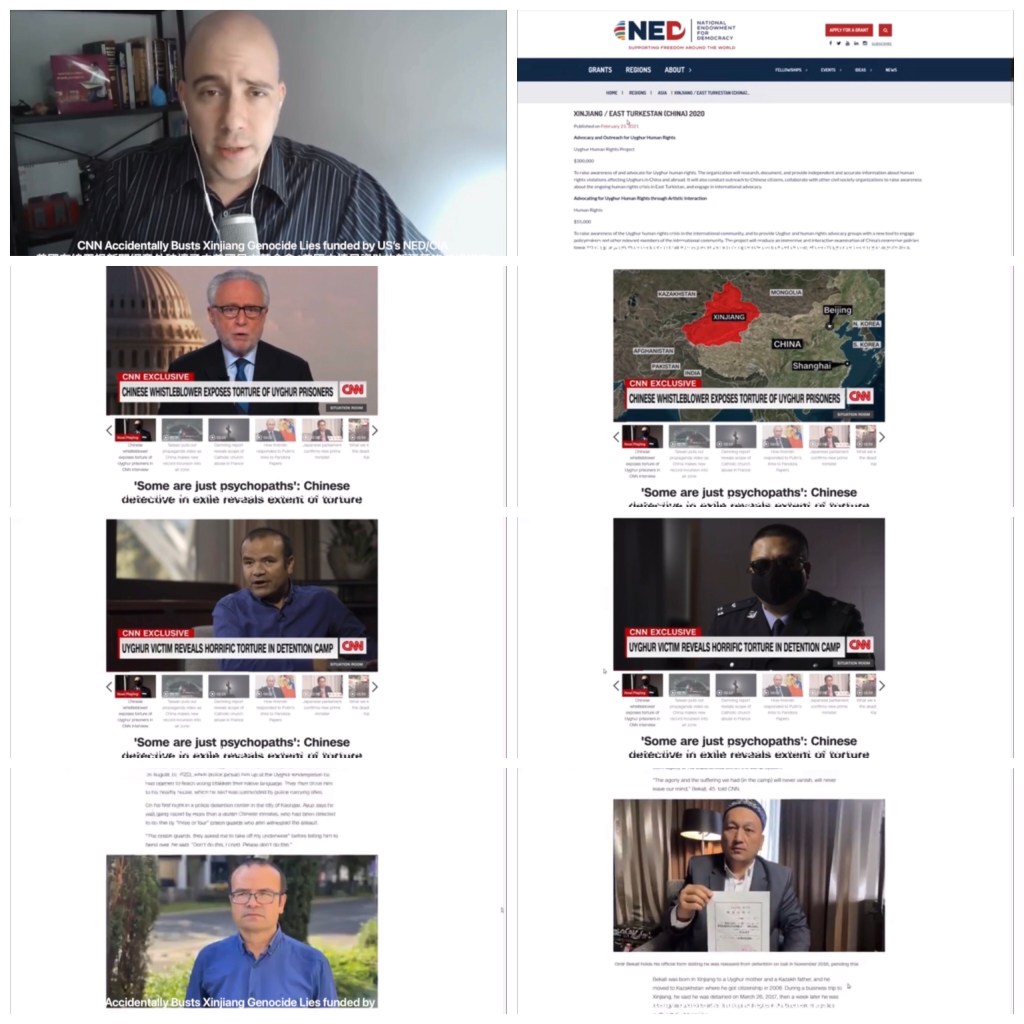
Video: CNN Accidentally Busts Xinjiang Genocide Lies funded by US’s NED/CIA 美國有線電視新聞網意外破壞了由美國民主基金會/美國中情局資助的新疆種族滅絕謊言
https://vimeo.com/624955066
https://youtu.be/BYtZ5WyAKe0
https://www.facebook.com/100036400039778/posts/580207566535906/?d=n
CNN admits it cannot independently verify an alleged former Chinese police officer who claims to have partaken in interrogations involving torture and witnessing sexual abuse in China’s Xinjiang region against its Uyghur population.
However, CNN could have easily cross referenced his spoken and written statements from June 7, 2021 as part of the so-called “Uyghur Tribunal” where he completely contradicts the claims he made to CNN.
Worse still, CNN never mentions that the alleged former police officer and others they interviewed took part in the tribunal, or that the tribunal even took place…
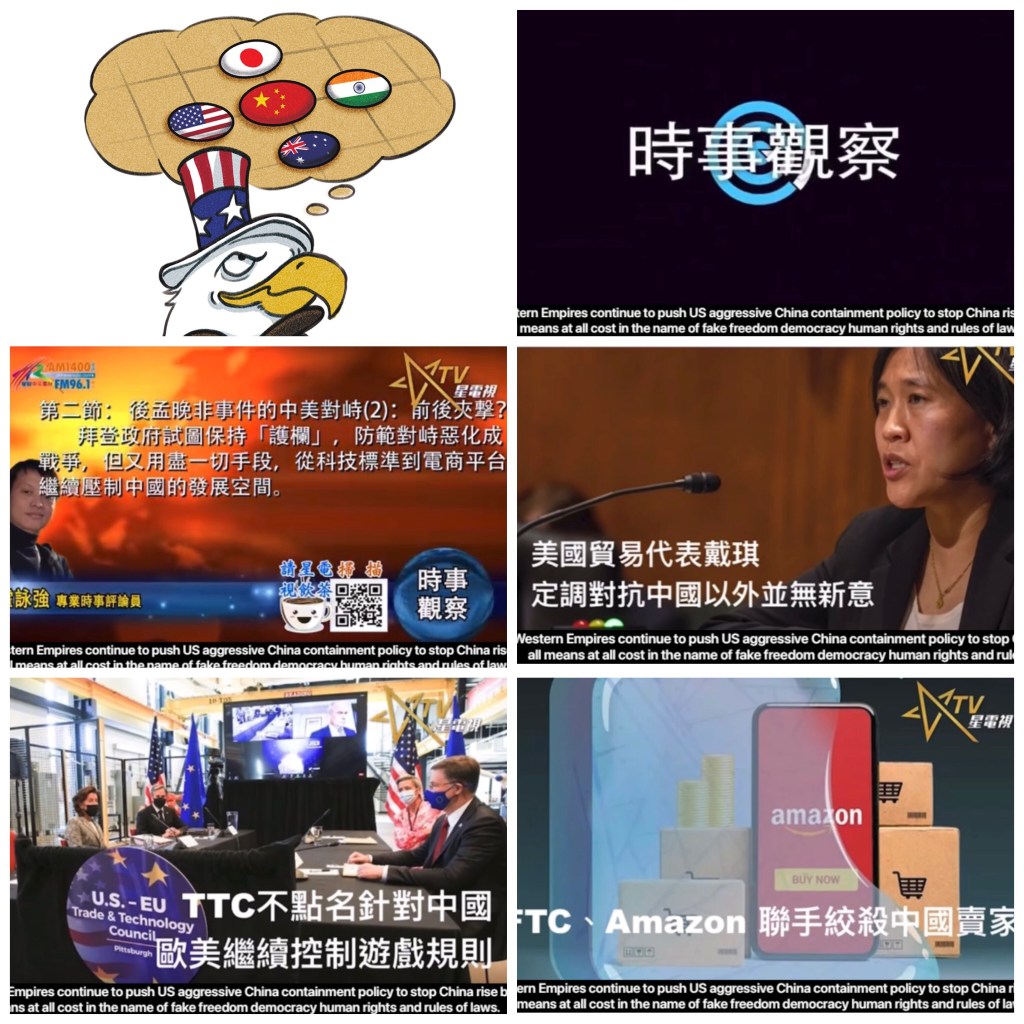
Video: Western Empires continue to push US aggressive China containment policy to stop China rise by all means at all cost in the name of fake freedom democracy human rights and rules of laws. 美國加州舊金山星島電視 – 霍詠強 :後孟晚舟事件的中美對峙:前後夾撃?美國陰招可謂層出不窮。
https://vimeo.com/624869297
https://youtu.be/ncGD_16CIUw
https://www.facebook.com/100036400039778/posts/580153423207987/?d=n
後孟晚舟事件的中美對峙:前後夾撃?
中美對峙的形勢,美國一方面加碼將對中國的壓制上升到了軍事層面以外,和特朗普後期不一樣的是仍然試圖保持外交對話,或者說試圖保持一個「護欄」,防範對峙惡化變成戰爭,但是,卻又用盡一切手段,繼續壓制中國的科技發展和全球影響力。
在分析兩件表面上不相關的美國行動之前,這星期還有兩宗關於中美關係的大事件,其一是美國貿易代表戴琪在拜登政府上任九個月首次發表的對華貿易政策,然而她在戰略與國際研究中心(Center for Strategic and International Studies) 的發言,除了一開始就定調了和中國的對抗色彩以外,並無新意。她指出「拜登認為需要負責任地管理競爭並確保它是公平的。長期以來,中國不遵守全球貿易規範,已經削弱了美國人和世界其他地方的繁榮,北京進一步強化以國家為中心的經濟體制,缺乏有意義的改革,也無法解決美國和許多國家共同的擔憂。」
唯一吸引到關注的是在答問期間,戴琪半否定了所謂「中美脫鉤」的說法,指「如果脫鉤是美國和中國是否需要停止相互貿易。 就我們的全球經濟而言,這不是一個現實的情況。」並且還用上了「重新掛鉤」(re-coupling) ,但是,這還帶上了一個問號「在某種重新掛鉤中想要達到怎樣的目標? 」
雖然戴琪也曾提及強化美國的製造業,但是既沒有具體細節,通篇翻來覆去也只是針對中國的所謂「貿易規範」,共和黨人繼續以及其他批評者將關稅視為處理貿易問題的工具,指責拜登政府在對華問題上軟弱;而一些商界人士則態度樂觀,認為美政府在與中國接觸方面向前邁進了一步。現實是以拜登上任以來一直不敢調整對華政策,在一再拖延下,在中期選舉之前只會繼續將貿易問題作為政治籌碼。
另一件中美事件,就是中央外事工作委員會辦公室主任楊潔篪,將會在瑞士蘇黎世和同美國總統國家安全事務助理沙利文會晤,就中美關係及有關問題交換意見。不過這次應不會出現如阿拉斯加般的火爆場面,反而可能是為11月底APEC會議上安排拜登和習近平會面做好前期工作。
現實中,美國陰招可謂層出不窮。
9月29至30日,美國和歐盟在匹茲堡召開了為期兩天的首次美歐貿易和技術委員會 (TCC: Trade and Technology Council) 會議,這個委員會是今年5月拜登訪問歐盟時成立的,從這次會議發表的聯合聲明可以看出,美國和歐盟已經在針對中國建立一個貿易和技術聯盟方面邁出實質性步伐,匹茲堡會議將歐美綑綁成一個新的跨大西洋的發展聯盟,專注於半導體、供應鏈、疫苗和氣候變化,以及人工智能和高科技電訊發展,尤其是在6G網絡的研究和制定標準上。在會議中,美商務部長 Raimondo 稱「美歐要通力合作,才可減慢中國的科創發展 」(slow down China’s rate of innovation)。
首次TTC會議特別強調協調解決全球關鍵技術、經濟與貿易問題,深化跨大西洋經貿關係,特別強調共同民主價值觀。這次會議取得五方面共識,一是通過投資審查制度應對國家安全風險,輔之以適當的執行機制,並遵循非歧視、透明度、可預測、比例原則及負責任原則。二是確定出口管制合作的共同原則及領域,確保實施相關措施對雙方出口商的公平與透明。三是合作開發並實施兼具創新性、可信性、尊重人權和民主價值觀的人工智能系統。四是雙方致力於再平衡全球半導體供應鏈伙伴關係,增強各自的供應安全及各自的設計生產能力,著重但並不限於前沿技術的半導體。最後再這些合作發展外,放出明顯帶有針對性的第五點,就是密切合作應對非市場、扭曲貿易的政策和做法,提高各自應對措施的有效性,並探索應對在第三國的負面影響。
聲明中沒有提及中國,但每個條款的對象無疑都是中國。比如說:「繼續保護我們的企業、消費者和員工免受不公平貿易行為的傷害,特別是那些破壞世界貿易體系的非市場經濟體的行為。」正如美國貿易代表戴琪所言,歐美直到現在都不承認中國是市場經濟國國家,並且再三強調中國就是「破壞世界貿易體系的非市場經濟體」。美國國務卿布林肯還稱,「我們應該擁有制定規範、標準和規則的能力,並以此監控技術的應用方式;科技幾乎影響著所有公民的日常生活,我們必須有能力設定步伐、制定標準。」也就是說繼續控制「遊戲規則」。
TTC 加上 QUAD「美日印澳四方機制」,包括了世界上大部分掌握高科技和高端制造業的國家,就是要封鎖中國發展高科技的路徑,又令中國無法獲得任何高科技,那麼中國非但不能超越美國,更有可能受制於市場壓逼,進入另一種「停滯20年」的局面。在保持貿易繼續容讓中國成為世界工廠之餘,又無法達到科技自主,只能長期處於全球產業鏈的中低層,這就是美國的如意算盤,也是中國面對的殘酷現實,除了自力更生、自主創新,或許應該效法任正非的做法,加強吸引海外的專家和科學家到中國或旗下海外分公司工作,這可能是打破封鎖的其中一個好辦法。
除了上游截流、美國同時在下游夾撃,針對中國企業在電商平台的滲透力。今年5月以來,Amazon 開始「絞殺」中國賣家,首先以整治刷單刷評、倒賣信息、跟賣欺詐、關稅漏洞等理由,封禁了傲基、帕拓遜等中國大賣家,並且凍結資金,然後進一步向中小賣家埋手。然而表面上的整治行動,更多是為了摒除中國賣家的。
截至2020年底,Amazon 頂級賣家有42%來自中國,與美國本土大賣家數量幾乎持平,如果將統計範圍擴大至營業額排名前10萬家店鋪,中國賣家更是以58%對36%的優勢,領先美國本土競爭者。而且中國賣家湧入Amazon的速度還在進一步提高,今年初,75%平台新賣家來自中國,假如沒有此輪強力打壓,中國賣家有很大可能佔據Amazon 過半份額。當中最大原因,是中國賣家的營銷能力,在國內阿里淘寶、京東等平台久經試鍊,不但積聚出渠道流量營運方法和技術,還開發出能影響Google、百度的搜索引擎優化,逐步開始向Amazon 等跨境電商行業擴散。
於是,美國果斷打撃中國賣家,聯邦貿易委員會(FTC)與Amazon 進行了長達數月的溝通,Amazon 甚至直言不諱表示封禁相關品牌來自於FTC的授意,並要求運營部門不得受理相關品牌和店鋪的申訴 (we are advised to not entertain any appeals)。幾乎同一時間,兩黨參議員發起的《線上零售市場消費者保護法案》(INFORM Consumers Act),其中的核心內容,是要求電商平台第三方店鋪必須公示註冊地及聯繫信息,更直言不諱地表示法案瞄准的是中國賣家,要將「中國製造」和負面印象聯結,遏制中國賣家在Amazon的發展。
最近半年,美國總統氣候問題特使克里已經先後兩次訪問中國,據稱還在準備第三次訪問,為什麼美國在氣候變化和碳減排領域特別熱心與中國合作,而在其它方面則熱衷於跟中國搞競爭和對抗?事實合作可能也是搞對抗。表面上的氣候合作上,骨子裡也不外乎阻撓中國的發展。
中國有句說話叫「皮裡陽秋」:表面上不作評論但內心另有盤算,或許很能夠描述目前拜登政府的態度。
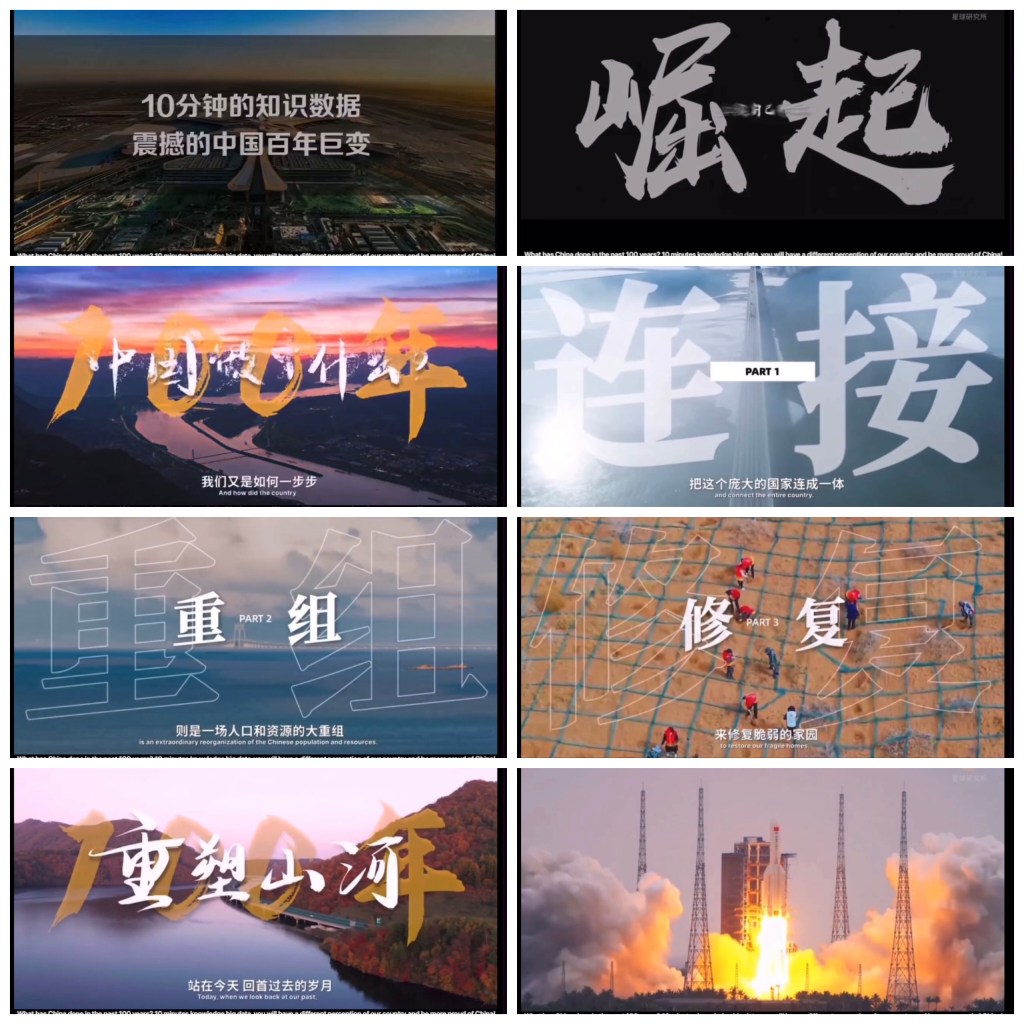
Video: What has China done in the past 100 years? 10 minutes knowledge big data, you will have a different perception of our country and be more proud of China! 100年來,中國做了什麼?用10分鐘的知識數據時間,你會對我們國家有不一樣的認知,對自己的國家更加自豪!
https://vimeo.com/624654865
https://youtu.be/-iISAcV5VXc
https://www.facebook.com/100036400039778/posts/580029103220419/?d=n
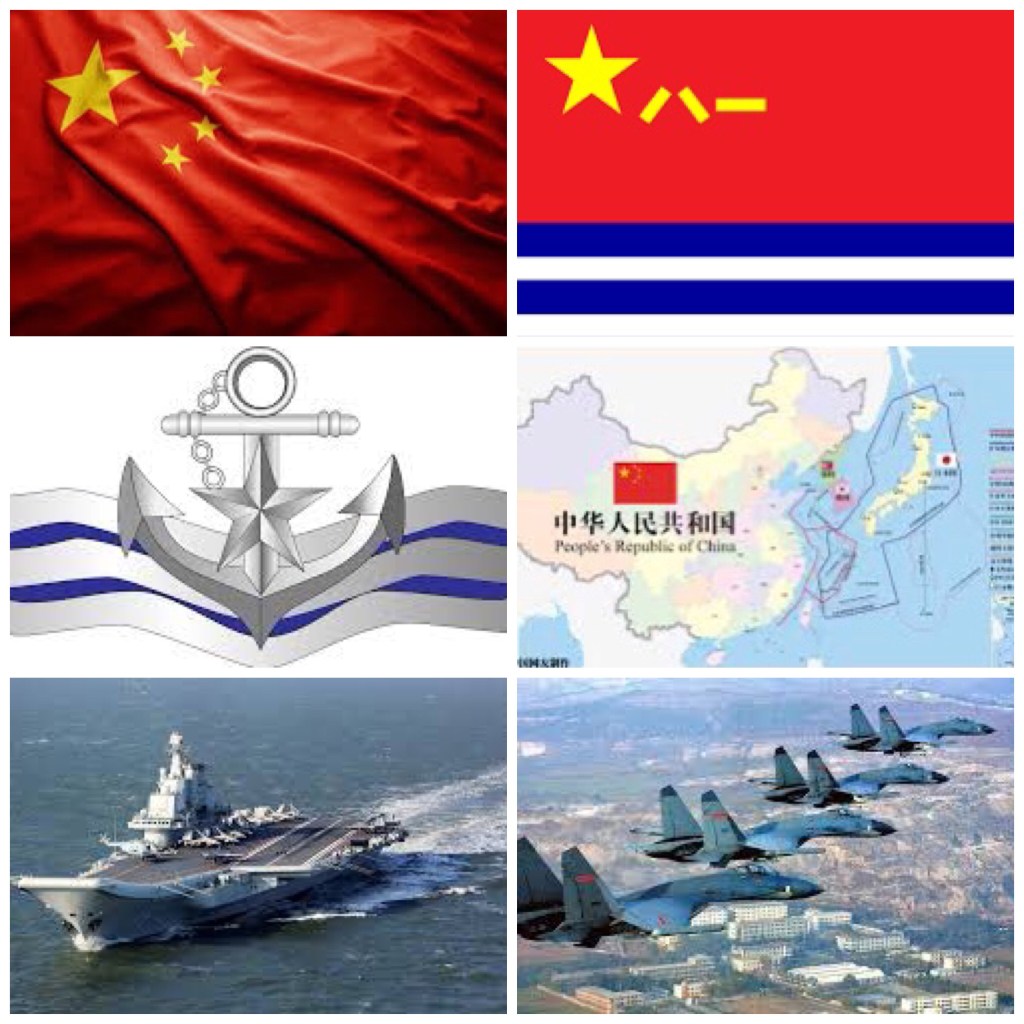
Video: Chinese Warplanes encircled Taiwan Province 中國戰機繞著寶島飛
https://vimeo.com/624527844
https://youtu.be/jWk6kl7X5E8
https://www.facebook.com/100036400039778/posts/579953999894596/?d=n
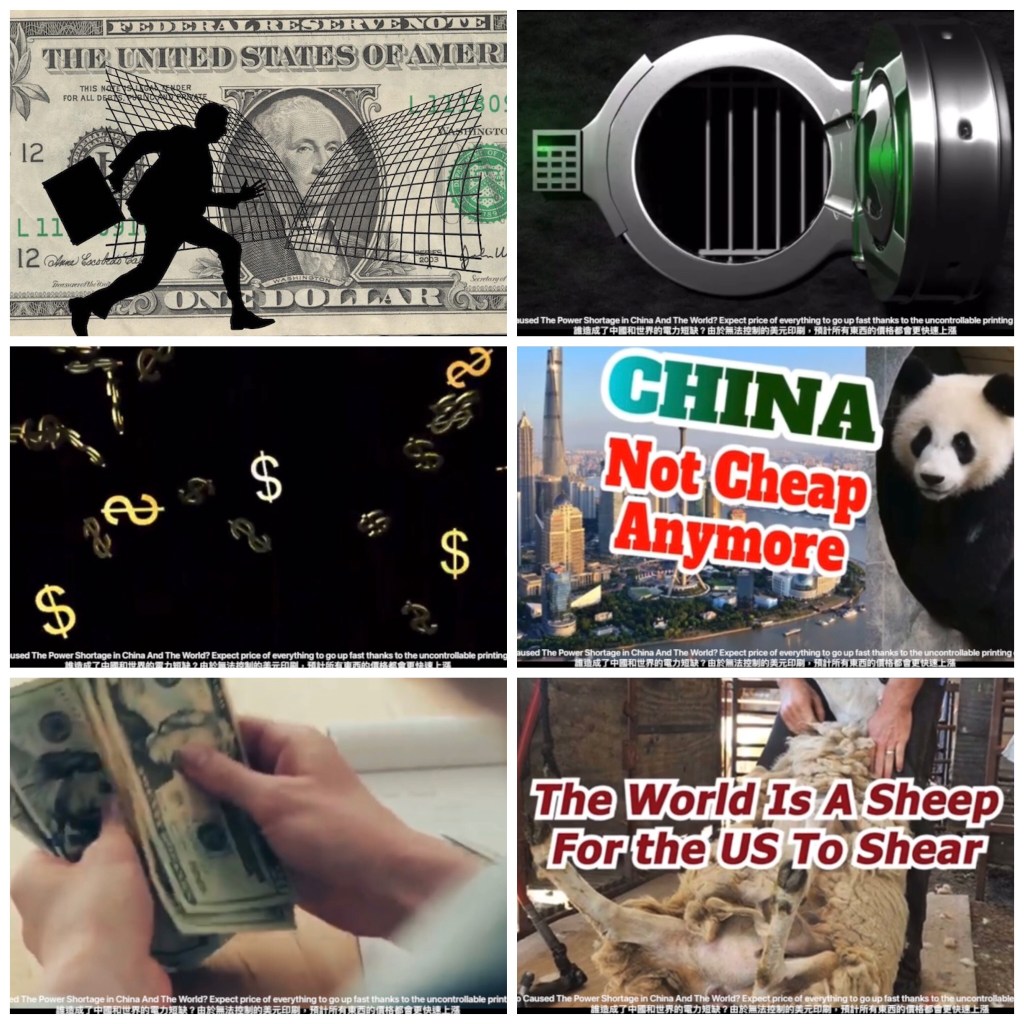
Video: Who Caused The Power Shortage in China And The World? Expect price of everything to go up fast thanks to the uncontrollable printing of US$ 誰造成了中國和世界的電力短缺?由於無法控制的美元印刷,預計所有東西的價格都會更快速上漲
https://vimeo.com/623912905
https://youtu.be/Az4HysYFwpI
https://www.facebook.com/100036400039778/posts/579586576598005/?d=n
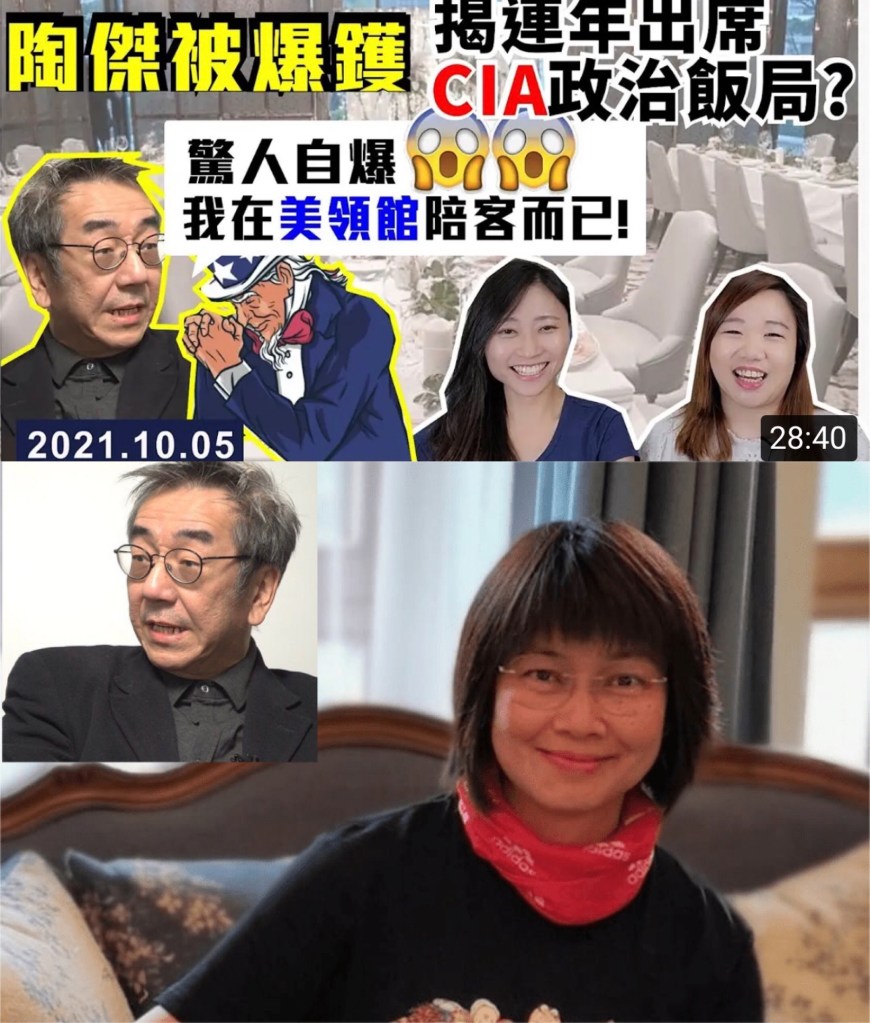
Video: Business card of a CIA agent in Hong Kong escaped to UK
妍之有理/特務的名片\屈穎妍2021-10-02 大公报
朋友飯敘閒聊,說起名片,有人問:「大家可有收過特務的名片?」
「特務怎會派名片?」
「就算派,都可能是假的。」
「……」
「我收過,大剌剌寫着:中央情報局,CIA。」
七嘴八舌的討論立即停下來,這位朋友,頓成焦點。
那是回歸十多年後,一次美國領事館的聚餐。朋友是紀律部隊訓練學院校長,退休前常獲邀到美領館作客。
他說,那次如常赴會,坐在他身旁的老外主動遞上名片,一看:CIA,美國中央情報局。朋友心想:這班特務還真公開的。
飯局參與者除了美領館人員、中央情報局情報員、政府官員、立法會議員等,有個人物,好格格不入,卻又次次出現,就是人稱香江第一才子的陶傑。他坐在一旁,不發一言,非官非民,在這個特務聚會中是何角色,大家各行判斷。
名片故事還有後續,朋友沒多久收到這個CIA來電,提出兩個人名,說美國政府打算邀請這兩位紀律部隊同事到美國中情局受訓三星期。
朋友不明所以,問那CIA:為什麼選這兩人?你們的名單何來?派遣誰去受訓,應該是我們給你擬定名單,怎麼是你向我要人呢?
對方說,因為他們知道,這兩位將是你們部門的未來領導人。
朋友驚訝,CIA果真厲害。已經回歸十多年,他們仍膽敢高調染指香港官員的升遷及培訓,而大家竟沒半點戒心。於是,朋友寫下行政命令,自那年起,他們學院不准再派員到美國中情局受訓。
許多事,現在回首,才覺恍然大悟。小小一個香港,美領館竟有逾千員工,是美國駐亞洲各地領事館中人數最多的一間。辦簽證需要這麼多人嗎?處理經貿事務需要這麼多人嗎?這千多人,到底有多少是情報員?或者說白一點,是特務。
去年7月,官媒《環球時報》英文版微博發起網路民調,討論如果中方採取與美國同等反制措施,哪一個美國領事館將可能被關閉?結果,在一萬多名參與投票的網友中,竟有將近8000人認為,美國駐港領事館應該關閉。
中國國防大學前戰略研究所所長金一南曾表示,美國一個駐香港領事館就有一千人,這一千人是幹什麼的?他們就是打政治仗。
對,這場政治仗,我們一直沒為意,結果輸得一敗塗地。是時候,醒醒了。
http://www.takungpao.com.hk/news/232109/2021/1002/638761.html
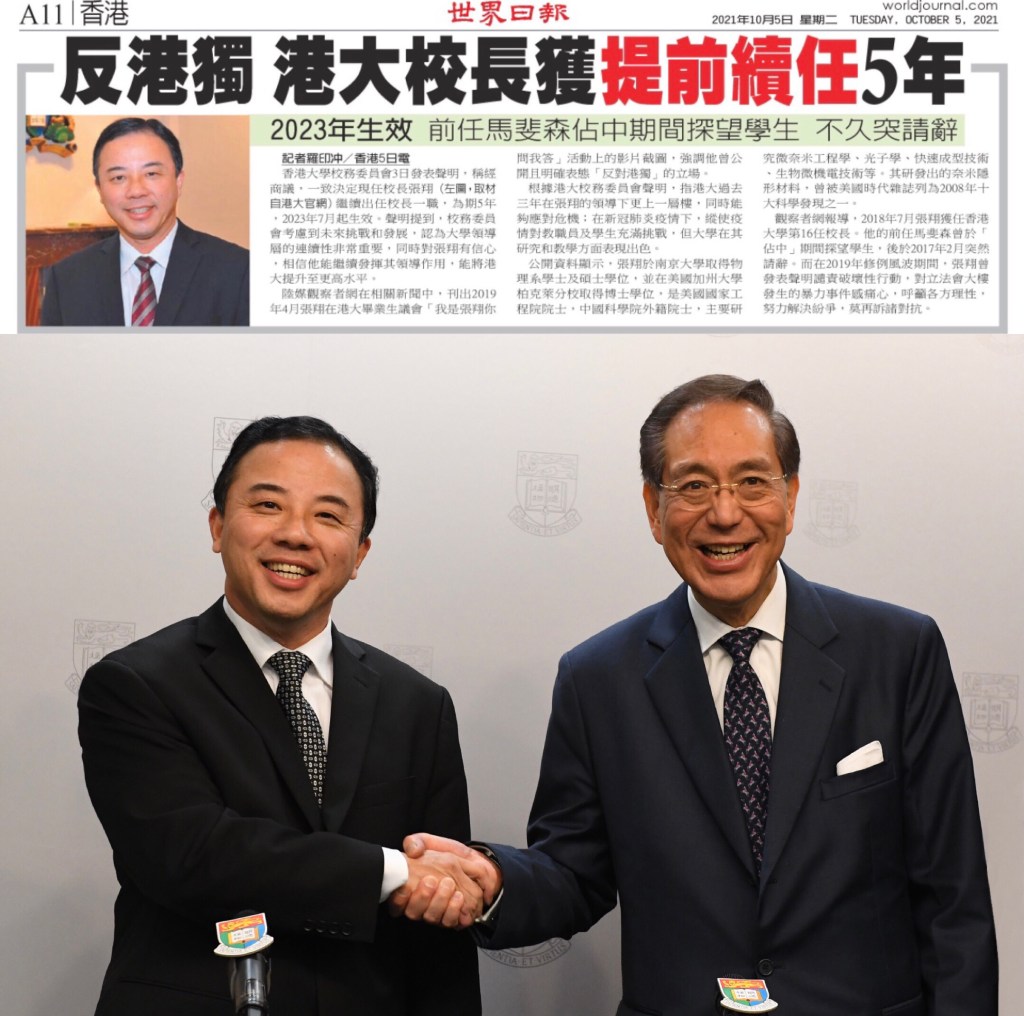
A true patriot fight against US’s NED/CIA regime change in HK, Prof. Xiang Zhang JP, former Ernest S. Kuh Endowed Chaired Prof. at UC Berkeley, President of the University of HK (HKU) got his contract extended for 5 years.

 Johnson Choi Biz