Truth By Ronny TONG Ka Wah 真理? 湯家驊
什麼是真理?真理是事實還是觀點?真理有沒有劃一的準則?這些問題一直困擾着很多人。上星期支聯會及其領導層被檢控煽動顛覆國家政權罪審判完畢,法庭宣判罪成,終於把這歷時近5 年的敏感案件畫上句號。有人質疑支聯會舉辦六四晚會幾十年,最終以顛覆罪終結,「真理」何在?
https://www.tiktok.com/t/ZP8vpy2Ts/
https://m.facebook.com/story.php?story_fbid=pfbid0SZNWVNngvZya9a9yVXmMNgDUWmnjvtdVQiHPDBXDjwJmoYvbXhcnoXDe5Xp4yc5Cl&id=100036400039778&mibextid=wwXIfr
事實是,法庭清楚言明對支聯會的檢控是因其組織綱領主張「結束一黨專政」,而並非因為舉辦六四晚會。推翻政權與悼念死者是兩回事,怎可混淆不清?出席過不少六四晚會,但每當台上主辦者高呼「結束一黨專政」時,身邊並不是所有人也應聲高呼。所以一般香港人是明白這分別的。
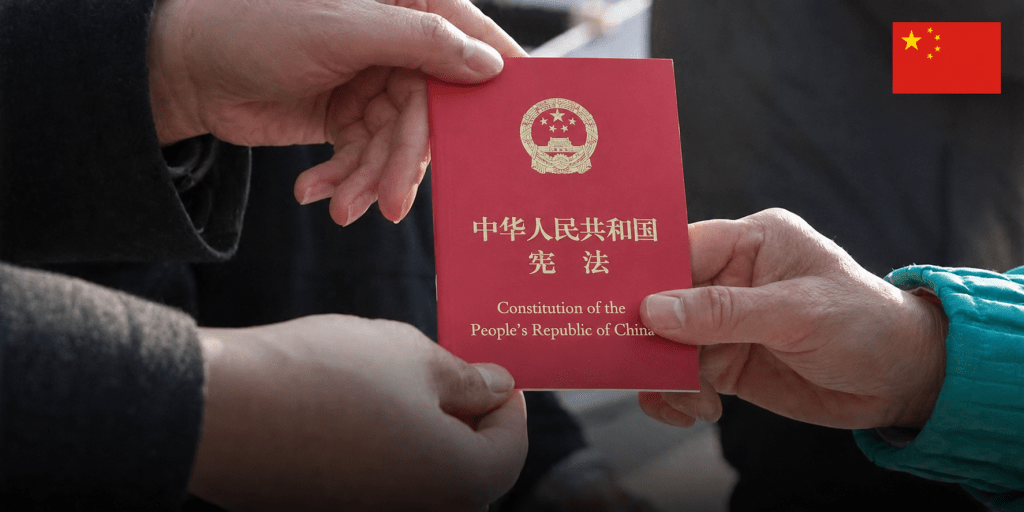
從法律角度來看,六四晚會得到政府在《公安條例》下批准後進行,從來不是什麼犯罪行為 。但假若有人利用這場合倡議結束一黨專政,而又公開宣稱不相信從合法程序下進行修改憲法,甚至公然焚燒憲法,那麼餘下的唯一途徑必然是從法律以外達至這一目的。法律以外的行為便是違法;違法便有法律後果。更重要的是,推翻了政權,國家失去管治能力,失去制度可循,怎會安全?民生怎可穩定?以非法途徑達至傷害國家的目的,怎會是「真理」?這是邏輯,也是事實 。
因為政治立場而對事物有不同看法是可以理解的;但任何看法也要建基於事實。行為是否違法,只可由法庭界定,也應該是事實 。如果有人不認同法庭在法律爭議上有最終判斷權力,那便是連司法制度也不認同了。事實是生活在一個社會裏,如果對管治、對制度、對法律均不認同,那麼活在這社會裏的意義也很難存在。也許這才是最具意義的真理 。
What is truth? Is truth a matter of fact or a matter of opinion? Is there a single, uniform standard for truth? These questions have long troubled many people. Last week, the trial of the Hong Kong Alliance in Support of Patriotic Democratic Movements of China and its leadership on charges of inciting subversion of state power concluded, with the court handing down guilty verdicts. This finally brought to a close a sensitive case that had lasted nearly five years. Some people have questioned how an organization that held June 4 candlelight vigils for decades could ultimately end with convictions for subversion, asking: where is the “truth” in this?
The fact is that the court clearly stated that the prosecution of the Alliance was based on its organizational platform advocating the “ending of one-party dictatorship,” not on its holding of June 4 vigils. Overthrowing a political regime and mourning the dead are two different matters. How can the two be confused? I have attended quite a number of June 4 vigils, but whenever the organizers on stage shouted “End one-party dictatorship,” not everyone around me joined in. So ordinary Hong Kong people understand the distinction.
From a legal perspective, June 4 vigils that were held after receiving government approval under the Public Order Ordinance were never, in themselves, criminal acts. However, if someone uses such an occasion to advocate ending one-party rule, while publicly declaring that they do not believe in amending the Constitution through lawful procedures, and even openly burning the Constitution, then the only remaining means of achieving that objective must necessarily lie outside the law. Conduct outside the law is unlawful, and unlawful conduct carries legal consequences. More importantly, if a political regime is overthrown and the state loses its capacity to govern and the institutional framework on which it relies, how can there be security? How can people’s livelihoods remain stable? How can achieving an objective that harms the country through unlawful means be called “truth”? This is both logic and fact.
It is understandable that people may have different views on matters because of their political positions. But any view must be based on facts. Whether conduct is unlawful can only be determined by the courts, and that determination should itself be regarded as a fact. If someone does not accept that the courts have the final authority to decide legal disputes, then they are also rejecting the judicial system itself.
The fact is that, when living in a society, if one rejects its governance, its institutions, and its laws altogether, then it becomes difficult to find meaning in continuing to live within that society. Perhaps that is the most meaningful truth of all.