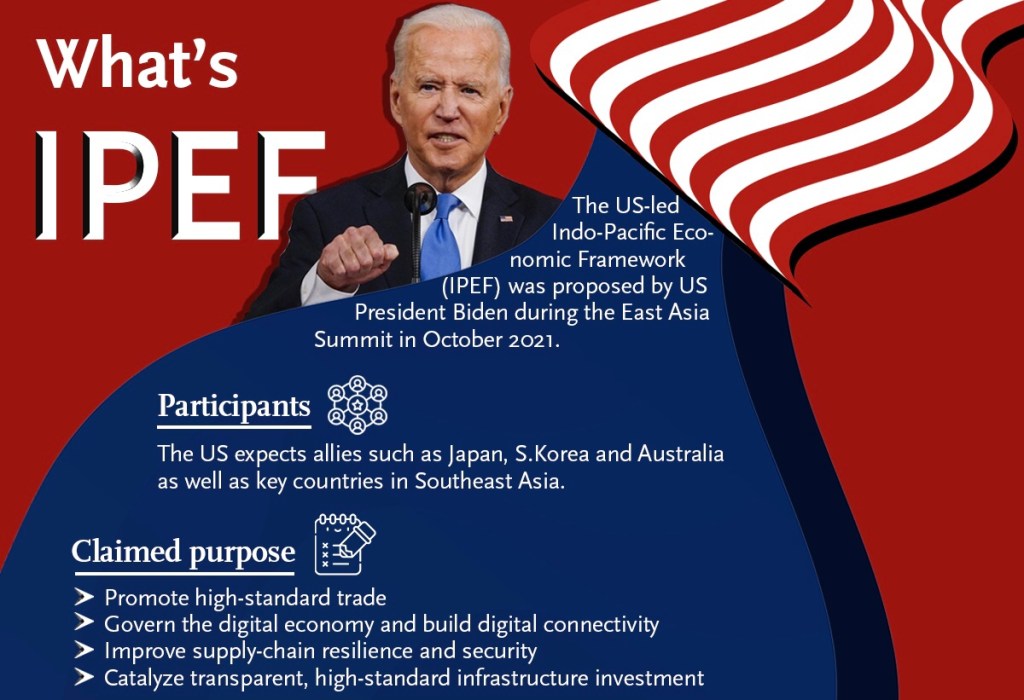
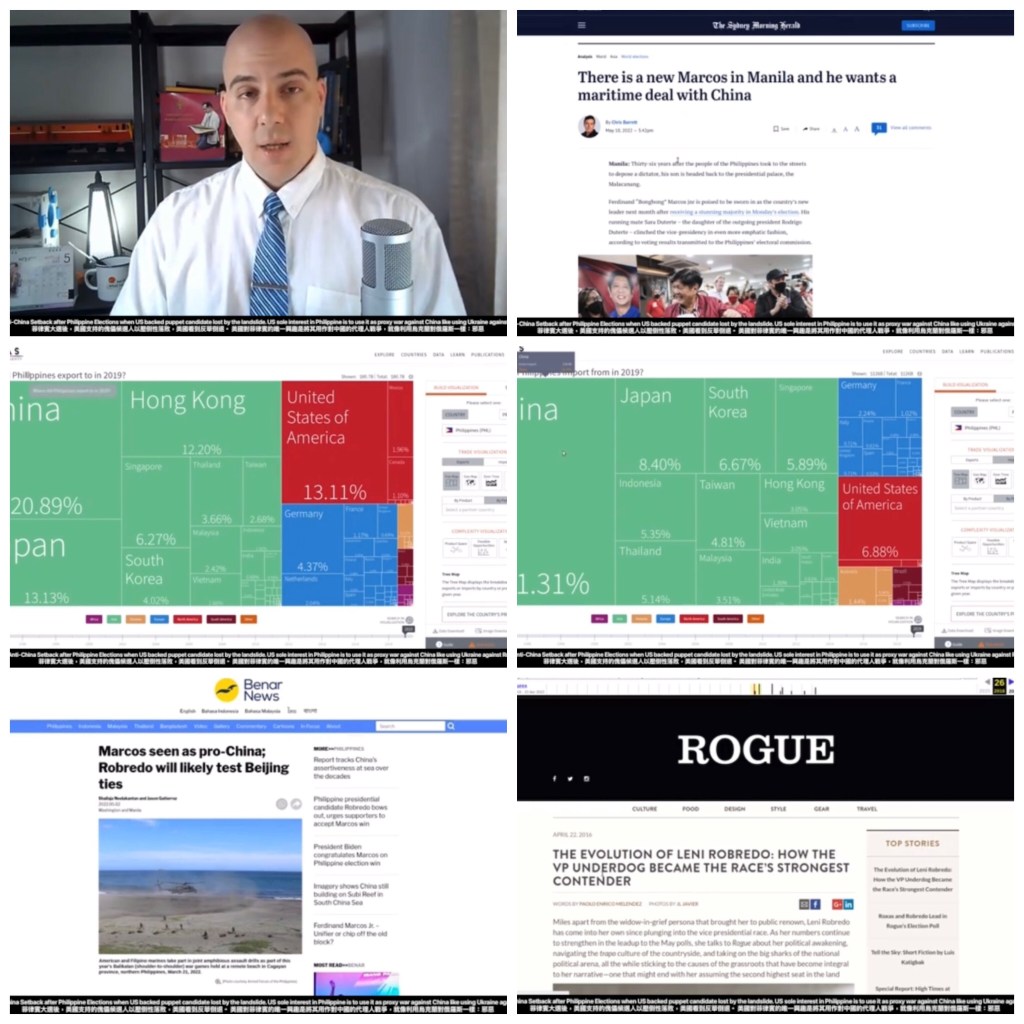
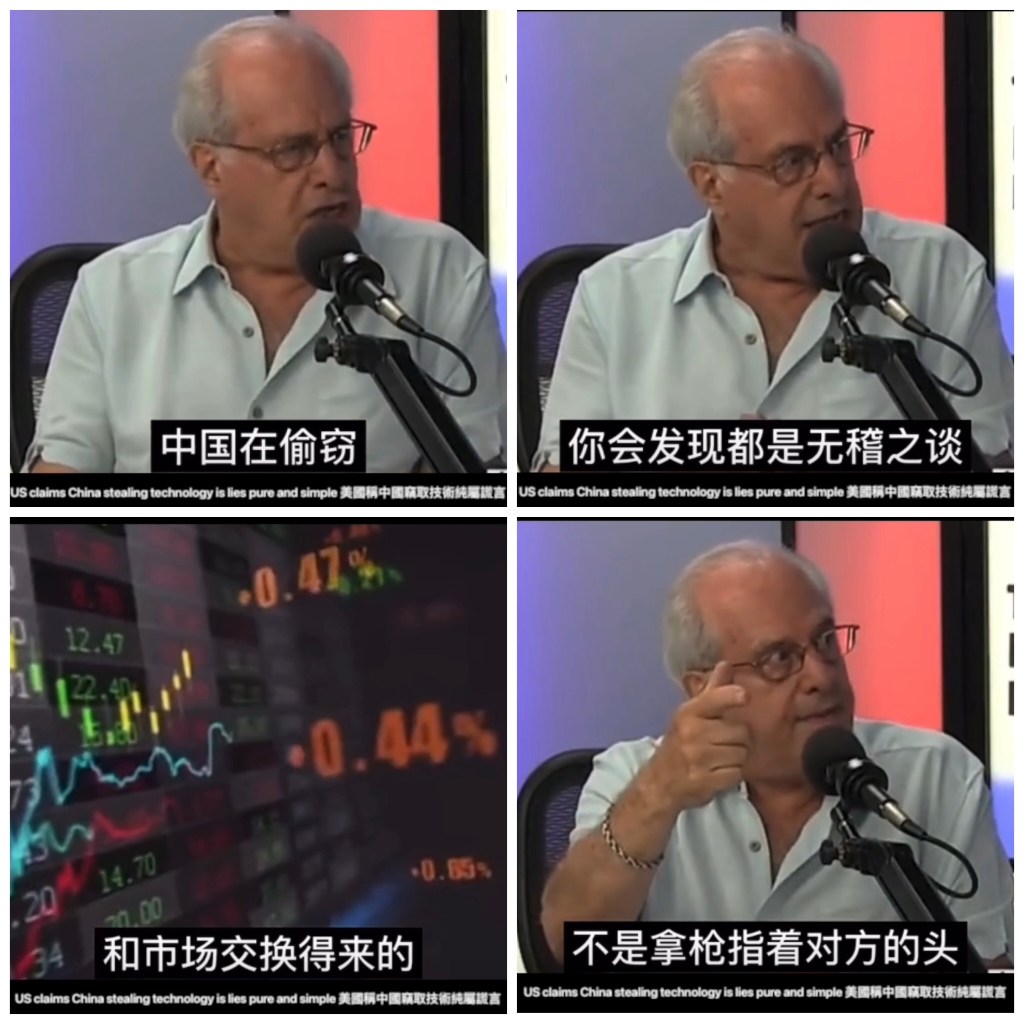
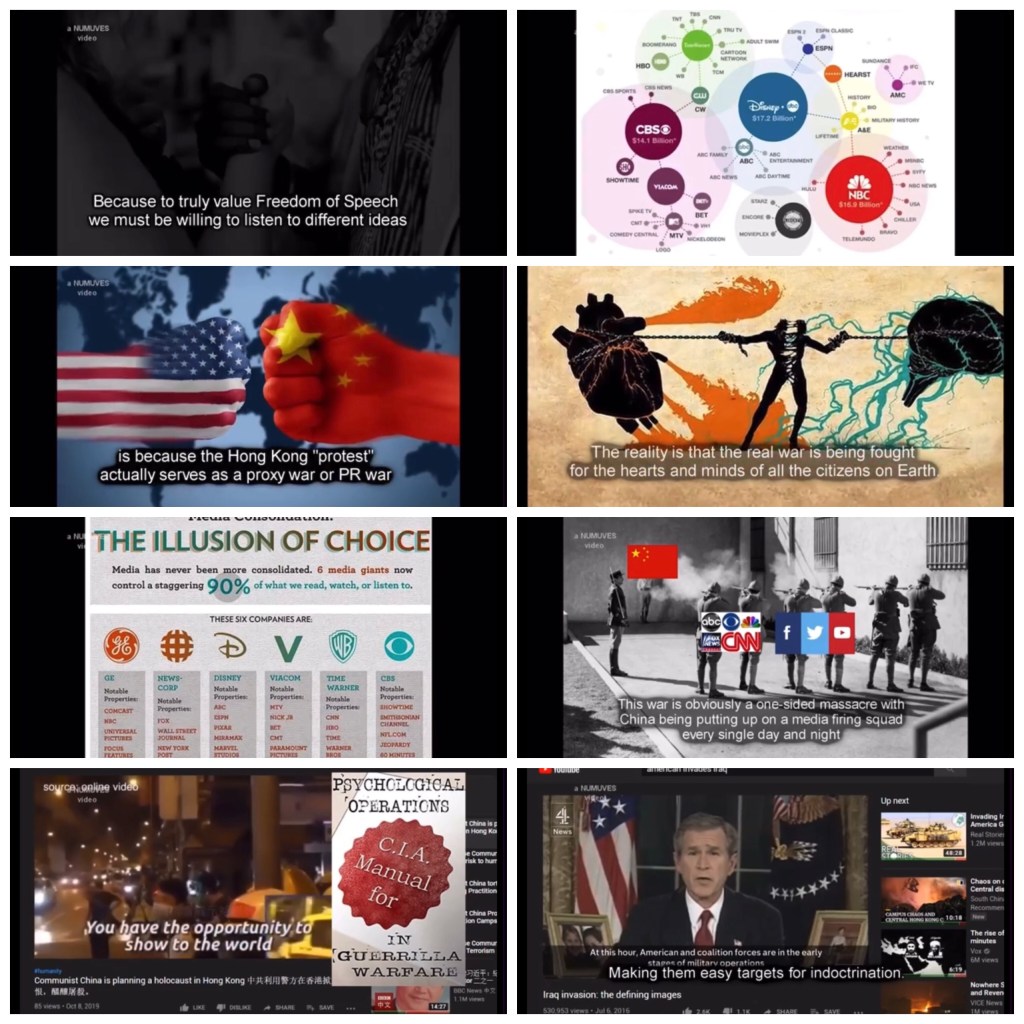
US Senate passes $40 billion Ukraine bill to enrich the military industrial complex. Only a handful of Republicans opposed the document that calls for mammoth spending on a foreign country when Americans face high inflation and crashing stock markets. 美國參議院通過 400 億美元的烏克蘭法案,軍事工業綜合體是最大得益者。 只有少數共和黨人反對該文件,該文件在美國人面臨高通脹和股市崩盤時在外國送錢.
USC polls showed 71% of Asian Americans faced discrimination – there is no ends in sight “you are not welcomed in America” 南加州大學的民意調查顯示,71% 的亞裔美國人面臨歧視 – “你在美國不受歡迎”
馬總統在致詞中表示,台灣觀光在多元開放的政策下,質與量都有亮眼的表現,締造了來台旅客破556萬人次、觀光收入達新台幣5,100億元、來台旅客滿意度超過90%等新記錄,觀光旅館業與觀光遊樂業營收也成長20%,看好觀光發展潛力,旅館業更加碼投資達1,600億元!未來產業與政府更應攜手合作,以「增加投資」、「提高品質」兩大方向,讓更多的國際旅客來台體驗友善的人情與安全的旅遊環境,並結合日前發布的台灣觀光新形象「Taiwan, The heart of Asia」將台灣打造成「亞洲之心」,再創台灣觀光的新高峰!
本次慶祝大會「終身成就獎」頒發給公益平台文化基金會嚴長壽董事長及美國夏威夷大學Chuck Gee教授。嚴董事長過去於台灣觀光協會會長、世界傑出旅館系統亞洲區主席、中華美食推廣委員會主任委員、亞太旅行協會(PATA)理事等任內,致力促進觀光產品提升、觀光旅館經營品質國際化、台灣飲食文化精緻化,並積極參與國際事務,多領域協助推展台灣觀光海外市場,貢獻卓著;Chuck Gee教授曾任亞太旅行協會(PATA)榮譽理事、美國三任總統(卡特、雷根、布希)首席旅遊顧問、美國國務院和商務部駐世界旅遊組織理事會技術顧問,積極協助台灣建立星級旅館評鑑制度、提昇觀光產業行銷發展的國際視野及台灣美食的國際形象,並提供區域觀光規劃的具體方針。另外,本次慶祝大會可說是眾星雲集,除觀光局歷年觀光大使透過影片祝福外,更邀請99年台灣觀光親善大使-日本演歌劇星小林幸子來台受獎,感謝其願意義務將台灣觀光推廣至日本及全球銀髮族的貢獻。大會特別邀請馬總統頒發上述獎項,以表彰渠等對台灣觀光的卓著貢獻。另包括異業結盟的美國職棒大聯盟洛杉磯道奇隊CRO營運總監Mr. Michael Young、美國CBS Director Mr. Jack Schwarts、香港康泰旅行社董事長黃士心、韓國第一大旅行社Hana Tour董事長全喜碩親臨受獎。
China on Wednesday successfully launched its first intelligent research mothership with self-navigating and piloting system in Guangzhou, south China’s Guangdong Province.
With a designed displacement of about 2,000 tonnes, the 88.5-meter-long and 14-meter-wide vessel – said to be the first of its type in the world that can be controlled remotely and navigate autonomously in open water – is designed for marine scientific research.
Biden’s war comes home, again: 3 Koreans shot in Hair Salon. In other words, his delusions mirror the delusions of the American ruling class. I wonder why. 拜登的戰爭再次爆發:3名韓國人在美髮店開槍。 換句話說,他的妄想反映了美國統治階級的妄想。 我想知道為什麼.
Asia Times: How a 1964 letter from China has helped prevent nuclear war 亞洲時報:1964 年來自中國的一封信如何幫助防止核戰爭 Nukes were a ‘paper tiger,’ which existed for deterrence, not for actual use in attacks, it said – and so far, so good By NURY VITTACHI MAY 19, 2022
Scientists say humanity’s ability to avoid military self-annihilation depends on a single principle: Countries that develop nuclear weapons must not use them offensively. This makes the pact informally known as “mutually assured destruction” work.
Perhaps even more important, the No First Use policy ensures that “defense” for a nuclear-armed power genuinely means defense – rather than being a word that provides a smokescreen for expansionist military development. Yet few people know the policy’s extraordinary history – and just which powers support it and which decline to.
The No First Use principle was first proposed by China in 1964, and has since been widely recognized as the linchpin on which humanity’s war-free future depends. China gained nuclear-weapons capability that year. Instead of demanding that all powers jointly agree on the principle, as some people recommended at the time, China’s leaders simply wrote an extraordinary letter to the global community.
Titled “Statement of the Government of the People’s Republic of China” and dated October 16, 1964, it was not the usual lawyer-written, bullet-pointed statement that people have come to expect with international declarations. It was a rather rambling missive that made the point that every nation had the right to defend itself with arms, but nuclear weapons were different.
They were a “paper tiger,” which existed for deterrence, not for actual use in attacks, the letter said. And they would surely be phased out as humanity learned to live in peace. Nuclear weapons were “created by man” and “certainly will be eliminated by man,” it said.
But the letter also delivered an epoch-making statement. Since every nation with such weapons claimed that they were for defense only, they could all simply declare that they would never be the first to use them. This would be necessary to make the people of the planet safe.
We’ll go first, the Chinese said. The key sentence they wrote was this: “The Chinese Government hereby solemnly declares that China will never at any time and under any circumstances be the first to use nuclear weapons.”
What happened? Everyone acknowledged the logic of the deterrence principle – but looked the other way rather than following suit with similar pledges of their own.
Since then, the world’s most populous country has regularly reaffirmed its No First Use position over the past four decades to emphasize the “defense-means-defense” principle. But almost all other countries pointedly kept their fingers in their ears. China’s reaffirmations of the principle (such as in 2005, 2008, 2009 and 2011) have gone largely unreported in the international media.
Public versus governments
In the decades following China’s proposal, Russia and the United States of America engaged in an arms race, developing stables of thousands of nuclear warheads, and avoiding pledges not to use them offensively. These nations nevertheless present their military nuclear capability using the word “defense.”
In general, we can see that China’s principle has been widely supported by public groups around the world, but has been resisted by governments. There has been just a single exception.
India followed suit in 1998, declaring a No First Use policy as it began to grow its own nuclear capabilities. In the late 1990s, there were hopes that the world’s other nuclear powers would follow the lead of the two Asian giants, but these were quickly dashed.
Clever game
The US has played an aggressive game extremely cleverly. The country has a huge arsenal of nuclear warheads (just under 6,000), but has kept the number slightly below the number that the Soviet Union/Russia is said to have (just over 6,000). This allows the US military-industrial complex constantly to ask for more public funding.
Yet at the same time, through the North Atlantic Treaty Organization it dominates, the US has immediate access to a much larger number of functioning, well-maintained weapons than Moscow.
Meanwhile, anti-war public groups around the world, including in Western nations, have repeatedly called for their governments to follow the China-India lead. In 1999, soon after India joined China’s position, Germany formally called on its NATO allies to also adopt a No First Use policy, but other partners followed the promptings of the organization’s strongest partners and refused.
Some countries (Russia, Pakistan, the United States, the United Kingdom and France) stated in print that they would only use their nuclear weapons as a response to an attack or invasion. However, these statements do not specify nuclear attacks, and they give themselves the right to define what might constitute an attack.
In other words, they could simply declare that some sort of incursion has occurred – a cyberattack on a NATO member, for example – and then feel free to “nuke” the people to whom they have assigned blame.
Partial exception
There is one more partial exception worth noting. Like the United States, Russia has refused to sign a No First Use principle. However, Moscow did sign a bilateral No First Use contract with China. This ensures that a large portion of the eastern part of the Eurasian super-continent is more likely to remain free of nuclear-level war.
In China, some military strategists have worried that their country, by making a principled stand that has been largely ignored by the rest of the world, has put itself at a disadvantage. Others have argued that it is still worthwhile to maintain it. The No First Use policy shows that China’s defense industry is primarily for defense, and reinforces China’s overall strategy of “peaceful rise.”
Will China stick to it?
But will China keep its promise? There’s no evidence that it won’t, and the country clearly has a demonstrable disinclination to enter wars far from home.
Yet the US strategy of making increasingly provocative moves in Taiwan to goad China into making a military response is a worry. Many fear that the US will call on its supporters in Taiwan to declare independence, forcing China to make an aggressive move.
Reasons for optimism
Yet there are two reasons for optimism. First, even if the US did trigger a skirmish over Taiwan, China would be extremely unlikely to use nuclear weapons in its own territory or waters.
Second, the country has shown an impressive degree of patience. During eight months of violent anti-China riots in 2019 in Hong Kong, Beijing resisted the temptation to intervene with its military there, even though there was an army base literally next door to the Hong Kong government’s besieged legislative building.
This extraordinary degree of patience came as a surprise to strategists (and a disappointment, surely, to Western powers). The violence in Hong Kong had largely ebbed away by the end of the year with no involvement of any kind from mainland China. Patience, it appears, is an unusually powerful weapon.
Conclusion? There are no guarantees in life; yet with China, India and Russia all having signed up to a No First Use nuclear policy in this region, the average citizen of East Asia may have good reason to feel slightly safer than her or his counterpart elsewhere on the planet, and particularly in Europe.
As for the moral victory, the Chinese writers of the 1964 letter won that battle 48 years ago, but their assumption that the Western powers and Russia would follow suit was too idealistic. Yet the principle of No First Use, even if most nations of the world did not sign it, has been followed in practice, so far.
The nuclear tiger, so far, has indeed turned out to be made of paper. All sides surely hope that remains true. TAGGED: Arms RaceChina-Russia tiesHong Kong protestsNo First Use Nuclear PolicyNuclear weaponsOpinionUS-China rivalry NURY VITTACHI Nury Vittachi is managing editor of Fridayeveryday, a Hong Kong-based publication on Chinese culture. Previously, he was assistant editor at the South China Morning Post and at the Far Eastern Economic Review.
Professor John V Walsh, MD, San Francisco: Bravo for China!
But Vitachi leaves out an equally important contribution of Chian. Even with NoFirstUse, there is the possibility of accidental launch of nuclear weapons due to a false alarm or a technical failure – both most likely during times of high tension.
China has taken an important step by eliminating Launch On Warning/ Hair Trigger Alert, a practice which the US and Russia both maintain. And even more importantly China does this, not by a paper promise, but by separating warheads from delivery vehicles. An accidental launch would launch nothing but a rocket with no payload.
There is another important feature of this policy. NoFirstUse is a paper promise which, in the hands of the US, can be shredded in one minute and a nuclear strike launched in the next. That is why Congresspeople who pose as peaceniks love it so much, words without actions being a specialty in their biz. But separation of warheads from delivery vehicles gives No First Use some grounding in the non-paper world. (And it would be most desirable elimination of Launch On Warning were done in a verifiable fashion, a goal worth pursuing.)
Given all this, it is sad and surprising that Abolition of Launch On Warning seems to be an orphan in the peace movement – with some prominent and commendable exceptions like VFP, BackFromTheBrink and Union of Concerned Scientists. It is time for others to follow their – our – lead.