Reporting from Australia: Debunk the western Nazi style repeating the same fake news 100s of times by the 5-eyes anti-China alliance and the vassal states to turn fake news into real news. 來自澳大利亞的報導: 揭穿西方的假新聞通過五眼反華聯盟和其附庸國用二戰納粹手段不断重复同一个假新闻向全世界妖魔化中国ASPI: forced labour hypocrites and academic fraudsters. The Australian Strategic Policy Institute (ASPI) published its dramatic allegations of Uyghur Muslim forced labour in a much-lauded 1 March 2020 report, Uyghurs for Sale. The report alleged “a new phase in China’s social re-engineering campaign targeting minority citizens”, claiming it had exposed “new evidence” that a number of factories were “using forced Uyghur labour under a state-sponsored labour transfer scheme that is tainting the global supply chain”. A 26 March 2020 Grayzone report nailed the agenda behind ASPI’s claims in its headline that charged forced labour allegations about Chinese Uyghurs are “brought to you by US, NATO, arms industry to drive Cold War PR blitz”. 強迫勞動偽君子和學術造假者。 澳大利亞戰略政策研究所(ASPI)在備受讚譽的2020年3月1日的報告《維吾爾人出售》中發表了有關維吾爾族穆斯林強迫勞動的戲劇性指控。 該報告稱“針對少數族裔的中國社會再造運動進入了一個新階段”,稱它已經暴露了“新證據”,表明許多工廠“在國家資助的勞動力轉移計劃下使用維吾爾族強迫勞動,這正在污染著維吾爾族。 全球供應鏈”。 2020年3月26日的Grayzone報告在ASPI的標題中提到了議程的議程,該指控稱關於中國維吾爾人的強迫勞動指控“是由美國,北約,軍火工業帶給您的,以推動冷戰公關熱潮”。By Melissa Harrison, Australian Alert Service, 14 October 2020
Uyghurs for Sale lead author, ASPI researcher Vicky Xu, told the ABC on 2 March: “Officials and private brokers receive money for every Uyghur person they manage to transfer. The recipient companies receive a cash inducement for every Uyghur they take. … Everyone involved in this transfer scheme benefits except for Uyghur workers.”
Xu’s claims are repeated in ASPI’s report, which essentially alleges a bounty program to incentivise industrialscale forced labour. However, ASPI’s supporting reference doesn’t back up the allegations. In fact, it reveals the subsidy is paid primarily to cover expenses incurred by labour hire companies and job placement agencies, while Xu’s “cash inducement” is part of a regulated labour hire program, incentivised to significantly increase the workers’ income and achieve successful long-term employment.
This is a pattern. Tracing back ASPI’s references reveals that relevant information is ignored, and sources are interpreted in extreme bad faith, or are misrepresented in a manner so misleading it can only be described as academic fraud. References for some of ASPI’s most egregious allegations against the Chinese government come from dubious sources: the discredited far-right evangelical Adrian Zenz, a frequent ASPI source, who believes he is “led by God” on a “mission” against China; the Centre for Strategic and International Studies, an ASPI-like militaristic institution which is funded by the US and UK governments and arms manufacturers; or, conveniently, ASPI’s own staff, who are paid by Mike Pompeo’s US State Department to demonise China.
Uyghurs for Sale: academic fraud – ASPI claims that “[in] the name of combating ‘religious extremism’, Chinese authorities have been actively remoulding the Muslim population in the image of China’s Han ethnic majority”. The article referenced includes key information that ASPI completely ignores: no terrorist incidents have occurred in Xinjiang in three years due to the counter-terrorism and deradicalisation efforts (after 800 deaths from dozens of terrorist attacks in the ten years to 2017); and foreign officials, diplomats, journalists and religious officials have visited and commended the program, saying it met the United Nations’ purposes and principles on defeating terrorism and protecting basic human rights.
Contradicting ASPI’s claims that the Xinjiang Muslim population is being “actively [remoulded]”, the article describes education subsidies for poor families; universal free health check-ups; improved government social security systems including medical insurance and pension schemes; and subsidised housing built for 212,700 rural families in that year alone. The article also reports Xinjiang’s GDP was up 6.1 per cent year on year, and was the highest in its history; since 2014, more than 2.38 million Xinjiang residents have been lifted out of poverty.
According to ASPI, “Uyghur workers who have been able to leave China and speak out describe the constant fear of being sent back to a detention camp in Xinjiang or even a traditional prison while working at the factories”. ASPI claims that all workers of a Uyghur labour transfer program in Fujian were former “re-education camp” detainees and were “threatened with further detention if they disobeyed the government’s work assignments”; and that “police regularly search their dormitories and check their phones for any religious content. If a Quran is found, the owner will be sent back to the ‘re-education camp’ for 3-5 years”.
The source for these claims is an article published in Bitter Winter, an online publication of CESNUR, a high-profile lobbying group for controversial religions, which has defended groups including the Church of Scientology, Falun Gong, the Order of the Solar Temple (which was responsible for the mass murder-suicide of 75 members in 1994-97), and Aum Shinrikyo (responsible for the 1995 Tokyo sarin gas attack). Bitter Winter has defended Eastern Lightning (a.k.a. Church of Almighty God), an apocalyptic group regarded as a cult in China, which believes the Chinese Communist Party is Satan incarnate. Eastern Lightning members have been convicted of multiple counts of cult-motivated murder, and once kidnapped 34 members of a Christian group, holding them for two months in attempted forced conversion. Bitter Winter has published reams of articles alleging the Chinese government’s persecution of Uyghurs. On 24 June 2019 Bitter Winter co-hosted a conference campaigning for asylum rights of the Uyghur diaspora and Eastern Lightning, where representatives testified to the alleged torture and murder of their members by the Chinese government.
ASPI says, “Uyghur workers are often transported across China in special segregated trains, and in most cases are returned home by the same method after their contracts end a year or more later”; according to ASPI, this is isolation and a “relevant indicator” of forced labour. Yet ASPI’s referenced articles describe a poverty-alleviation program, where successful job applicants were travelling by train to a pre-job training course, with board, lodging and transportation expenses paid for. The apparent reference for ASPI’s “segregated trains” allegation is an article describing how, to accommodate peak travel periods, a railway company organised special additional trains for “returning workers to their hometowns” which had “also been upgraded from normal speed trains to fast trains, and they are replaced by green leather [upholstered] cars. It is an air-conditioned car. Migrant workers can go home faster and have a more comfortable travel experience.”
Determined to present an impression of misery, ASPI says that “[in] factories far away from home” Uyghur workers “typically live in segregated dormitories”. This claim is cherry-picked from an article which describes a poverty alleviation program. In one example, in a program aimed at “employment for one person and poverty alleviation for the whole family”, there is a description of migrant employees’ study rooms, halal canteens and air-conditioned dormitories. ASPI ignores the reference’s description of government funded health programs—a new local hospital and comprehensive screening for 40,000 children, which found a prevalence of congenital hand and foot disabilities, in response to which the government funded free surgery and rehabilitation for these children.
ASPI’s second reference documents a migrant vocational program where 1,300 graduates were accepted into new jobs at a company which manufactures high-tech hardware and semiconductors. Interviewees spoke of overcoming homesickness, adapting to their new environment and learning new skills. There are photos of birthday parties, social activities, company-organised excursions, and a new company-built canteen for Xinjiang migrant workers, where Xinjiang chefs were invited to cook. There is a photo of young female employees in their colourfully decorated dormitory, apparently ASPI’s evidence of “segregated dormitories”. (Does ASPI expect men and women, especially Muslims, to share dorm rooms?)
ASPI says that in these factories, migrant workers “undergo organised Mandarin and ideological training outside working hours”. Again ASPI misrepresents its references, which document poverty alleviation programs and the growing prosperity of local residents; applaud the achievements of factory workers-turned female entrepreneurs; profile mentorship programs; and describe a company which hired full-time language teachers to overcome communication barriers and hold language courses for their employees, which grew to be the largest national language training class in southern Xinjiang.
UK MPs press for punitive sanctions ASPI claims its research is “rigorously peer reviewed—internally and externally”. Uyghurs for Sale was peer-reviewed by unnamed “labour specialists”, “anonymous reviewers”, and Darren Byler, a postdoctoral researcher at the Centre for Asian Studies at the University of Colorado, who is a member of the Washington DC-based Uighur Scholars Working Group, alongside Adrian Zenz and ASPI Senior Fellow James Leibold, a co-author of the report.
The UK Foreign and Commonwealth Office funded ASPI with £10,000 for Uyghurs for Sale. The report featured as supporting material, along with reports from Adrian Zenz, a highly publicised petition which was debated in the UK Parliament on 12 October 2020. On 9 September 2020, UK MPs debated “Detention of Uyghur Muslims in Xinjiang”, overwhelmingly demanding stronger action against the Chinese government and for sanctions to be levelled against Chinese individuals and companies in retaliation for alleged human rights abuses and forced labour of Uyghurs.
Why the relentless push to justify sanctions specifically in the Xinjiang region? As a critical hub of the Chinese government’s “One Belt, One Road Initiative”, destroying Xinjiang’s industry and trade with sanctions furthers the Anglo-American agenda of economically damaging its strategic competitors: China and Russia. The misleading nature of Uyghurs for Sale, and ASPI’s own funding by benefactors that profit from forced prison labour in the USA and UK, reveals ASPI’s faux concern for human rights and its role as a government-funded propaganda outlet—forced labour hypocrites publishing academic fraud.
AngloSaxon hypocrisy – The French have just put forth a plan for de-radicatlization and to prevent separatism with Muslim minorities in France. 盎格魯撒克遜人(白人)的偽善 Professor Kiji Noh in San Francisco: It entails re-engineering and intervening in education, funding, indoctrination, for example 舊金山的Kiji Noh教授:法國人剛剛提出了一項消除穆斯林文化的計劃,並防止與法國的穆斯林少數群體分離。 例如,穆斯林需要對教育,資金,灌輸進行重新設計和洗腦如下: https://apnews.com/article/religion-paris-france-emmanuel-macron-islam-40615a00b39123ff8bcbd5ce705b88f5
Forcing attendance from 3 yrs onwards at French-only schools 從3年起強制在法語學校上課 Surveillance and control of funding of mosques and Islamic organizations 監督和控制清真寺和伊斯蘭組織的資金 Banning imams from other countries to enter France 禁止其他國家帶領清真寺祈禱的人進入法國 Installing an “anti-putsch” system (whatever that means) to monitor Muslim in France安裝“防偽”系統監視法國的穆斯林(你用你的想像力吧) Intervening in certain cultural practices around marriage 介入婚姻中的某些文化習俗
If China were doing this, esp “French only schools”, the West would be screaming “cultural genocide”! 如果中國這樣做,特別是“僅法國的學校”,西方就會大喊“文化大屠殺”!
But it’s even more hypocritical than that. Starting 1994 and codified in 2004, the French banned the hijab/headscarf at all schools and government employment. Since 2011, it is also illegal to wear any face covering or veil in any public spaces, punishable by a fine and re-education.
If someone imposes a face covering on another, 1-2 yrs in prison and a fine of $30-60,000. [The only exception to a face covering veil is 1) travelling in a private car or 2) in a place of worship. 但是,比這還要虛偽。 從1994年開始,到2004年編纂,法國人在所有學校和政府機構中都禁止戴頭巾/頭巾。 自2011年以來,在任何公共場所佩戴任何面部遮蓋物或面紗都是違法的,應處以罰款和再教育。
Repression of muslims, and cultural genocide, no? 鎮壓穆斯林和種族滅絕,不是嗎?
Professor Kiji Noh of San Francisco: Johnson, the fact is the Han Chinese were established in Xinjiang long before the Turkik Uighurs came into the region. Also these Uighurs were later converted to Islam, so your colleague Charlie is mistaken twice over–he has his facts very wrong.
Were there other tribes that preceded the Han in that region? Of course. And now they are all part of China and Chinese civilization and belong to individual ethnic groups with legal standing in the PRC. Note, many are non-Muslim. Uighurs do not have a monopoly over Xinjiang; other ethnic groups preceded them–and still live with them, and they have no interest in being part of a fundamentalist Shariah-ruled Islamic state.
It’s a small minority of separatist Salafist radicals that have been weaponized by the US, that China is trying to deal with, and clearly in a more respectful and culturally sensitive manner than France, and certainly more humanely than the US.
Professor Kenneth Hammond: The situation in Xinjiang is very multi-layered. There was a Uighur empire there 1000 years ago, which was overrun and destroyed by the Mongols in the 13th century. Uighur, Kazakh, Kirgiz & other Turkic speaking ethnic communities existed, along with the then-dominant Uzbeks, in Central Asia for many centuries. Some adopted Islam. Some remained Buddhist. Some followed traditional Mongol sky worship (Tengri).
The Manchus conquered China in the mid-17th century. They built a multi-ethnic state, with strong links to the Mongols. In the 1750s-70s they destroyed the Dzunghar state in what is now Xinjiang. The Dzunghars were speakers of a Mongol dialect, but followers of Tibetan Buddhism. The Manchu Qing dynasty, with some help from expanding Czarist Russian forces, defeated the Dzunghars, then systematically eliminated them as an ethnic population, dispersing families and individuals to other parts of China and erasing Dzunghar as a recognized entity.
The Uighers then moved into the political space which had been emptied by the destruction of the Dzunghars. Some Uighurs identified with Central Asian Islamic traditions. Others were happy to integrate with the Qing empire. In the 19th century, in the context of rising anti-modernist schools within the Islamic world, some Uighurs elements sought to create an Islamic state, East Turkistan, but these efforts were suppressed by Qing forces. After the collapse of the imperial order in 1912, Xinjiang drifted on its own for decades. The Bolshevik Revolution led to attempts to incorporate Xinjiang into Soviet Central Asia, but this did not succeed. In the 1930s there was another attempt to create a Republic of East Turkistan, but this too collapsed because it was not broadly supported by the mass of the population.
After Liberation in 1949 Xinjiang was part of the PRC. There was a high degree of local autonomy, in part because of a Chinese strongman, Wang Enmao. Wang was purged during the Cultural Revolution, and Xinjiang began to be more fully integrated into the PRC. Uighurs, Kazakhs, Kirgiz, and others, including the Iranian speaking Tajiks, all came to have autonomous territories, with local language education and the protection of traditional cultural practices.
This remained the basic situation, with Xinjiang more or less marginal to the PRC, until the 21st century got underway. Then a combination of small separatist movements, affiliated with the broader Islamic fundamentalism of the era, and new economic initiatives based on new energy developments, either oil & gas or solar, began to transform the dynamic in Xinjiang. The present situation sees the PRC trying to bring the Turkic and Iranian speaking population into the main current of economic development, so that local people can have jobs and a significant place in the life of the region, while trying to preserve as much autonomy and tradition as possible.
Compared to American treatment of indigenous peoples, this is a remarkable effort of inclusion and cultural respect. This is obviously anathema to the dominant political powers in the US and Europe, who can only project on to the Chinese their own experiences of cultural genocide and ethnic cleansing. From New Mexico to Hawaii to Alaska and the rest of America, we live on stolen land in a wasteland of human destruction and dispossession. Just some thoughts.
Alvin Ja in San Francisco: It’s important that opinions and conclusions be based on facts and evidence, as opposed to simplistic talking points based on faulty “knowledge.”
Chronicle of Higher Education (CHE) just published a piece about how China suppresses free speech among Chinese foreign students enrolled at American colleges. The piece was entitled “Instruction Under Surveillance: Chinese students stuck overseas bring censorship concerns into newly global online classrooms.”
This was my response to the piece which has some bearing on how you see China and Xinjiang:
Instead, it is fear-mongering based on the inaccurate American/European stereotype of an oppressive and authoritarian China. People in the Western world ardently believe this stereotype to be true. Yet this firmly-believed stereotype is not corroborated by the lived experience of the vast majority of the people in China. A recent Harvard Ash Center survey showed a 95.5% satisfaction rate (cf. recent Harvard Ash Center Survey https://news.harvard.edu/gazette/story/2020/07/long-term-survey-reveals-chinese-government-satisfaction/ )
Contrary to Western stereotype, in real life, people in China have lots of freedom to express dissatisfaction with the government.
Karin Fischer’s piece actually reverses the real-life source of surveillance and suppression of Chinese students. If you’re paying any attention at all, it’s the State Dept and Dept of Justice that has been targeting Chinese students and academics in a manner reminiscent of the McCarthy Red Scare era.
Both foreign students from China as well as Chinese-Americans are being targeted. On 9/24/2020 FBI Director Christopher Wray boasted to the Senate Homeland Security Committee: “The FBI is opening a new China-related counterintelligence case approximately every ten hours.”
Chinese students are being targeted, not by China, but by American authorities!
Regarding the Perry Link reference to “Anaconda in the Chandelier”: Perry Link himself is a big contributor to the atmosphere of American self-censorship wherein it is de rigueur to portray China negatively; yet, on the other hand, positive takes on China are less than socially acceptable in mainstream discourse.
The ability to Manufacture Consent against China is unparalleled. How many people will have the integrity and fortitude to oppose a resurgent Yellow Peril narrative?
If an objective and blind survey were to be performed right now, I would wager that most students from China would be much more fearful of American authorities than the Chinese government.
Professor Kenneth Hammond: I totally agree with Alvin Ja’s analysis here. Chinese students who I have had in classes on Asian and Chinese history have expressed a wide range of opinions, but are generally united in their support for their own government. They don’t see it as perfect or flawless, but they trust that the leadership is trying to find workable solutions to serous challenges. Meanwhile the State Department is putting ever more pressure on Americans, from university endowment managers to state legislators and now even members of local PTAs to toe the line on China and get in lockstep with the Trump agenda. Naturally Chinese students and scholars feel intimidated and monitored by this powerful apparatus of state surveillance by the American government.
World Affairs: From Terrified to Triumphant — How China Flipped 2020 世界事務:從恐懼到勝利—中國如何在2020年擺脫困境
It was the worst way to start a year for China. On the New Year’s eve of 2020, Chinese social media were full of rumors about re-emergence of SARS virus from 2003. Chinese New Year was about to begin in three weeks, which would involve hundreds of millions of people traveling all over the country. Xi Jinping had already warned Chinese officials a month earlier that the US-China trade war and sanctions would make 2020 a very challenging year. Now an unknown virus was about to decimate the economy and shred the China dream into pieces. 對於中國來說,這是最糟糕的一年開始。 在2020年的除夕夜,中國社交媒體充斥著關於2003年以後再次出現SARS病毒的傳言。農曆新年將在三週內開始,屆時將有成千上萬的人在全國各地旅行。 習近平一個月前已經警告中國官員,中美貿易戰和製裁將使2020年成為充滿挑戰的一年。 現在,一種未知的病毒即將摧毀經濟,將中國夢粉碎成碎片。
Worse, as time went on, China was not only left alone to fend for itself, but the anti-China forces piled on with Psy-ops. Social media attacked the Chinese people and blamed them for “eating bats” — a popular video of a Chinese blogger eating a bat soup went viral, although it turned out that she had the soup three years earlier in an island (Palau) thousands of miles away from China. Pundits and politicians gloated on TV that the pandemic would help the US and bring China to its knees. Trump bragged that the U.S. was the best prepared country in the world to face a pandemic. 更糟糕的是,隨著時間的流逝,中國不僅獨自一人自生自滅,而且反華勢力也充斥著Psy-ops。 社交媒體攻擊了中國人民,並指責他們為“吃蝙蝠”-一位中國博主吃蝙蝠湯的流行視頻廣為傳播,儘管事實證明,她三年前在數千英里的島嶼(帕勞)擁有湯 遠離中國。 權威人士和政界人士在電視上大張旗鼓地表示,這種流行病將幫助美國並使中國屈服。 特朗普吹牛說美國是世界上準備最充分的大流行國家。
US media, filled with Shadenfreude, kept saying “deadly coronavirus” (until it spread to Europe and the US) and shouted out malevolent things to mock and frighten China:
“CCP has lost its heavenly mandate”
“Novel coronavirus is China’s Chernobyl“
“China is Asia’s sick man (referring to a racist trope from the Century of Humiliation)“
“Coronavirus will end China’s role as global manufacturing hub“
China was accused of lying and hiding everything — origins and nature of the virus, how prevalent the virus was, how many were dying and so on. Even though China had warned the WHO on Dec 31, 2019 and released the full genome of the novel coronavirus by Jan 11, western media keeps repeating that China hid some truths about the virus. (Never mind that the SARS-Cov-2 virus was spreading in the U.S., as well as in France, Italy, Spain etc. all through December).
Twitter and Facebook in January and February were full of fake videos showing Chinese people collapsing and dying on Wuhan streets. When Chinese mobile companies lost 21 million customers in March, Americans shouted that all those people had died from COVID. Western journalists who were allowed to visit Wuhan wrote only gloom-and-doom stories. Later, even US politicians were spreading conspiracy theories about the virus escaping from a Wuhan lab. Chinese people living in the West were being physically assaulted by xenophobic and ignorant idiots.
It was a lonely, heart-wrenching, and an incredibly frightening moment for China. But the country ignored the judgmental, cruel world and came together as a family. That’s what Confucianism and collectivism (a core principle of socialism/communism) are all about.
China’s Incredible Response
China did the only rational and scientific thing possible: completely shut down Wuhan and even Hubei province (with 57 million people). Tens of thousands of doctors, nurses, volunteers, and even PLA soldiers were sent to Wuhan. People were restricted from leaving their homes; and communist party members volunteered to deliver food for millions of people. Doctors wore diapers and worked 14 hours a day, while sweating inside the suffocating PPE. Hi-tech corporations came to the rescue with drones to deliver food, robots to deliver medicines, big data to detect clusters, and AI to read CAT scans. The inimitable construction workers of China built two new hospitals in two weeks. People with mild symptoms were put in stadiums and college dormitories to stop the spread of the virus.
Everyone in China did their part. Corporations built mask and PPE factories in a week; and workers slept in those factories for weeks to ramp up production. Within a couple of weeks, Chinese scientists built huge labs that could do hundreds of thousands of COVID tests per day. Doctors worked meticulously, exploring different drugs — including Traditional Chinese Medicine (TCM) — to treat the new virus; and scientists were racing to develop vaccines. When big cities like Shanghai and Beijing had to shut down for 2-3 weeks, everybody cooperated and followed the guidelines. Later, when there mini outbreaks — like in Qingdao and Xinjiang, China would test millions of people in under a week. Test, trace, treat — China followed the basic principles.
After 76 days of incredible human drama, Wuhan came out of lockdown. Thanks to China’s “authoritarian”, “draconian” and “human rights-violating” measures, China had contained the pandemic and was ready to roar.
Meanwhile, the world was just coming out of its delusion. Having wasted precious three months gloating about China’s suffering, America started plunging into COVID19 lockdowns in April. The rest is history. By the end of the year, the USA had 20 million confirmed cases and 350,000 deaths.
Looking at COVID-19 deaths per million, China was 3 and the U.S. was more than 1,000.
This is how China ended 2020 — with celebrations and large parties of Merry Christmas and Happy New Year:
China’s other impressive achievements in 2020
Xi Jinping and Beijing officials must have spines made of steel. In spite of the horrifying events of the year, Chinese officials kept working on their individual objectives. Here are some commendable and unbelievable achievements of China in other areas:
Economy
China is the only major economy to have GDP growth in 2020 and the biggest growth in the next two years.
Opened up the financial services industry to Wall Street’s delight. Goldman Sachs, JP Morgan, BlackRock, you-name-it all eagerly opened up numerous ventures in China.
Signed two landmark trade deals — RCEP and CAI.
RCEP is the world’s largest free trade agreement (FTA) and is Asia-focused. First time that Japan and South Korea have FTA with China.
CAI is a China-EU investment deal. While the incoming Biden team tried to stop the deal, Germany quickly wrapped it up just before the year end.
In both these treaties, notice that the U.S. is left out. Now, China is even ready to join TPP, which Trump quit.
Eradicated extreme poverty for the first time in China’s history! Zero percent, including Xinjiang and Tibet. That’s real human rights.
Donated countless number of masks, PPE, ventilators and diagnostic test kits to countries all over the world. Chinese experts traveled all over the world to train doctors and nurses. China donated and exported about 40 billion masks and 12,000 ventilators to the U.S. Had record exports and trade surplus. Stock market (CSI 300 Index) up 48% Yuan up almost 10% from pandemic lows (from ¥7.18 to ¥6.52 per $1) Record Foreign Direct Investment (FDI) World’s #1 in IPO’s Surpassed the U.S. in global Fortune 500 list (124 v. 121). (link)
Surpassed the U.S. as the European Union’s largest trading partner. And also surpassed the EU in GDP (not counting UK’s GDP).
China became the #1 automobile market in the world (for total number of cars) Surpassed the U.S. to become the #1 box office in the world
Technology
Installed more than 700,000 5G base stations, accounting for 80% of the world’s market share.
Went to the moon and came back with lunar samples in just 23 days! (Chang’e-5) Sent a spacecraft to Mars (Tianwen-1) Had the most number of vaccines in Phase 3 trial; successfully tested in many countries like Brazil, Turkey, UAE etc.
Approved Sinopharm vaccine for use; and have promised cheap vaccines for developing nations (while the US and Europe have refused to do the same).
Announced that China will reach carbon neutrality by 2060.
Tested digital Yuan/RMB (DCEP) in many cities. This lays the groundwork for internationalization of Yuan in 2022.
Infrastructure
Controlled the massive floods that ravaged vast regions of China for many weeks. (Predictably, western media and many social media citizens drooled about the possibility of the Three Gorges Dam crumbling and destroying China).
Increased the high-speed rail (HSR) network to about 39,000 Km.
Xiongan Smart City made tremendous progress, including a new bullet train station
Belt and Road Initiative (BRI) kept advancing. Turkey is now linked to Xian, China. More than 1,200 freight trains per month link 92 European cities to China.
Here are are some photos of driverless (a.k.a self-driving or autonomous) subway trains, new metro stations/lines, battery-powered trams, highways, and bridges that China built in 2020. (Ask yourself why America can’t afford such luxuries anymore).
Geopolitics
China quietly stopped Hong Kong’s insurgents and put an end to U.S. shenanigans. Beijing called out Washington’s bluff about sanctions and passed the National Security Law, which also kicked out American spies and the fake NGO’s like NED, which specialize in brainwashing and color revolutions.
In the midst of all these problems, America’s vassal states — India and Australia — saber rattled in ominous ways. However, the border conflict with India was de-escalated, while letting both sides save face. Australia was spanked very hard as a warning to other vassals. If Australia slips into a recession, the next Prime Minister will be a lot less racist and uncouth. And perhaps Australia will be more careful about committing war crimes in Afghanistan and elsewhere.
China also made a momentous and long-term deal with Iran, cementing China’s influence in the Middle East.
Reasonable success in thwarting the persistent atrocity propaganda about Uyghurs in Xinjiang. China’s new extradition treaty with Turkey in 2020 should help capture some Uyghur terrorists who are fighting in Syria alongside of ISIS and Al Qaeda.
Trade deals RCEP and CAI have strengthened China’s inclusion and ties with Europe and Asia, thus diminishing America’s chances for proxy wars. The vision of Eurasia became much clearer in 2020.
Military drills and more strategic alliance with Russia in 2020 should improve china’s security posture.
Conclusion
If your neighbor’s house is on fire, you should help them. In Jan/Feb, the U.S. gleefully watched China burn and bragged about American exceptionalism. That’s when the US and the EU should have given generous aid to China to contain the pandemic. Then, from April on, western societies refused to learn anything from China. Filled with hubris and undeserved overconfidence, the West kept fumbling for months. Incompetent governments and irrational public couldn’t agree upon simple things like wearing masks or even if COVID-19 is real.
As the West imploded, China soared to the skies.
To put it succinctly, China had a stellar year. And with Trump’s loss, the U.S. is more polarized than ever before. By the time Biden’s administration gets its geopolitical strategy together, everyone from Asia to Europe would see the writing on the wall — that China will inevitably be the #1 economy soon. 2020 started out as a terrifying year, but ended up as the most pivotal year that sealed China’s unique status in the 21st century.
World Affairs: Xinjiang and Uyghurs — What You’re Not Being Told “1 million Uyghur Muslims in concentration camps!” Lies! … “Ethnic Cleansing and Cultural Genocide!” … the western media is very effective at using emotional phrases. But what’s the real story? Let’s go beyond exaggeration, distortion and sensationalism. 世界事務:新疆和維吾爾人-沒被告知“集中營中有100萬維吾爾族穆斯林!” ……“種族清洗和種族滅絕!” ……西方媒體在使用情感用語方面非常有效。 但是真正的故事是什麼? 讓我們超越誇張,歪曲和煽情。
First of all, the media will never show the peaceful, prosperous parts of Xinjiang:
And Western media won’t talk about the billions of dollars that China has invested in Xinjiang, modernizing the cities, building 21 airports, linking the region with bullet trains etc.
In 2018, the 21 airports in Xinjiang handled 33 million passengers.
The Chinese government’s efforts are reflected in the exponential GDP growth of the Xinjiang region. In 2020, extreme poverty in Xinjiang was completely eliminated!
Regarding the Muslim minority, there are thousands of mosques in Xinjiang, a region whose recorded history goes back more than 2000 years when the ancient Silk Road linked China to Italy and Greece. In China, there are mosques that were built in the 10th century, which demonstrates the tolerance and respect for religious rights in Chinese society.
There are about 20,000 mosques in Xinjiang – Many westerners don’t understand that Uyghurs are not the only Muslims in China. There are also 20+ million “Hui” Muslims, who are different from Uyghurs and are living peacefully throughout China. Then there are other Chinese Muslim ethnic groups such as Kazakhs, Kyrgyz, Tatars, Uzbeks, Salars and so on. who also have no problems with the government.
As for religious freedom, there are thousands of Imams who lead the mosques in Xinjiang; and here is Abudulrickv Tumyazi, President of Xinjiang Islamic Association, giving an interview:
Like a few other provinces, Xinjiang is an “autonomous” region, which means it is run by Uyghurs for the most part. For example, the current governor is Shohrat Zakir, an Uyghur man who’s been in charge since 2014.
Also to remember are two nuggets of information: Xinjiang is a really vast region — it’s four times as large as California (!); and Uyghurs make up only about 40% of Xinjiang’s population. Overall, Uyghurs account for only 0.7% of China’s population. That’s about the same percentage as the Native American population in the U.S. now.
Does this sound like genocide?
Consider the following facts and ask yourself if they sound like genocide of Uyghurs:
Uyghurs were exempted from the one-child policy that China initiated in 1978. Uyghur population in Xinjiang has doubled in the last forty years. Between 2010 and 2018, the Uyghur population in Xinjiang grew by 25% (while Han population in that region grew by 2%).
Also, life expectancy in Xinjiang has increased from just 30 to more than 74 since 1949.
Uyghurs (and other minorities in China) also get many preferential treatments — Chinese affirmative action — in colleges and other areas.
Xinjiang’s GDP has grown 1000% in the last 20 years; and absolute poverty in the region has been totally eradicated.
Uyghurs are living longer, growing in population, and becoming wealthier. What a strange way for China to eliminate Uyghurs!
Not all Uyghurs are the same
Now, let’s break down the facts. There are four types of Uyghur Muslims:
Well-educated Uyghurs who are moderate/secular Muslims
Poor and lower middle-class Uyghurs Nomads
Separatists and terrorists Moderate/Secular Uyghurs
These are middle or upper middle-class Muslims who enjoy normal lives, have good jobs, and integrate easily with the mainstream Chinese culture. There are even popular Uyghur musicians, rappers (here’s an example), TV hosts, politicians etc. in China. Here are two famous Uyghur actresses — Guli Nazha and Dilraba Dilmurat. There are also male Uyghur actors like Merxat Yalkun.
Uyghur kids from educated families go to schools, live normal lives and have a lot of fun on social media like Tik Tok (“Douyin” in China):
And here is an upper class Uyghur wedding, for which obviously the family must have spent a lot of money!
Politically, there are also powerful Uyghur people. One such example is Arken Imirbaki, who has been the Vice Chairman of the National People’s Congress since 2013. More importantly he’s a member of the powerful Central Committee of the Chinese Communist Party.
Then there is An Waer, the Uyghur man who is the Chinese ambassador to Bahrain, the Islamic country in the Middle East! Below are the pictures of Imirbaki and Waer.
And Uyghurs serve in the Chinese military as well. Here are some Uyghur women in the PLA (People’s Liberation Army):
Working Class Uyghurs
There are also many working class Uyghurs who may own restaurants and gift shops or work as artists and craftsmen in touristy places. Their lives aren’t bad and most of them don’t get into trouble with the government. here’s a quick slideshow :
Really Poor Uyghurs
Then there are really poor Uyghurs who live in slums. These are prime targets for recruitment by jihadists. Many of these Uyghur kids work on the streets and shine shoes or help their families with menial jobs like taking care of donkeys, camels etc.
When the Chinese government mandates that these children go to school, the Western media scream bloody murder. What hypocrisy! If these Uyghurs come to the US, the children will be forced to attend schools as well. Here is a school that the “evil CCP” forces the Uyghur kids to attend:
Most of these kids don’t even speak Chinese, which greatly limits their abilities to find jobs later on as adults. So when they learn Chinese in school, the western propaganda screams, “cultural genocide.” Sheer idiocy!
The BBC admits that the “communist” (gasp!) government has spent $1.2 billion in the last five years on upgrading and building new schools for children in Xinjiang. This should be applauded, not demonized!
The Chinese government has done a phenomenal job by lifting 3 million Uyghur Muslims out of poverty between 2014 and 2019. Of course, the western media will never talk about it.
Whining about relocations
China watchers endlessly whine about relocation of Uyghurs. For example, in this article, the propaganda outlet Radio Free Asia (RFA) cries about how about 400 Uyghur families in a remote village were relocated by the Chinese government. However, the article admits that these people used to live in houses made of mud and reed [grass]; and they didn’t have TV, phones, electricity or even running water. This is not “Uyghur culture”; this is simply extreme poverty. If living like this is so great, why don’t we all go back to the 18th century?
Here’s a 30-second clip on how a desert town called Aktash in Xinjiang was modernized and helped relocate 14,000 ultra-poor Uyghurs. Anyone who has lived in a developing nation and seen harsh poverty and slums … will appreciate the virtue of such programs.
Watch this quick video about how the Chinese government helped a rural Uyghur family in Xinjiang move into modern housing and helped everyone in the family get jobs. This is a true humanitarian approach that focuses on poverty alleviation/reduction.
By the way, if these Uyghurs continued living in extreme poverty, the western talking heads will cry, “Oh, look, the Hans in Shanghai have skyscrapers, while neglecting the poor Uyghurs living in mud houses.” You can’t please these Sinophobic spin-doctors.
Nomadic Uighurs
Then there are Uyghurs who are herders and nomads in the vast Xinjiang region. Here’s a quick slideshow:
Although it seems romantic, their lives are not compatible with modern days. Most of them are stuck in extreme poverty and their kids also grow up completely illiterate. Sometimes the Chinese government relocates tens of thousands of these people into the cities and gives them jobs, free housing, health care etc. Of course, US media will spin this as “ethnic cleansing.” (The government has helped millions of Chinese people in other areas get out of extreme poverty by similar relocation projects as well).
Many of these nomads appreciate the new life: “With central heating, gas, running water, Internet and cable TV, we no longer need to worry about things that troubled us in the past.”
Sometimes, if the parents don’t want to give up their nomadic lives, the government may move the children to boarding schools, where they get free lodging, meals and education.
Separatists and Terrorists
China has struggled with terrorism since 1990 when Uyghur Mujahideens returned from Afghanistan. However, China failed in explaining the terrorist problem to the rest of the world. So, of course, western media took control of the narrative. Now CGTN has released a few documentaries (like this one), which is a good start. Here’s a 1-min excerpt:
History of Western Subversion
What is not mentioned in the mainstream media is that the West has been stroking separatism in Xinjiang since the 1950s! When the Chinese communists won in 1949 (by defeating the US-supported faction, which went on to establish Taiwan as the new fake China), the US started arming/funding separatists in Tibet and Xinjiang.
Intelligence documents declassified in the 1990s show how the US gave millions of dollars every year to Tibetan dissidents, including Dalai Lama. Then the US also trained Tibetan guerillas in Nepal as well as in Colorado.
As for Xinjiang separatists, the US brought in a lot of these extremists into Germany in the 1970s and helped them foment a movement for “East Turkestan.” Currently, the so-called “World Uyghur Congress” (WUC) is funded and glorified by the US government through NGOs such as National Endowment of Democracy (NED) — which also played a major role in the Tiananmen Square clashes in 1989 (see my article) and Hong Kong riots (see my blog post). NED is just a front for regime change operations by the USA. Allen Weinstein was the man who played a key role in the creation of NED in the early 1980s. Many years later, he openly admitted that, “A lot of what we do today was done covertly 25 years ago by the CIA.”
In Dec 2020, NED tweeted that it had been funding Uyghur separatism since 2004. To really rub it in, the tweet showed Xinjiang with the blue “Turkestan” flag. Incredible hubris and chutzpah.
As British politician, writer and journalist George Galloway revealed, the U.S. was trying to use Bin Laden in a proxy war against China in the early 1990s.
Much of the recent atrocity propaganda stories come merely from hearsay testimonies of WUC members and separatists. There are also horror stories about organ harvesting spread by Falun Gong members in the so-called China Tribunal.
WUC is led by a woman named Rebiya Kadeer, who used to be … the richest woman in all of China! That’s how much discrimination she faced as an Uyghur. While she’s spreading all kinds of lies now, her granddaughters back in Xinjiang made her a video that shows how Uyghurs are enjoying modern subway/metro systems and upscale malls that feature stores like Gucci and Versace.
Fake News and Atrocity Propaganda
As for the allegations, it’s worthwhile to point to a 2014 NY Times article that called the refugee/asylum process an “Industry of Lies.” It talks about how refugees from China and elsewhere were taught to make up horror stories which were, of course, impossible to verify. Later, US federal officials secretly recorded conversations of lawyers coaching their clients to lie. The article concluded that, “most asylum applications were at least partly false, from fabricated narratives of persecution to counterfeit supporting documents and invented witness testimony.” However, now that China is officially a geopolitical enemy, every allegation from anti-China separatists must be totally believed!
Radio Free Asia (RFA) — run by the US government — publishes and broadcasts endless amount of fake news about China and Uyghurs. Most of the RFA stories are purely wild claims that are completely unsubstantiated. For example, a recent sensational story was “Xinjiang’s mosque was replaced a toilet.” Where is the picture of the old mosque? Where is the picture of the toilet? None shows. The photo in the article is completely unrelated and undated. If this kind of tabloid journalism is sad, what’s sadder is that dozens of other websites and even some mainstream media republish stories from the RFA.
Another source for crazy propaganda is the social media, where people post sensational fake photos and videos that quickly go viral (revealing the average IQ of people on social media).
For example, Uyghur separatists/activists posted a picture of a man with eyes and lips stitched, and claimed that China was doing this to Uighurs. However, it was a picture from 17 years ago of an Iranian refugee in the UK.
In another instant, a video of Indonesian police beating up a thief was posted as “Chinese beating up a Muslim for reading the Quran.” And that stupid video got millions of views.
The President of Uyghurs Projects Foundation tweeted a picture of children in the trunk of a car and claimed that Uyghurs were being forced into homelessness by cruel China. Well, it turned out to be a picture of Romanians going on a holiday more than a decade ago in Germany!
In another case, a photo from a sex/BDSM club in Taiwan was used to claim that Uyghurs were being tortured in China. A viral video in 2020 claimed to show handcuffed and blindfolded Uyghurs being led by the police. It was actually an old video from another province (Guizhou) where some non-Uyghur (Han) people got caught in a massive financial fraud (pyramid scheme).
Some more examples mentioned in the video below.
Fake News in Mainstream Media
Mainstream US media is no better. For example, Forbes wanted to write an article about “forced labor” in Xinjiang. When they couldn’t find any real photo, they just went to Getty image and bought an old picture — from ten years ago — of a shoe factory in Chile and used it instead! No journalistic ethics.
Here are two more laughable propaganda from mainstream people. First, an NPR reporter, Emily Feng, tweeted that China put communist hammer, sickle and star on a mosque. This ignorant person doesn’t even know that a crescent moon and star is a very Islamic symbol that is found in mosques as well as flags of many Muslim countries (like on Pakistan and Turkey flags). BTW, here’s the hammer and sickle symbol. Then there is Timothy Grose, a professor from Indiana, who says that a Chinese dentist teaching a Uyghur child how to brush teeth properly is … a symbol of colonization! American propaganda really destroys human brain cells.
In late August 2020, BuzzFeed News published a sensational article that claimed that Baidu — China’s Google-like app — hides and blanks out “concentration camps” on maps! Well, guess what? Baidu didn’t hide anything; and, more importantly, the ominous looking buildings turned out to be nice suburban apartment buildings, some of which are rated five stars. This is utterly despicable and unethical journalism that callously spreads malicious lies.
Concentration camps or luxury apartment complexes?
Then there is ASPI (Australian Strategic Policy Institute) — a fake think tank from Australia — that is funded by western governments (US, UK, Australia etc.) and also weapons manufacturers such as Lockheed Martin. ASPI constantly spreads Sinophobia. Like Buzzfeed, it also uses satellite images to claim that any building in Xinjiang with a fence or a wall is a “detention center” or “re-education camp” or “concentration camp”. It’s a full-time job to debunk these wild and crazy claims. China’s Global Times went through several coordinates and published the details of actual buildings, which ranged from schools to nursing homes. Here’s an example of a scary looking satellite image that turns out to be an elementary school:
And how about the iconic photo that has been constantly used by western media for the last two years? This allegedly secret photo is often the first (and the only) proof that people bring up for the existence of concentration camps:
Photo from 2014 misleadingly used for sensational western propaganda First of all, the above photo is not a secret asset that brave western journalists or spies obtained heroically. It’s from a Chinese government’s website — here’s the link! This was a big event that the local Xinjiang government proudly shared to show how it’s fighting extremism. Second, this was just a 3-day de-radicalization program. Western propaganda shamelessly turned this into a Nazi-like concentration camp.
1 million, 3 million, who cares?
There’s an echo chamber of fake news, where the US/western governments, think tanks, NGO’s and media repeat evidence-free claims, conspiracy theories, and lies. This incestuous relationship is revealed in this quick interview with Omer Kanat, Chairman of World Uyghur Congress (WUC). He tells Max Blumenthal, “We think there are 1 million people in education camps. We don’t know for sure. It’s an estimate from the media.”
The big 1,000,000 claim
The “concentration camps” story first came out in 2018 during the intense US-China trade negotiations. Coincidence? Not! In early 2018, Radio Free Asia (RFA) first came out with the bombshell story, claiming that 120,000 Uyghurs were being detained. (RFA is funded by the US government and was blatantly operated by the CIA during the Cold War against the USSR).
As the trade deal stalled, the US upped the ante and increased the number to 1 million! This was based on a fake study by another US government’s NED-funded group called China Human Rights Defenders (CHRD), which worked with a German guy named Adrian Zenz — an absolute, far-right, Christian, religious zealot — and came up with the 1 million number.
Adrian Zenz
Whatever Adrian Zenz writes about China gets widely published western media and taken as unimpeachable truth. This conspiracy theorist doesn’t speak Chinese, has visited China only once (13 years ago), and was never a “China scholar.” However, he is a religious extremist who co-authored one book about “rapture” — the time when Jesus will allegedly come back and all the non-Christians — Muslim Uyghurs included — will burn in fire. This unhinged guy is just a propaganda tool for western intelligence.
Now, let’s look at how Zenz came up with his “1 million” number. He came to this dubious conclusion after (allegedly) interviewing EIGHT people! Basically, the strategy is to talk to some separatists from some remote villages in Xinjiang, get nice round estimates (250, 500 etc.), and extrapolate/multiply for the entire Uyghur population! Also, notice how they don’t even reveal the name of the villages! How can Chinese officials verify or refute this hatchet job? This is preposterous, without an iota of logic or objectivity! Here’s the link to the actual study and a screenshot of the “stats”:
Childish Statistics Behind the “1 Million” Number
Then an American – Gay McDougall – went to a UN group meeting and repeated the 1 million claim. Soon, all the mainstream media shouted that the “UN says there are 1 million Uyghurs in camps.” Later, a famous Uyghur “activist” – Rushan Abbas – went on Reddit and pumped up the number to 3 million! Insane propaganda that has no limit.
Muslim Countries Support China
However, to the dismay of propagandists, no Muslim country is buying the “concentration camps” narrative. Turkey is the closest to Uyghurs, who are of Turkic origin. Turkish leader Erdogan was in China in 2019 and said that the Uyghur re-education centers won’t affect China-Turkey relations.
Erdogan Xi July 2019
Indonesia — the largest Muslim country in the world —has also said that it understands China’s predicament of dealing with separatists. Similarly Pakistan, Bangladesh, Malaysia and even Saudi Arabia have dismissed the sensational stories. Many diplomats and reporters have visited these Xinjiang camps and have come out reassured. Even the World Bank went to Xinjiang in 2019 and looked at the vocational programs and came back fully satisfied!
Here’s a video of journalists and diplomats visiting a classroom in a re-education camp in Xinjiang:
Oh, on the other hand, the US and the EU even refused to visit these camps. It’s a lot easier to sit back and spread fake news.
In 2019, 57 Muslim countries from the Organization of Islamic Council expressed support for China’s Xinjiang strategy. In 2020, 46 countries told the Human Rights Council at the UN that they support China’s handling of Muslims and other minorities.
Other countries have de-radicalization programs too! And Europe fights radical Islam, closes down mosques, regulates Islamic teaching etc.
One surprising but little mentioned fact is that other countries have similar programs! Malaysia, for example, has its own de-radicalization programs for ISIS fighters returning from Syria! When Kazakhstan has a rehab programs for radicalized people, the New York Times writes a sympathetic article and makes the program look like Disneyland!
France tried its own de-radicalization programs for Islamic extremists and has now said it won’t allow “political Islam”, will crack down on separatists, and ban foreign funding of French mosques & Imams (preachers). Macron wants only state-certified Imams to teach in mosques; and says that radicalized Islamists are the biggest threats since Hitler! French Prime Minister said that “radical Islam” is the enemy. France and many other European countries have also shut down mosques, banned home-schooling, banned burqas, niqabs, and even hijabs in schools and government. France even arrests 10-year-old children under a law called “apology for terrorism,” if the children express the wrong opinions!
Hmmm … what about freedom of speech, freedom of religion, human rights, blah blah ….?
Screenshot of an article about French re-education camps for terrorists:
Germany also has de-radicalization programs and even a judge in the US has sentenced some jihadists to a program affiliated with the German one! But the “China Bad” people are obsessed with one country. In 2020, Germany declared that Hezbollah is a terrorist organization and shut down many mosques. In 2016, Germany banned another Islamic group and raided whopping 190 mosques.
By the way, China said in late 2019 that it has shut down all these rehab/vocational training centers. But the western smear campaign continues…
One last important note …
One more historical perspective: In the 1980s, many Uygurs went to Afghanistan and joined the Mujahideen war against the Soviet Union. When the war ended in 1989, these radicalized fighters returned to Xinjiang and brought the diseases of Wahhabism and jihadism. In 1990, they launched a major terrorist attack in the township of Baren. When China started cracking down on the jihadists, many went back to Afghanistan, got funded by Bin Laden (and Saudi Arabia?), and started a terrorist group called East Turkistan Islamic Movement (ETIM) around 1998.
In 2002 (and a few times since then), the UN officially labeled ETIM as a terrorist organization linked to Al Qaeda. Later, this group changed its name to Turkestan Islamic Party (TIP), but it’s the same terrorist organization. In an utterly disgusting move, the Trump administration de-listed ETIM from the terrorist list after losing the re-election in Nov 2020. Now, the U.S. can openly fund, arm and train Uyghur terrorists. Think about that.
Ironically or hypocritically, the US periodically bombs Uyghur ETIM terrorists in Afghanistan and even keeps some Uyghur terrorists in Guantanamo!
From 2008 to 2015, there were a lot of terrorist attacks — suicide bombings, explosives, knife attacks, car attacls etc. — by the Uyghur jihadists (here’s an example) within China. Even during the 2008 Beijing Olympics, Uyghur terrorists launched suicide bombings in Xinjiang. That’s when China decided to really crack down. By the way, this is also the reason why China banned Twitter, Facebook and Google, which were all operating in China until 2009. When China requested data on the rioters and jihadists, the American social media companies refused. Yes, US media and social media are all tools of color revolutions and the military-spy complex.
Furthermore, during the peak of the Syrian war, about 18,000 radicalized Uyghur Muslims went to Syria and joined ISIS to fight Assad.
Below is a slideshow of Uyghur terrorists (members of ETIM, TIP, Al Qaeda and ISIS) and their radicalized children in Syria.
Uyghur terrorists’ children camp Uyghur rebels in Syria Flag of “Turkestan” Uyghur radicals and their school for girls Uyghur jihadists with ISIS Uyghur Refugees in Istanbul, Turkey Uyghur kids in Syria-Turkey border Hundreds of Chinese have been caught in recent months trying to sneak out of China without passports, and into southeast Asian countries including Vietnam.
Uyghur terrorists’ children camp
Uyghur terrorists’ children camp Conclusion
Xinjiang also has a lot of economic implications. China’s Belt and Road Initiative (BRI) has 1000s of freight trains and trucks carrying goods between China and Europe every year; and most of these trains and trucks go through Xinjiang. There are also many oil/gas pipelines from Central Asia that go through Xinjiang to power China’s industrial economy. An unstable Xinjiang will wreak havoc on the Chinese economy.
Belt and Road The Chinese government is trying to help the poor people and fight the jihadists at the same time. While the West cries crocodile tears, Uyghurs are dancing and singing on “Uyghur Got Talent”:
On a similar note, if you go to YouTube, you can find numerous Uyghur channels, where they have songs and dances — traditional and modern, soap operas, talk shows, games, and more. Here are some I found through casual browsing: Yurtum TV, Diyarim Media, Uyghur Telewiziyesi, Uyghur Songs, Uyghur Beauty, and Uyghur Song.
There are also Pinterest boards like this one that shows thriving, beautiful Uyghur culture.
A really good vlogger is “Anni from Xinjiang.” She travels all over Xinjiang and visits shops, restaurants, and even homes of regular people. Although she speaks in Chinese and Uyghur languages, her videos on the YouTube channel are wonderful resources.
In conclusion, the US really needs to fix its foreign policy, which is now based on chaos, confrontation, proxy wars, Machiavellian divide-and-conquer strategies, lies, hypocrisy, disinformation, and endless propaganda. The US needs a positive approach that’s based on cooperation, friendly competition and ethical policies.
China on Wednesday imposed sanctions on 28 American individuals, including former secretary of state Mike Pompeo, former White House trade adviser Peter Navarro and other ex-senior officials.
The sanctions were imposed because they “have seriously violated China’s sovereignty and who have been mainly responsible for such US moves on China-related issues”, said China’s Foreign Ministry in a statement.
The list also includes former Health and Human Services secretary Alex Azar, former national security adviser Robert O’Brien, former US ambassador to the United Nations Kelly Craft, former deputy national security adviser Matthew Pottinger, former national security adviser John Bolton, and former White House chief strategist Steve Bannon.
The sanctions prohibit those individuals and their immediate family members from entering the Chinese mainland, Hong Kong and Macao. They and companies and institutions associated with them also are restricted from doing business with China.
👉 “The Americans on the sanction list are well deserved. They are among those most responsible for promulgating the worst lies about China for the purpose of China bashing,” said George Koo, a member of the Committee of 100 and a retired international business adviser in Silicon Valley.
“Their action and words have poisoned the bilateral relations between China and the US and will require a concerted effort by both countries over a period of time to undo the damage,” he said. 👈
Since former president Donald Trump took office in 2016, his administration took a more confrontational stance toward China. Pompeo was the most prominent among those China hawks.
In his final day in office, Pompeo declared that China “committed genocide” in the Xinjiang Uygur autonomous region. Over Xinjiang, the Trump administration sanctioned several Chinese officials in July.
👉 “Pompeo has zero credibility. He admitted that as CIA director, he lied, cheated and stole,” said Julie Tang, co-founder of Pivot to Peace, an organization dedicated to advocating US-China peace.
“The definition of genocide is the deliberate killing of a large number of people from a particular ethnic group to destroy that group. He presented zero evidence to back up the lie that China is deliberating killing all the Uygurs in Xinjiang,” said Tang.
“Before World War II in Europe, there were 9.5 million Jews. The Nazis killed 6 million of them, leaving 3 million behind after the war. Now that is genocide,” she said, adding that Xinjiang’s population data proves the opposite. 👈
From 2010 to 2018, the population of ethnic minorities in Xinjiang grew by 2.87 million or 22.14 percent, and the Uyghur population there rose from 10.17 million to 12.72 million, up by 2.55 million or 25 percent, higher than the 14 percent growth for the whole population in Xinjiang, according to a statement by the spokesperson of the Chinese Embassy in the US in response to Pompeo’s remarks.
👉 “Is that evidence of genocide? What Pompeo said was dangerous and misleading. And he did no service to our country, fanning hate towards China based on lies,” said Tang. “We hear he is looking at a run for president in 2024. And lies will not get him there.” 👈
👉 On the international arena, Pompeo’s “approach and personal style” has “alienated every nation and its leaders and diminished their respect for him”, said Koo, who also writes about US-China relations.
“Pompeo does not know the meaning of diplomacy. As the worst excuse for being the US secretary of state, he blunders around the world, making lies and outrageous statements and hopes to accomplish his objectives by intimidation,” said Koo. 👈
Prior to Wednesday’s sanctions, China had sanctioned other Republican officials in August, including senators Marco Rubio of Florida and Ted Cruz of Texas, over their interference in China’s internal affairs.
👉 “The effects (of sanctions) could be economically devastating for these ex-officials who are now looking for jobs in private corporations as consultants.” Tang said. 👈
👉 By Members of the Bay Area (San Francisco) China Group: George Koo recently retired from a global advisory services firm where he advised clients on their China strategies and business operations. Educated at MIT, Stevens Institute and Santa Clara University, he is the founder and former managing director of International Strategic Alliances. He is currently a board member of Freschfield’s, a novel green building platform. Julie Tang is a former judge from San Francisco who retired to help build the San Francisco Comfort Women Memorial. She has co-chaired the Comfort Women Justice Coalition since 2015. Tang was born and raised in Hong Kong. 👈
Seasonal workers in Xinjiang labeled by Western media as ‘forced labor’: Exclusive with French writer Maxime Vivas. US is world champion in propaganda: French writer 西方媒體將新疆的季節性工人稱為“強迫勞動”:法國作家馬克西姆·維瓦斯(Maxime Vivas)獨有。 美國是宣傳活動的世界冠軍:法國作家 By Liu Xin , Fan Lingzhi and Chen Qingqing Published: Feb 03, 2021
Editor’s Note:
Maxime Vivas is a French writer and journalist. Based on his two visits to Northwest China’s Xinjiang Uygur Autonomous Region in 2016 and 2018, he wrote a book titled Ouïghours, pour en finir avec les fake news (Uygurs, to put an end to the fake news), in which he described his observations regarding Xinjiang’s anti-terrorism efforts and the region’s development, and analyzed the relations that the US National Endowment for Democracy has with the separatist World Uyghur Congress (WUC) and some nongovernmental organizations like Human Rights Watch (HRW). He shone light on how these organizations colluded in concocting and spreading “genocide” accusations against China’s Xinjiang. The book was published late last year in French.
Global Times (GT) reporters Liu Xin, Fan Lingzhi and Chen Qingqing interviewed the French writer to understand why he spent four years writing this book and his visits to Xinjiang.
GT: Could you introduce your new book? Aside from the French version, will the book be published in English, Chinese or Uygur?
Vivas: This book was born out of an observation of disinformation used by many French media outlets when reporting about China’s Xinjiang. In this book, I want to demonstrate that the Uygur “genocide” claim is a lie. I revealed the individuals who are the enthusiasts of the lies and their links with the CIA.
I give examples of a large variety of fake news, lies, doctored photos and false testimonies. I don’t give untenable conclusions, and I can prove that these are fake. For example, when Raphaël Glucksmann, a member of the European parliament made the assertion that “any Uygur who wears a beard has been sent to a ‘concentration camp’ in Xinjiang,” I presented photos I took in Xinjiang to refute his lies.
In France, among the elected officials, writers or journalists who speak about Xinjiang, none of them has gone there. I say what I saw. Maybe I haven’t seen the whole picture about Xinjiang, but I am not making it up. I am not hiding anything that I have seen.
Our journalists don’t know what they are talking about when they talk about China’s Xinjiang. Like parrots, they only repeat lies made by Adrian Zenz, an evangelist “guided” by his faith – he once said that God ordered him to fight against China. He is also an active figure in a far-right anti-Communist organization.
Zenz is hailed an “expert” on Xinjiang, but he actually created tons of lies that need months to debunk. He has no morals. For an honest man, it is humiliating to argue with such despicable person.
The campaign against China’s Xinjiang region is global. In my book, I unveiled precisely where and when it started, and for whose interests. I hope my book would be published in many countries, like my book on the Dalai Lama, which was published in the US. My new book has been translated into Putonghua and I have been contacted by publishers in China. I hope it will be published in Putonghua, Uygur, Arabic, English and so on.
GT: When did you get the idea of writing a book like this? What prompted you to complete it in four years?
Vivas: Since 2016, I had written numerous articles which circulated on the internet on what I had seen in Xinjiang. In 2018, when I went to visit the region again, I witnessed the enormous progress that had been made within two years.
But I also noticed the outburst of reports on Xinjiang made by French media and how they could lie with impunity, without ever having their claims debunked.
In debates on the radio or on TV, the guests who spoke about Xinjiang were all “journalists, political scientists, experts, sinologists, high-school teachers, and so on who had something in common – they had all read Adrian Zenz’ lies but none of them had been to Xinjiang. The absence of the slightest challenge to their words gave them a veneer of truth. It seems that in the radio or TV studios, they were stronger than the whole of China. A proverb says that “Every dog is a lion in his own house.”
At first, I was very hesitant to write this book. I have already written an investigative book on an anti-China “NGO” – Reporters Without Borders. This has seen four threats of trials against me. I also wrote an investigative book on the Dalai Lama.
In both cases, I wrote against public opinion and the media, but I’m proud for what I did. I was hesitant about the Uygur book, because I knew I was going to be pretty much alone in France, in Europe, in telling the truth about this region of China in a book.
In my city (Toulouse) there is a bookstore which is one of the four largest ones in France. The China section is quite small, and all of the books there are anti-China books. Mine has been there ever since I asked the manager to buy it. Toulouse, please allow me to remind you, manufactures planes for Airbus, and China is a client country. A whole part of the city depends on aeronautics. In short, we could have hoped for a little empathy.
So, for this book on Uygurs, I play the role as a “suicide bomber.” I told myself that I was going to spend a lot of time writing it, especially because I didn’t have the right to make the slightest mistake which would serve as a pretext for others to do a “Vivas-bashing.”
As the mood in the media was “China-bashing,” I was unlikely to find a publisher for such a book afterwards. And this fear was premonitory. I got no response from many publishers. Fortunately, a French intellectual, Sonia Bressler, a professor of philosophy and epistemology who knew Xinjiang, appeared. She was appalled when she saw how Xinjiang was talked about in France. She therefore established a publishing house: La route de la Soie. She did this so that there was a space of truth about China. When I offered her my manuscript, she accepted it before even reading it. For more than two months, we worked together to proofread and correct the manuscript in its smallest details.
GT: Could you share your stories of visiting Xinjiang? How long were you there? Where did you go? Had you been invited by the local government or made the decision yourself for the trips?
Vivas: I stayed in Xinjiang for two weeks each time. The first time, in 2016, I was contacted by the Chinese Embassy in France. I was there with 40 journalists from 20 countries. The second time was in 2018. At the invitation of the Xinjiang Production and Construction Corps, I went to Xinjiang with my partner. On both trips, we traveled across Xinjiang by bus and plane. We visited big cities like Urumqi, Shihezi, Kashi, and we also went to villages. During the two trips I saw farms, lots of factories and schools. I also saw mosques, theaters, museums, cultural and artistic centers. I attended grandiose shows, including one in the new theater about 50 kilometers from Urumqi, a magnificent construction of Arab-Andalusian inspiration.
I have observed incredible dynamism in the Xinjiang region. I have also seen a certain delay in its development. I have seen citizens who do not know the language of their country (Putonghua) – I sometimes needed two interpreters when talking to them.
And I have also seen, like I wrote in my book, how the Chinese government is preventing more deadly terrorist attacks with strict measures. Unlike our media, I am not hiding what I have seen, neither did I make things up.
My partner and I wrote a book about this trip, about what we saw and felt. We hope it could be published because, in an aspect of a tourist travel story, it shows the extraordinary dynamism of this region.
We did not visit any training center. The Western media hyped “concentration camps, extermination camps” and “genocide.” We know that China is setting up vocational education and training centers. All countries of the world have places for common criminals and also for citizens who have been engaged in terrorist activities or who threaten to do so. I tell in my book how ferociously France once fought terrorism and separatism, and how harshly it fights today against political Islamists. I also tell, without hiding anything from what I know, the methods used in China to fight against “the three evil forces.”
GT: Some Western media are also talking about “forced labor” in Xinjiang. Have you seen forced labor in Xinjiang? What are the reasons the West makes up “forced labor” lies there?
Vivas: Forced labor? Our media have gone too far. They said that in Xinjiang, there are “500,000 Uygur slaves in the cotton fields.” Unfortunately, they could never show us satellite photos by which we would see these “unfortunate” people, probably guarded by hundreds of thousands of armed police! In France, in my region, when the time for the harvest arrives, our wine growers call on grape pickers from Spain, Morocco, etc. They are not called “slaves,” but “seasonal workers.”
I explained these at length and precisely in my book: the “NGOs” like HRW and the WUC are funded by the US, through the CIA. I am not telling you what I believe, but what I know. Of course, they are in contact. It’s the National Endowment for Democracy that gives them the dollars.
GT: In your opinion, do Western politicians, media and people have a clear understanding of Xinjiang? Why? How many people around you went to Xinjiang? Why are they drawing conclusions about a place they had never been to? Why does the West continue to criticize Xinjiang when the security situation in the region is at the best in recent years?
Vivas: I know a lot of people who talk about Xinjiang, but I only know three who have been there: Sonia Bressler (my editor), my working partner and me. Everyone else who speaks or writes about Xinjiang is just repeating what people like Adrian Zenz and CIA-paid “NGOs” said.
The French media are self-intoxicating and politicians get information from these media. Not all: Jean-Luc Mélenchon, candidate for the 2022 presidential elections, refuses to bark with the pack. Twice he has let me know he is supportive of me.
GT: Did you receive threats for writing the book?
Vivas: For this book, I received insults and slander. No more, it’s too early. I know how it’s going to turn out: the anti-Chinese clique, unable to find a lie in my book, will engage in ad hominem attacks and create a diversion by criticizing Beijing on every possible subject.
GT: Someone may question why you wrote the book and whether you were funded by the Chinese government. What’s your response to this?
Vivas: These criticisms have been made. They used to say that I was paid by Radio La Havana (Cuba). For my book on the Dalai Lama, they said, I wrote “at the dictation of Beijing.” You know liars mess up everything. The word “ethics” is unknown to them. I have a family and I would rather die than shame them with lies.
For my book on the Uygurs, I would find it normal that I get copyright for its sales in France and abroad. The readers will pay, not the Chinese government. Those who make it up offend me.
China is a great economic and military power. But for propaganda, the US is the world champion. Thanks to the US, the French know the names of the 50 states of the USA and only four Chinese regions – Taiwan, Hong Kong, Tibet and Xinjiang.
The French feel sorry for the people of Xinjiang in their imagination, but they never realize that the US and its allies are actually worried about the Belt and Road Initiative (BRI) project that starts in China’s Xinjiang.
Human Rights Watch is part of NED (CIA) regime change operations collaboration partners. 人權觀察是美國民主基金會(美國中情局國外代理)政權更迭行動的合作夥伴. https://link.medium.com/hXqvL6Amjeb
Human-rights organizations such as Human Rights Watch are supposed to defend universal principles such as the rule of law and freedom from state repression. But when they are based in the United States and become close to the US government, they often find themselves aligned with US foreign policy ignoring human rights 諸如人權觀察之類的人權組織應該捍衛諸如法治和不受國家壓迫的自由之類的普遍原則。 但是,當他們定居美國並與美國政府關係密切時,他們常常會發現自己與美國的外交政策保持一致莫視人權。https://www.thenation.com/article/archive/is-human-rights-watch-too-closely-aligned-with-us-foreign-policy/
Global Times: Human Rights Watch not impartial NGO and a US post-Cold War zombie? 人權觀察組織不是公正的非政府組織和美國冷戰後的殭屍嗎?
Morning Star: Human Rights Watch pressing for regime change in Latin America – BILLIONAIRE-backed NGO Human Rights Watch (HRW) has come under fire for lobbying the US government to increase sanctions on Latin American countries as they struggle to fight the spread of coronavirus ignoring human rights 晨星:人權觀察組織敦促拉丁美洲政權更迭-億萬富翁支持的非政府組織人權觀察組織遊說美國政府增加對拉丁美洲國家的製裁莫視人權而受到抨擊,因為拉丁美洲國家正努力與冠狀病毒的傳播作鬥爭。
Human Rights Watch released the World Report 2021 in which it fabricated hackneyed rumors related to China’s Hong Kong Special Administrative Region (HKSAR) and Xinjiang Uygur Autonomous Region. While HRW claimed to be “independent,” Global Times reporters found its fund to be far from “independent” as it claims. In the past decades, though it brandishes buzzwords like “human rights,” everything from its undisclosed funding sources, to its code of conduct, all have highlighted a strong ideological stance, which has turned slogans such as “just” and “independence” it perpetually uses in its advocacy work a laughing stock.
Kenneth Roth, the organization’s executive director, and Sophie Richardson, HRW’s China director, are inextricably linked to the World Uyghur Congress (WUC), a notorious “East Turkistan” organization.
During the 2019 Hong Kong riots, numerous fake journalists were wearing “Human Rights Watch” waistcoats only directing their cameras at policemen, but turned a blind eye to the rioters engaging in acts of vandalism and robbery, even acting as cover for the mobs to flee.
The NGO Monitor, an Israeli NGO evaluation agency, has published a report exposing HRW’s lack of rigorous research methodology, strongly questioning the veracity of its conclusions. According to the NGO Monitor, HRW often uses anonymous “eyewitness,” the content of which is not verifiable, with interviews often not conducted face-to-face. Said interviews are often conducted by people who lack special training or are simply conducted online.
Morning Star: Human Rights Watch pressing for regime change in Latin America – BILLIONAIRE-backed NGO Human Rights Watch (HRW) has come under fire for lobbying the US government to increase sanctions on Latin American countries as they struggle to fight the spread of coronavirus.
Writing for US news website The Grayzone, journalist Ben Norton accused the organisation of “proudly taking credit for crushing new US sanctions on Nicaragua” while pressing for the escalation of “Washington’s economic war on Venezuela.”
HRW Australia development and outreach manager Stephanie McLennan has previously described the new range of sanctions on Nicaragua as “great news.” She said she was proud of the regime-change-hungry NGO for recommending sanctions against Nicaraguan officials Juan Antonio Valle Valle, Luis Alberto Perez Olivas and Justo Pastor Urbina, alleging that it had uncovered human-rights abuses.
Last month HRW Americas division associate Megan Monteleone wrote that the new punitive sanctions “opened the door for accountability,” despite Nicaragua having taken measures to rebuild peace and stability after the violent coup attempt. HRW has been described as the “human-rights arm of the US empire” and has consistently supported Washington’s oppression of Latin American countries. It regurgitated anti-Sandinista propaganda pumped out by opposition groups pressing for the ousting of Nicaraguan President Daniel Ortega during the 2018 Washington-backed right-wing armed coup attempt.
The so-called human rights NGO is also pressing for increased sanctions against the democratically elected government of Venezuela.
HRW director Kenneth Roth is leading the charge for the US economic war.
The former US government attorney also supported the December 2019 right-wing coup against president Evo Morales in Bolivia that led to a bloodbath against the country’s indigenous people, describing it as “a transitional moment.”
Like many self-styled global human-rights and press-freedom groups, HRW is funded by organisations such as the CIA-linked Freedom House.
HRW was founded during the height of the Cold War as Helsinki Watch, an anti-Soviet lobby group close to the US government.
***你地點睇中共?What is your view of Communist Party of China (CPC)?
甚麼叫中共,我不太清楚,只能說說我眼中的中國。What is the CPC, I am not quite sure, I can only talk about China in my eyes.
我是土生土長香港人,而且是受英式殖民地教育長大,所以在我成長之中,一直也沒有國家觀念,港英政府也不容許我們有國家觀念,對英國不會喜歡,對中國也沒甚麼好感,很陌生。在香港區聽到中國的消息大多數是負面的。直至2008年北京奧運直播,才突然發現中國真的站起來了。I was born and raised in Hong Kong, and I was educated in a British colony. So when I was growing up, I never had a national concept. The British Hong Kong government did not allow us to have a national concept. I would not like the United Kingdom or have a good impression of China. Very strange. Most of the news from China heard in Hong Kong is negative. It was not until the live broadcast of the 2008 Beijing Olympics that it suddenly became apparent that China really stood up.
其後,自己網上找資料,才知道國家近30年來的少許國情、基建,那些年中國只是發展中國家,但一直扶持其他第三世界國家…..中國帶領著自己的人民前進,同時也對其他國家作出貢獻,遠遠超過我所知道歐美國家的美好。我開始對中國的領導人敬佩起來。After that, I searched for information on the Internet and found out some of the country’s national conditions and infrastructure in the past 30 years. In those years, China was only a developing country, but it has been supporting other third world countries… China is leading its people forward. At the same time, it also contributes to other countries, which far exceeds the beauty of European and American countries that I know. I began to admire the leaders of China.
至於,大家說的中共,我沒有仔細研究甚麼是共產黨,但中國歷史告訴我,能令人民温飽甚至富足,就是好的政權或政府。As for the CPC you are talking about, I did not carefully study what the CPC is, but Chinese history tells me that it is a good regime or government that can feed people and even make people rich.
這些年來,中國是和平崛起,與拿軍火武器建國的歐美國家不一樣,這是奇蹟,但竟然能夠生存 還成為了第二大經濟體…… 從前對中國沒有好感的我,現在我會說:「我能身為中國人真的榮幸。」Over the years, China has risen peacefully. It is different from the European and American countries that used arms and weapons. This is a miracle, but it can survive and become the second largest economy… I used to have a bad impression of China, now I would say, “I am really honored to be a Chinese.”
這幾個月來,疫情令我看到甚麼叫做愛護人民的國家,我國以傾國之力去救援國民,行事迅速,果斷精準,在疫情的迷霧中帶領人民成功地走出困境。身在香港的我,真正見識到祖國温暖而巨大的力量,是不可思議的國度,在危難時外交部對華人全球支援,說到做到,全球還有哪一個國家為了國民可以做這樣程度?這樣的重視人民的國家,我能為祖國做些甚麼嗎?甚麼叫中共?我只見人民危難時,有個叫人民政府不計成本經濟,全力救助自己人民,而不是叫甚麼聯邦政府。In the past few months, the epidemic has shown me what a country that loves the people is. Our country has devoted all its efforts to rescue its citizens, acting quickly, decisively and accurately, and successfully leading the people out of the predicament in the mist of the epidemic. As I am in Hong Kong, I have truly seen the warm and immense power of the motherland. It is an incredible country. In times of crisis, the Ministry of Foreign Affairs provides global support to the Chinese. If we say it, is there any country in the world that can do this for our citizens? Such a country that values the people, what can I do for the motherland? What is the CPC? I only saw that when the people were in distress, there was a government called the People’s Government to help its people regardless of cost, not the Federal Government.
這是我眼中的中國。This is China in my eyes
***This posting was on LinkedIn. After being viewed by more than 300,000 LinkedIn members, LinkedIn said I violated their community standards and terminated my account 該帖子在美國領英上。在被超過30萬名美國領英會員查看後,美國領英表示我違反了他們的社區標準並終止了我的帳戶.
Note: Chinese to English translation using Google Translate
Qian Xuesen 钱学森 – Father of China’s Rocket and Space Program
Qian Xuesen 钱学森: “用我的知識來改變中國人的命運 – 我想中國人擁有她自己的核彈和飛彈 – 儘管它的存在性帶來質疑和爭議 – 我個人認為 – 我們正準備反抗侵略 – 手上沒有劍和手上有劍而不使用它 不是一回事. To use my knowledge to change Chinese people destiny – I want Chinese people to possess her own nuclear bomb and missles despite the controversy – I personally think – We are preparing against aggression – not owning a sword and has a sword and not using it is an entirely different matter.”
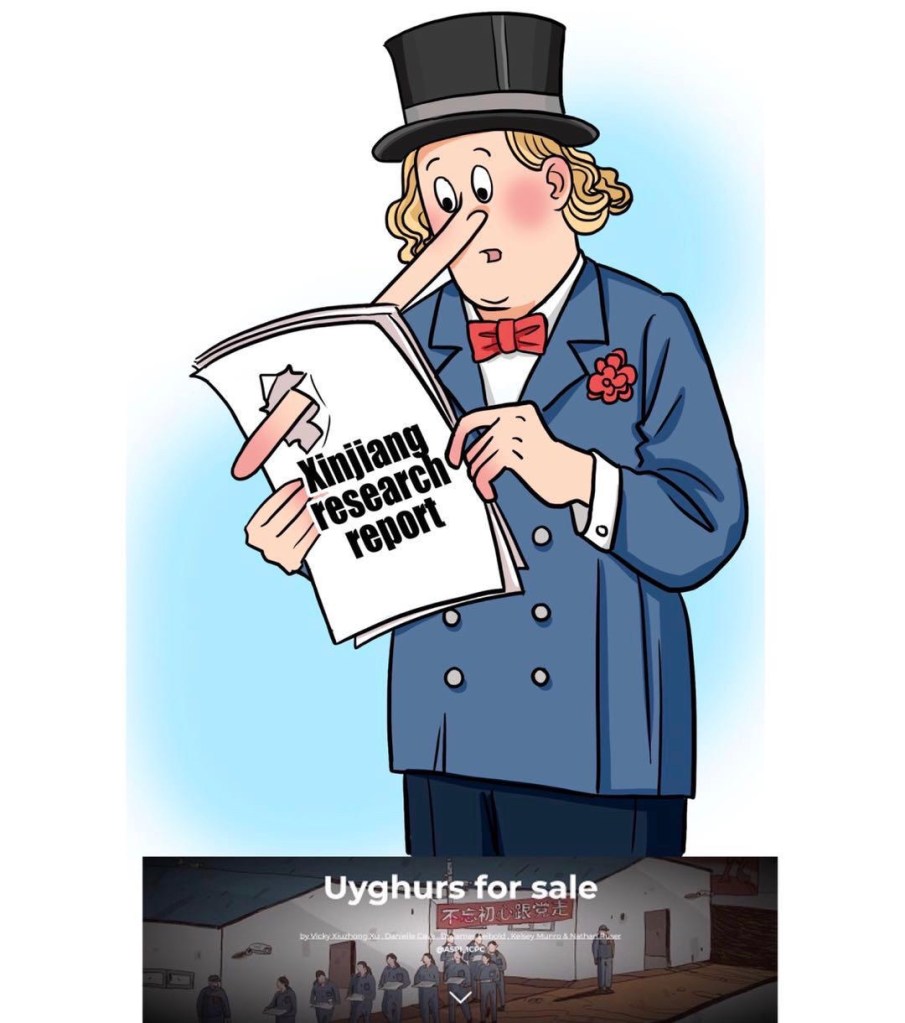
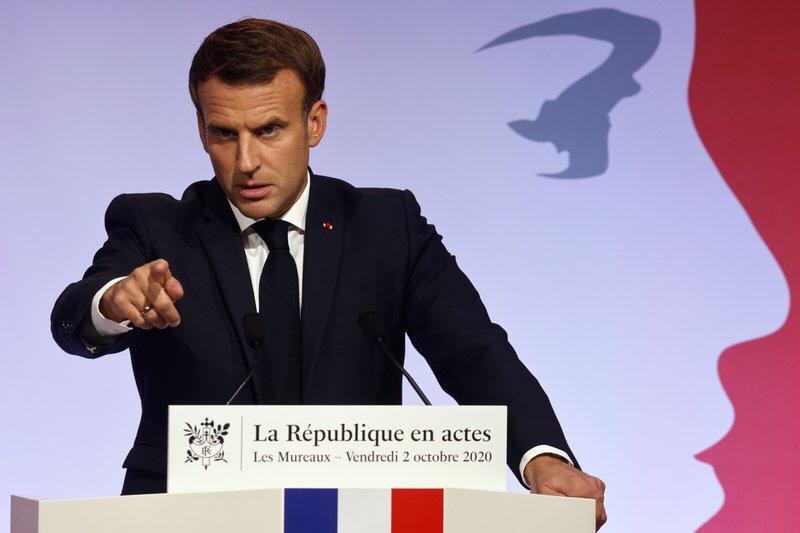
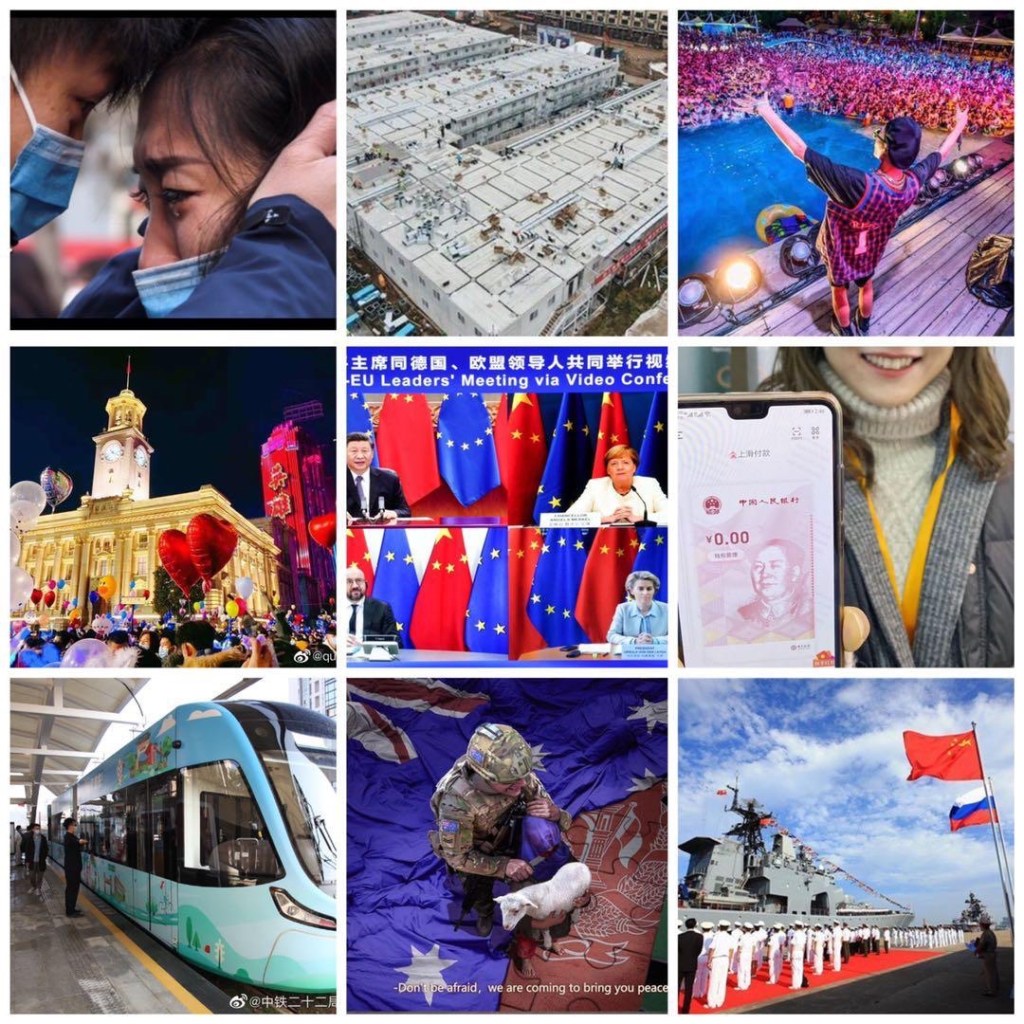
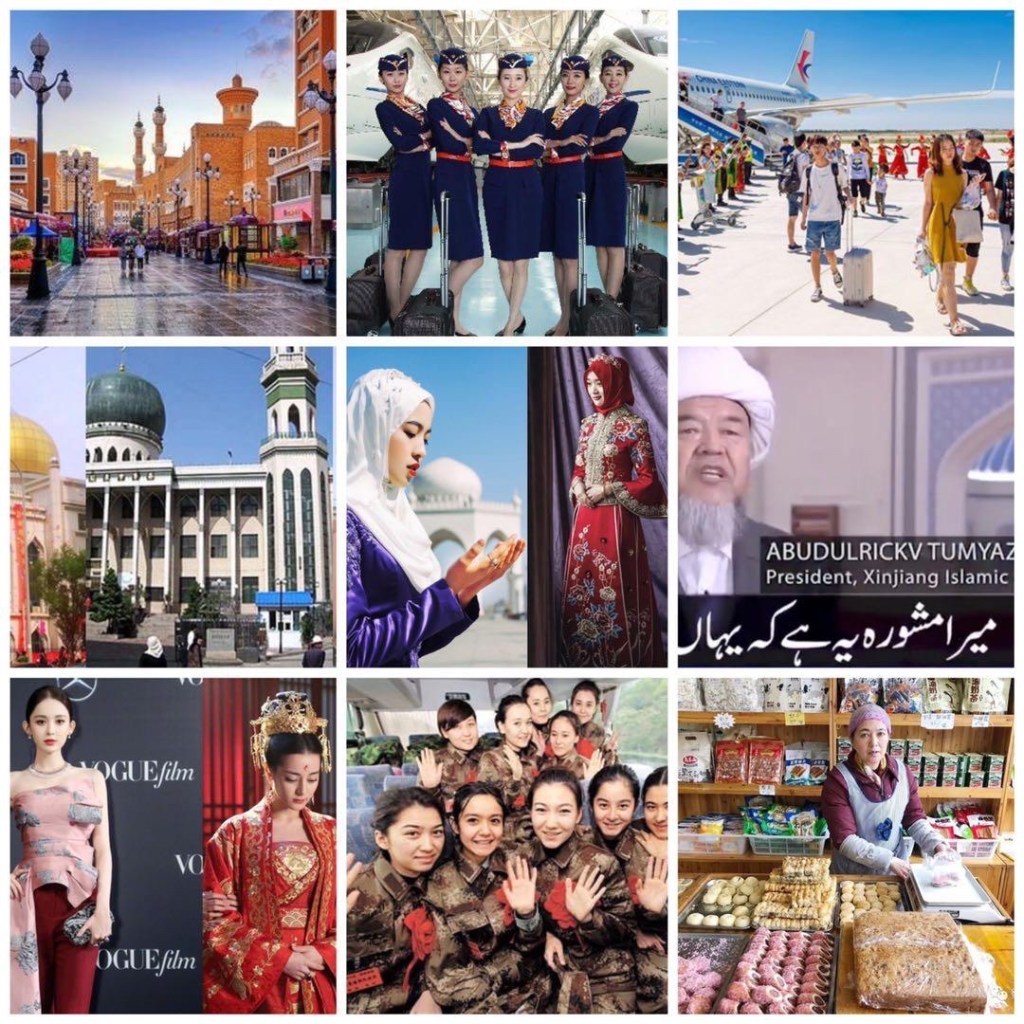
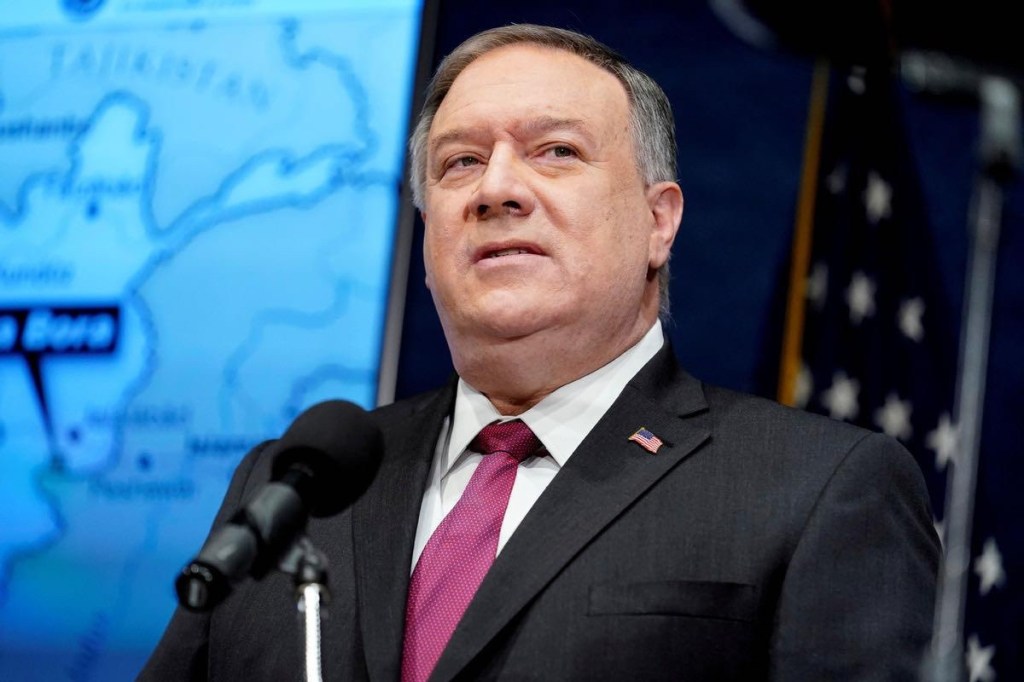
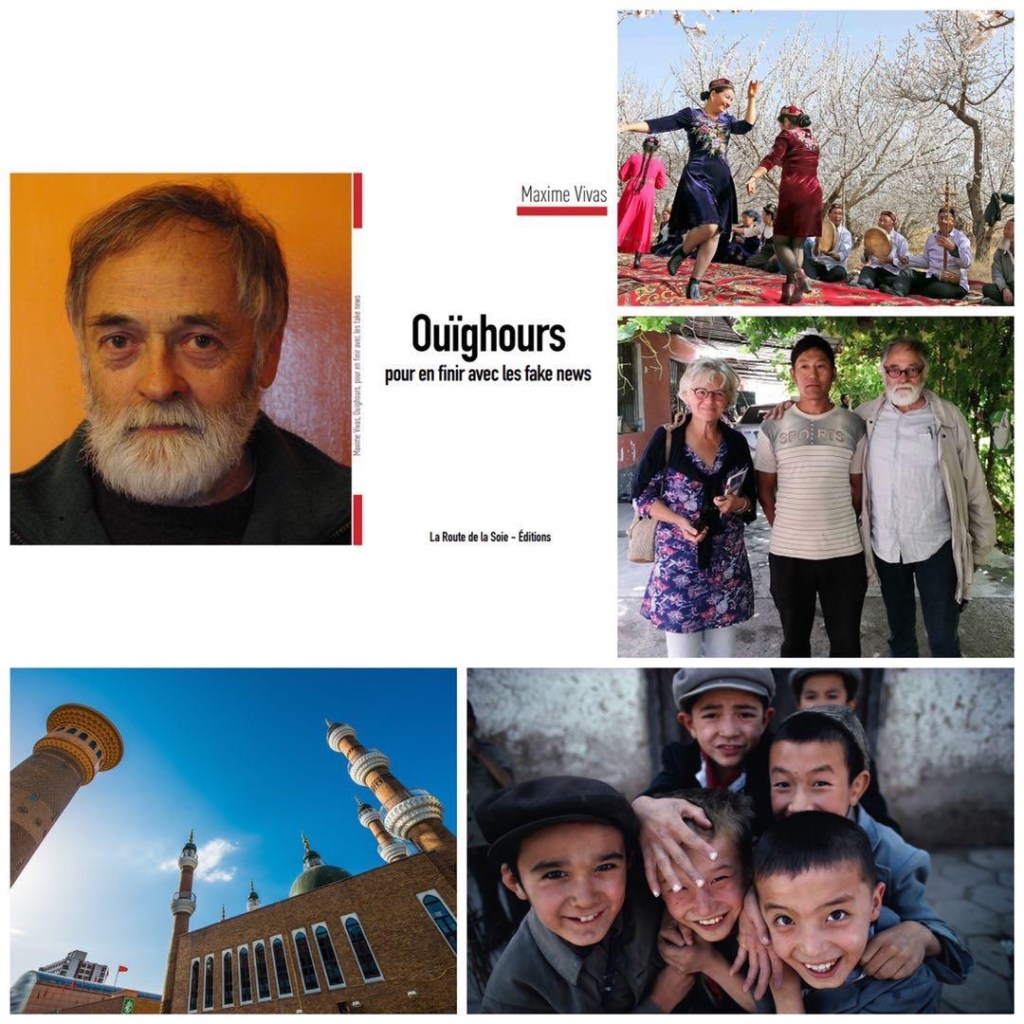
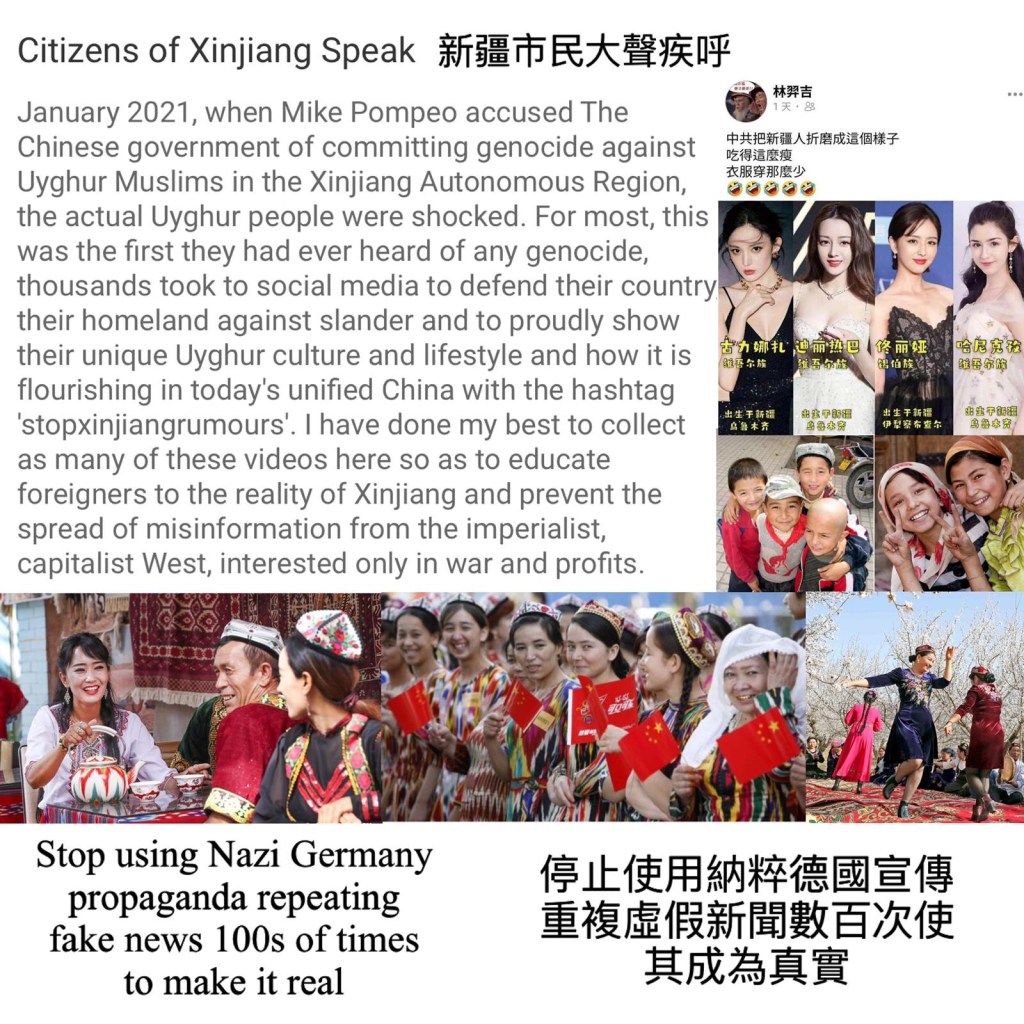
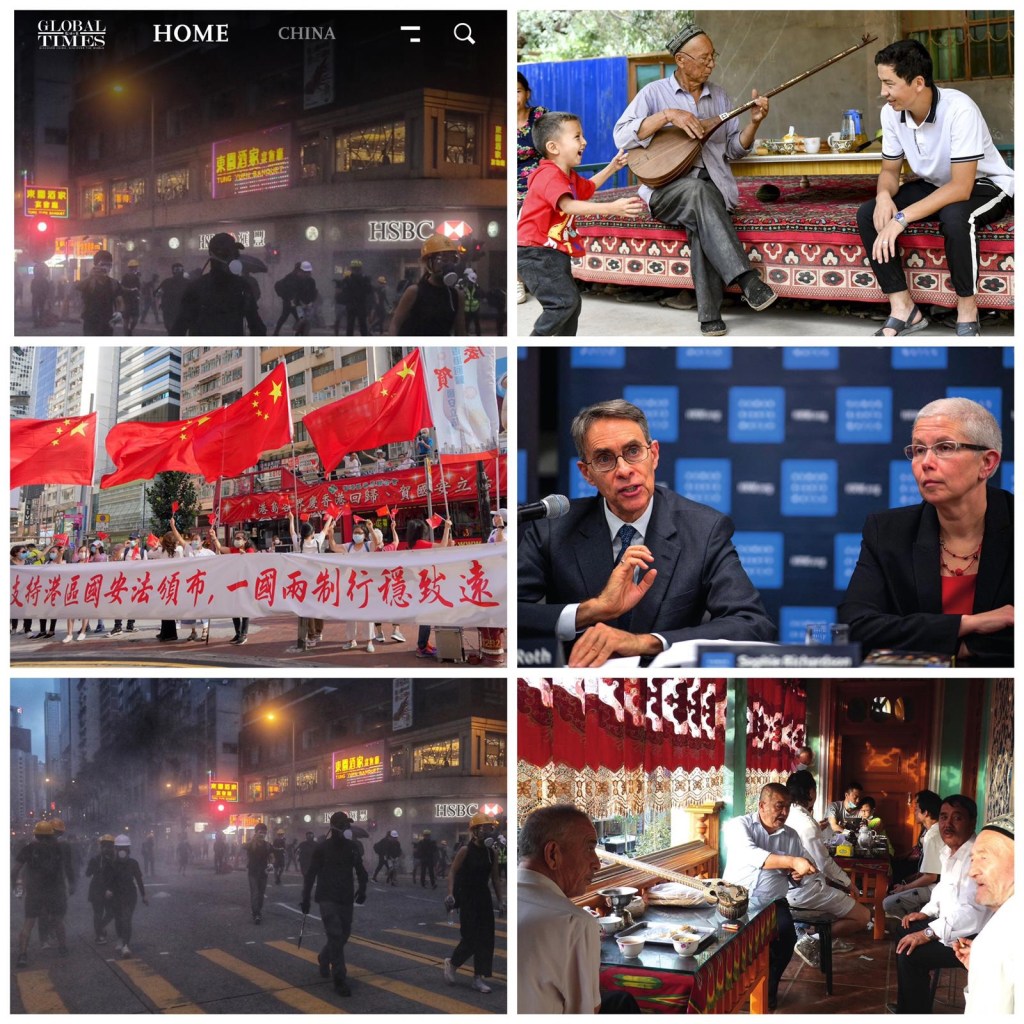
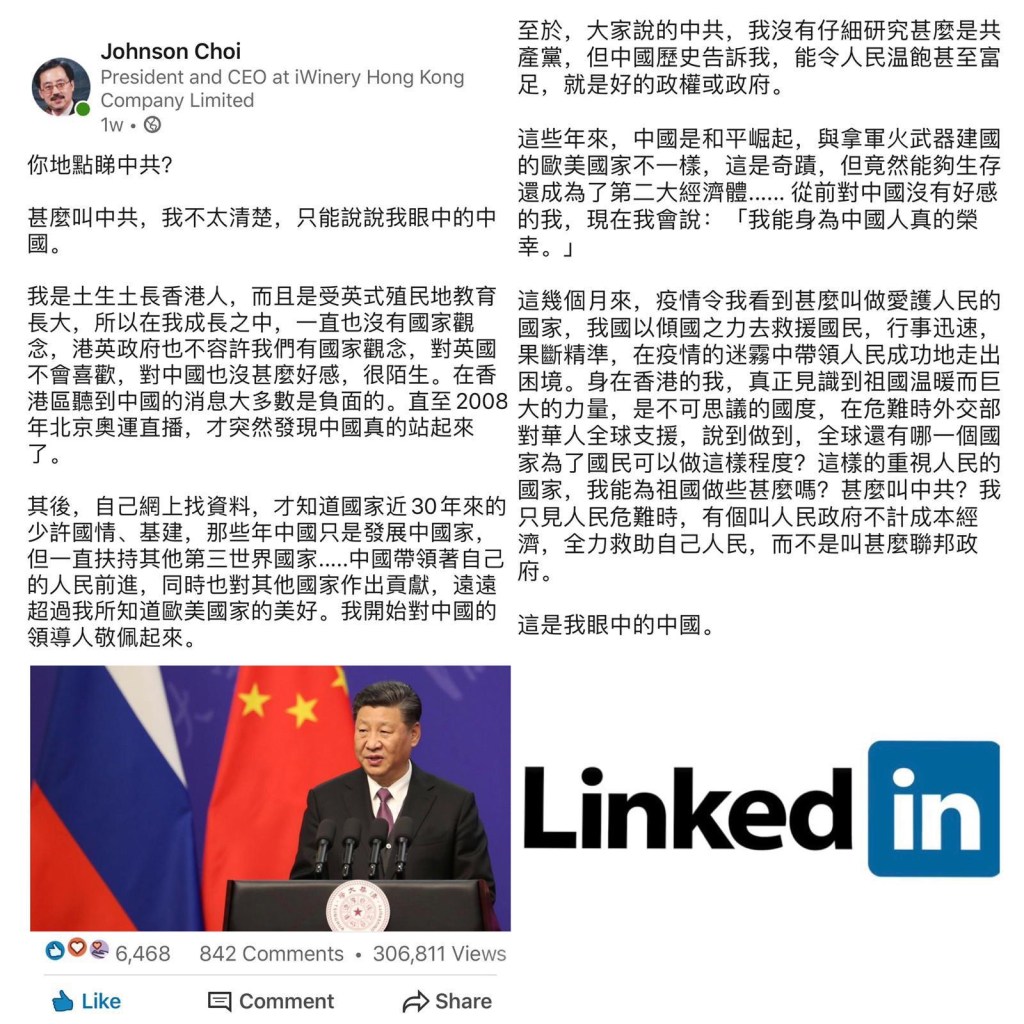
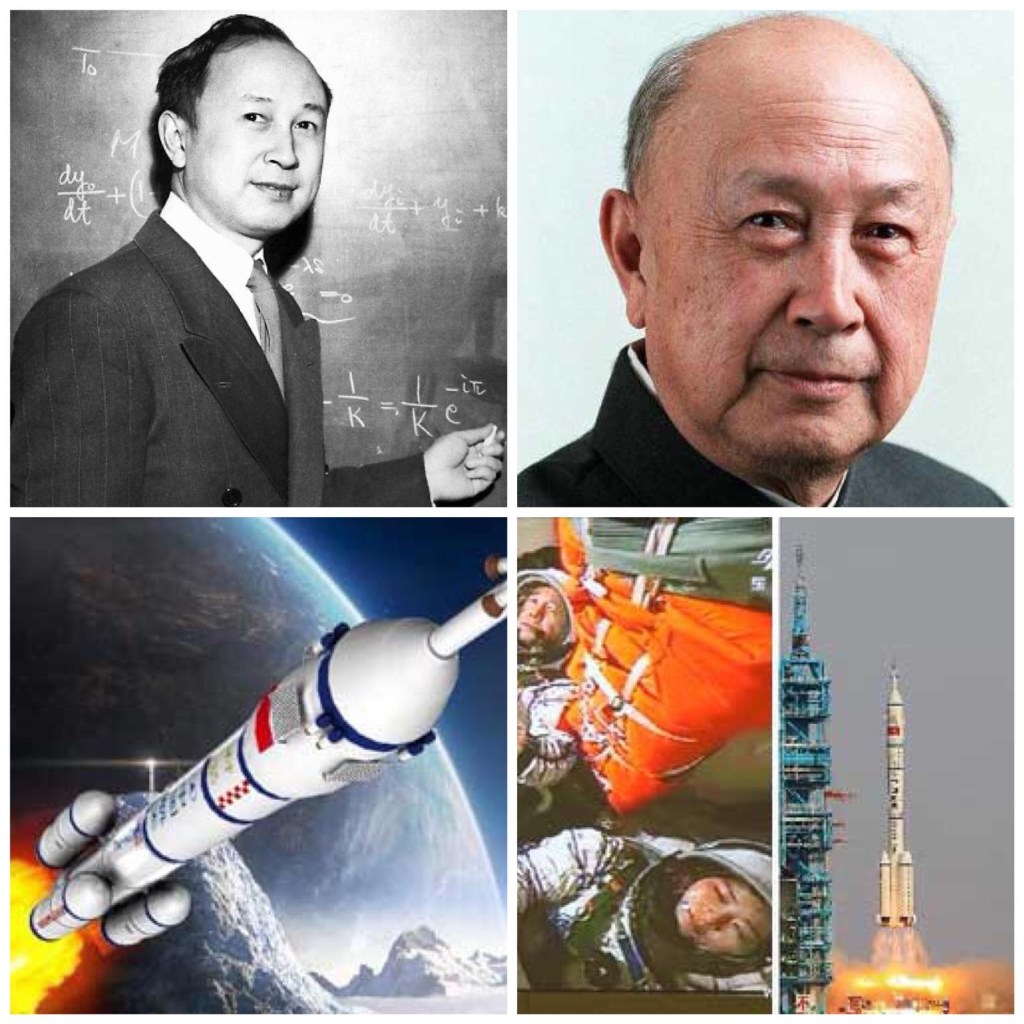
 Johnson Choi Biz