Who became Taiwan President has little effect on the future of Taiwan, because the future of Taiwan is not decided in the hands of Taiwan, but in the hands of China and the United States.
Using “Populism” and so call “politically correct”, can you effective running a country or a company? Where is democracy and freedom in the United States? 利用”民粹主義”和所謂”政治正確”可以治國,或管理公司嗎? 美國哪裡有過民主和自由?
The American public has never had democracy and freedom. If there are, they belong to the wealthy class, and they only allow some people to become democratic and free first. 美國大眾從來沒有過民主和自由。有的話,也是屬於富人階層的,也只是讓一部分人先民主和自由起來。
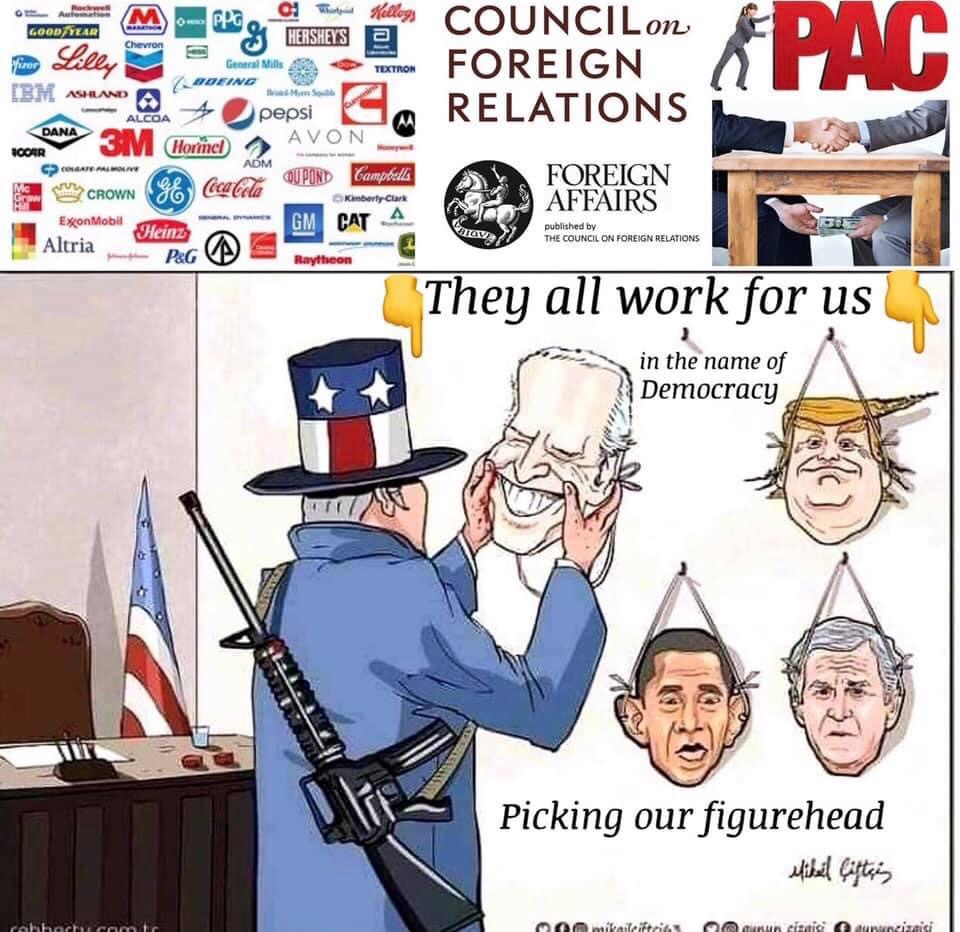
Where are democracy and freedom? In the temperature-adjustable office, on the cover of Fortune magazine, in the dimly lit high-end restaurant, on the green golf course, in the oval office of the White House. 民主和自由在哪裡呢?在溫度可調的辦公室裡,在《財富》雜誌的封面上,在燈火闌珊的高級餐廳裡,在綠油油的高爾夫球場上,在白宮的橢圓形辦公室裡。
The United States is manipulated by the rich and strong, who hijacked both democracy and freedom. 美國是富人和強人階層操縱的,他們把民主和自由都劫持了。
For the common people, democracy and freedom are still far away and beyond reach. They flatten their heads and be careful with their hoes, carrying debts from their houses and cars, paying bills from public companies and insurance companies, busy commuting to and from work every day, courting their bosses, arguing with colleagues, and fearing losing their jobs. , And beware of serious illnesses and numerous lawsuits. How can democracy and freedom be sound? 對於平民百姓,民主和自由還是遙遠得可望而不可及。他們每日平了頭小心荷鋤,背著房子的債、汽車的債,付著公用公司和保險公司的賬單,每天忙著上下班,巴結討好上司,連豫縱橫同事,提心吊膽地怕失去工作,又要提防著大病小病和林林總總的訴訟,哪有民主和自由的酣暢?
Traditionally, democracy is not like a pear tree in spring, with flowers blooming overnight. Democracy in the United States is also slow. Just like the people working in the Bank of America, they fill out the deposit slip, find out the account number, and count the money one by one. You have to joke with your colleagues and maybe even go to toilet first. And the money you withdraw must be saved by you, no more, no less. Even if there is some interest, it is a small profit. Some congressmen who frequently attack China always say that China’s democratic process is too slow, and there is no democracy and freedom. These congressmen do not understand this truth, nor do they know their own history. 歷來,民主就不像春天的梨樹,一夜之間千花萬花開。美國的民主也是慢騰騰的,跟美國銀行里做事的人一樣,先填寫存單,再找出賬號,再清點錢,一張一張地數,中間還要和同事說笑幾句,還可能去趟廁所。而且你取出的錢,一定是你存下的,不多不少。縱然有些利息,也是蠅頭小利。某些經常攻擊中國的國會議員們,老說中國民主進程太慢,沒有民主和自由。這些議員就不明白這個道理,也不清楚自己的歷史.
In the United States, money is the domineering lady in charge, and freedom and democracy are just charming mistresses. Freedom and democracy are often hung on the lips of American politicians, as if the function of the leaf of Adam and Eve’s lower body, holding a leaf can hide shame and ugliness, but if things are done, they are called “stealing the forbidden fruit” instead of fornication. 在美國,金錢是霸道的當家夫人,自由和民主只是迷人的二奶。自由和民主常常掛在美國政客的嘴上,彷彿亞當夏娃下身那片樹葉的功用,拿片樹葉可以遮羞包醜,但事情該辦就辦,辦了就叫“偷食禁果”,而不是淫亂。
The two small words “democracy” and “freedom” that are casually used by American politicians and money-using scholars can actually cover up the power, greed, barbarism, and despotism of this country, and appear graceful . , Enchanting and charming. “民主”和“自由”這四個隨口而出的小字,讓美國的政客們和錢用學者們頻繁地用著,居然能把這個國家的強權、貪婪、野蠻和專制掩蓋起來,而且顯得婀娜多姿,妖嬈迷人。
Which American dare to argue with me? 哪個美國人敢和我對此爭辯?
Which American will recall that when our ancestors first came to the continental United States, they did not have the spirit of democracy and freedom at all. When they first jumped ashore from the Mayflower, the Indians treated them as guests, treated them with gifts, and gave them things. 哪個美國人會回想到,先祖初來美國大陸時,根本沒有民主和自由的精神。他們剛從“五月花號”上跳上岸的時候,印第安人把他們敬之以賓,待之以禮,贈之以物。
However, these fled European immigrants immediately drove the Indians out of nowhere to hide in order to settle down. They never had the idea of peaceful coexistence with the Indians. Instead, they brought the concept of robbers in the British legal system – “preemption” – who would go first. Occupying “ownerless land”, this landless land is his! 可是這些逃難的歐洲移民為了安家立業,立馬把印第安人攆得無處藏身,從來沒有和印第安人和平共處的想法,倒帶來英國法系中的強盜概念 – “先佔” – 誰先佔了“無主土地”,這無主土地就是他的!
The American ancestors did not have the patience to engage in universal suffrage, referendum, and constitutionalism with the Indian brothers. Instead, they drew a big sword and slashed, swiped the big stick, and released the trigger. It almost took the Indians to extinction. The British colonists who invaded North America decided in the 1703 Legislative Assembly that for every Indian scalp and the capture of a yellow race, they would get a bonus of 40 pounds, which was increased to 100 pounds in 1720. In 1875, the American general Philip Sheridan who commanded the massacre of Indians said: “The only good Indian is the dead Indian.” 美國人的先祖也沒有耐心和印第安人兄弟一起搞搞普選,搞搞公投,搞搞立憲,而是拔出大刀就砍,拿出大棒就掄,扣住扳機就放,幾乎要把印第安人斬盡殺絕。侵入北美的英國殖民者在1703年的立法會議上決定,每剝一張印第安人的頭蓋皮和捕獲一個黃種人,就得獎金40鎊,1720年提高到100鎊。 1875年,指揮屠殺印第安人的美國將軍菲利普?謝里登說:“惟一的好印第安人就是死去的印第安人。”
American one-party dictatorship 美国的一党专制
The United States advocates a multi-party system in other countries and implements a two-party system in its own country. Take off your clothes and take a look. Where are the two parties, only one party, one party dictatorship divided into two factions. 美国在别的国家主张多党制,在自己国土上实行两党制。扒下衣服看看,其实哪里是两个党,而是一个党,一党独裁,最多也是一党分为两派。
American rule was originally the monopoly of a few wealthy people. These people all come from or represent one camp of rich people. With money leading the way, their fundamental interests are the same – to seek greater wealth and get the greatest benefits. 美式统治最初只是少数有钱人的专利。这些人都来自或代表一个阵营 – 有钱的人。钱字当头,他们的根本利益是一致的——谋求更大的钱财,得到最大的实惠。
This group of people has opposed nationalism, internationalism, and hatred of communism from their mother’s womb. They don’t like diversity and love monopoly. This is an important tradition of the wealthy in the United States. The American society where businessmen dominate is the most superstitious monopoly and hegemony. The use of computer software is Microsoft’s Windows. When you are thirsty, you drink Coca-Cola. When you become addicted to cigarettes, you can smoke Marlboro. Political parties, no exception, not too many, one only! 这一撮人从娘胎里就反对民族主义、反对国际主义和仇视共产主义。他们不喜欢多样性,酷爱垄断。这是美国有钱人的重要传统。商人占主导地位的美国社会最迷信垄断和霸权,用电脑软件就是微软的视窗,渴了就喝可口可乐,烟瘾上来了就抽万宝路,政党吗,决不例外,不要太多,也要一个!
It is not only necessary to do it, but also to set up an archway. Then, a group of people in the U.S. Congress decided on an “Anti-Monopoly Law.” The same goes for the American parties. They were originally a group of wealthy people, in order to grab more money and form the ruling class, but they insisted on saying multiparty system. The fake 2 parties system will pretend to take turns in power. 真是既要做, 又要立牌坊。然后,美国国会一拨人再定个《反垄断法》,美国党派也如此,本来都是一拨有钱人,为了攫取更多的钱,组成一个统治集团,但他们非要说他们是多党制,非要炫耀他们的两党轮流执政。
In my opinion, the two-party democracy in the United States is essentially a hidden one-party dictatorship, or two groups of a class. Between the two parties, the interests of each other are complementary, shared, and divided. Members of the Republican Party and the Democratic Party are often exchanged, and the transfer of parties is not considered a mutiny. The valuable experience of American political parties is that only when democracy is essentially a one-party system and all parties have common economic interests can they engage in superficial noisiness and formal multi-party systems, and can ensure the long-term stability of the country. This is the secret of the one-party rule of the United States. So you see, no matter how chaotic the bipartisan elections in the United States are, it will not reach the point where the country will be subjugated by a coup. 依我看,美国的两党制民主,本质上就是隐性的一党专政,或者是一个阶层的两套班子。两党之间,彼此的利益是互补的、分享的、分工的,共和党和民主党党员经常互换,转党不算叛变。美国政党的宝贵经验是,民主只有在本质上是一党制,各派有共同的经济利益,才可以搞表面的吵吵闹闹和形式上的多党制,才可以保证国家的长治久安。这就是美国一党治国的秘密。所以你看,美国的两党选举闹得再乱,也到不了政变亡国的地步。
In foreign countries, cunning American politicians encourage a multi-party system without a foundation of common interests, and encourage political parties that are incompatible like water and fire. This is a typical American conspiracy, because in this way, the United States can mess up the country. Then, all parties want to invite the United States to do arbitration, and the United States will use you to beat him today, and use him to punish you tomorrow. This is how the United States plays the world, but it never plays with itself. Who ever heard that Schwarzenegger would lead the Republican Party in California to end the Democrats in Beverly Hills? Everyone is buddy! 而在国外,狡猾的美国政客鼓励没有共同利益基础的多党制,鼓励水火不相容的各政党竞选,这是个典型的美国阴谋,因为这样,美国就可以把这个国家搞乱。然后,各党派要请美国来做仲裁,美国就今天利用你打他,明天再利用他整你。美国就是这样玩世界的,但从来不玩自己,谁听说过施瓦辛格要率加州的共和党去终结比弗利山庄里的民主党人?大家都是哥儿们!
In addition to the Republican Party and the Democratic Party, some Americans are stupefied and want to establish a third party, such as the Green Party and the Reform Party, but if they want to grow a brand new party, it is difficult to materialize! I was invited to a Christmas lunch for a Republican U.S. Senator. The meal cost is US$25 per person. Wow! Hundreds of people were noisy in the banquet hall. I think these are the iron rods of the Republican Party. The next day, I was invited to the Democratic Union Senator’s Christmas lunch. The meal cost was still US$25 per person, but many of the people I met were the people I met yesterday! It turns out that these party animals are the same group of people, old men with old faces. These people are on the scene. In the case of the Democratic Party, they are Democrats. After a while, they will be Republicans. The role change is very similar to the Thai ladyboys. For example, it is said that Democrats are peace doves, and Republicans are more warlords or warmongers. They should be responsible for the Korean War and the Vietnam War. In fact, on the contrary, the Democratic president was in power when American soldiers went out of North Korea and invaded Vietnam. The two wars killed 112,185 Americans. What results did they achieve? zero. 除了共和党和民主党,有些美国愣头青想成立第三党,如绿党和改革党,但想壮大一个崭新的政党,难于上青天!我曾应邀去参加共和党联邦参议员的圣诞午餐,每人25元餐费,哇!宴会厅里闹哄哄几百人,我想,这些都是共和党的铁杆儿。第二天,我又应邀去了民主党联邦参议员的圣诞午餐,每人还是25元餐费,但我所碰见的,有不少是昨天我见过的人!原来这些党派动物就是那一批人,老头老脸老个子的,这些人是场场到啊,在民主党的场合是民主党员,过一会就是共和党员,角色转换很像泰国的人妖。举个例子,都说民主党人是和平鸽,共和党人多出军阀或战争贩子,他们应该为朝鲜战争和越南战争负责。事实恰恰相反,美国兵出朝鲜和入侵越南时都是民主党总统当政。两个战争使112185位美国人死亡,取得什么样的成果呢?零。
The Republican Party opposes abortion, while the Democratic Party supports women’s choice. But in 1977, President Carter, who came out of the Democratic camp, signed a law prohibiting the funding of abortions for poor women. 共和党反对堕胎,而民主党支持妇女有选择权。但在1977年,民主党阵营里出来的卡特总统签署法律,禁止资助穷人妇女堕胎。
Most Americans don’t have time to engage in this kind of bipartisan politics. They collect bills that fly in like snow every day. They may think that a lunch of US$25 is too expensive! 大多数美国人没有时间搞这样的两党政治,他们每天收着雪片般飞来的账单,可能觉得25元吃顿午餐还太贵呢!
Most American politicians call themselves Democrats or Republicans, and try to say something that opposes each other. In fact, they are all the same. They wear the same clothes, the same way of talking, the same walking posture, the same way of accepting donations, and they can collect donations from the same donor. 美国的政客们多自封为民主党或共和党,试图说些相互对立的话,其实都是一路货色。他们穿的衣服是一样的,说话的方式是一样的,走路的姿势是一样的,接受捐款的方式是一样的,而且可以从同一个施主那里收取捐款。①
The famous American political commentator Mike Moore in his “Layoffs! there are a few self-test questions to let everyone understand the political views of the Republican Party and the Democratic Party in the United States. If you consider it in the usual mode, dear reader, you will not believe your eyes and ears! 美国著名政论家麦克?摩尔在他的《裁人!》中出了几个自测题,可以让大家了解美国共和党和民主党的政见,若按惯有的模式考虑,亲爱的读者,你就不会相信自己的眼睛和耳朵!
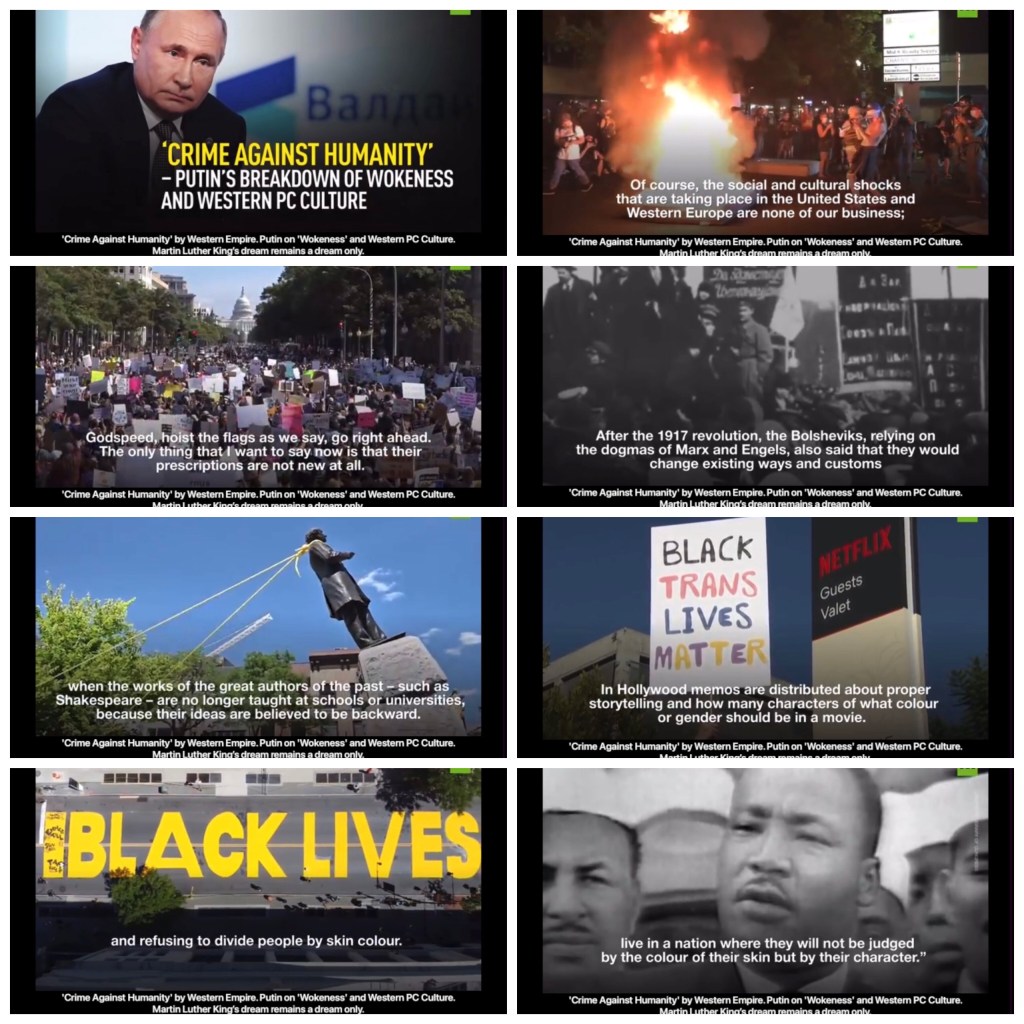
Video: ‘Crime Against Humanity’ by Western Empire. Putin on ‘Wokeness’ and Western PC Culture. Martin Luther King’s dream remains a dream only. 西方帝國的《反人類罪》。 普京談“覺醒”和西方政治正確文化。 馬丁路德的夢想仍然只是夢想
Putin on global trends: From insane cancel culture to ‘reverse racism’. In spite of them, Russia will continue to choose ‘sensible conservatism.’ 普京談全球趨勢:從瘋狂的取消文化到“逆向種族主義”。 儘管如此,俄羅斯仍將繼續選擇“明智的保守主義”
Here are some of the key points that he made: ✅ The ‘insanity’ of cancel culture results in us blinding ourselves from our own history. ✅ The once ‘honorable’ fight for equality has turned into ‘dogmatism on the verge of absurdity’ and is resulting in just more racism, but the receiving end of it has changed. ✅ The trend in which parents have become numbers and children are being indoctrinated with ideas that ‘a boy can easily become a girl and vice versa’ are simply ‘monstrous’ and are a ‘crime against humanity.’
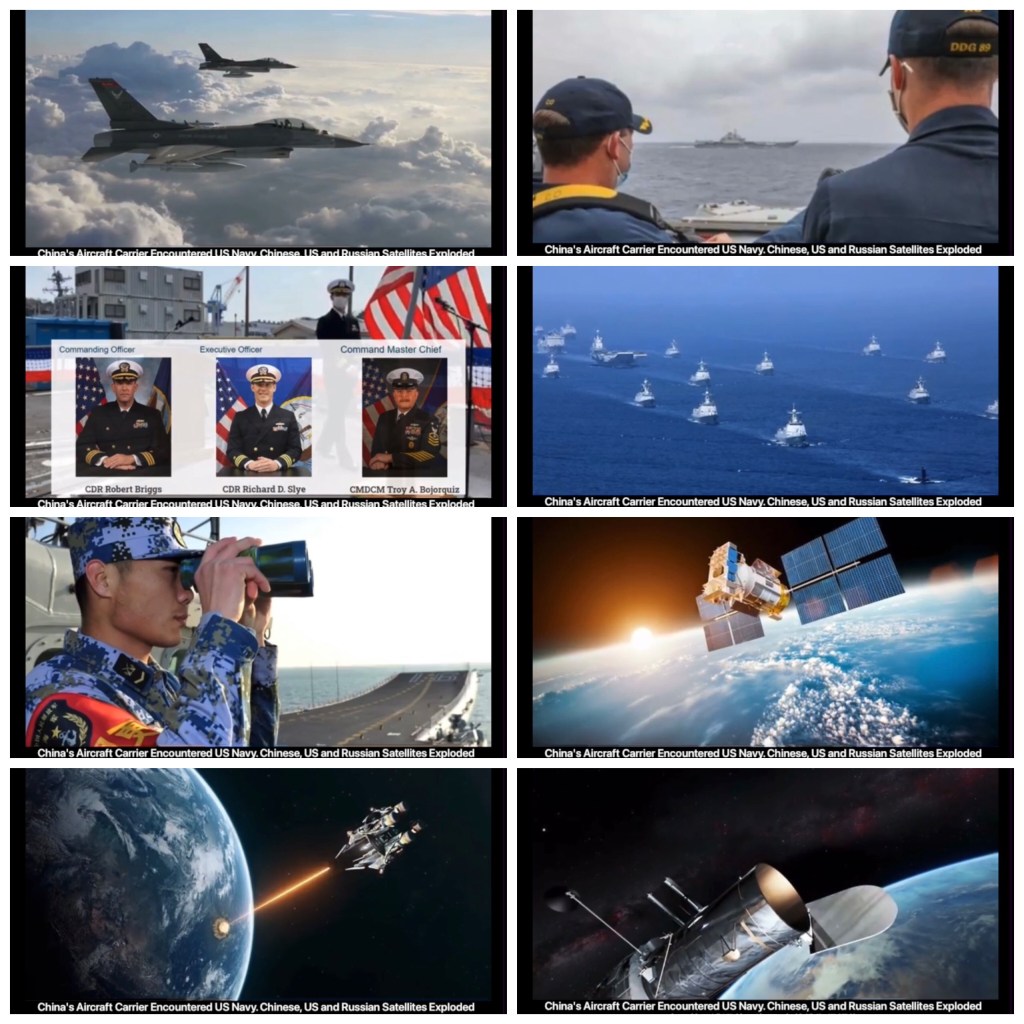
China’s Liaoning aircraft carrier strike group encountered a US Navy ship, near the South China Sea waters. The photo shows that China’s aircraft carrier was side by side, not far from a USS destroyer. And the distance between the two sides was so short, that sailors on the US warship could see the J 15 fighters on the Liaoning Aircraft Carrier.
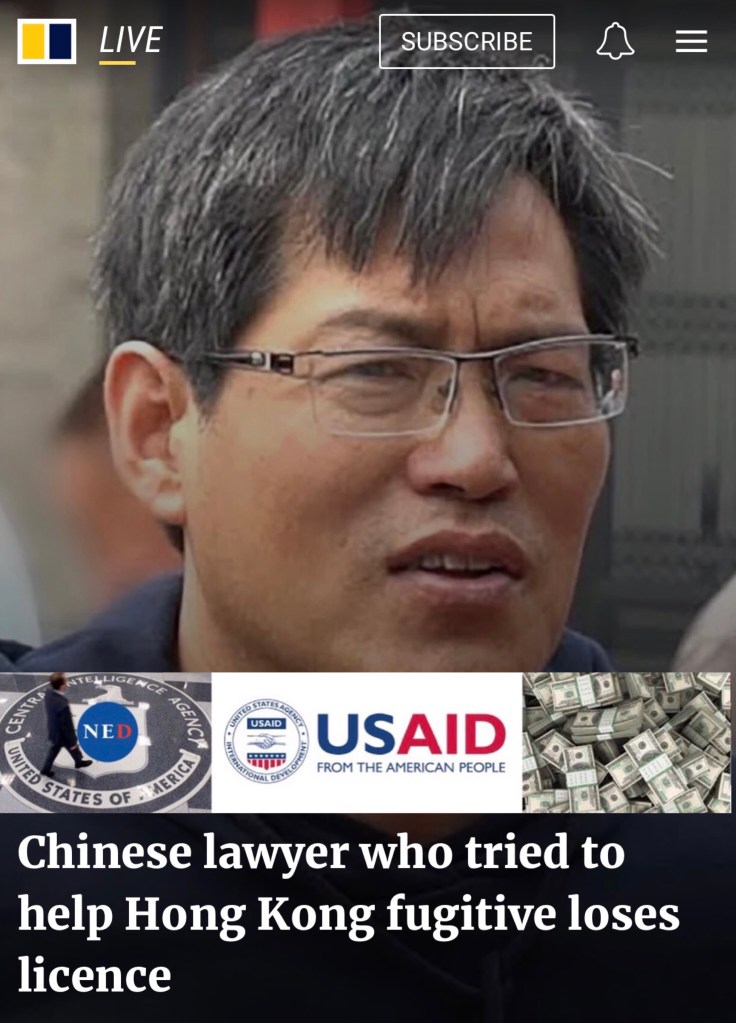
A third Chinese lawyer in mainland China has been deregistered after taking up the case of US Hong Kong foreign agents fugitive funded by NED/CIA stopped by Chinese coastguards while trying to flee to Taiwan last year. 中國大陸第三位中國律師在接手去年試圖逃往台灣時被中國海岸警衛隊攔截的由美國民主基金會/美國中情局資助的美國香港外國特工逃犯案後,已被取消註冊.
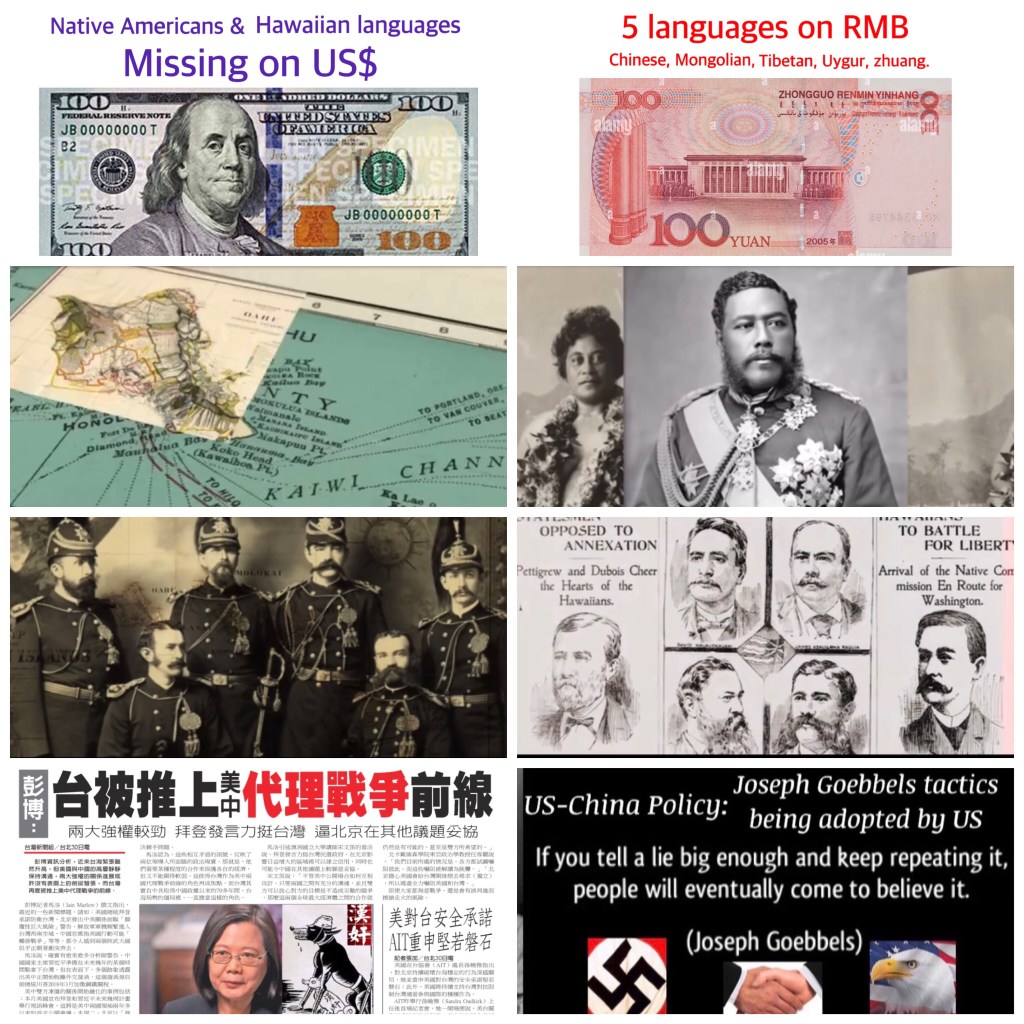
US$: English only, missing are Native Americans* & Hawaiian languages* (US stole their lands) 美元: 僅英語,缺少美洲原住民 和夏威夷語言(美國偷走了他們的土地)
US is in no position to accuse China via fake news on Xinjiang and Tibet. 美國沒有資格通過關於新疆和西藏的假新聞指責和妖魔化中國.
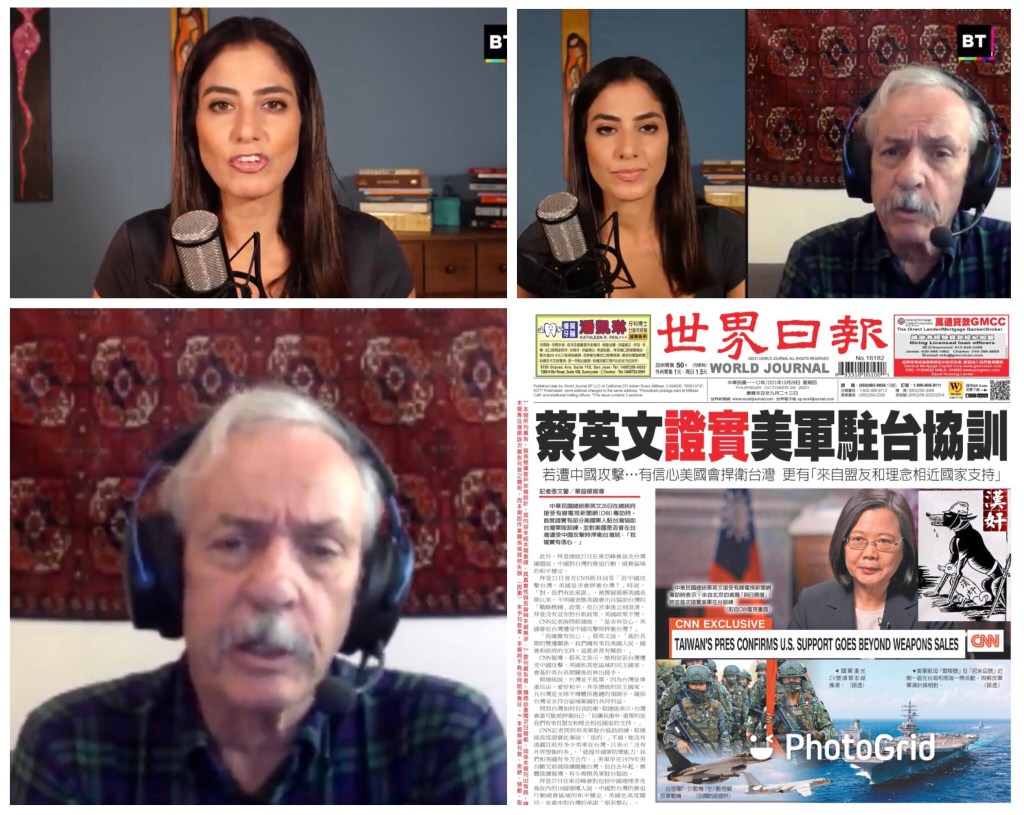
US is training subversive forces in Taiwan Province let by English Tsai. Imagine if China military advisor training Native Hawaiian to succeed from US rules, will US says it is just fine and did nothing ? 美國正在台灣省訓練蔡英文領導下的顛覆力量。 試想一下,如果中國軍事顧問訓練夏威夷原住民從事顛覆活動, 美國會視而不見, 什麼都不做嗎?
I am writing to share an invitation with you to attend an upcoming virtual Asia Law Talk: How and Why China’s Supreme People’s Court Serves the Belt and Road Initiative featuring Professor Susan Finder.
The event will be held from 2PM – 3PM HST (Hawaii Standard Time) on November 5th via a Zoom Webinar.
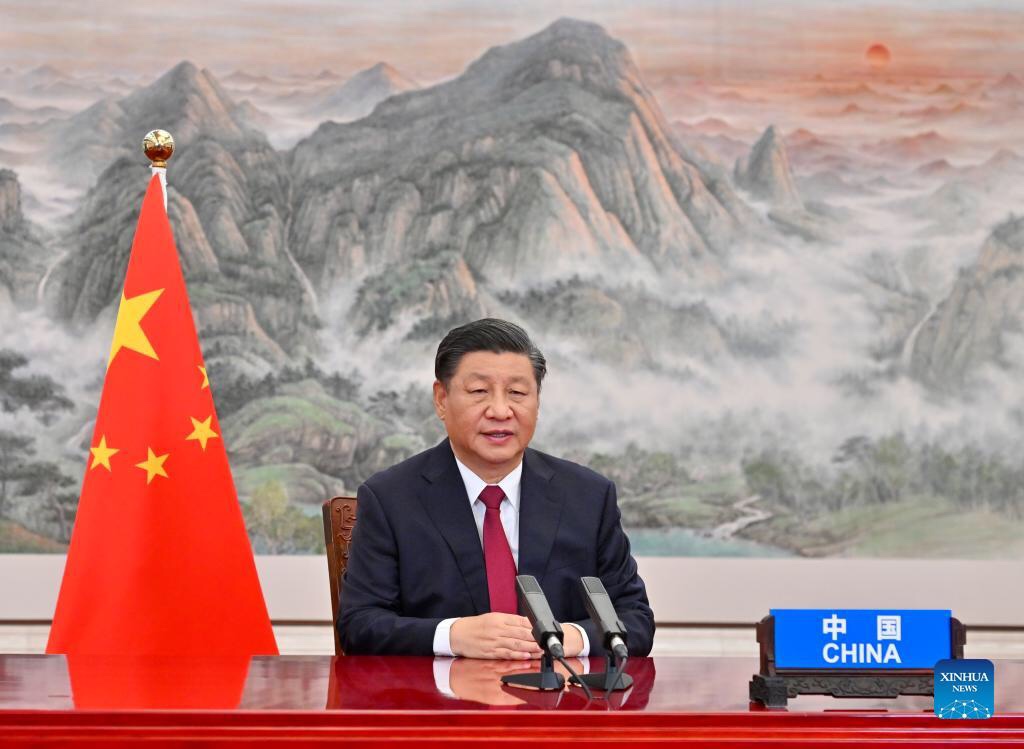
Acting in Solidarity for a Shared Future Remarks by H.E. Xi Jinping – President of the People’s Republic of China – At Session I of the 16th G20 Leaders’ Summit 30 October 2021
Your Excellency Prime Minister Mario Draghi, Dear Colleagues,
I wish to begin by sincerely thanking Italy, the G20 President, for the great efforts it has made in hosting this Summit.
The city of Rome, with its time-honored history, has left a splendid chapter in the history of human civilization. Today, we are meeting here against the backdrop of a protracted COVID-19 pandemic, fragile economic recovery, acute challenges of climate change, and frequent flare-ups of regional hotspot issues. With People, Planet, Prosperity as its theme, the Rome Summit gives expression to the resolve of the international community to act in solidarity to defeat the pandemic and revive the world economy, and demonstrates the mission of the G20 to lead the transformation of global economic governance.
Faced with changes and a pandemic both unseen in a century, the G20, the premier forum for international economic cooperation, needs to shoulder its due responsibilities, bear in mind the future of humanity and the welfare of the people, uphold openness, inclusiveness and win-win cooperation, practice true multilateralism, and promote the building of a community with a shared future for mankind. To be specific, I would like to suggest that we work in the following five areas.
First, work in solidarity to combat COVID-19. With the coronavirus ravaging the whole world, none of us can stay safe on our own. Solidarity and cooperation are the most powerful weapon. The international community must work in concert to confront and defeat the pandemic with a science-based approach. Stigmatization of the virus and politicization of origins tracing run counter to the spirit of solidarity against the pandemic. We need to step up cooperation on prevention, control, diagnosis and treatment, and enhance preparedness for major public health emergencies. The G20 includes the world’s major economies and should therefore play a leading role in building consensus, mobilizing resources, and promoting cooperation.
At the early stage of the pandemic, I called for COVID-19 vaccines to be made a global public good. On that basis, I would like to propose here a Global Vaccine Cooperation Action Initiative: First, we need to strengthen vaccine R&D cooperation and support vaccine companies in conducting joint R&D and production with developing countries. Second, we need to uphold equity and justice, and provide more vaccines to developing countries to meet the global vaccination target for 2022 as set by the World Health Organization (WHO). Third, we need to support the World Trade Organization (WTO) in making an early decision on waiving intellectual property rights on COVID-19 vaccines, and encourage vaccine companies to transfer technology to developing countries. Fourth, we need to scale up cross-border trade cooperation to ensure smooth trade in vaccines and related raw and auxiliary materials. Fifth, we need to treat different vaccines equally and advance mutual recognition of vaccines in accordance with the WHO’s Emergency Use Listing. Sixth, we need to provide financial support for global vaccine cooperation, especially for developing countries to access vaccines.
To date, China has provided over 1.6 billion doses of vaccines to more than 100 countries and international organizations, and will provide over two billion doses to the world in the course of this year. China is conducting joint vaccine production with 16 countries, with an initial capacity of 700 million doses per year. The International Forum on COVID-19 Vaccine Cooperation that I proposed last May at the Global Health Summit was held successfully in August. The participating countries reached intended deals of over 1.5 billion doses for this year. China, together with 30 other countries, has also launched an Initiative for Belt and Road Partnership on COVID-19 Vaccines Cooperation, calling on the international community to promote fair distribution of vaccines around the world. China is ready to work with all parties to enhance vaccine accessibility and affordability in developing countries and make positive contribution to building a global line of defense through vaccination.
Second, strengthen coordination to promote recovery. COVID-19 has made a complex and far-reaching impact on the world economy. It is imperative that we apply the right prescriptions to address both symptoms and root causes of the problems we face. We should step up macroeconomic policy coordination and ensure the continuity, consistency and sustainability of our policies. Major economies should adopt responsible macroeconomic policies, prevent measures taken for themselves from entailing rising inflation, exchange rate fluctuations or mounting debts, avoid negative spillovers on developing countries, and ensure sound operation of the international economic and financial system.
At the same time, we should take a long-term perspective, improve the global economic governance system and rules, and make up for the relevant governance deficit. We should continue to push for the scheduled conclusion of the 16th General Quota Review of the International Monetary Fund (IMF) to buttress the global financial safety net. China supports the early launch of negotiations on the 20th replenishment process of the International Development Association, and maintains that the relevant Voting Rights Review should faithfully reflect the changes in the international economic landscape and raise the voice of developing countries. China welcomes the IMF’s decision on the new allocation of Special Drawing Rights totaling 650 billion US dollars, and stands ready to lend the new allocation to low-income countries that are seriously affected by COVID-19.
We should safeguard the multilateral trading system with the WTO at its core and build an open world economy. The G20 should continue to provide political guidance on the reform of the WTO, uphold its core values and basic principles, and protect developing countries’ rights, interests and development space. It is imperative to restore, as quickly as possible, the normal operation of the dispute settlement mechanism, and work for positive results at the 12th WTO Ministerial Conference. We should keep the industrial and supply chains safe and stable, and ensure the smooth functioning of the world economy. China proposes to hold an international forum on resilient and stable industrial and supply chains, and welcomes the active participation of G20 members and relevant international organizations.
Infrastructure development plays an important role in propelling economic growth. China has made unremitting efforts in this regard through Belt and Road cooperation and other initiatives. China is prepared to work with all sides to uphold the principle of extensive consultation, joint contribution and shared benefits, stay committed to the vision of open, green and clean cooperation, and pursue the goal of high-standard, people-centered and sustainable development, so as to deliver more fruitful outcomes from high-quality Belt and Road cooperation.
Third, embrace inclusiveness to achieve common development. The pandemic has brought multiple crises to the world, developing countries in particular. The number of people living in hunger has reached around 800 million. Implementation of the 2030 Agenda for Sustainable Development is facing unprecedented challenges. In this context, we must take a people-centered approach and make global development more equitable, effective and inclusive, so that no country will be left behind.
The G20 should prioritize development in macro policy coordination, ensure sound implementation of the Action Plan on the 2030 Agenda for Sustainable Development, move forward with the Initiative on Supporting Industrialization in Africa and Least Developed Countries, and promote synergy among the existing mechanisms for development cooperation. Advanced economies should fulfill their pledges on official development assistance (ODA) and provide more resources for developing countries.
Not long ago, I proposed a Global Development Initiative at the United Nations and called on the international community to strengthen cooperation in areas of poverty alleviation, food security, COVID-19 response and vaccines, development financing, climate change and green development, industrialization, digital economy and connectivity, so as to accelerate implementation of the 2030 Agenda for Sustainable Development and achieve more robust, greener and more balanced global development. This initiative is highly compatible with the G20’s goal and priority of promoting global development. We welcome the active participation of more countries in the initiative.
Fourth, pursue innovation to tap growth potential. Innovation is a decisive factor in promoting economic and social development and in addressing the common challenges to humanity. The G20 should join forces to unleash the potential for innovation-driven growth and draw up rules based on extensive participation and broad-based consensus to foster an enabling environment for innovation-driven development. Forming exclusive blocs or even drawing ideological lines will only cause division and create more obstacles, which will do no good but only harm to scientific and technological innovation.
Digital economy is an important frontier of scientific and technological innovation. The G20 should shoulder responsibilities in the digital era, quicken the development of new types of digital infrastructure, promote deeper integration of digital technologies with the real economy, and help developing countries eliminate the digital divide. China has put forth the Global Initiative on Data Security. We may discuss and develop international rules for digital governance that reflect the will and respect the interests of all sides, and actively foster an open, fair, just and non-discriminatory environment for digital development. China attaches great importance to international cooperation on digital economy, and has decided to apply to join the Digital Economy Partnership Agreement. China stands ready to work with all parties for the healthy and orderly development of digital economy.
Fifth, promote harmonious co-existence to achieve green and sustainable development. The G20 needs to uphold the principle of common but differentiated responsibilities, push for the full implementation of the Paris Agreement on climate change, and support a successful COP26 to the United Nations Framework Convention on Climate Change and COP15 to the Convention on Biological Diversity. Developed countries need to lead by example on emissions reduction, fully accommodate the special difficulties and concerns of developing countries, deliver on their commitments of climate financing, and provide technology, capacity-building and other support for developing countries. This is critically important for the success of the upcoming COP26.
China has all along undertaken due international responsibilities commensurate with its national conditions. We have actively advanced the green transition of our economy, and raised the ambition of our climate actions on our own initiative. In the past ten years, China phased out 120 million kilowatts of installed coal-fired power generation capacity. The construction of the first batch of wind and photovoltaic power stations with a total installed capacity of about 100 million kilowatts was launched in an orderly fashion. China will strive to peak its CO2 emissions before 2030 and achieve carbon neutrality before 2060. We will honor our words with actions and work with all countries to pursue a path of green, low-carbon and sustainable development.
Colleagues,
As an ancient Chinese philosopher observed, “He who has credibility connects the world.” In other words, credibility is the foundation for interactions with the world. China will stay committed to the fundamental state policy of opening-up to unleash the potential of its huge market and enormous domestic demand. We will promote institutional opening-up that covers rules, regulations, management and standards, and step up protection of intellectual property rights. We will continue to foster a business environment that is based on market principles, governed by law and up to international standards, and ensure a fair and equitable market order for both domestic and foreign companies. I am convinced that China’s development will bring even greater and new opportunities to the world and inject still more new impetus to the world economy.
As the saying goes, Rome wasn’t built in a day. To build a community with a shared future for mankind requires persisting efforts of all countries. Although the journey ahead may be long and arduous, with sustained actions, we will eventually reach our destination and embrace a brighter future. Let us work together to dispel the dark clouds of the pandemic at an early date and jointly build an ever better future for all of us!
Video: Reckless U.S. Provocations Over Taiwan Risk War with China 美國魯莽挑釁台灣風險與中國開戰 Ken Hammond, Professor of East Asian and Global History at New Mexico State University 新墨西哥州立大學東亞和全球歷史教授、和平中心組織的活動家肯·哈蒙德
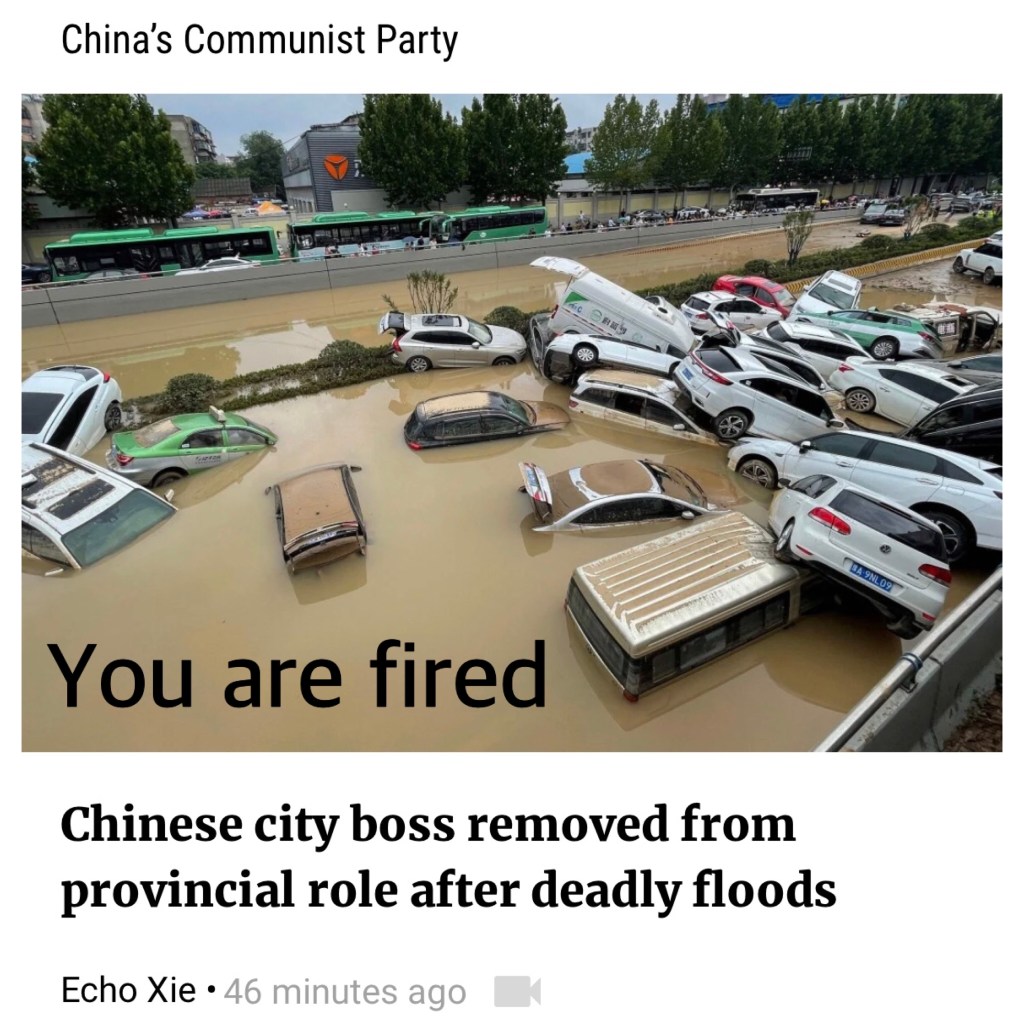
In China, incompetent Government Officials got fired. In US, business as usual, no one will get fired, many even get hired by biz for higher pay as reward for kickbacks while in office in the name of money democracy. 在中國,無能的政府官員被解僱。 在美國,一切照舊,沒有人會被解僱,許多人甚至以金錢民主的名義,以更高的薪水被商業僱傭,作為在職時官商勾結的獎勵.