
Video: Zhang Yimou and family 張藝謀和家人. 命裡有時終需有, 命裡無時莫強求.
https://youtu.be/YLDeEeUSD4U
https://vimeo.com/663750659
https://www.facebook.com/100036400039778/posts/635686227654706/?d=n
Video: Zhang Yimou and family 張藝謀和家人. 命裡有時終需有, 命裡無時莫強求.
https://youtu.be/YLDeEeUSD4U
https://vimeo.com/663750659
https://www.facebook.com/100036400039778/posts/635686227654706/?d=n

Fake news by western media became a powerful weapon used by people in power for domestically and internationally. 西方媒體的假新聞成為國內外的有力武器. by Johnson Choi (Hawaii & San Francisco) January 8 2022
For those lives in US and read or watch mainstream medias such as NYT, CNN, Fox News, Wall Street Journal, Washington Post and etc. Every time they covered Chinese, Chinese Americans and China fall into 2 categories: 1) they report based on information provided by the CIA and military intelligence 2) 95% on their reportings are negative or fake news. When 97% of Americans never been to China being fed with fake news like the Nazi propaganda against the Jews before and during WWII. When you repeat the lies 100s of time, it becomes the truth. And the people who lies about it days in and days out including our racists politicians became true believers of their own lies! Welcome to America. 對於那些生活在美國並閱讀或觀看紐約時報、CNN、福克斯新聞、華爾街日報、華盛頓郵報等主流媒體的人來說。每次報導華人時,華裔美國人和中國人分為兩類:1)他們的報導基於 中央情報局和軍事情報部門提供的信息 2) 95% 的報導都是負面或假新聞。 當 97% 的美國人從未去過中國時,他們在二戰前和二戰期間被虛假新聞灌輸,比如納粹對猶太人的宣傳。 當你重複數百次的謊言時,它就變成了真相。 日復一日地為此撒謊的人,包括我們的種族主義政客,都變成了他們自己謊言的真正信徒! 歡迎來到美國。
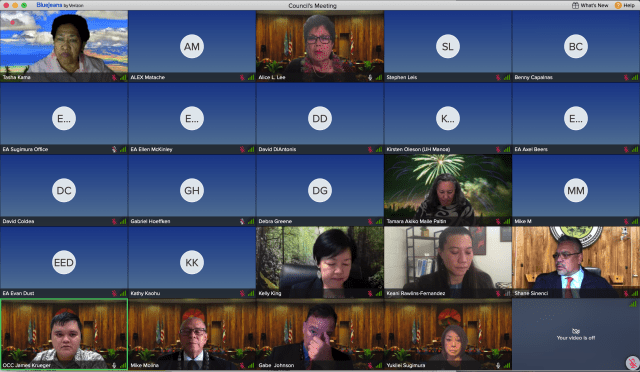
Hawaii’s Maui County Council members voted unanimously Friday in support of a resolution about the Navy’s underground fuel tanks at Red Hill that contaminated some of Honolulu’s drinking water supply. It is highly unlikely US Navy will either cares or comply! They are above the law. 夏威夷毛伊縣議會成員周五一致投票支持一項關於海軍在紅山的地下油箱污染檀香山飲用水供應的決議。 美國海軍是不會關心或遵守!
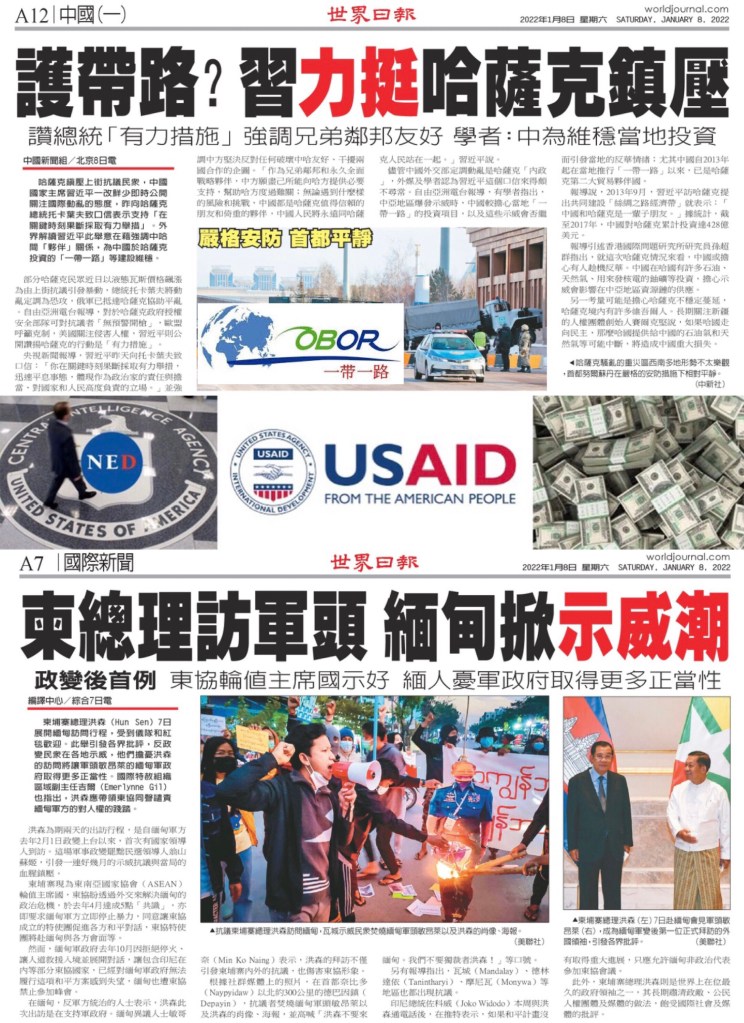
The CIA also known as National Endowment for Democracy (NED) is busy using color revolution attacking China’s key Belt and Road countries such Thailand, Kazakhstan, Myanmar and etc. 美國中情局又稱美國民主基金會使用顏色革命忙於攻擊中國一帶一路國家: 泰國, 哈薩克, 緬甸等國.
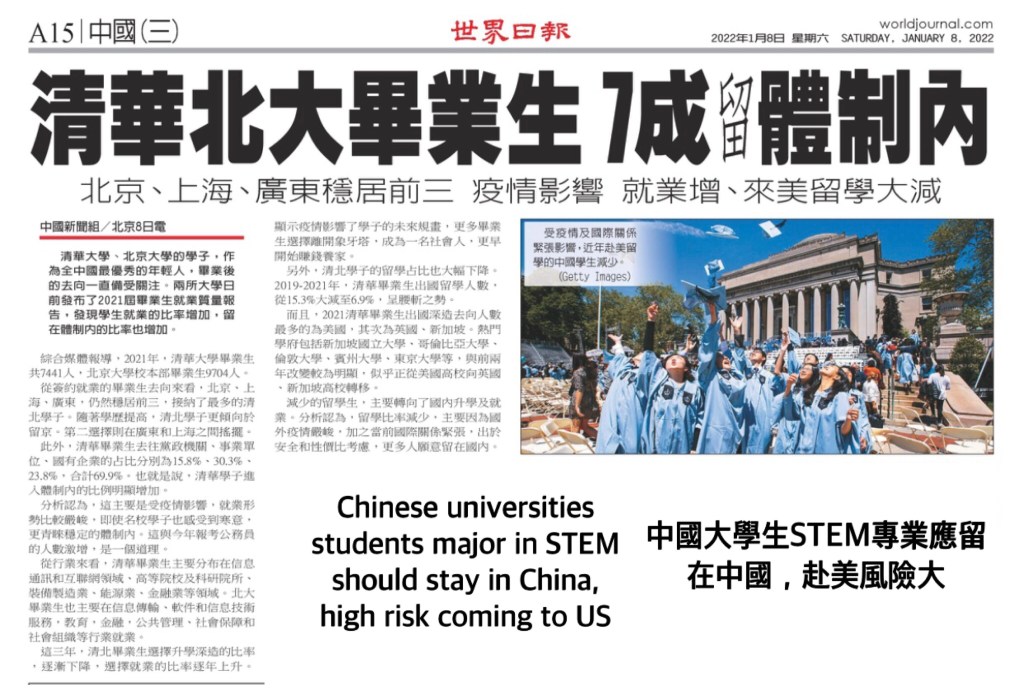
Chinese universities students major in STEM should stay in China, high risk coming to US 中國大學生STEM專業應留在中國,赴美風險大
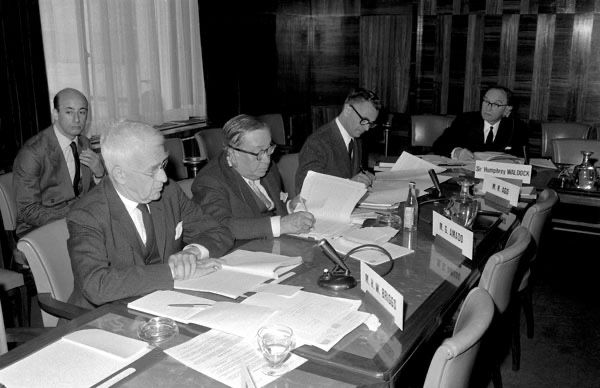
The U.S. Makes a Mockery of Treaties and International Law 美國嘲笑莫視國際條約和國際法 Jan 8 2022 – US – Independent Media Institute By K.J. Noh
27 May 1963, Fifteenth session of the International Law Commission, Palais des Nations (photo)
The United States claims it is operating under a “rules-based order”—but the term is not the same international law recognized by the rest of the world. Rather, it is camouflage behind which American exceptionalism flourishes.
U.S. Secretary of State Antony Blinken and other members of the Biden Cabinet are fond of proclaiming the “rules-based international order” (RBIO) or “rules-based order” every chance they get: in press conferences, on interviews, in articles, at international fora, for breakfast, lunch, dinner, and cocktails. Along with the terms “human rights” and “democracy,” the RBIO is routinely used to claim a moral high ground against countries that they accuse of not following this RBIO, and wielded as a cudgel to attack, criticize, accuse, and delegitimate countries in their crosshairs as rogue outliers to an international order.
This cudgel is now used most commonly against China and Russia. Oddly enough, whenever the United States asserts this “rules-based order” that China (and other “revisionist powers”/enemy states) are violating, the United States never seems to clarify which “rules” are being violated, but simply releases a miasma of generic accusation, leaving the stench of racism and xenophobia to do the rest.
This is because there is a fundamental contradiction at the heart of the RBIO.
The RBIO isn’t “rules-based,” it isn’t “international,” and it confounds any sense of “order,” let alone justice. It is, at bottom, the naked exercise of U.S. imperial power and supremacy, dressed up in the invisible finery of an embroidered fiction. The RBIO is a fraudulent impersonation of international law and justice.
There are many layers to this misnomer, to be deconstructed piece by piece.
‘RBIO’ in Contrast With ‘International Law’
First, the RBIO is not “international” in any sense of the word.
There actually is a consensual rules-based international order, a compendium of agreed-upon rules and treaties that the international community has negotiated, agreed to, and signed up for. It’s called simply “international law.” This refers to the body of decisions, precedents, agreements, and multilateral treaties held together under the umbrella of the Charter of the United Nations and the multiple institutions, policies, and protocols attached to it. Although imperfect, incomplete, evolving, it still constitutes the legal foundation of the body of international order and the orderly laws that underpin it: this is what constitutes international law. The basic foundation of the UN Charter is national sovereignty—that states have a right to exist, and are equal in relations. This is not what the United States is referring to.
When the United States uses the term RBIO, rather than the existing term “international law,” it does so because it wants to impersonate international law while diverting to a unilateral, invented, fictitious order that it alone creates and decides—often with the complicity of other imperial, Western, and transatlantic states. It also does this because, quite simply, the United States does not want to be constrained by international law and actually is an international scofflaw in many cases.
The United States as International Outlaw
For example, the United States refuses to sign or to ratify foundational international laws and treaties that the vast majority of countries in the world have signed, such as the Rome Statute of the International Criminal Court (ICC), CEDAW (the Convention on the Elimination of All Forms of Discrimination Against Women), ICESCR (the International Covenant on Economic, Social, and Cultural Rights), CRC (the Convention on the Rights of the Child), ICRMW (the International Convention on the Protection of the Rights of All Migrant Workers and Members of Their Families), UNCLOS (the UN Convention on the Law of the Sea), PAROS (the Prevention of an Arms Race in Outer Space), the Ottawa Treaty (the Anti-Personnel Landmines Convention), and the majority of labor conventions of the ILO (International Labor Organization). In fact, the United States harbors sweatshops, legalizes child labor (for example, in migrant farm labor), and engages in slave labor (in prisons and immigration detention centers). Even the U.S. State Department’s own 2021 Trafficking in Persons Report acknowledges severe problems in the U.S. of trafficking and forced labor in agriculture, food service, manufacture, domestic service, sex work, and hospitality, with U.S. government officials and military involved in the trafficking of persons domestically and abroad. Ironically, the United States tries to hold other countries accountable to laws that it itself refuses to ratify. For example, the United States tries to assert UNCLOS in the South China Sea while refusing—for decades—to ratify it and ignoring its rules, precedents, and conclusions in its own territorial waters.
There are also a slew of international treaties the United States has signed, but simply violates anyway: examples include the Chemical Weapons Convention, the Biological Weapons Convention, UN treaties prohibiting torture, rendition, and kidnapping, and of course, war of aggression, considered “the supreme international crime”—a crime that the United States engages in routinely at least once a decade, not to mention routine drone attacks, which are in violation of international law. Most recently, the AUKUS agreement signed between the United States and Australia violates the Nuclear Non-Proliferation Treaty (NPT) by exploiting a blind spot of the International Atomic Energy Agency (IAEA).
There are also a multitude of treaties that the United States has signed but then arbitrarily withdrawn from anyway. These include the Joint Comprehensive Plan of Action (JCPOA) with Iran, the Agreed Framework and the Six-Party Talks with North Korea, the Geneva Conventions, the Intermediate-Range Nuclear Forces (INF) Treaty, and many others.
There are also approximately 368 treaties signed between the Indigenous nations and the U.S. government; every single one of them has been violated or ignored.
There are also unilateral fictions that the United States has created, such as “Freedom of Navigation Operations” (FONOPs): this is gunboat diplomacy, a military show of force, masquerading as an easement claim. FONOPs are a concept with no basis in international law—“innocent passage” is the accepted law under UNCLOS—and it is the United States and its allies who are violating international laws when they exercise these FONOPs. Air Defense Identification Zones (ADIZs) are likewise notions that have no recognition in international law—the accepted concept is “sovereign airspace”—but the United States routinely claims that China is violating Taiwan’s ADIZ or airspace—which covers three provinces of mainland China. These are some examples of the absurd fictions that the United States invents to assert that enemy states like China are violating the RBIO. This is weaponized fiction.
The United States also takes great pains to undermine international structures and institutions; for example, not liking the decisions of the World Trade Organization (WTO), it has disabled the WTO’s Investor-State Dispute Settlement (ISDS) mechanism; it has undermined—and threatened—the ICC (by passing the American Servicemembers Protection Act [ASPA], also known as the Hague Invasion Act), and more recently, sanctioned the ICC prosecutor and her family members; it thumbs its nose at the International Court of Justice (ICJ) and its decisions, and generally is opposed to any international institution that restricts its unbridled, unilateral exercise of power. Former U.S. Ambassador to the UN John Bolton, in blunt candor, asserted that there is “no such thing as the United Nations,” but this unhinged ideology is quietly manifested in the day-to-day actions of the United States throughout successive U.S. administrations.
Whose Rules? The United States Applies Its Laws Internationally
On the flip side of this disdain for agreed-upon international law and institutions is the United States’ belief that its own laws should have universal jurisdiction.
The United States considers laws passed by its corrupt, plutocratic legislature—hardly international or democratic by any stretch of the imagination—to apply to the rest of the world. These include unilateral sanctions against numerous countries (approximately one-third of the world’s population is impacted by U.S. sanctions), using the instruments of the Office of Foreign Assets Control (OFAC), the U.S. legislature and courts, as well as currency and exchange systems (SWIFT). These unilateral sanctions are a violation of international law and humanitarian law, as well as perversions of common sense and decency—millions have perished under these illegal sanctions. To add insult to injury, the United States routinely bullies other countries to comply with these unilateral sanctions, threatening secondary sanctions against countries and corporations that do not follow these U.S.-imposed illegal sanctions. This is part of the general pattern of the exercise of U.S. long-arm jurisdiction; examples abound: the depraved arrest, imprisonment, and torture of journalist and WikiLeaks publisher Julian Assange—an Australian national—for violating U.S. espionage laws; the absurd kidnapping of Huawei executive Meng Wanzhou (a Chinese national) on Canadian soil, for violating illegal U.S. sanctions on Iran (which Canada does not itself uphold); and many other examples, too many to enumerate.
This long-arm bullying is often exercised through a network of kangaroo courts within the United States, which arrogate to themselves unitary, plenipotentiary international powers to police the citizens of other countries. Not surprisingly, the United States also applies its own laws in a similarly corrupt way within its own borders, with its own gulag system fed through these kangaroo courts. The most dramatic examples of the corruption of these courts can be noted in the routine exoneration of police-inflicted murders of civilians, except under the most extreme protest and activism; and absurd judgments, such as the prosecution of Steven Donziger by a Chevron-linked corporate law firm; or the exoneration of Kyle Rittenhouse by a judge allowing the accused to run the juror lottery. Note, however, the system itself is set up for conviction: over 99 percent of federal cases that go to court result in conviction; most do not even go to trial: 90 percent of U.S. federal indictments are settled by defendants pleading “guilty” or “no contest” to charges filed against them. The idea that there is any impartial notion of justice is belied by the fact that fair and adequate legal representation is unaffordable for most defendants; that appointed public defenders are so overstretched that they often spend literally minutes on each case, simply counseling defendants to plead guilty—which most do—and individuals, in the rare cases where they do win, are often bankrupted and psychically destroyed by a system that has unlimited resources and finances to beat down its victims. This corrupt system of oppression, despite its obvious injustices and iniquities, is exacerbated within vast gray areas of the justice system where even counsel, appeal, scrutiny, or oversight does not apply, and where a single individual may be judge, jury, and executioner. These include, for example, certain parole and probation systems, review boards within prisons, debt collection systems, immigration proceedings, asset forfeiture systems, and many other quasi-judicial systems of oppression.
Generally, these violations and injustices are excused or erased by the international and national media, which are complicit in maintaining an illusion of impartial, high-standards justice in the United States. This is an illusion without substance: the U.S. legal system, like the U.S. health care system or the U.S. educational system, is essentially a failed system that is designed to work only for the rich and powerful. It delivers substandard, so-called care, if not outright abuse, harm, violence, and death, to the vast majority of people who have the misfortune to enter its sausage-making chambers.
Routine Exemptions, Deadly Disorder
Nevertheless, from time to time, dramatic incidents of the United States flaunting the international “rules-based order”—i.e., international law by the United States—occasionally make headlines (before being rapidly silenced).
One type of recurring violation is the abuse of diplomatic immunity. This type of case is mundane and repetitious: a U.S. (or Western-allied) government employee kills or harms native citizens; the United States immediately claims diplomatic immunity. Sometimes the perpetrator is drunk, out of control, or paranoid; often they are spies or contractors. For example, according to recent reports, Anne Sacoolas seems to have been a drunk U.S. spy who killed a British teenager in 2019. She was spirited away immediately as a diplomat.
Raymond Allen Davis was a U.S. contractor, possibly acting CIA station chief, who shot dead two people in the street in Pakistan. Another person was killed by a vehicle picking up Davis to take him away from the crime scene. Davis was spirited out of the country, no explanations were given, and the murders were erased from media consciousness.
This mindset of exceptionalism and impunity is not anecdotal, but manifests on a general, structural scale in the numerous one-sided U.S. status of forces agreements (SOFAs) in the countries where the United States has troops stationed. These give a blanket immunity similar to diplomatic immunity: the violating U.S. soldier or contractor cannot be arrested and rendered to domestic courts unless the United States chooses to waive immunity; U.S. extraterritorial exemption/immunity can be applied despite cases of murder, mayhem, violence, torture, rape, theft, sexual trafficking, and a host of other sins.
This type of exceptionalism also applies to national health policies and international health regulations. For example, multiple COVID-19 outbreaks have been traced to U.S. violations of domestic public health measures—screening, testing, contract tracing, and isolation—in many territories or countries (especially island regions) where the United States has military bases. For example, several major COVID outbreaks in Okinawa have been traced to U.S. troops entering the island without following local health protocols.
The United States takes the cake for hypocrisy, however, when, in several COVID lawsuits, it accused China—without evidence—of violating UN/World Health Organization (WHO) International Health Regulationsby failing to notify the United States and the rest of the world in a timely manner about the outbreak of COVID-19. This is entirely refuted by the facts and the well-established timelines: no other country has worked as assiduously and as rapidly in investigating, ascertaining, and then notifying the world of the initial outbreak, as well as sharing necessary information to control it. The United States, however, has carved out a pandemic-sized exemption from reporting any infectious diseases to the WHO if it deems it necessary for its national security interests. Ironically, this exemption is carved out for the single institution most likely to propagate it—the U.S. military: “any notification that would undermine the ability of the U.S. Armed Forces to operate effectively in pursuit of U.S. national security interests would not be considered practical.”
When the United States disingenuously uses the term RBIO, or rules-based international order, it may be playing at international law, but once its applications are unpacked and defused, it becomes clear that it is a weaponized fiction that the United States uses to attack its enemies and competitors.
If “hypocrisy is a tribute that vice pays to virtue,” the RBIO is the vicious first tribute that the United States sends to its law-abiding opponents to undermine international order, no less dangerous for its falsehood.
This article was produced by Globetrotter.
K.J. Noh is a journalist, political analyst, writer and teacher specializing in the geopolitics of the Asia-Pacific region.
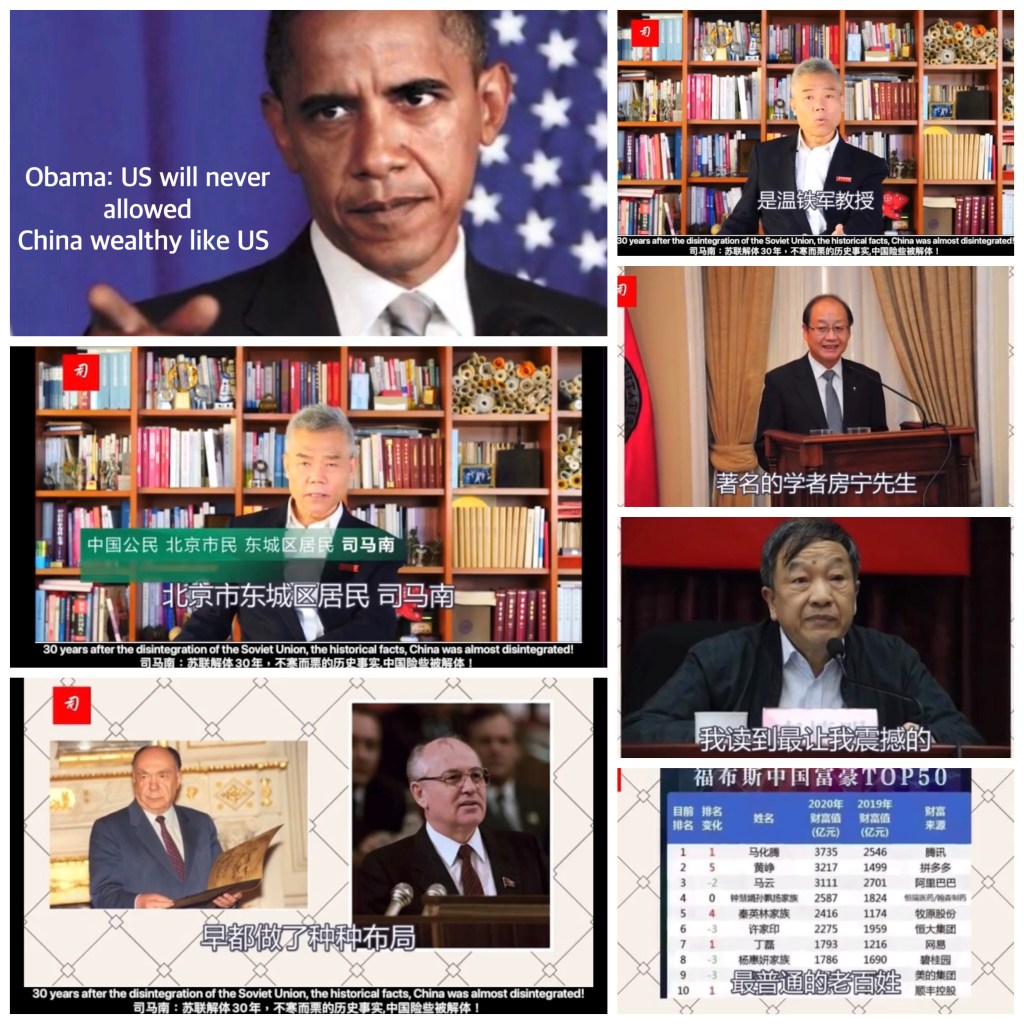
Video: 30 years after the disintegration of the Soviet Union, the historical facts, China was almost disintegrated! 司马南:苏联解体30年,不寒而栗的历史事实,中国险些被解体!
https://vimeo.com/663511214
https://youtu.be/K3fHgeFaaDM
https://www.facebook.com/100036400039778/posts/635222104367785/?d=n
US President Obama: US will never allowed China wealthy like us. 美國總統奧巴馬:美國永遠不會允許中國像我們這樣富有.
不能不敢念毛主席当年培养了一大批无产阶级革命事业的接班人,打造了一批政治上坚定忠贞坚决的共产党人!才使我们避免走上苏联的道路!我们要向跟毛主席打江山的,阻止了1989美國在中國推動颜色革命企图的战争年代走过来的老同志向他们致敬!We must remembered Chairman Mao trained a large number of successors to the proletarian revolutionary cause and created a group of politically loyal and determined Communists! It has allowed China to avoid taking the path of the Soviet Union! We want to pay tribute to the veteran comrades who have fought with Chairman Mao and who came to the war years that prevented the attempt of the US Color Revolution in 1989.
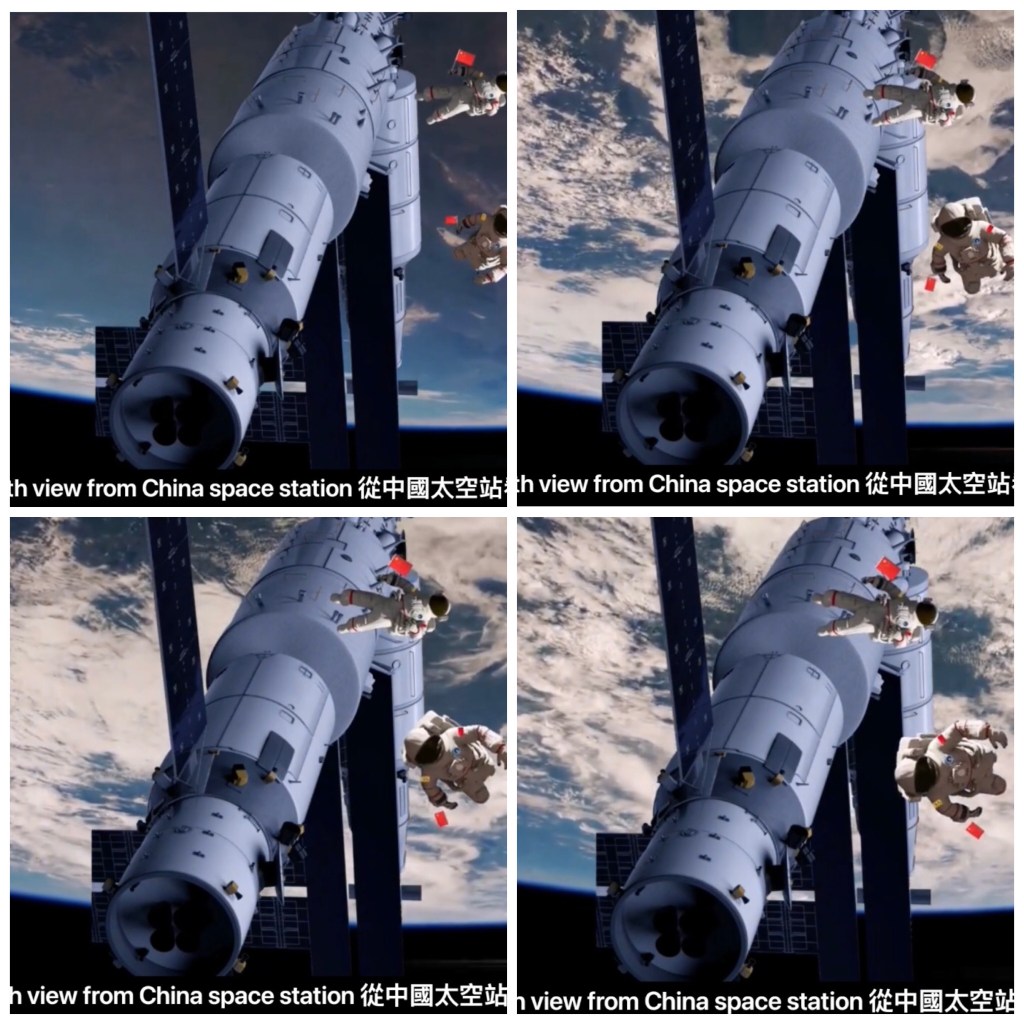
Video: Beautiful earth view from China space station 從中國太空站看美麗的地球
https://vimeo.com/663497664
https://youtu.be/3IT4Pfl2JgI
https://www.facebook.com/100036400039778/posts/635198431036819/?d=n
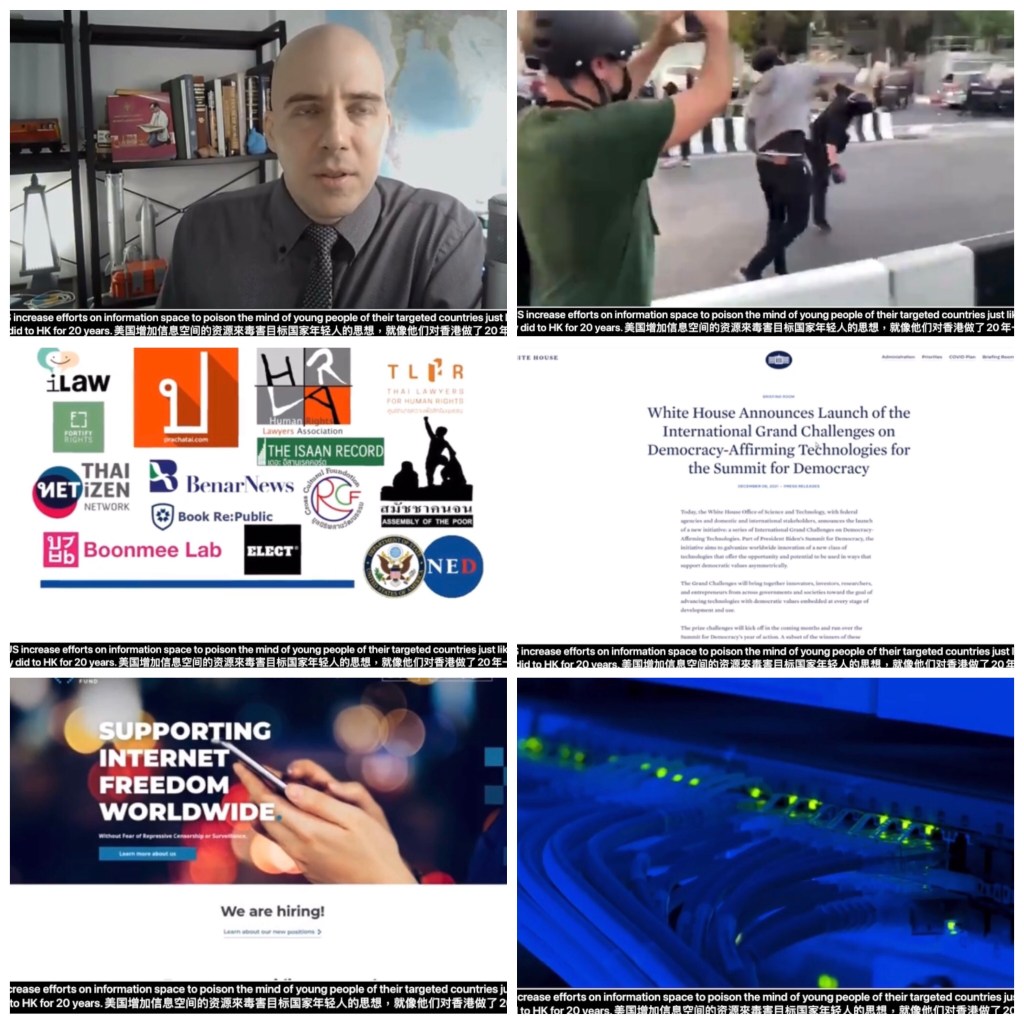
Video: US increase efforts on information space to poison the mind of young people of their targeted countries just like they did to HK for 20 years. 美国增加信息空间的资源來毒害目标国家年轻人的思想,就像他们对香港做了20年一样。
https://vimeo.com/663483773
https://youtu.be/FMb347E-eNk
https://www.facebook.com/100036400039778/posts/635181901038472/?d=n
Countries need to defend their nation’s information space against US just like their physical borders. 各國需要像保護實質邊界一樣保護本國的信息空間.
China and Russia are doing a good job, but most other countries are not so fortunate. 中國和俄羅斯做得很好對抗美攻擊, 但其他大多數國家就沒有那麼幸運了。
One of the most pressing issues for the year 2022 will be Washington’s increased efforts along the information warfare front – exploiting one of its remaining strengths and taking advantage of the utter lack of defense many nations have for their respective information space. 2022 年最緊迫的問題之一將是華盛頓在信息戰方面加大努力 – 利用其剩餘的優勢之一,並利用許多國家在各自的信息空間中完全缺乏防禦的優勢。
How will the US go about this and what can nation’s do to prepare? 美國將如何推動其鬼計, 被攻擊的國家可以做些什麼準備?
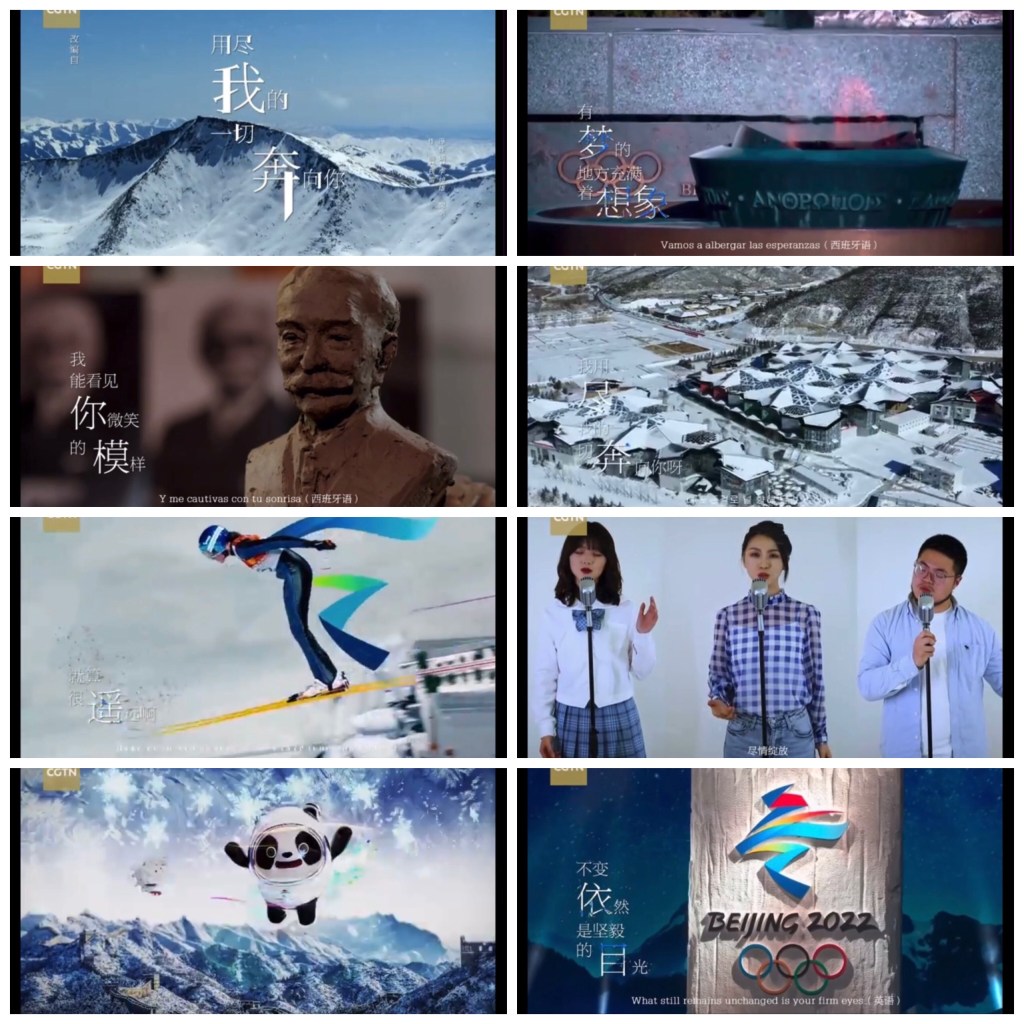
Video: China Media Group (CMG) releases song in nine languages to welcome Beijing Olympics 2022 中國廣播電視總台發布九種語言歌曲迎接 2022 年北京奧運會
https://vimeo.com/663407524
https://youtu.be/i0xmCs3h6-c
https://www.facebook.com/100036400039778/posts/635086514381344/?d=n

 Johnson Choi Biz