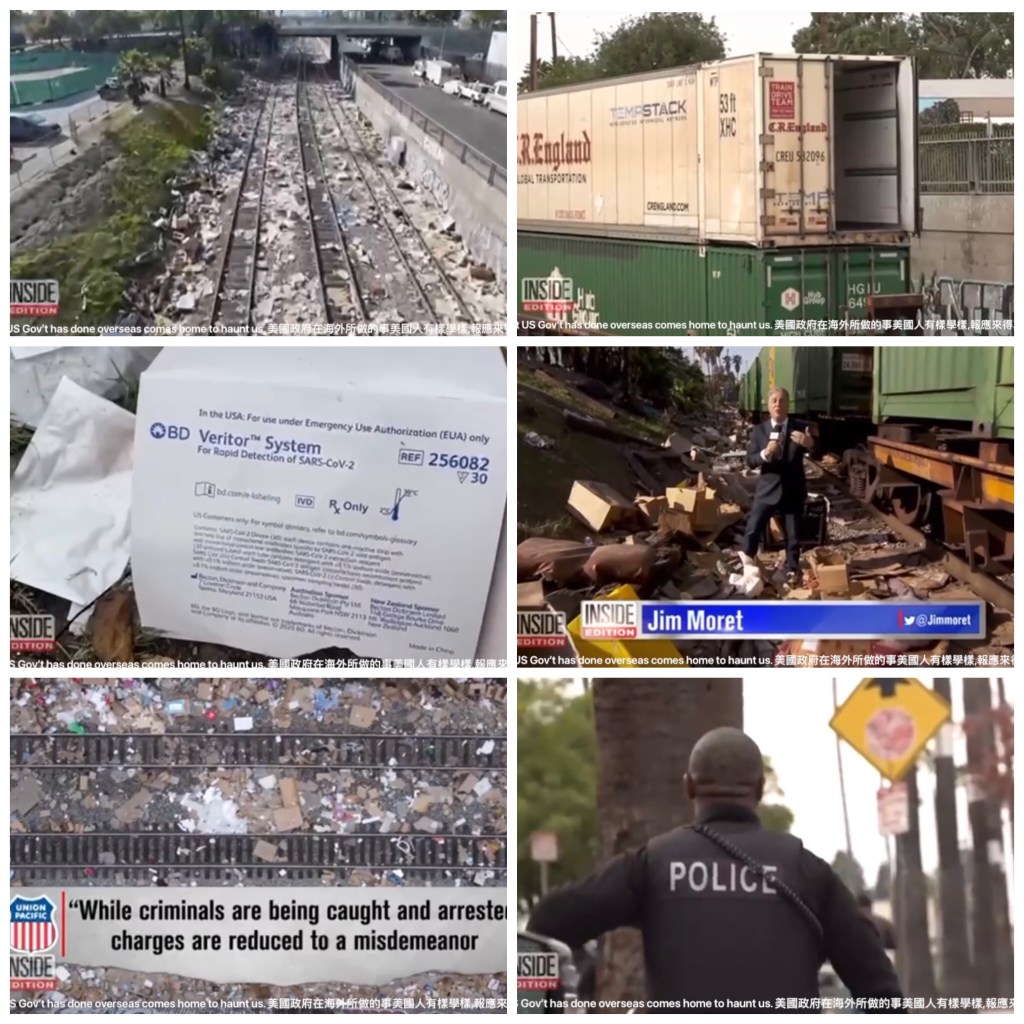
Inside Edition Video: What US Gov’t has done overseas comes home to haunt us. 美國政府在海外所做的事美國人有樣學樣,報應來得真快.
https://vimeo.com/666748667
https://www.facebook.com/100036400039778/posts/640619573828038/?d=n
Inside Edition Video: What US Gov’t has done overseas comes home to haunt us. 美國政府在海外所做的事美國人有樣學樣,報應來得真快.
https://vimeo.com/666748667
https://www.facebook.com/100036400039778/posts/640619573828038/?d=n
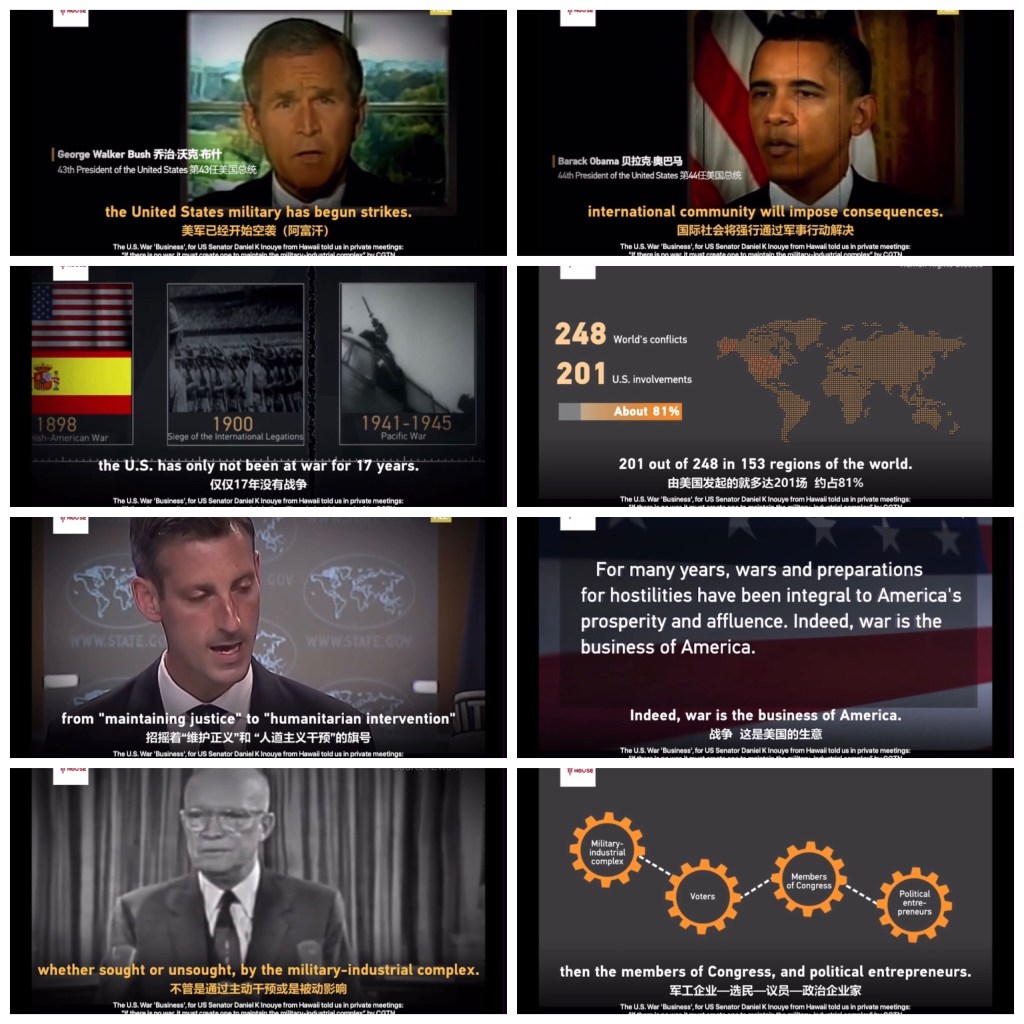
Video: The U.S. War ‘Business’, for US Senator Daniel K Inouye from Hawaii told us in private meetings: “If there is no war, it must create one to maintain the military-industrial complex” by CGTN 來自夏威夷的美國參議員 丹尼爾·井上在私人會議上告訴我們,美國戰爭“商業”:“如果沒有戰爭,它必須創造一場戰爭來維持軍工聯合體”
https://vimeo.com/666734166
https://www.facebook.com/100036400039778/posts/640600273829968/?d=n
Across the world, it seems that wherever there is a war, there is the United States. In its 245-year history, the U.S. has not been at war for only 17 years. From the end of World War Two to 2001, Americans were at the heart of 81 percent of the armed conflicts worldwide – 201 out of 248 in 153 regions of the world.
The mission always has a positive frame – from “maintaining justice” to “humanitarian intervention” – but the U.S. has launched or become embroiled in wars at a very high cost. During the Korean War, more than 3 million civilians were killed and critical infrastructure was crushed. In the Vietnam War, two million civilians perished and at least 350,000 tonnes of bombs and landmines left a legacy of havoc. In the Kosovo War, the U.S.-dominated NATO bombed the Federal Republic of Yugoslavia for 78 straight days, leaving a trail of destruction and lost of lives.
More recently, the 21st century wars in Afghanistan, Iraq and Syria mean that almost every U.S. president since World War Two has declared a war or intervened overseas. However, while delivering humanitarian disasters to other countries, the United States has profited handsomely from its adventures.
U.S. News & World Report pointed out that for many years, wars and preparations for hostilities have been integral to America’s prosperity and affluence. Indeed, war is the business of America.
The Business of Oil
Oil has been central to many of the “interventions” in recent decades. The U.S. launched the Gulf War partly to wrest oil resources, seized access to oil resources in Central Asia after going into Afghanistan, and used the Iraq War to consolidate its control over oil resources in the Middle East. U.S. strategic analysts estimated before the war that although the cost of the U.S.-Iraq war would be about $177 billion, the value of Iraq’s oil reserves was $3.4 trillion.
The Business of Military Industry
Emerging during World War Two, the military-industrial complex gradually became a key pillar of U.S. hegemony. This concentrated economic and military power industry runs for war, feeding a large workforce and members of Congress along the way. Non-political organizations such as so-called “think tanks” that specialize in lobbying for the interests of other industries – “political entrepreneurs” – also rely on the system to survive, along with numerous research and development institutions.
This has created a political biological chain: from the military-industrial complex to voters, then the members of Congress, and political entrepreneurs. How has this chain been maintained over 75 years? The United States has repeatedly chosen the old path of war. If there is war, it must have a stake. If there is no war, it must create one to maintain the military-industrial complex and feed the interests groups waiting for their lucrative scraps.
After World War Two, U.S. overseas wars and defense expenditures stimulated economic growth. During the Korean War, the procurement of military supplies purchased by the U.S. government increased from $20.7 billion in 1905 to $65.1 billion in 1953. The tremendous military demand from the Vietnam War catalyzed the U.S. economic boom in the 1960s.
A substantial portion of the weaponry used in the wars that broke out after the end of the Cold War came from the United States. To ensure the huge consumption of the Kosovo war, NATO significantly increased the procurement of materiel, thereby stimulating the development of the industrialized military establishment.
After the September 11 attacks, American economists published an article titled “Prosperity Will Rise Out of the Ashes” in The Wall Street Journal, predicting that the future war on terrorism would bring prosperity back to the United States. Over the 20 years since the war in Afghanistan began, the stocks of American military-industrial giants have soared.
Do you really think that America’s attempt to build an image as the “guardian of global peace” after two decades of war in Afghanistan means it cares about winning or losing? What it wants is to fight wars and keep on fighting for its own interests, whatever the consequences for others.
(If you want to contribute and have specific expertise, please contact us at opinions@cgtn.com.)
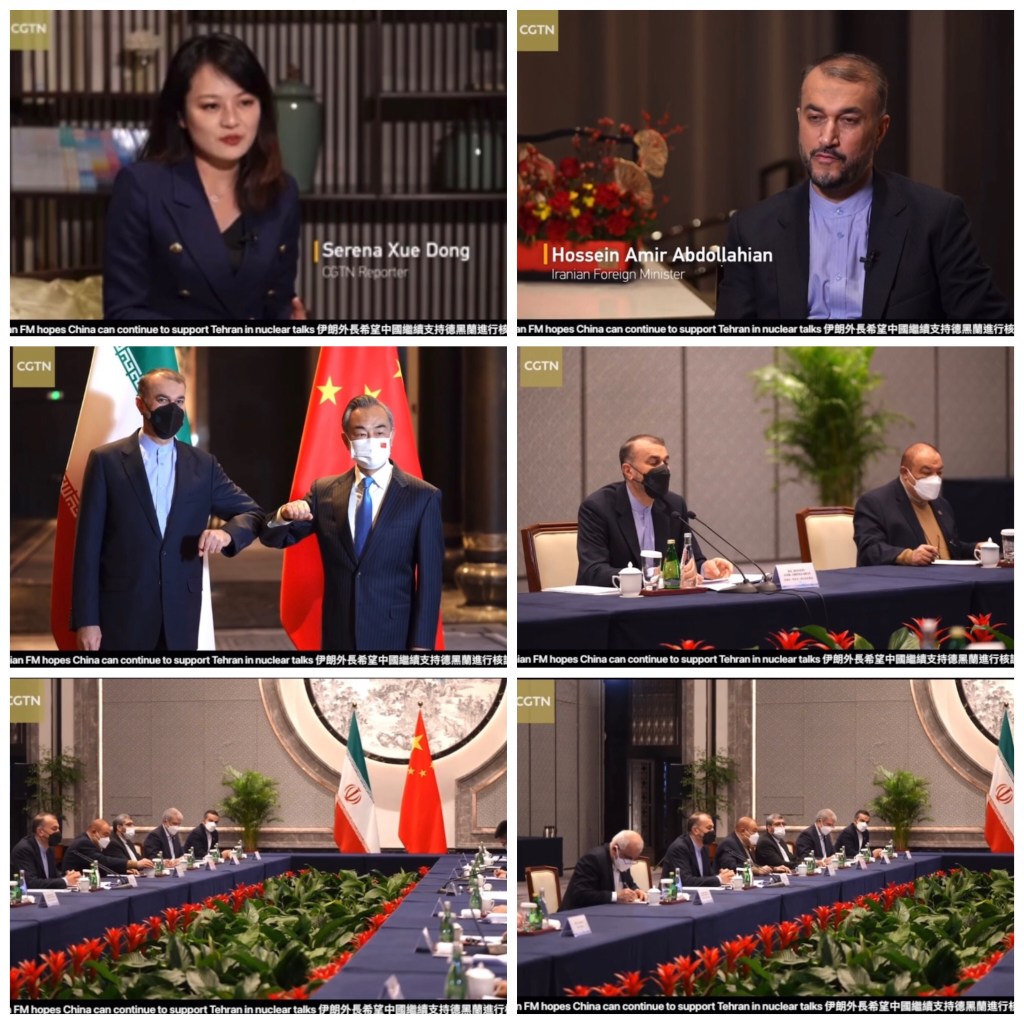
Video: Iranian FM hopes China can continue to support Tehran in nuclear talks 伊朗外長希望中國繼續支持德黑蘭進行核談判
https://vimeo.com/666722739
https://www.facebook.com/100036400039778/posts/640581907165138/?d=n
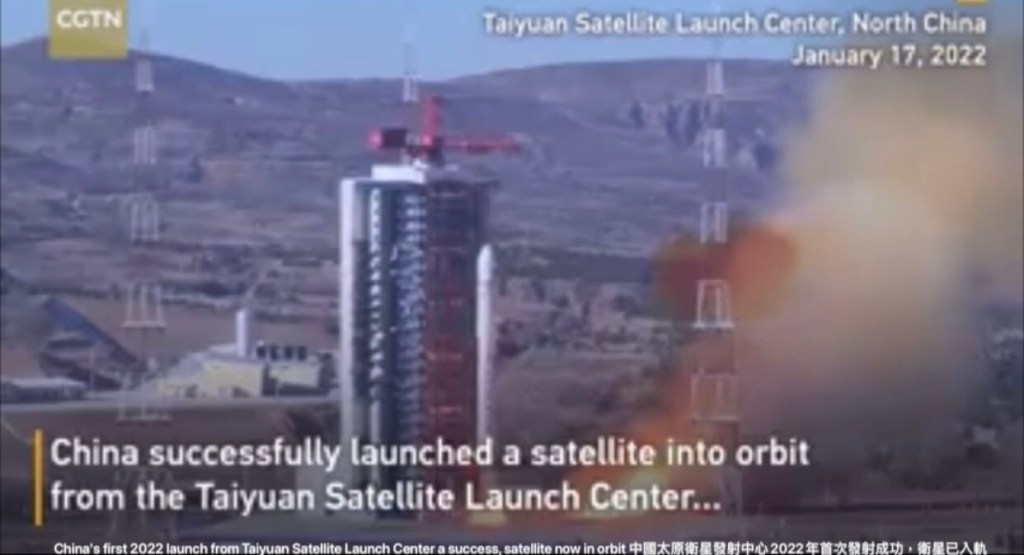
Video: China’s first 2022 launch from Taiyuan Satellite Launch Center a success, satellite now in orbit 中國太原衛星發射中心2022年首次發射成功,衛星已入軌
https://vimeo.com/666713665
https://www.facebook.com/100036400039778/posts/640567250499937/?d=n
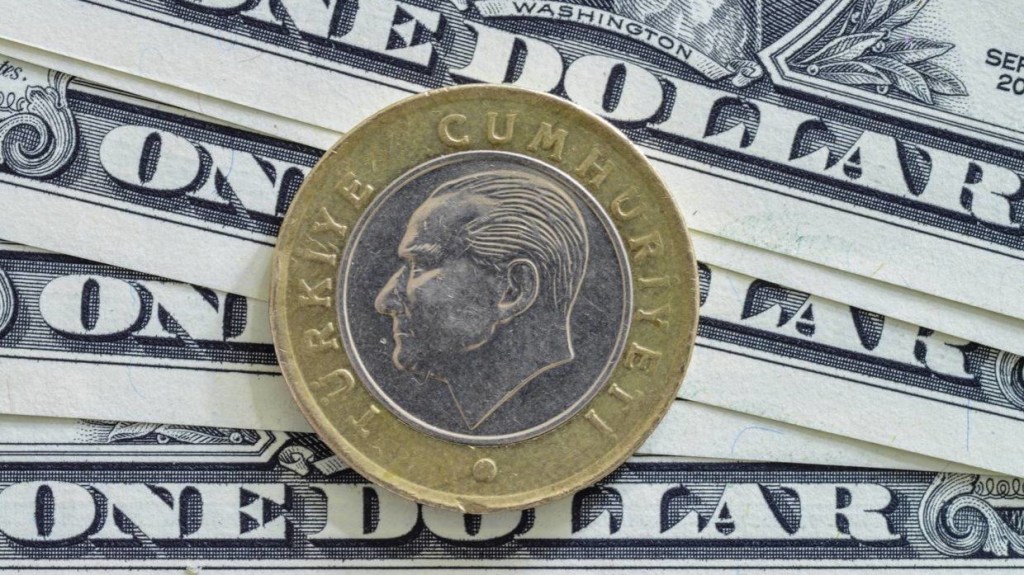
Turkey striving for rapid de-dollarization – The country’s finance minister has pledged to accelerate ditching the greenback (US$) in the coming days 耳其正在努力實現快速去美元化 – 該國財政部長已承諾在未來幾天加速放棄美元.
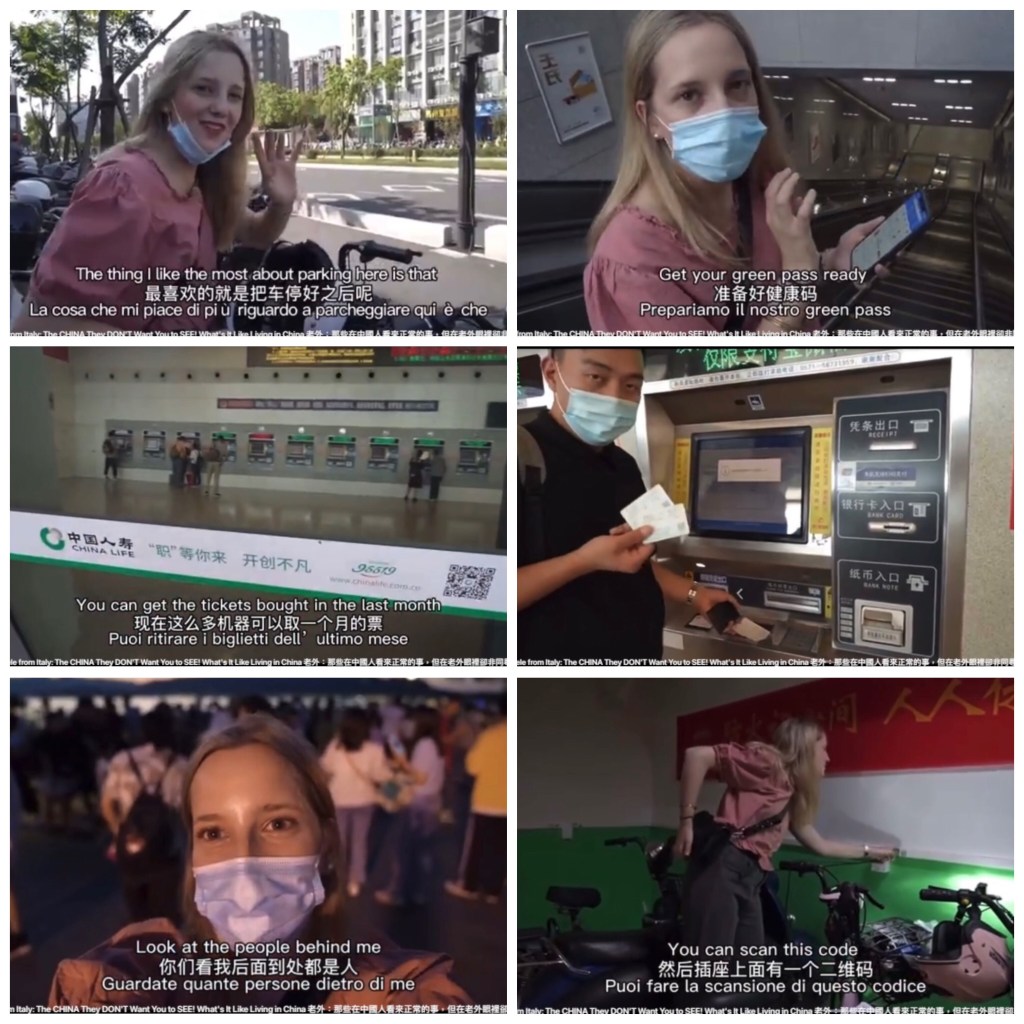
Video: Rachele from Italy: The CHINA They DON’T Want You to SEE! What’s It Like Living in China 老外:那些在中國人看來正常的事,但在老外眼裡卻非同尋常! 外國人替中國和中國人說話, 那麼我們居住在美國的華人也應該用西人聴得明的英語替自己說話吧.
https://vimeo.com/666454158
https://youtu.be/5cRakp93YUk
https://www.facebook.com/100036400039778/posts/640032940553368/?d=n
Hi!My name is Rachele and I am an Italian expat living in Hangzhou China for the last 5- 6 years.
🌿《活下去!》 《To Live ! 》 全球最佳最短新聞採訪《大家都要活下去》 在一個有眾多名流出席的晚會上,鬢髪斑白的巴基斯坦影壇老將“雷利“👨🏻🦳拄著枴杖,蹣跚地走上台來就座。
主持人開口問道:
“您還經常去看醫生?”
“是的,常去看。”
“為什麼?”
“因為病人必須常去看醫生,醫生才能活下去!”
台下爆發出熱烈的掌聲,人們為老人的樂觀精神和機智語言喝彩。
主持人接著問:“您常請教醫院的藥師有關藥物的服用方法嗎?”
“是的,我常向藥師請教有關藥物的服用方法,因為藥師也得賺錢活下去!”
台下又是一陣掌聲。
“您常吃藥嗎?”
“不,我常把藥扔掉。因為我也要活下去!”
台下更是哄堂大笑。
主持人最后說:
“謝謝您接受我的採訪!”
老人答道:“別客氣,我知道,你也要活下去!”
台下哄堂大笑聲、掌聲、歡呼聲,經久不息!
又問:你還經常到群裡聊天嗎?老人答:是的,我也要在群裡活下去!不露面,不聊天大家以為我死了,群主會把我踢出去。 據說這個笑話曾排世界第一,因為大家都要笑著活下去。
願好友們快樂、健康!要常常露面,吹吹牛!
看完這段 您不要再不出聲 不轉傳。要讓人知道 你還活著!Stay active!
Stayin’ Alive! Stayin’ Alive!
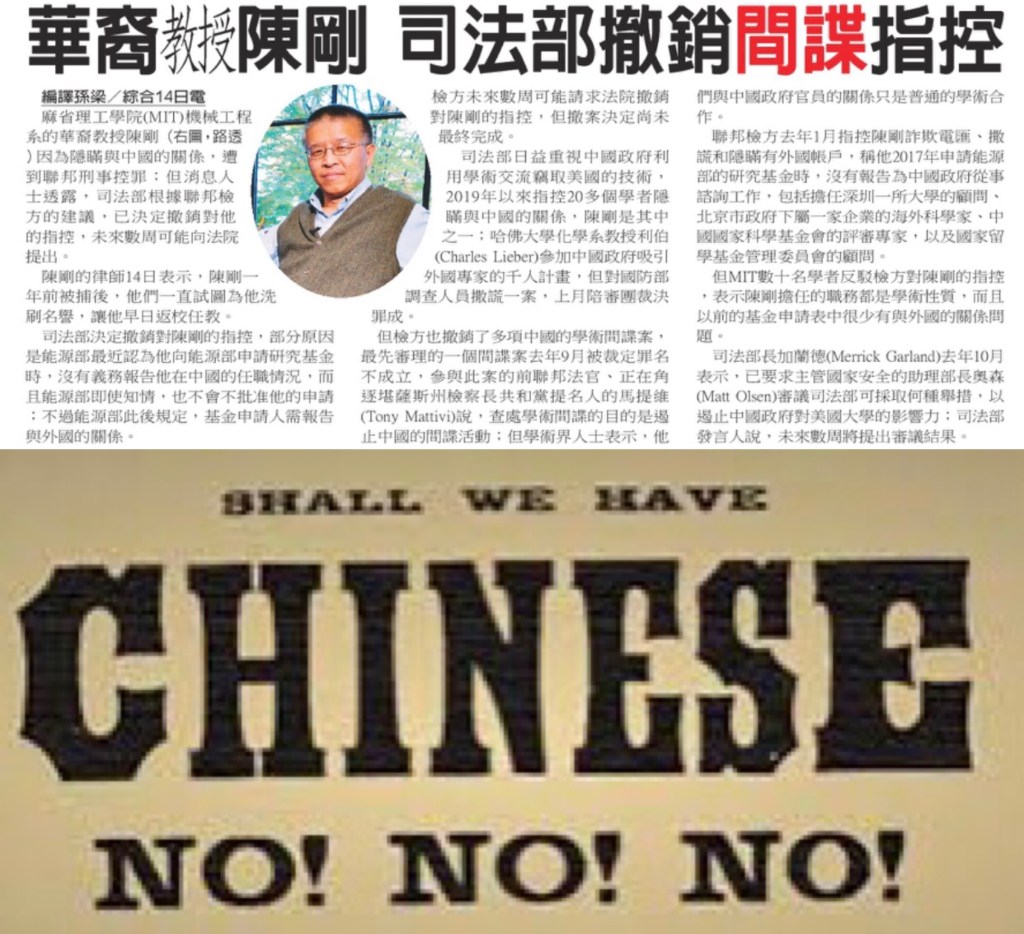
U.S. prosecutors recommend dropping case against MIT professor over China ties 美國檢察官建議撤銷對麻省理工學院教授與中國關係的訴訟. 加州大學伯克利分校王靈智教授:令人驚訝的是,每個與陳鋼案有關的政府官員突然無話可說。 我很高興麻省理工學院的管理人員和教職員工為陳教授辯護.
Professor Ling-chi Wang of UC Berkeley: It is amazing how suddenly every government official connected to the Chen Gang case has nothing to say. I am glad MIT administration and faculty defended Prof. Chen.
It is time for DOJ to shut down the China Initiative and close the shop.
Unfortunately, President Biden is not likely to do that because in doing so, he will lose one of his important tools to incite fear and hatred of China and Chinese in the U.S. and across the world, a cornerstone of his aggressive policy of containment of China.
BOSTON, Jan 14 (Reuters) – Prosecutors have recommended that the U.S. Justice Department drop charges against a Massachusetts Institute of Technology professor accused of concealing his ties to China when seeking federal grant money, a person familiar with the matter said Friday.
Federal prosecutors in Boston decided to seek dismissal of the case against Chinese-born mechanical engineer and nanotechnologist Gang Chen. It was the latest setback for a crackdown on Chinese influence within U.S. research.
Boston prosecutors recommended the case’s dismissal in recent weeks based on new information, the person said, adding the Justice Department has not made a final decision.
He was accused of failing to disclose, among other things, that he served as an “overseas expert” to the Chinese government and sat on the advisory board of Shenzhen’s Southern University of Science and Technology, or SUSTech, when applying for a U.S. Department of Energy grant.
But Brian Kelly, a lawyer for Chen at Nixon Peabody, has said last week that “nothing significant was omitted on his application and several of the government’s allegations were simply wrong.”
MIT President Rafael Reif has defended its $25 million collaboration SUSTech as furthering MIT’s research mission. Faculty in a letter last year rallied around Chen, saying the case against him vilified normal research activities.
Kelly and co-counsel Rob Fisher had no comment on Friday. MIT declined to comment. Wyn Hornbuckle, a Justice Department spokesperson, had no comment on Chen’s case.
The Wall Street Journal first reported the recommendation.
Chen was charged in January 2021 as part of the department’s “China Initiative,” launched during former President Donald Trump’s administration to counter suspected Chinese economic espionage and research theft.
Targets included university researchers. A Harvard professor, Charles Lieber, last month was convicted of lying about his ties to a China-run recruitment program. He is expected to appeal.
Critics say the initiative chilled academic research and targeted Chinese researchers through racial profiling. And despite the Harvard win, several other cases have faltered.
A Tennessee professor was acquitted by a judge last year following a mistrial, and prosecutors dropped charges against six other researchers.
President Joe Biden’s administration has continued the initiative, though Hornbuckle said the Justice Department is reviewing its approach, a review that should be completed in the coming weeks.
Rachael Rollins, newly appointed U.S. attorney in Massachusetts, during a meeting with reporters on Thursday would not address whether prosecutors should stop bringing China Initiative cases.
But she said “the government will always look to see whether we can prove our case at various points.”
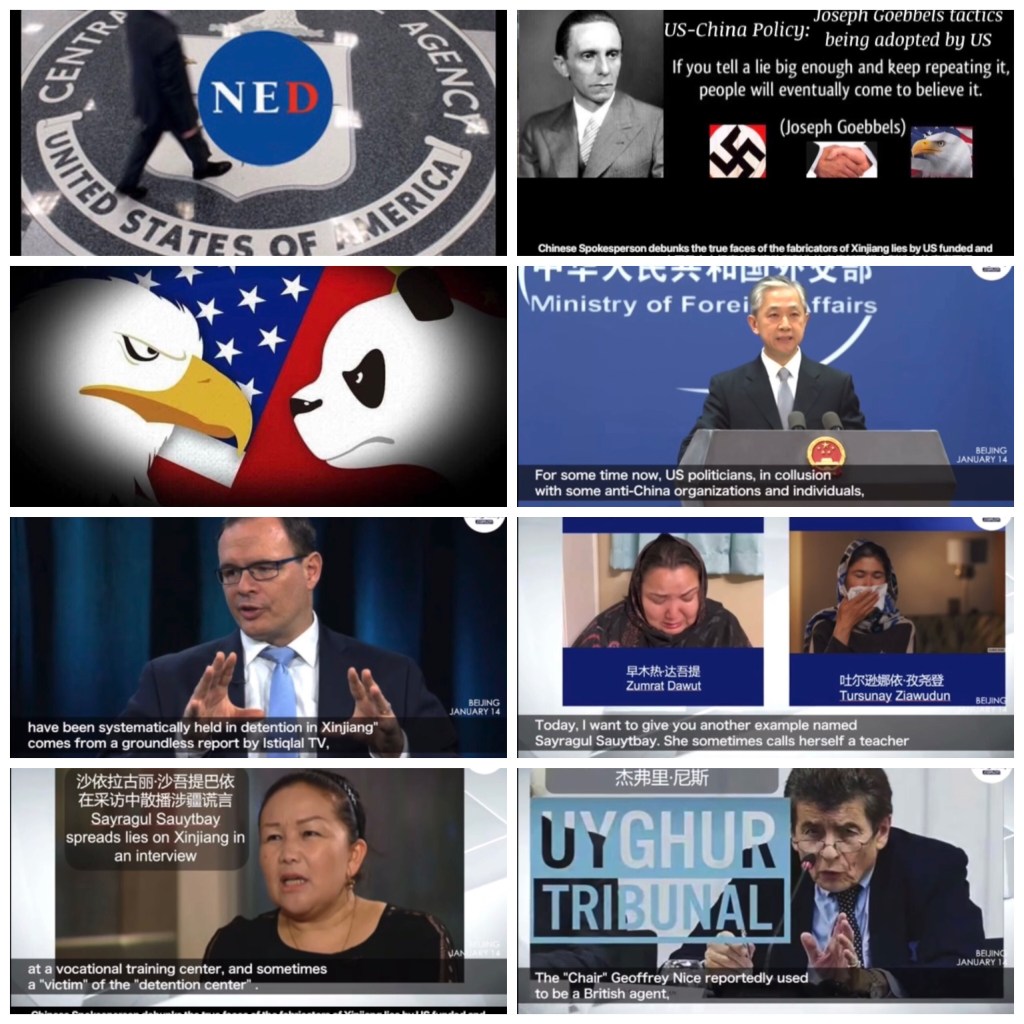
Video: Chinese Spokesperson debunks the true faces of the fabricators of Xinjiang lies by US funded and produced propaganda 中國發言人揭穿美國資助和製作的宣傳新疆謊言製造者的真實面目
https://vimeo.com/666321518
https://www.facebook.com/100036400039778/posts/639628373927158/?d=n
Wang Wenbin: For some time now, US politicians, in collusion with some anti-China organizations and individuals, have been unscrupulously spreading and hyping up the lie of “genocide” and “forced labor” in Xinjiang for their ulterior political purpose. Today, I would like to take some time to share with you my experience of debunking lies on Xinjiang and avoid being misled so that you can all see the true face of those who fabricated those lies. 汪文斌:一段時間以來,美國政客與一些反華組織和個人勾結,在新疆肆無忌憚地散佈和炒作“種族滅絕”和“強迫勞動”的謊言,以達到別有用心的政治目的。 今天,我想花點時間和大家分享一下我在新疆揭穿謊言的經驗,避免被誤導,讓大家看看那些編造謊言的人的真面目。
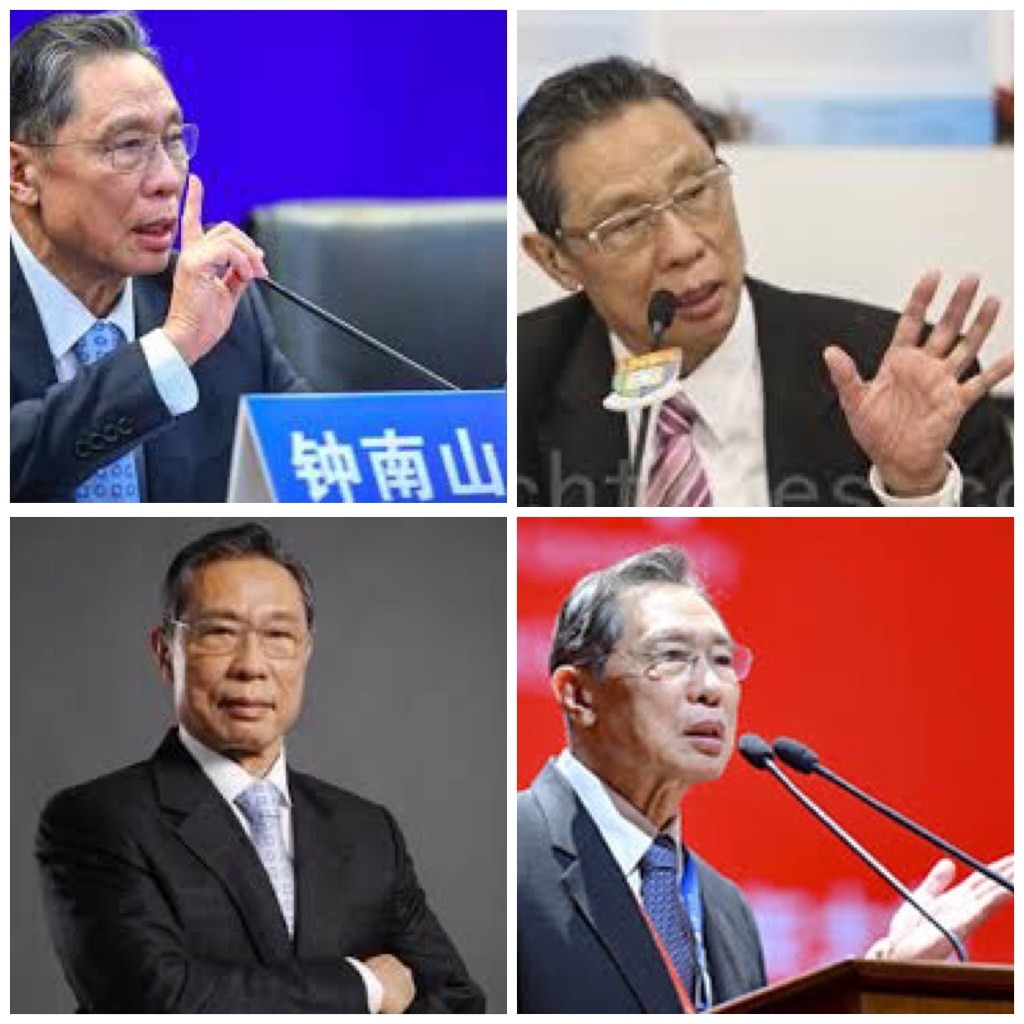
China Academician Zhong Nanshan’s prediction: Widespread community infection of the new coronavirus is inevitable sooner or later.
Because now more and more infected people are asymptomatic and have different incubation periods and go undetected.
Since the above situation is almost uncontrollable and unavoidable, it is crucial that we prepare our immune system first and foremost from now on.
鍾南山院士預測:
新冠病毒的廣泛社區感染遲早是不可避免 的。因為現在越來越多的感染者沒有症狀,潛伏期不同而未被發現。
由於上述情況幾乎是無法控制和不可避免的,所以從現在起,我們首先要為自己的免疫系統做好準備至關重要。
鍾南山院士提供了5種增強免疫力的方法。
他說:「你的免疫力是最好的也是最後的堅固堡壘。」
不要僅僅依靠口罩、洗手等,這些都是很好的預防措施,但除此之外,每個人還需要盡快建立自己的免疫力。
👉首先,必須有足夠的睡眠:
每天要保持至少7小時的睡眠。
每天睡眠少於7小時的人,對感染的免疫力會降低。
👉其次要吃好:
所謂吃好不是指吃美食,而是食用有益健康的優質蛋白質,可用於產生抗體。
要嚴格控制糖的攝入量,攝入過量的精制糖會導致免疫細胞在 5 小時內不活動。
因此必須選擇和控制我們的飲食。
👉再次,冠狀病毒具有可預測的傳播方式:
在寒冷的冬季會繁殖得更快。
所以建議大家要多曬太陽,這有助於增加維生素 D,以增強我們的免疫力。
如果實在不能曬太陽,也可以服用維生素D代替。
👉第四,外出回家後一定要漱口,為什麼?
因為所有的病毒都有進入我們細胞的鑰匙。如果你在戶外被感染,回家後只需漱口並將口腔沖洗乾淨,可大大降低發病率。無論用漱口水、鹽水、茶水等都可以。
👉鍾院士最後還建議:
每天簡單洗個熱水澡,以充分提高體溫。
如果每周洗4次熱水澡或更多,病毒感染率可以下降60%以上。
每天洗個熱水澡,水溫在41 攝氏度以上,只需5分鐘就足夠了。
☝️請與你的家人和朋友分享☝️

 Johnson Choi Biz