Will SpaceX (SPCX) Ever Turn a Profit? By Johnson Choi, MBA | July 10, 2026 SpaceX(SPCX)真的有可能賺到錢嗎? 作者:蔡永強,商業管理碩士 | 2026年7月10日
https://rumble.com/v7ck3bk-will-spacex-spcx-ever-turn-a-profit-by-johnson-choi-mba.html
https://www.tiktok.com/t/ZP8GqJoyB/
https://m.facebook.com/story.php?story_fbid=pfbid02z1hRVSA8LN1ApUAkxHJe9sgLdEykdiePacJnEXLqWzSbFKSZpfRdfkwLYJqMoLjLl&id=100036400039778&mibextid=wwXIfr
SPCX operates across multiple high-stakes sectors, including:
· Rockets & Spacecraft
· Starlink (satellite internet)
· Grok (AI)
· X (formerly Twitter)
While the conglomerate boasts a futuristic portfolio, its financial outlook is increasingly grim. Currently, Starlink stands as the only profitable segment—and its moat is rapidly shrinking.
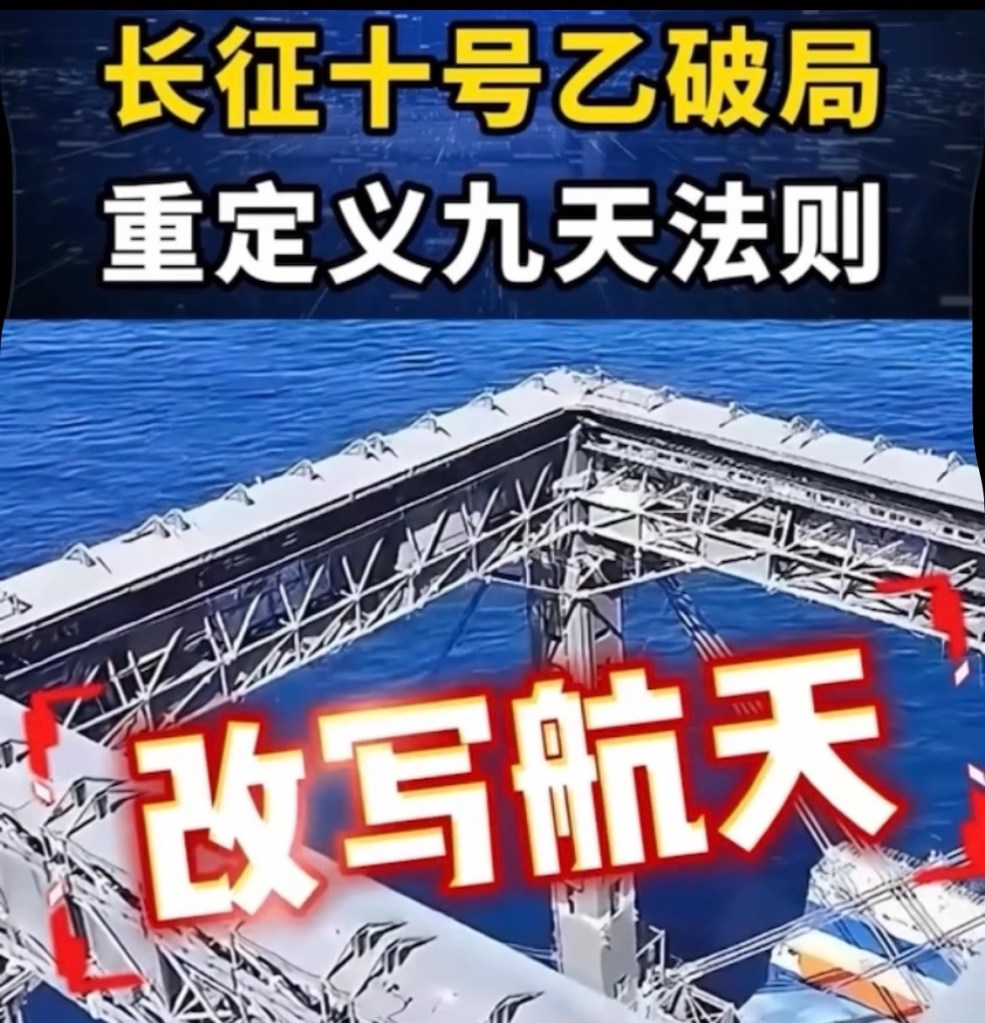
China’s recent successful launch of reusable rockets has given Beijing a fast track to deploying its own low‑orbit satellite constellations, directly challenging Starlink’s market dominance. Critically, these Chinese reusable launch systems are estimated to be 3–4× cheaper than the rockets currently used by SPCX, severely undercutting its cost structure.
On the AI front, Grok faces an uphill battle against China’s open‑source models, such as DeepSeek. With operating costs roughly 1/10th of those of comparable U.S.‑based AI models, DeepSeek and its peers can undercut Grok on pricing and accessibility without sacrificing performance.
Compounding these competitive pressures, the broader AI industry is grappling with a severe electricity bottleneck. Powering advanced data centers demands immense energy, and U.S. electricity costs are currently 5–6× higher than in China. This structural disparity eats into margins before a single model is even trained—putting SPCX at a permanent disadvantage.
With its core profit engine under siege, its AI division losing the cost war, and an energy crisis inflating operational expenses, SPCX’s long‑term viability is highly uncertain. Unless these structural headwinds reverse, the company may never make money.
SPCX 業務橫跨多個高風險領域,包括:
· 火箭與太空船
· Starlink(衛星網路)
· Grok(人工智慧)
· X(前身為 Twitter)
儘管這家綜合企業擁有極具未來感的投資組合,其財務前景卻日益嚴峻。目前,Starlink 是唯一獲利的部門——而且其競爭護城河正在迅速縮小。
中國近期成功發射可重複使用火箭,為北京快速部署自家低軌衛星星座鋪平了道路,直接挑戰 Starlink 的市場主導地位。關鍵在於,這些中國可重複使用發射系統的成本估計比 SPCX 目前使用的火箭便宜 3 到 4 倍,嚴重削弱了 SPCX 的成本結構。
在人工智慧方面,Grok 面對中國開源模型(如 DeepSeek)的激烈競爭。DeepSeek 及其同類模型的營運成本約為美國同級 AI 模型的 十分之一,使其在價格和可及性上具備壓倒性優勢,且不損及性能。
除了競爭壓力,整個 AI 產業還面臨嚴重的電力瓶頸。驅動先進數據中心需要龐大能源,而美國的電力成本目前比中國高出 5 到 6 倍。這種結構性差距在模型訓練之前就已侵蝕利潤空間——使 SPCX 陷入永久性的劣勢。
隨著核心獲利引擎受到夾擊,AI 部門在成本競爭中節節敗退,加上能源危機推高營運支出,SPCX 的長期存續能力高度不確定。除非這些結構性逆風扭轉,否則該公司可能永遠無法獲利.