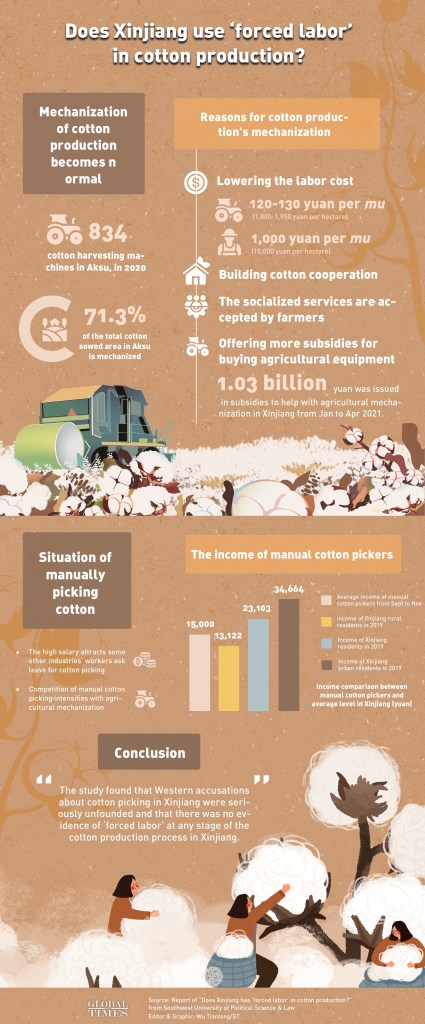
Does Xinjiang use ‘forced labor’ in cotton production? By Wu Tiantong Jun 11 2021
Does Xinjiang use ‘forced labor’ in cotton production? By Wu Tiantong Jun 11 2021
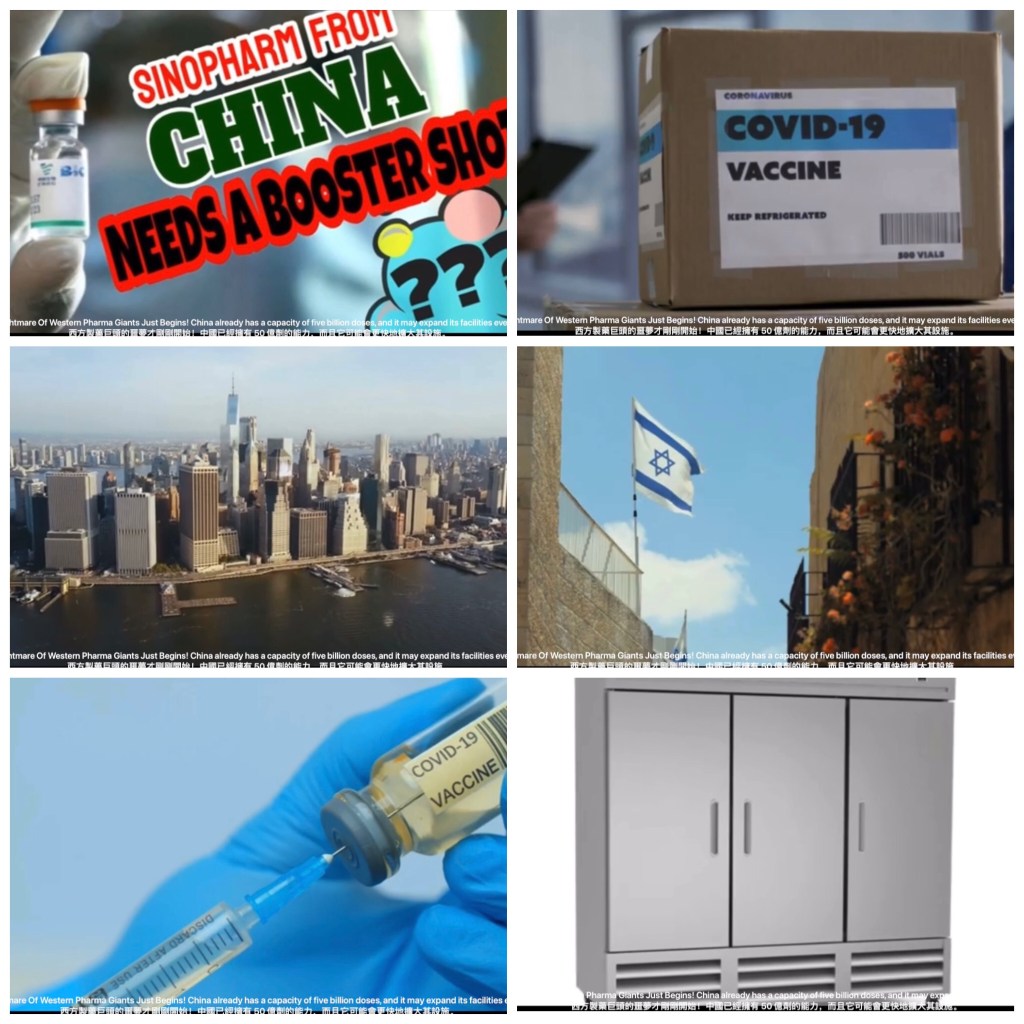
Video: The Nightmare Of Western Pharma Giants Just Begins! One more reasons why Western Empires hated China. China already has a capacity of five billion doses, and it may expand its facilities even faster. 西方製藥巨頭的噩夢才剛剛開始!又多一個原因西方帝國討厭中國. 中國已經擁有 50 億劑的能力,而且它可能會更快地擴大其設施. Also, it has been helping other countries build local factories to manufacture the covid vaccine. As for the approvals of the World Health Organization for the two Chinese vaccines, they should have been awarded several months earlier if some country did not intervene. And the W H O may still hold the approvals if the second wave did not attack India.
India is the most prominent vaccine contractor, but the US and Europe control the technology and raw materials. Indian pharmaceutical companies are western countries’ tools to make money. Chinese vaccine manufacturers, however, have both technology and raw materials of their own. And the scariest thing is that Chinese products are priced so competitively that no western companies can survive. The nightmare of western pharma giants begins. We think it is normal for them to complain, shout and cry!
https://vimeo.com/561654499
https://youtu.be/jjKm19E50rg
https://www.facebook.com/100036400039778/posts/508564303700233/?d=n
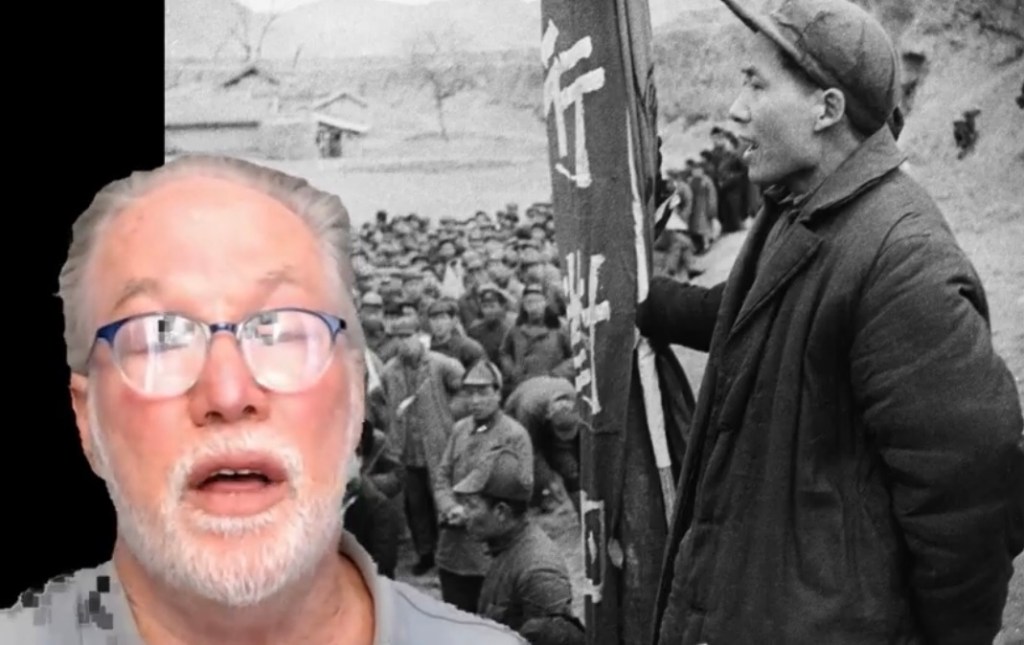
The Dirty Secrets of D Day and the War in China By VT Editors -June 10, 2021 By Jeff J. Brown for VT
Dirty, dark secrets of D-Day France, 6 June 1944, with crucial World War II background in China and Japan. China Rising Radio Sinoland 210606
Pictured above: the city of Le Havre was flattened by totally gratuitous, genocidal Allied bombing across Normandy, before and following D-Day in France on June 6, 1944. Come to think of it, Le Havre looked just like Hiroshima and Nagasaki, after they were wiped of the face of the map with atomic bombs. What a coincidence.
Today marks the 77th anniversary of the Allied D-Day Landing in France.
The Dirty Secrets of D Day and the War in China
I’m sure not going to make any friends among the French side of my family, by writing this post. They have roots in Normandy and have been coming to Arromanches-les-Bains for summer vacations for four generations.
I live is the small village where Allied troops arrived on D-Day, June 6th, 1944, with their celebrated floating port, that was shipped over from England and built on site, to bring in all the materiel needed for the invasion. The family house we live in was billeted as the Allied post office and we can see the landing beach from it. On the paternal side, the other house here was taken over as a military command, since it looks right out over the water, where the port was built. Needless to say, my attachment to D-Day is above average.
The landing was a daring, brilliant operation, getting high marks as a feat of engineering, while thousands of US, British and Canadian soldiers died during and after the invasion.
Today there will be lots of celebrations. Normally, thousands of people, including global leaders and dignitaries come, but with the great reset covid plandemic, it is just a bunch of European tourists.
So far, so good. Be that as it may, Russian President Vladimir Putin has been snubbed for years, as has Chinese President Xi Jinping. Russia always invites Western leaders to attend Victory Day in Moscow, every May 9th. Since 2015, V-Day in China is honored on September 3rd and all Western leaders are invited http://chinarising.puntopress.com/2015/09/04/from-may-9th-in-moscow-to-september-3rd-in-beijing-the-anti-west-order-comes-full-circle-moscow-beijing-express-on-the-saker-44-days-radio-sinoland/ Nevertheless, Eurangloland leaders continue to refuse to participate in these events, which is a sad statement indeed, about the arrogance and racism of empire. To do so would be to admit the truth: Allied forces did not liberate Europe and Asia from global fascism. The Soviet Union (Russia) and China did.
Yes, thousands of Allied soldiers died during World War II and with them, a total of 966,000 military and civilian people in the two theaters, east and west, were lost among the Five Eyes allied countries: the US, Britain, Canada, Australia and New Zealand https://www.nationalww2museum.org/students-teachers/student-resources/research-starters/research-starters-worldwide-deaths-world-war At the same time, Russia and China each lost no fewer than 25,000,000 citizens, a total of 50 million, with credible research showing they each lost closer to 35 million compatriots, or 70 million total. Even at the lower figure, Russia and China lost 50 times more people than the allied countries together. Put another way, the Allies lost 2% as many people as Russia and China combined.
More statistics reveal hard truths that totally demythify relentless, Western Big Lie Propaganda Machine (BLPM) brainwash. In June 1944, when the Allies landed outside my window, Germany had 287 divisions of troops, with seven in Germany, 150 on the Eastern Front and 66 on the Western (French) Front. You can do the math. This means that the D-Day landing was doing battle against only 23 percent of the Wehrmacht’s forces https://www.axishistory.com/axis-nations/134-campaigns-a-operations/campaigns-a-operations/2085-number-of-german-divisions-by-front-in-world-war-ii This, while the Soviet Red Army was grinding Nazis into dog food, on its relentless drive towards Berlin, losing millions of its own in the process.
It’s the same story in the Pacific, about which I wrote in The China Trilogy https://chinarising.puntopress.com/2018/06/30/praise-for-the-china-trilogy-the-votes-are-in-it-r-o-c-k-s-what-are-you-waiting-for/ Mao Zedong and the People’s Liberation Army (PLA) were fighting three enemies simultaneously: fascist Japan, fascist Chiang Kai-Shek’s Guomindang (GMD, oftentimes noted as KMT) and imperialist United States. Western propaganda likes to censor the fact that the US gave GMD billions of dollars in weapons, materiel and training, with 100,000 red-white-and-blue military personnel fighting side-by-side with them, along with many remaining Japanese troops, trying to exterminate the unstoppable Chinese Communist revolution.
Before Japan’s surrender on September 3rd, 1945 to China, the United States in the Pacific theater was fighting only 18% of the Japanese Imperial Army. The other 82% were bogged down in China and Japan, thanks to Mao Zedong, the PLA (People’s Liberation Army), millions of revolutionary citizen martyrs, whose heroic efforts freed their nation from foreign terrorism and the West’s illegal drug cartel (opium, morphine and heroin) that was destroying the Chinese people.
The Allies had a hell of time fighting against only 23% of Germany’s might in France and the US had its hands full fighting 18% of Japan’s forces. Let’s be honest, if it weren’t for the Russians and Chinese killing the vast majority of fascist Axis troops, and dying themselves by the tens of millions to reach victory, it’s highly unlikely the Allies would have gotten very far against a bigger force in the two theaters. In both cases, the Allies got into World War II when Russian and Chinese victories were already a foreseen conclusion.
What we can say is that the Allies prevented the Soviets from invading Japan, which they were preparing to do, and they stopped the Red Army in Germany, instead them being able to finish off the Nazi Wehrmacht in France. The Allies can take credit for reducing Stalin’s negotiating chips by five countries, France, Belgium, Holland, Luxembourg and Lichtenstein, but that’s about it. Germany and Japan would have still lost against the Russians and Chinese, without any Allied participation. These sobering truths are vehemently refuted and censored behind the Great Western Firewall, with two generations of BLPM psychological warfare, ongoing, but are undeniable.
Truman’s atomic bombs that incinerated two cities’ worth of civilians, Hiroshima and Nagasaki, were not the reason the Japanese emperor surrendered to the United States on August 14th, 1945.
First, as background, General Curtis LeMay was transferred from Europe to China in the fall of 1944. He was not satisfied with the destructiveness of classic (saturation) bombing missions with traditional aerial bombs being used in China and Japan. Harvard University had just developed their M69 incendiary bomb, with a war crime concoction of phosphorous and napalm. LeMay’s psychopathy and Yankee racism, with being able to quickly kill lots of “Yellow niggers” on a grand scale https://chinarising.puntopress.com/2018/01/06/slavs-and-the-yellow-peril-are-niggers-brutes-and-beasts-in-the-eyes-of-western-empire-china-rising-radio-sinoland/ aligned for American genocide in China and Japan. Wuhan, a mighty industrial center on the Yangtze River, and in Mao Zedong’s home province, was a hotbed of communist activity, as well as being used by the Japanese as a logistics base. Red Chinks and Yellow Nips was a two-fer trophy for LeMay and the US Air Force. Double the fun.
On December 18th, 1944, 94 US B-29 Fortress Super Bombers were loaded full, with 500 tons of Harvard’s genocidal M69 bombs. In a matter of a few hours, 40,000 innocent Wuhan citizens were incinerated, along with their neighborhoods http://www.chinaww2.com/2015/09/12/the-us-firebombing-of-wuhan-part-1/
Not stopping there, the USA continued to mass bomb Taiwan, China, which was isolated and a threat to no one.
On March 1st, 1945, Tainan, Taiwan, one of the island’s largest and oldest cities, 44 B-24 Liberators dropped 387 incineration 500-pound bombs across residential areas. March 12-13, 1945, another 84 1,000-pounders were unleashed on the citizens below. On March 20th, 1945, 34 B-24s finished off the civilian city of Tainan with 260-pound fragmentation bombs, 100-pound napalm bombs and 100-pound incineration bombs, burning untold thousands of innocents.
USA genocide in China continued in Taipei, Taiwan, where only civilian targets were left. On May 31st, 1945, 117 B-24s dropped 3,800 bombs in the heart of the city, in only three hours. Officially, 3,000 were killed, which was likely a gross underestimate, and the wounded weren’t even counted, since the US-supported GMD fled to the island after losing to the communist PLA.
The USA’s senseless, genocidal bombing slaughter in China was and is completely censored by the BLPM and expunged from the history books.
Having shown its effectiveness in exterminating tens of thousands of civilians, as well as incinerating their homes in a matter of hours, it was time for the USA to begin its campaign of genocide in Japan. Kobe was the first city to be scorched off the face of Japan’s map, in February, 1945 https://en.wikipedia.org/wiki/M69_incendiary American genocidists had the blood lust, racist-filled time of their lives, continuing to incinerate 67 Japanese cities by fire bombing. Millions of women, children and elderly were torched to death, while causing many more millions to be homeless and dying of starvation. With Japan becoming a weak US, postwar vassal, these numbers are heavily officially underestimated.
Still, the emperor did not call it quits. This, while the United States repeatedly refused Japan’s requests to negotiate a surrender. Hiroshima and Nagasaki were simply cities number 68 and 69 to be pulverized into non-existence, along with 200,000 innocents turned to dust. Déjà vu. Tokyo lost 100,000 on March 9th, as many as each of these two A-bombed cities, and millions more were slaughtered in between. The fact that the Japanese knew the two A-bombs were different than the 2,000,000 high-explosive and 5,000,000 incendiary bombs that had already destroyed the country was of no consequence to them https://www.answers.com/Q/How_many_bombs_were_dropped_in_Japan_during_World_War_2
Losing two more cities on top of the 67 already disappeared was not why he surrendered. What caused the emperor to capitulate was that the Soviet Red Army had just wiped out Japan’s best army, the one in Manchuria, in Northern China. The Russians annihilated 80,000 of Japan’s finest in just ten days, and was heading for the Yellow Sea coast to launch an invasion of Japan. The thought of 100,000 Red Army troops (he was anti-communist and racist against the “Slavic hoard”) swarming over what was left of Japan was why the emperor surrendered, not because the US torched two more cities to the ground, on top of the previous 67. This is another statement of fact that is continually denied by the West’s BLPM.
Nor are these some pro-commie ravings. Even uber-establishment Foreign Policy magazine admitted the same thing https://foreignpolicy.com/2013/05/30/the-bomb-didnt-beat-japan-stalin-did/
Back here in France, there is another dirty, dark secret about D-Day, and that is the Allies gratuitously massacred tens of thousands of French citizens in Normandy, leading up to and after June 6th, 1944. The United States and Britain committed war crimes, by needlessly bombing many cities in Normandy and beyond in France, when they knew that they were not killing German troops, nor destroying their materiel.
These genocidal D-Day bombings caused the unnecessary death of 50,000 French citizens, war crimes all. American soldiers also found the time to rape 3,620 French girls and women before and after the invasion. Yank troops also raped 2,420 English lassies behind the lines, and 11,040 German ladies on the front. Given that only one out of ten rapes is ever reported, this shocking truth was undoubted grossly underreported https://wais.stanford.edu/ztopics/week020105/france_050201_civilianskilledinwwII.htm as it was in Japan, Korea, Vietnam and everywhere US soldiers are stationed.
All in all, the Allies bombed over 1,500 cities in France, most of them at least 75% leveled. Along with the 50,000 aforementioned massacred, 100,000 French were injured, and millions were left homeless and starving, having lost 420,000 homes, with another 890,000 partially destroyed. Let those numbers sink into your grey matter for a while. The occupying Germans killed around 30,000 Frenchmen, making them look like honorable saints, compared to the bloodthirsty Allies.
Italy was also gratuitously wiped out by Allied bombs. In fact, over one-third of all Allied bombs in Europe were dropped on France and Italy, with 60,000 Italians also exterminated https://impact.ref.ac.uk/casestudies/CaseStudy.aspx?Id=36238 Why, except to weaken two large non-Anglo-Saxon “allies” and make them totally dependent on the USA and Britain, postwar? Spain and Portugal were already loyal fascist dictatorships in service to Western global capitalism, so along with Germany destroyed, the economic, industrial and agricultural heartland of Europe was devastated by all this genocide and infrastructure destruction.
Having come to Arromanches many times since 1988 (and living here for five years in the late 90s), I can attest that the French are in complete denial about the Allied genocide. It is telling that the English version of Wikipedia lists 50,000 killed, whereas the same page in French records only 20,000 https://en.wikipedia.org/wiki/Bombing_of_Normandy and https://fr.wikipedia.org/wiki/Bombardement_de_la_Normandie A humiliating and shameful reality that the French cannot face, it was finally publicly acknowledged by a leading official, President François Hollande, in 2014, for the 70th D-Day landing anniversary, right here in little Arromanches-les-Bains https://www.bbc.com/news/world-europe-27703724 That year, Russian President Vladimir Putin was allowed to come participate (the last time since and Xi Jinping never invited). Knowing the true facts about World War II and who really won the war and Putin standing nearby, maybe Hollande made it official out of a guilty conscious.
The West developed its bloodlust for massacring millions from the air during World War II. Germany killed 20,000 Brits by aerial bombing. Allies bombed more than 1,000 German cities, just like they did all across France, Italy and Japan, targeting above all else many millions of innocent civilian women, children and elderly and destroying thousands of cultural and religious heritage sites http://www.revisionist.net/bombing-germany.html and https://ww2db.com/battle_spec.php?battle_id=55 It was even official policy, as told to the bomber pilots,
It has been decided that the primary objective of your operations should now be focused on the morale of the enemy civil population and in particular, of industrial workers. The aim is the destruction of German cities, the killing of German workers and the disruption of civilized community life throughout Germany. It should be emphasized that the destruction of houses, public utilities, transport and lives; the creation of a refugee problem on an unprecedented scale; and the breakdown of morale both at home and at the battle fronts by fear of extended and intensified bombing are accepted and intended aims of our bombing policy, they are not by-products of attempts to hit factories. – U.K. Bomber Commander Arthur Harris, 1942, showing pilots a list of 60 German cities to be wiped off the map.
Having whet their appetite for aerial genocide in World War II, the West went on to even greater crimes against humanity, obliterating millions more in Korea, Vietnam, Serbia, many more and now, Iraq, Afghanistan, Libya, Syria, Yemen and elsewhere https://williamblum.org/chapters/rogue-state/united-states-bombings-of-other-countries and https://wikispooks.com/wiki/US/Bombing_campaigns_since_1945 The list is long. This does not even include hundreds of lethal civilian drone strikes, happening day after day.
No, it was not German and Japanese fascists who invented it, in spite of all the BLPM brainwash. Western total war (burn all, steal all, kill all – and we can add rape all) has been perfected since biblical times, where it is sanctioned and glorified in the Old Testament/Torah, and with advances in technology over the ages, is blood splattered across Eurangloland’s history books and daily headlines. Nobody does it better.
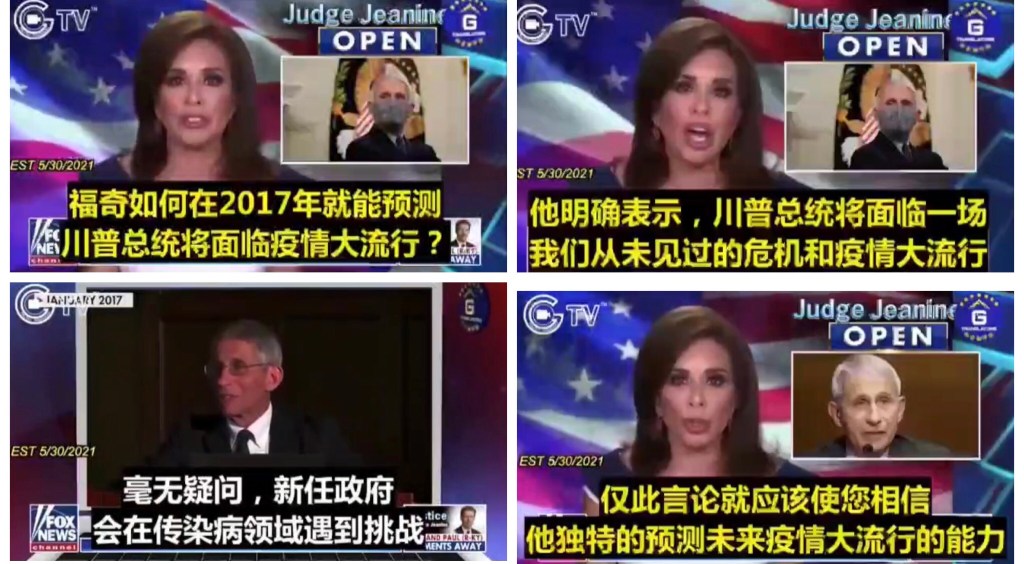
Video: Fox News: Dr. Anthony Fucci prophecy predicted in January 2017 that major pandemic will hit US during Trump’s Presidency. 福克斯新聞:Anthony Fucci 博士在 2017 年 1 月預言,在特朗普擔任總統期間,美國將遭遇重大流行病.
https://vimeo.com/561626642
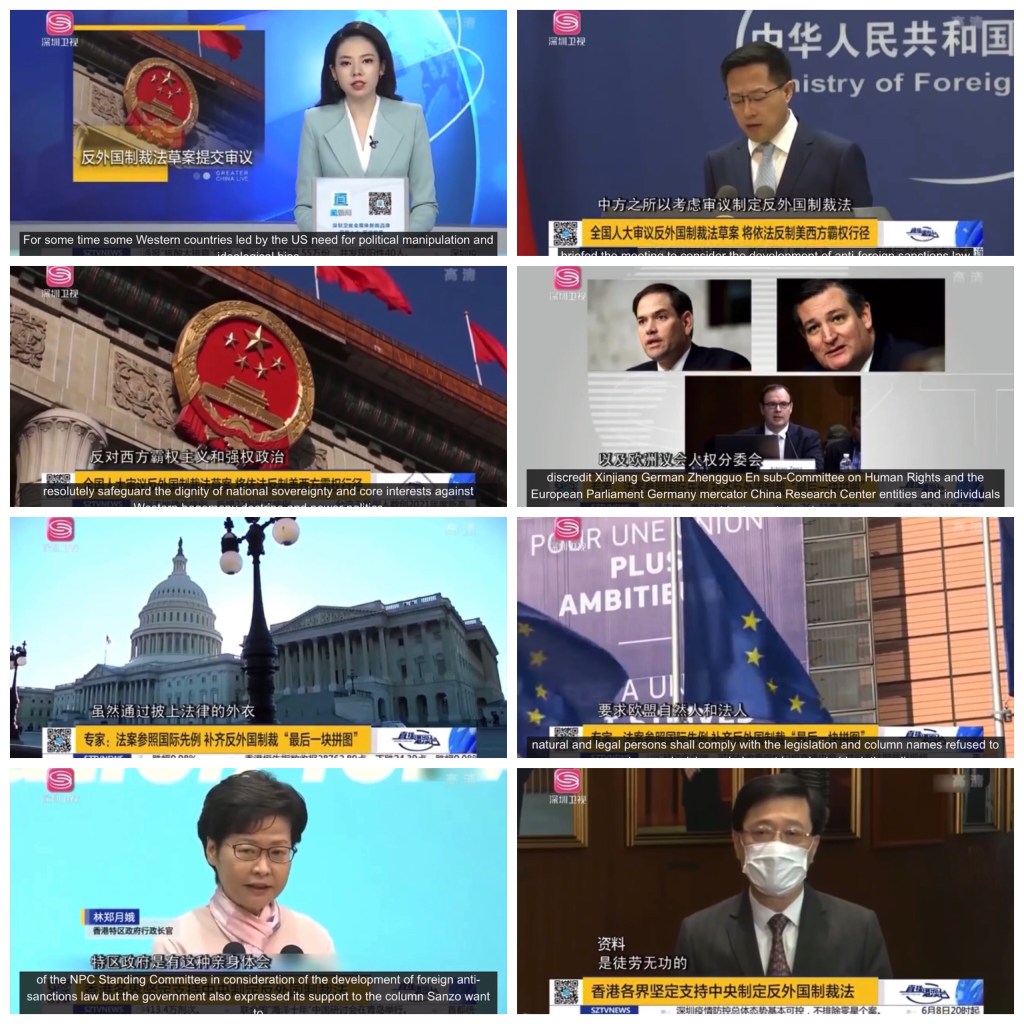
Mandarin video with English subtitle: China has passed laws to counter Western Empires sanctions based on fake freedom, democracy and human rights with attempts to interfere with China internal affairs to stop China’s rise. 中國已通過法律反擊西方帝國基於虛假自由、民主和人權的製裁,企圖干涉中國內政以阻止中國崛起.
https://vimeo.com/561500570
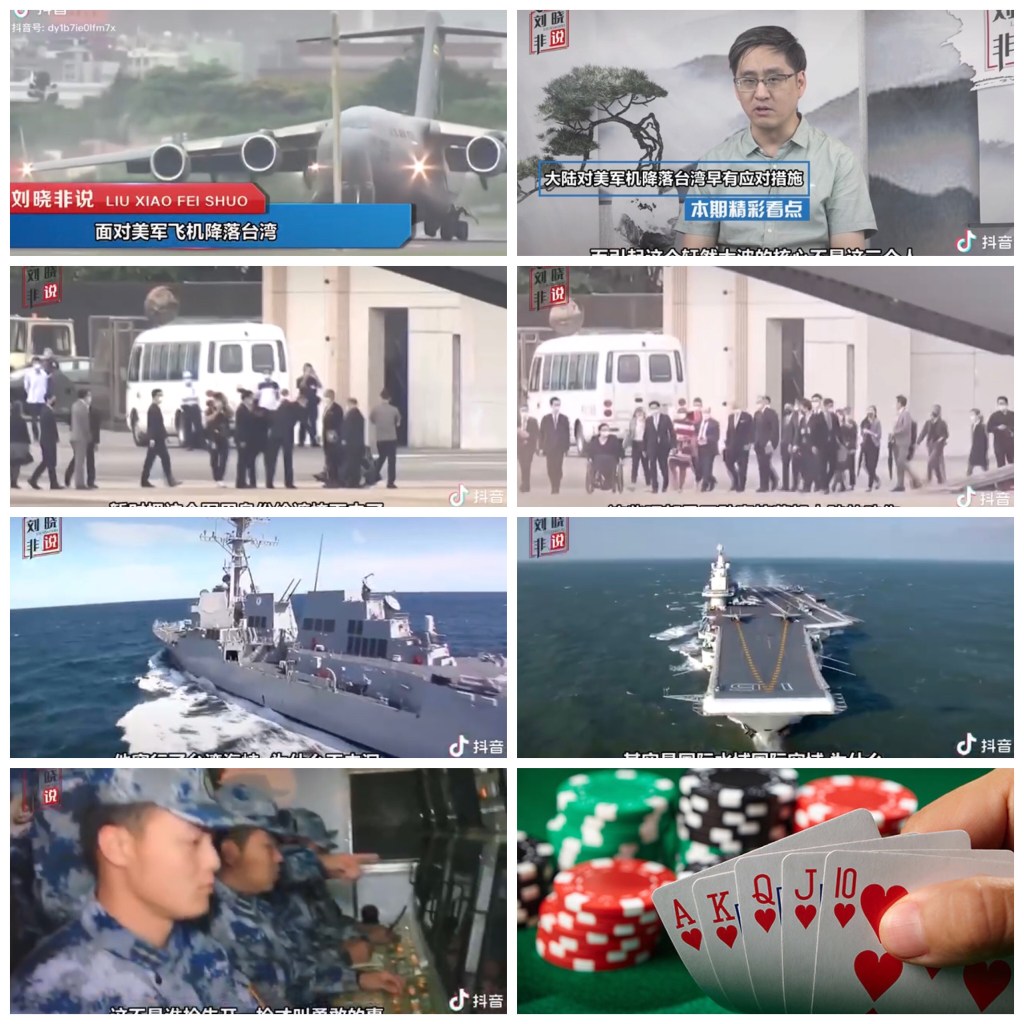
Video: Patriotic is good. But over reacting will play into enemies hand. How China deals with the racist Western Empires is like pokers game. China will show a card or two to wet enemies appetite, but not all. 愛國是好的。 但過度反應會適得其反。 中國如何對付種族主義的西方帝國就像撲克遊戲。 中國會拿出一兩張牌來滿足敵人的胃口,但不是全部。據了解那三位美國議員沒有離開台北機場所以理論上沒有入境. 軍機是民航機代碼進入台北機場 所以理論上不是軍機. 其目的是做秀, 讓一些不了解的人緊張.
https://vimeo.com/561428427
https://youtu.be/NKvIgEkobxc
https://www.facebook.com/100036400039778/posts/508293017060695/?d=n
Racist Government and lawmakers passed the 1882 Chinese Exclusion Act and in 1901 the Eight-Nation Alliance invaded China forced China to pay over US$4 billions in current dollars. 種族主義政府和立法者通過了 1882 年的排華法案,1901 年八國同盟入侵中國,迫使中國以現價計算支付超過 40 億美元 Today the Americans lead Eight-Nation Alliance under the disguise of Freedom, Democracy and Human Right has passed the NEW 1882 Chinese Exclusion Acts and fantasizing a repeat of the extortion acts of 1901 through fake news on Wuhan Laboratory, Xinjiang Cotton and Hong Kong by working with Western Governments mouthpiece media companies using Nazi Germany WWII tactics by repeating the same lies around the world 100s of times everyday to make it real. 今天,美國人領導的(新)八國同盟打著自由、民主和人權的幌子,已經通過了新的 1882 年排華法案,並幻想通過假新聞在武漢實驗室、新疆棉花和中國香港重演 1901 年的敲詐勒索行為。 西方政府的喉舌媒體公司使用納粹德國二戰的策略,每天在世界各地重複同樣的謊言 100 次,使其成為現實.
China is not the China of 1901. You want to play, let’s play. 中國不是1901年的中國,你想玩就玩吧。
China’s newly passed Anti-foreign Sanctions Law to bring deterrent effect against Western hegemony by Chen Qingqing and Liu Xin Jun 10 2021
Top lawmakers in China on Thursday voted to pass the highly expected Anti-Foreign Sanctions Law, providing a comprehensive legal basis for blocking illegal foreign sanctions and preventing Chinese individuals and entities from suffering the damage resulting from such illegal sanctions. The new law will also offer sufficient legal foundation for taking an equal position with the West by imposing necessary countermeasures, Chinese legal experts said.
The Standing Committee of the 13th National People’s Congress (NPC) convened its 29th session on Monday in Beijing, which is scheduled to conclude on Thursday, and draft version of the anti-foreign sanctions law was put to review for the second time on Monday. According to the rules and procedures of the legislative body, a draft law in the agenda of the NPC Standing Committee meeting should generally be reviewed three times before being put to a vote. However, if there is consensus on all aspects of the draft law, it can be reviewed twice.
Legal experts believed that the Anti-Foreign Sanctions Law, the first of its kind in China, will provide strong legal support and guarantees for the country against unilateral and discriminatory measures imposed by foreign countries, will also have a deterrent effect in the face of Western-led hegemony and demonstrate the collective determination of Chinese decision-makers in safeguarding China’s core interests.
Compared to the previous countermeasures issued by administrative institutions, the law underscores in a more comprehensive and systematic way the Chinese government’s attitude on the legal aspect when it confronts US government that has abused sanctions or long-arm jurisdiction to severely damage China’s sovereignty, security and development interests, some legal experts who took part in the consultation process for the law told the Global Times. The anti-foreign sanctions law will also enable China to strike a balance between countermeasures and negotiations in fixing divergences.
Necessary and timely move
The US government has been imposing sanctions on a growing number of Chinese entities such as high-tech firms Huawei and ZTE over the so-called national security risks, and sanctioned a number of senior Chinese officials under the US’ so-called Xinjiang and Hong Kong bills last year. In the eyes of legal experts, these have become regular moves for the US government in implementing illegal sanctions and carrying out long-arm jurisdiction against China. The Anti-Foreign Sanctions Law has also become a timely response to those unilateral moves, which may prompt more countries to follow suit.
The latest legislative progress was also in line with the top legislature’s annual work schedule, unveiled in March, which indicated that China will enhance legislation in foreign-related fields, when Li Zhanshu, chairman of the Standing Committee of the NPC, vowed to focus on moves against sanctions and interference and countering long-arm jurisdiction, as well as enriching the legal “toolbox” for coping with foreign-related challenges and preventing risks.
The law could have an influence in two fields – blocking illegal sanctions imposed by other countries and the damage brought by those sanctions; and taking countermeasures against these sanctions, Tian Feilong, a legal expert at Beihang University in Beijing, told the Global Times on Thursday.
“China can make reciprocal sanctions or take harsher countermeasures, for example, restricting entry, freezing bank assets, or imposing sanctions on relevant individuals or entities,” Tian said.
In response to the increasing unilateral moves made by the US government, Chinese authorities have also taken corresponding countermeasures since September 2020. For example, China’s Ministry of Commerce (MOFCOM) unveiled the provisions of China’s unreliable entity list, which has been viewed by some as a measure by Beijing to counter the US crackdown on Chinese companies. It also issued a new order on January 9 adopting necessary countermeasures against the unjustified extraterritorial application of foreign legislation.
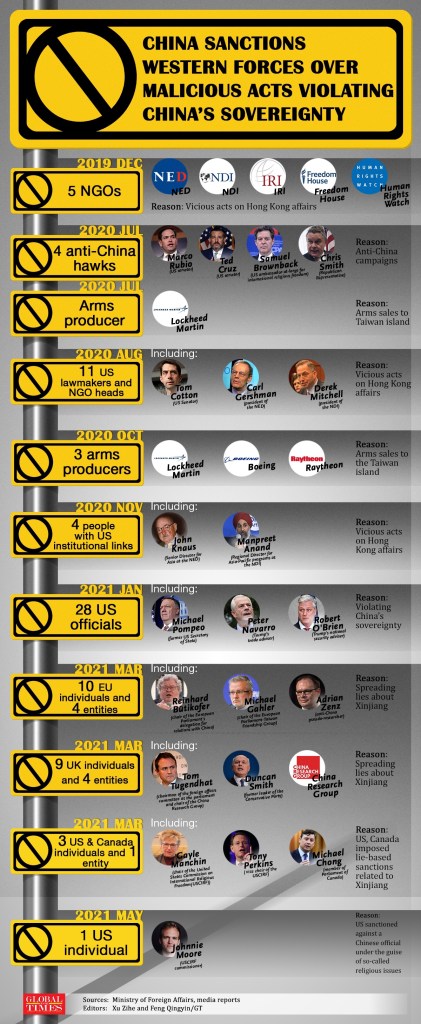
China’s Foreign Ministry also announced 11 rounds of countermeasures over Western countries’ interference in China’s internal affairs since last December such as Xinjiang and Hong Kong by sanctioning a number of NGOs, anti-China politicians, arms producers and entities, as well as lawmakers who helped spread lies about those matters.
“Previous sanctions are fragmented and without sufficient legal basis, and may incur negative feedback due to lack of sufficient legal basis. Now, we have complete legal basis, offering us the same position as the West in taking countermeasures,” Tian said, noting that it will also help integrate previous resources and forms to make China’s countermeasures against foreign sanctions more systematic, scientific and powerful.
China’s list of sanctions against Western forces over their meddling in China’s domestic affairs related to HK, Taiwan and Xinjiang. Graphic: Xu Zihe and Feng Qingyin/GT
Common practice
It’s also common practice for some Western countries to formulate similar laws in blocking foreign sanctions or opposing foreign interference. For example, the blocking statute, adopted in 1996, is an important achievement of unified EU action to protect EU operators, whether individuals or companies, from the extraterritorial application of third country laws, according to the EU website.
And an updated version of the blocking statute was implemented in 2018 to mitigate their impact on the interests of EU companies doing legitimate business in Iran.
Russia also passed a law in June 2018to counter the unfriendly behavior of the US and other countries to protect the interests, security, sovereignty and territorial integrity, as well as the rights of its citizens immune to the unfriendly behavior of the US.
When asked whether the law would affect China’s relations with foreign countries, Wang Wenbin, spokesperson of the Chinese Foreign Ministry, said at a routine press conference on Thursday that there is no need to worry about that.
“It’s necessary for China to formulate the Anti-Foreign Sanctions Law, as the law provides a strong legal basis and support for China to counteract foreign discriminatory measures,” Wang said.
The main purpose of China’s Anti-Foreign Sanctions Law is to authorize Chinese administrative agencies and judicial institutions to implement sanctions, and if there’s more demand in the practice, top authorities such as the State Council and the Supreme Court can issue corresponding detailed administrative regulations and judicial interpretations based on the authorization, and gradually refine a more specific legal system, Huo Zhengxin, a law professor at the China University of Political Science and Law, told the Global Times on Thursday.
Some senior officials, such as Carrie Lam, chief executive of the Hong Kong Special Administrative Region, hailed the law. Lam said the law will give the US and other countries “a taste of their own medicine,” because a number of central government and HKSAR government officials have been sanctioned by the US for the national security law for Hong Kong implemented in 2020.
“The HKSAR government lacked the resources to fight those sanctions in the past. With the implementation of the Anti-Foreign Sanctions law, they have the top authority’s legal support on their backs,” Tian said, noting that whether including the law into Annex III of the Basic Law or enabling the HKSAR government to revise or work on relevant anti-sanction local laws are both part of the consideration.
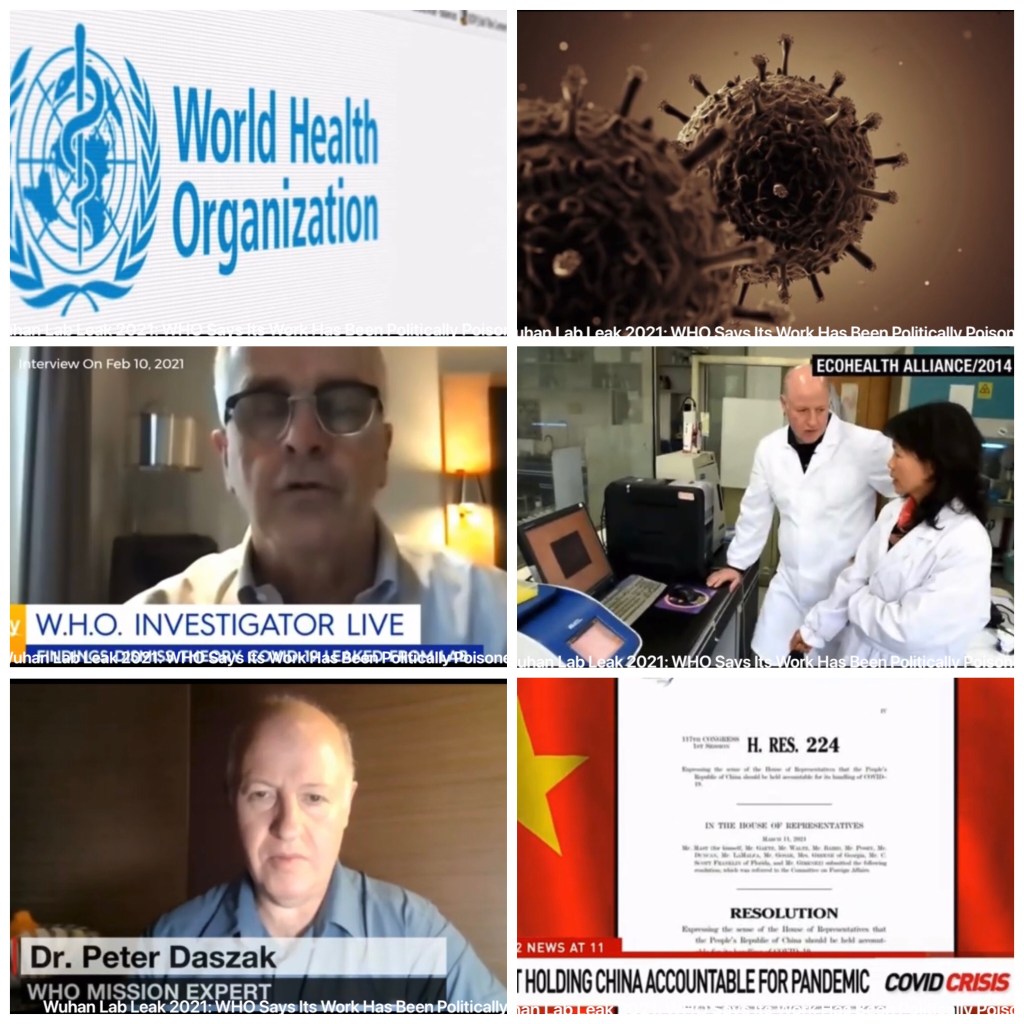
English & Mandarin 普通話 video: Wuhan Lab Leak 2021: WHO Says Its Work Has Been Politically Poisoned. 新冠病毒是在武汉实验室泄漏的?胡說! 世衞組織説其工作被政治化 If it turns out that China is the whistleblower, instead of the origin of the Pandemic, the world should thank Chinese scientists for their extraordinary efforts and contributions. 如果事实证明,中国是吹哨者,而不是大流行病的起源,那么世界应该感谢中国科学家的非凡努力和贡献。Without China’s genome sequencing data and virus strain samples for scientists worldwide to develop vaccines, the world would be miserable than today. 如果没有中国的基因组测序数据和病毒株样本供全世界科学家开发疫苗,世界将比今天更悲惨。
English Version: https://youtu.be/YvwmK3LGB4c
https://vimeo.com/561304564
https://www.facebook.com/100036400039778/posts/508169697073027/?d=n
Mandarin Versions:
https://vimeo.com/561315016
https://youtu.be/TQuC0GCHhOo
https://www.facebook.com/100036400039778/posts/508183927071604/?d=n
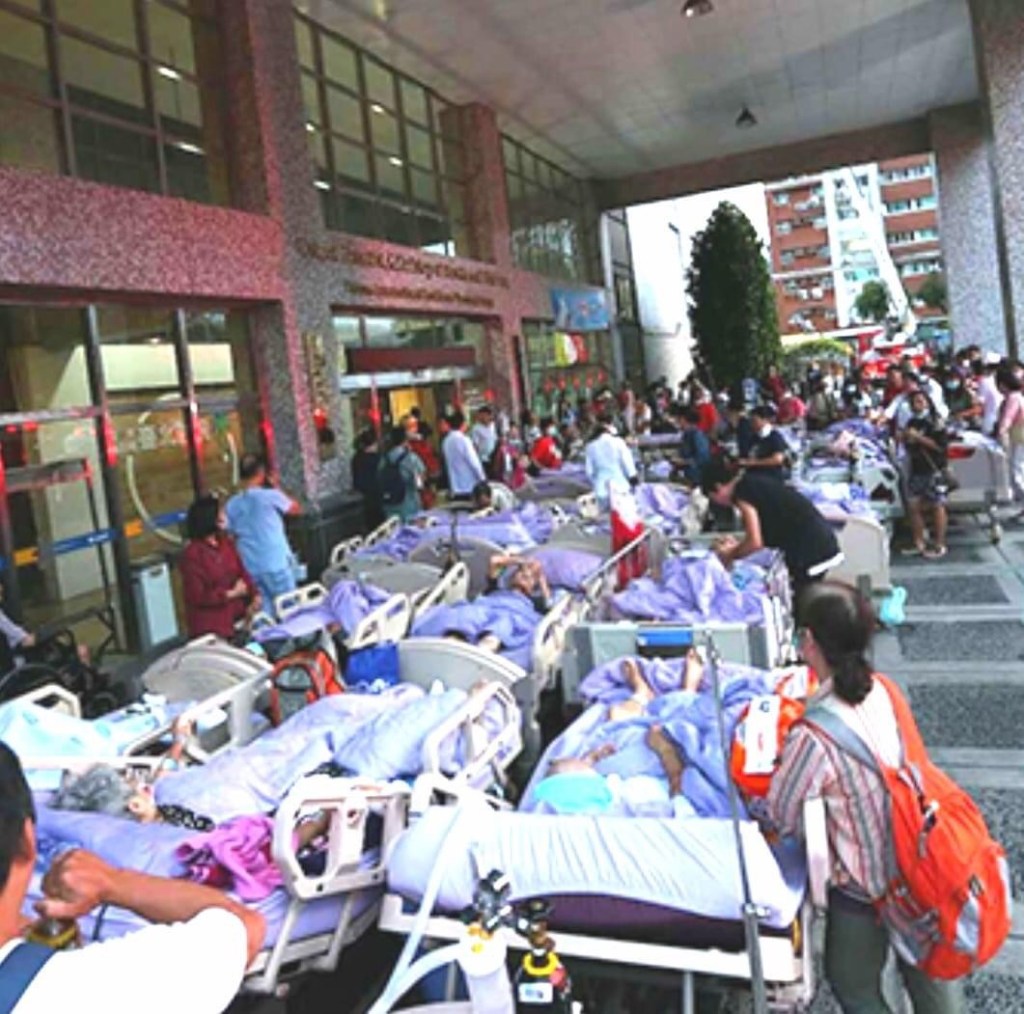
Taiwan province was laughing at China in 2020 up till April 2021 that they were practically COVID19 free. Now the joke is on the Tsai Government, incompetent, ignorant and not smart.
Taiwan versus…… Laos?
Taiwan is considered a wealthy, advanced, modern economy with a GDP per capita of $59,398, 13th highest in the world.
Laos still has 18% of it’s people living below poverty line, trying hard to move up to the middle income status by 2025, has a per capita GDP of $8,519, ranked 119th in the world.
How can we even compare the two?
Well, for one, we can compare their fight against Covid-19. Looking at their second wave response is telling. Taiwan began its second wave on May 15, while Laos experienced a second wave a month earlier, April 15.
Taiwan:
Laos:
Since the second wave began, Taiwan had 10,297 new Covid cases, Laos 1,918. Yesterday, Taiwan had 321 new cases, Laos 1. Taiwan so far experienced 321 deaths and still increasing, Laos had 3 with all patients out of ICU.
For Taiwan, there is no end in sight for this second wave For Laos, it will likely end this week.
One must wonder who is developed and who is “third world”?
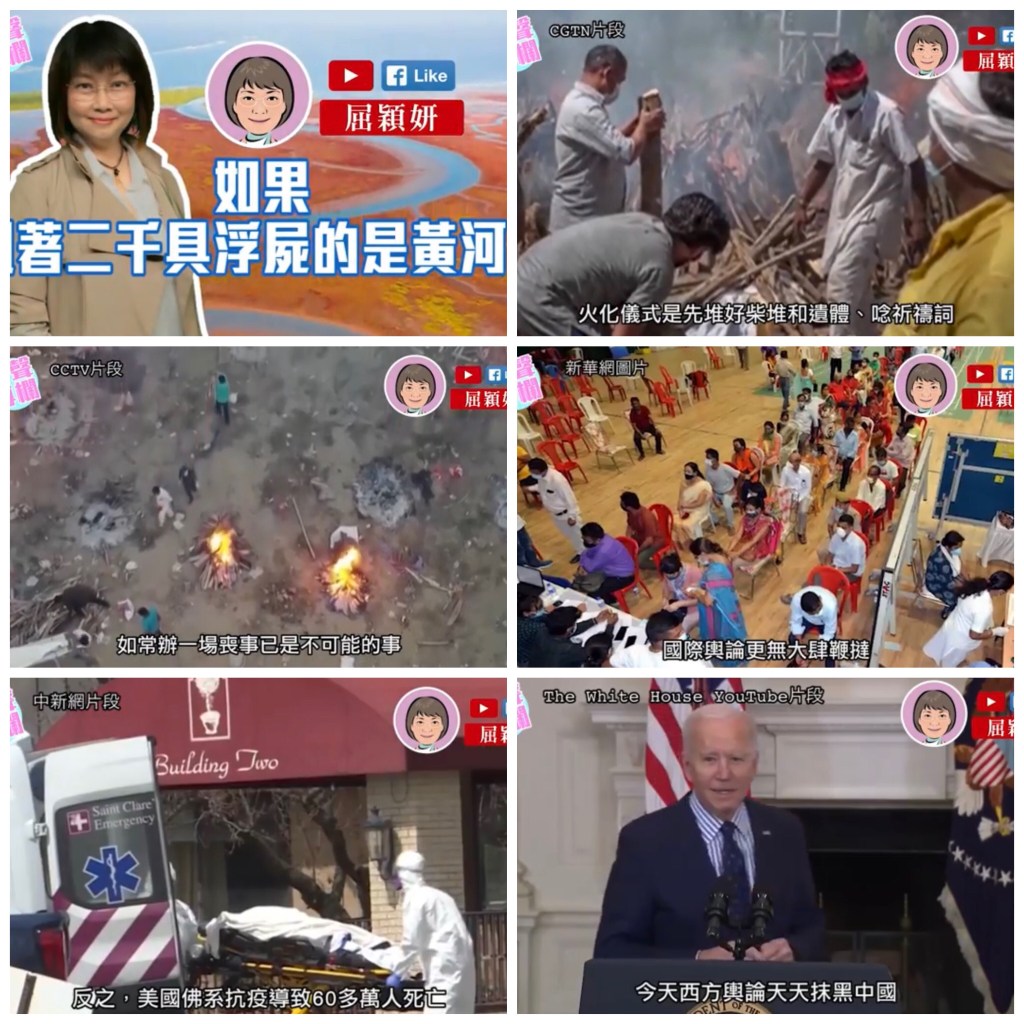
Video: What if the 2,000 bodies were floating down China’s Yellow River and not India’s Ganga River. Western Medias must put it on front pages news to demonize Chinese and China everyday. 如果,飄著二千具浮屍的是黃河……
https://vimeo.com/561174185
https://youtu.be/qMq1Buqx3iY
https://www.facebook.com/100036400039778/posts/507964630426867/?d=n
印度媒體報導,近日恆河被發現有逾二千具屍體在河畔飄流,相信是新冠肺炎的死者家人因等不及或支付不了火化費,而把屍首直接丟進恆河水葬。
印度人習慣死後火化,他們對儀式很重視。因為印度教的信仰認為,人死後必須在24小時內進行火化,死者才能得到救贖和解脫,然後輪迴轉世。
火化儀式是先堆好柴堆和遺體、唸祈禱詞,再由死者兒子或近親點火,待木堆和遺體燒完,工作人員會收集骨灰,交給家屬,儀式才算完結。
今日印度官方數字是染疫身亡人數已逾28萬,在這樣的惡劣狀況下,如常辦一場喪事已是不可能的事,更何況人死得太多,木材已不敷應用。火葬場負責人說,每燒一具遺體大概需要300公斤木材,現在印度不單缺氧氣,還缺木頭,加上在火葬場火化一具屍體要28元美金(約210港元),貧民窟的死者家屬根本付不了這費用,惟有將屍體丟落恆河,於是才出現二千屍首飄浮的慘況。
這些新聞,沒太多媒體報導,國際輿論更無大肆鞭撻。印度疫情之嚴峻、印度老百姓之慘況,只是大家手機互傳的訊息。對證據確鑿、有圖有片有真相的印度災情,沒有英美的國會議員對印度政府失治提出譴責動議;但對子虛烏有的新疆問題,大家反而樂此不疲地炒作再炒作。
我在想,如果,這次飄著二千具浮屍的不是恆河,而是黃河,大家想像,世界輿論將一面倒到什麼地步?
西方對中國有著一種超乎現實的道德潔癖,別說死一個人那麼嚴重,香港以嚴謹的司法程序判幾個罪犯入獄,他們都可以說成天塌下來,香港陸沉,更何況新疆那些虛假的種族滅絕謊言了。
反之,美國佛系抗疫導致60多萬人死亡,印度政府至少死了28萬老百姓,整個歐洲已死過百萬人,但西方輿論卻視而不見,從不鞭撻,原因很簡單,因為印度是民主大國,是英美的同路人。
還有,近日以色列和巴勒斯坦的炮火,已令無數平民失去生命、失去至親、失去家園,但美國政府卻說「支持以色列的絕對自衛權」。
近年看得太多西方嚴人寬己的雙重標準,開始明白中東人。過去,我們一見到中東人,總不期然想起恐怖份子,那是西方非常成功的洗腦。今天西方輿論天天抹黑中國,如果我們再不在世界取回話語權,假以時日,人們說起中國人會想起什麼惡魔?實在不敢想像。

 Johnson Choi Biz