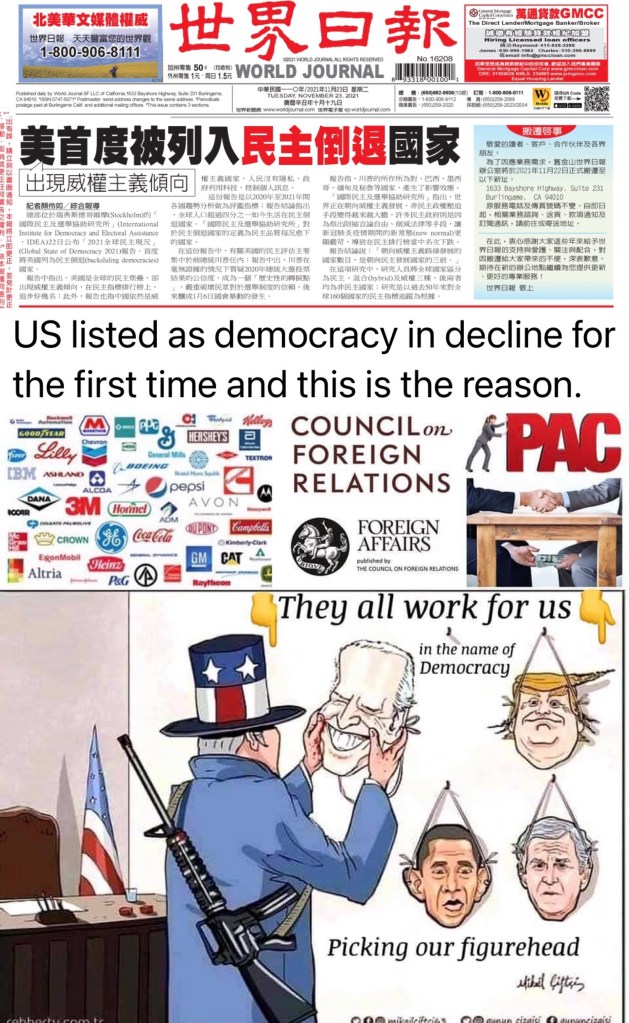
US listed as democracy in decline for the first time and these are the reason (see picture highlights)
US listed as democracy in decline for the first time and these are the reason (see picture highlights)
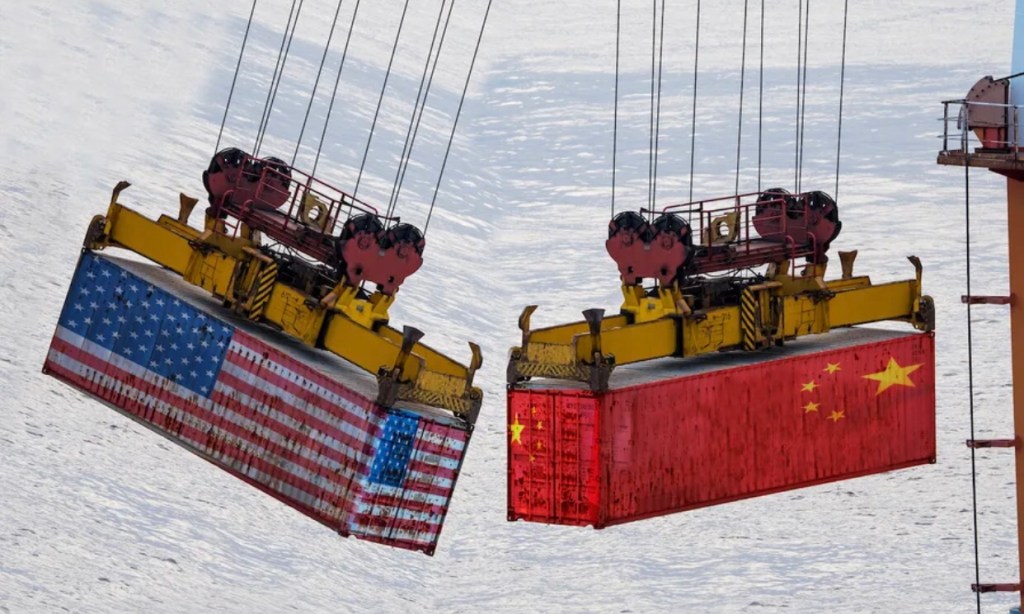
The $250 billion “Innovation and Competition Act” leverages industrial policy to ratchet up militarization and potentially instigate global conflict. By Aída Chávez, Nov 22 2021
Hybrid war funding will institutionalize cold war with China. Biden continues the work of Obama and Trump.
Congress is itching to pass a sweeping bipartisan package that threatens to enshrine a new Cold War, this time against China, and they’re counting on the American public’s inattention to get it through by the end of the year. After months of stalling in the House, and a failed attempt to attach the legislation to the annual defense bill, majority leader Chuck Schumer and Speaker Nancy Pelosi struck a deal this week for a bicameral conference on the anti-China legislation.
The US Innovation and Competition Act is a massive piece of legislation purporting to make the United States more “competitive” with China economically, politically, and technologically. Mainstream media outlets and lawmakers have framed the bill as the most expansive industrial policy legislation in US history, and as being crucial for countering China’s economic rise.
But this $250 billion “innovation” bill is nothing more than a dangerous escalation in a multipronged offensive against China. The Innovation and Competition Act leverages industrial policy to ratchet up US militarization and potentially instigate global conflict—all while hindering the global fight against climate change . And just as the “War on Terror” led to a systematic assault on Muslims and people of color, an unbridled security state, and mass domestic surveillance, the language of national security and competition that will arise around a new Cold War could serve to justify racist and repressive policies here at home.
The Innovation and Competition Act would ramp up militarization in the Indo-Pacific, undermine nuclear arms control, and dedicate hundreds of millions of additional dollars to expanding US military presence in the region. Entire sections of the bill are dedicated to deepening defense cooperation in Latin America and the Caribbean, authorizing $12 million annually from 2021 to 2026 for the International Military Education and Training Program, as well as other countries in the Indo-Pacific region, including India and the Philippines. It would also increase Taiwan and Japan’s military capacity. The USICA would “dramatically change the status quo on Taiwan in a way I think is super-dangerous,” one House Democratic staffer told The Nation.
Domestically, the bill would establish an anti-China bureaucratic apparatus tasked with hunting down “undue” Chinese influence in the United States, which critics warn would exacerbate the racial profiling of Chinese Americans and Chinese nationals living in the US and inflame anti-Asian racism. A provision in the Innovation and Competition Act would enact a policy “to enable the people of the United States, including the private sector, civil society, universities and other academic institutions, State and local legislators, and other relevant actors to identify and remain vigilant to the risks posed by undue influence” of the Communist Party of China in the US and to “implement measures to mitigate the risks.” It allocates $300 million a year for 2022 to 2026 to create a “Countering Chinese Influence Fund,” and would also mandate a comptroller report on the activities of US Sister City participants who partner with countries like China. (There are over 100 US sister cities shared with China.)
None of this is unprecedented, of course. The United States has a long history of treating Asian Americans and immigrants with unfounded suspicion and enforcing racism through policy. In Chae Chan Ping v. United States, a 1889 Supreme Court decision that upheld the Chinese Exclusion Act, Washington justified the racist policies “on grounds that Chinese immigrants were ‘agents’ of China and that their mere presence in the country was akin to war, even if no actual hostilities were taking place,” as Columbia University history professor Mae Ngai wrote in March. And in recent years, US intelligence agencies have increased surveillance and targeting of students and academics of Chinese descent. “I think what we can expect is that we’re going to have a much more supercharged version of what we’ve been seeing over the past few years,” said Anlin Wang, a member of Democratic Socialists of America and Reclaim Philadelphia.
Senate Democrats passed the Innovation and Competition Act over the summer with overwhelming bipartisan support, and many of the most troubling aspects of the bill also have broad support in the House. Representative Gregory Meeks, chair of the House Foreign Affairs Committee, has his own version of the legislation, and pushed against the chamber’s “rubber-stamping” the Senate version. His version, the EAGLE Act, is meant to be less aggressive and better on climate. But it doesn’t meaningfully change the substance of the policy, and has less support among Republicans than the Senate version.
Vermont Senator Bernie Sanders was the only senator who caucuses with Democrats to vote against the bill. Not long after the vote, Sanders expanded on his position in the pages of Foreign Affairs, imploring DC leaders not to start another Cold War. “Instead of extolling the virtues of free trade and openness toward China, the establishment beats the drums for a new Cold War, casting China as an existential threat to the United States,” Sanders wrote. “We are already hearing politicians and representatives of the military-industrial complex using this as the latest pretext for larger and larger defense budgets.”
This hawkish consensus on China has been years in the making, and President Joe Biden shows no intention of diverging from it. Despite his declaration at the United Nations that “we are not seeking a new Cold War” with China or a “world divided into rigid blocs,” the Biden administration has been just as aggressive in his approach to China as former Presidents Donald Trump and Barack Obama. Members of both parties, including most liberals and many progressives, are eager to fuel conflict between the two nuclear powers. Republican Senator Jim Inhofe has said that “we’re in the most dangerous time in our lifetime.” On the Democratic side, there are lawmakers like Representative Elaine Luria, a former Navy officer who rakes in campaign cash from some of the biggest defense contractor PACs. Luria doesn’t just want bigger military budgets; she wants Congress to pre-authorize war with China.
For months, Pentagon officials, lawmakers, and the national media have focused on China’s growing military capabilities to make the case that the country poses the biggest military threat to the United States and the world. But discussion of the so-called Chinese threat is rarely ever in touch with reality. There is only one country that maintains nearly 800 military bases in at least 80 countries around the world, spends more on the military than the next seven countries combined, and has used nuclear weapons in war. The same country has been directly responsible for countless military interventions. And it isn’t China.
Democratic Socialists of America’s International Committee is among the groups organizing against the looming passage of the US Innovation and Competition Act, and broader US escalation against China. Grayson Lanza, a member of the Asia and Oceania subcommittee and cochair of Orlando’s DSA chapter, echoed the idea that one of the biggest dangers of the bill is that it would create a permanent apparatus for antagonizing China.
“As a Floridian, I’m very in tune with the kind of bureaucracy that develops for the specific targeting of countries, for sanctions and antagonism,” Lanza said, referring to the influence that the anti-Cuban bureaucracy has had both in his state and on the federal level. “Once this gets put into place, and there’s a little bit of momentum behind it, you can’t really undo it. People’s jobs, their careers are going to be based around you, the United States, being an enemy of China.”
There’s also the “profound unfairness” of Washington’s allocating our resources and money into antagonizing China when US infrastructure is crumbling and Americans are without health care and paid leave, Lanza added. It’s a significant amount of money going not just to foreign militaries, but to reinforcing US propaganda networks abroad. One of the measures in the bill, for example, would train journalists “on investigative techniques necessary” to report on China’s Belt and Road Initiative.
“Maybe you don’t like China, but do you really think this is a worthy investment of your tax dollar? Probably not,” Lanza said. “Most people want their money spent on them. They want to see it in their communities. They want to see it in their infrastructure. They want to see it in their schools.”
In a statement this week against the $778 billion Pentagon budget, Sanders criticized the Innovation and Competition Act for including $52 billion in “corporate welfare, with no strings attached, for a handful of extremely profitable microchip companies” and a $10 billion “handout” to Jeff Bezos for space exploration. “Isn’t it strange how even as we end the longest war in our nation’s history, concerns about the deficit and national debt seem to melt away under the influence of the powerful Military Industrial Complex?” Sanders said.
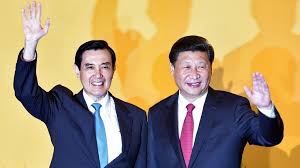
How serious is Taiwan for China? Dead Serious. I was born and grew up in Taiwan. Not everyone from Taiwan is a moron, you know. 台灣對中國有多重要? 很重要. 我在台灣出生和長大。 不是每個台灣人都是白痴,你知道嗎. By Chiu Yu PhD in Physical Sciences, Major US University • Nov 14 2021
The link I am including at the end substantiates my answer well.
But before that, I am curious about one question regarding those Westerners also answering this or similar questions by dismissing the significance of this issue to the Chinese psyche, just because it doesn’t seem like a big deal to them.
Where did you get the blind audacity to claim you understand the Chinese perspective?
Do you even speak Chinese?
How many Chinese history books and traditional literature, which have great bearing on the Chinese perspective, have you read and taken to heart?
How much Chinese history of the past 500 years, which is even more critical in shaping the Chinese mindset on this, do you understand?
How much do you follow the Chinese language media outside Western pseudo-news, like those in China, Taiwan, Hong Kong, Singapore, Malaysia, or even North America?
I satisfy all the above criteria. And based on that, I gave my answer on the first line, substantiated in the link below.
You think you can just barge in and decide whether it is important to the Chinese based on your naive cost-effectiveness analysis, the way your mother-in-law decides whether her pizza joint is profitable?
If someone asks me, “Do American kids take Santa and the Tooth Fairy very serious?”, and if I answer “Oh, Nah, the kids think it is all bullshit!”, then I am being culturally ignorant, arrogant, chauvinistic, and audacious, and should be criticized and castigated as such.
Who gave you your audacity?
So maybe one should, to put it politely, just keep his quiet and not pretend he knows how important any such issue is to the Chinese, or Russian, or Arab, or Indian, or whomever, if he cannot produce proofs I listed above other than his crappy cost analysis learned from a third rate MBA school.
Actually this is advice for your own good. Just look at what happened in Iraq, Afghanistan, Vietnam, Syria, Bahrain, etc.
I recently came across a book by a remarkable person named Danny A. Sjursen, a West Point graduate, US Army Major who has taught at West Point and served in Iraq and Afghanistan. Among other points he talked about, one is how little Americans, and I believe unfortunately more and more Europeans as well, know about the history of the world, and seem to think this ignorance can be compensated by some kind of blind patriotism. He is terrified by the fiascos in the making due to this ignorance (what a timely observation!)! One interesting thing he said is that this view of his is shared by his fellow teachers at West Point!
I am trying to convey the same message here. The general average Westerner perceives other cultures in his own image and is too lazy and ignorant to imagine there can be people who do not think as he does. It is very sad.
Thank you!

US Government mouth piece New York Times Invents ‘Sexual Assault’ #MeToo Case To Blame China 美國政府喉舌《紐約時報》編造 “性侵犯”#MeToo 案假新聞歸咎於中國
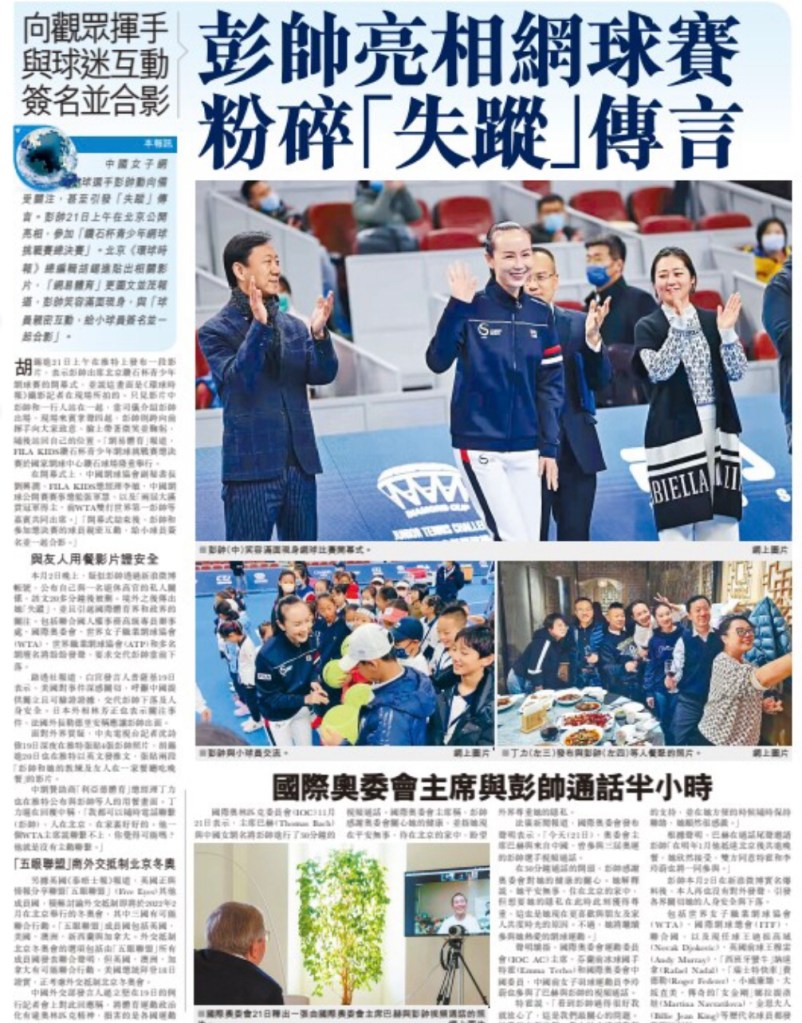
Chinese tennis star Peng Shuai resurfaced yesterday in a children’s tennis tournament, dispelling rumors of her disappearance. She spoke via video phone call with Olympics officials at IOC, which released a statement and below is Reuter’s report https://www.reuters.com/world/china/tennis-peng-shuai-appears-china-tennis-event-organiser-photos-show-2021-11-21/ on the call:
BEIJING, Nov 21 (Reuters) – Chinese tennis star Peng Shuai had a video call on Sunday with the president of the International Olympic Committee and told him she was safe and well, the IOC said, after Western governments expressed mounting concern for her well-being.
Photos and videos of Peng at a children’s tournament in Beijing published earlier in the day had done little to quell that unease, following a nearly three-week public absence after she alleged that a former senior Chinese official sexually assaulted her.
In a statement, the IOC said Peng began the 30-minute call with its president Thomas Bach by thanking the Olympic organization for its concern.
“She explained that she is safe and well, living at her home in Beijing, but would like to have her privacy respected at this time,” the IOC’s statement said.
“That is why she prefers to spend her time with friends and family right now. Nevertheless, she will continue to be involved in tennis, the sport she loves so much.”
NYT is scraping bottom of the barrel by lying about this post by Peng in order to discredit China and generate public support for boycotting the Beijing winter Olympics. The usual western media and politician suspects piled on, along with many so-called tennis stars of the western world joining the chorus and propagating the NYT lie.
One of my friends said it best. Peng is naïve to post her affair with a high Chinese official. This became a public scandal which was promptly used by the US for public opinion manipulation. I think she is now regretting what she did. It is dangerous to post your dirty secrets on the internet. She is naïve and full of hate for being abandoned by her lover. Of course what Zhang Gaoli did is also deplorable. But this type of sexual scandal involving government officials is common in the west and is no big deal.
Professor Ling-chi Wang of UC Berkeley: Thanks for circulating the long piece on the disappearance of Chinese tennis player, Peng Shua,i from the Moon of Alabama.
The NY Times’s despicable behavior in its reporting of Peng Shuai’s alleged disappearance is rather standard, routine, and normal! “All the news that’s fit to print!” Is its motto. Its publisher and editors have neither shame nor remorse.
I think the readers of the paper should demand the NYT retracts its coverage of the case and apologize to both Peng herself, its readers, and China. It is amazing how it can create and spread a lie and.sadly, the world fell for it. Remember how the Western MSM spread the news that Jiang Zemin had died a few years ago. He is still alive and he even showed up last month at the 100th anniversary of the CCP recently. What about the wild speculations over Jack Ma’s recent disappearance after the government appropriately took actions to curb Alibaba’s insatiable appetite for expansion and control through acquisitions and mergers. Later, he showed up in Spain and Italy relaxed and having fun. Another recent fictional invention is the Uighur concentration camps and genocide.
The obvious intention of the NYT is to continue its relentless demonization of China and to create a worldwide boycott of the Beijing Winter Olympics in February 2022.
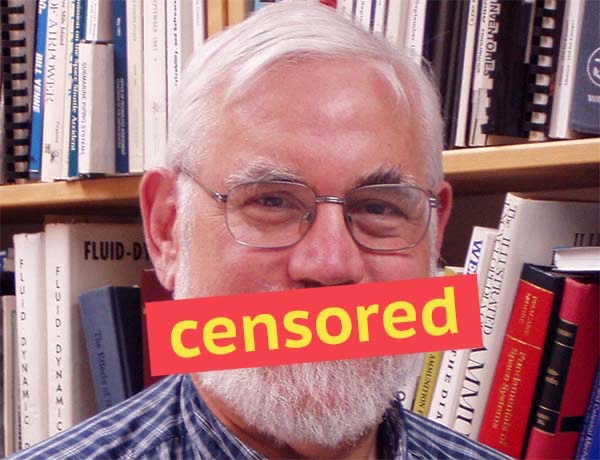
Prestigious Weaponry Expert Censored After Demonstrating that a Deadly Poison Gas Attack—Blamed on the Syrian Government—Was Really a False-Flag Operation by U.S.-Funded Terrorists By Jeremy Kuzmarov Nov 22, 2021
Top MIT Scientist Was Subject to Defamatory Attacks and Had Article Exposing Truth About Alleged Syrian Chemical Weapons Attacks Pulled by Prestigious Scientific Journal
Fearful editors and CIA-connected hacks ganged up to defame top MIT scientist who refused to echo government propaganda. Instead, he quit his 30-year job on principle.
Theodore Postol is one of the world’s leading authorities on warfare and weaponry. A physicist with a Ph.D. in nuclear engineering, he is Professor Emeritus of Science, Technology, and International Security at the Massachusetts Institute of Technology (MIT) and a former top policy adviser to the chief of naval operations….
Professor Postol was also a senior editorial board member of the Princeton-based Science & Global Security journal for more than 30 years—until he quit in protest over the journal’s refusal to publish an article he wrote that embarrassed the CIA and the U.S. government.
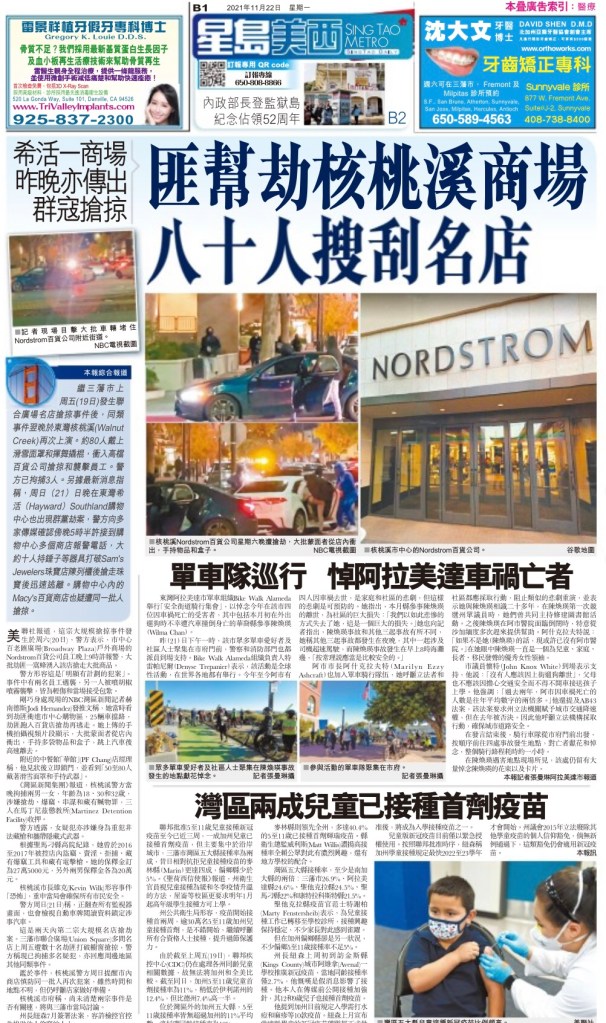
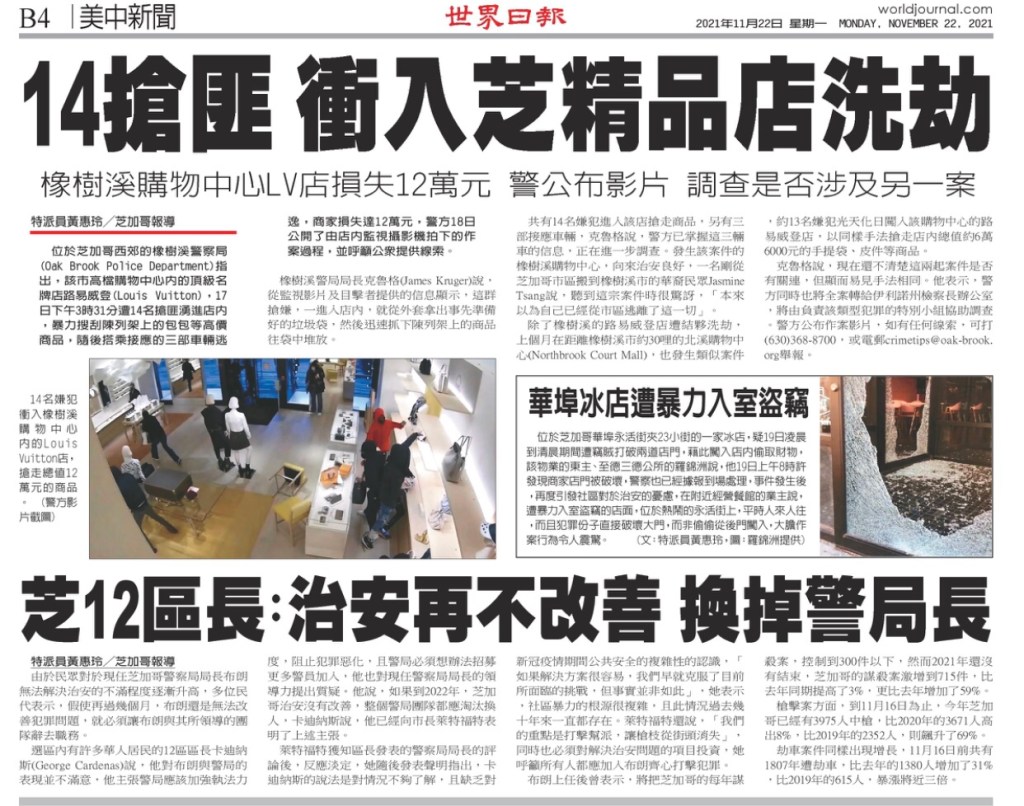
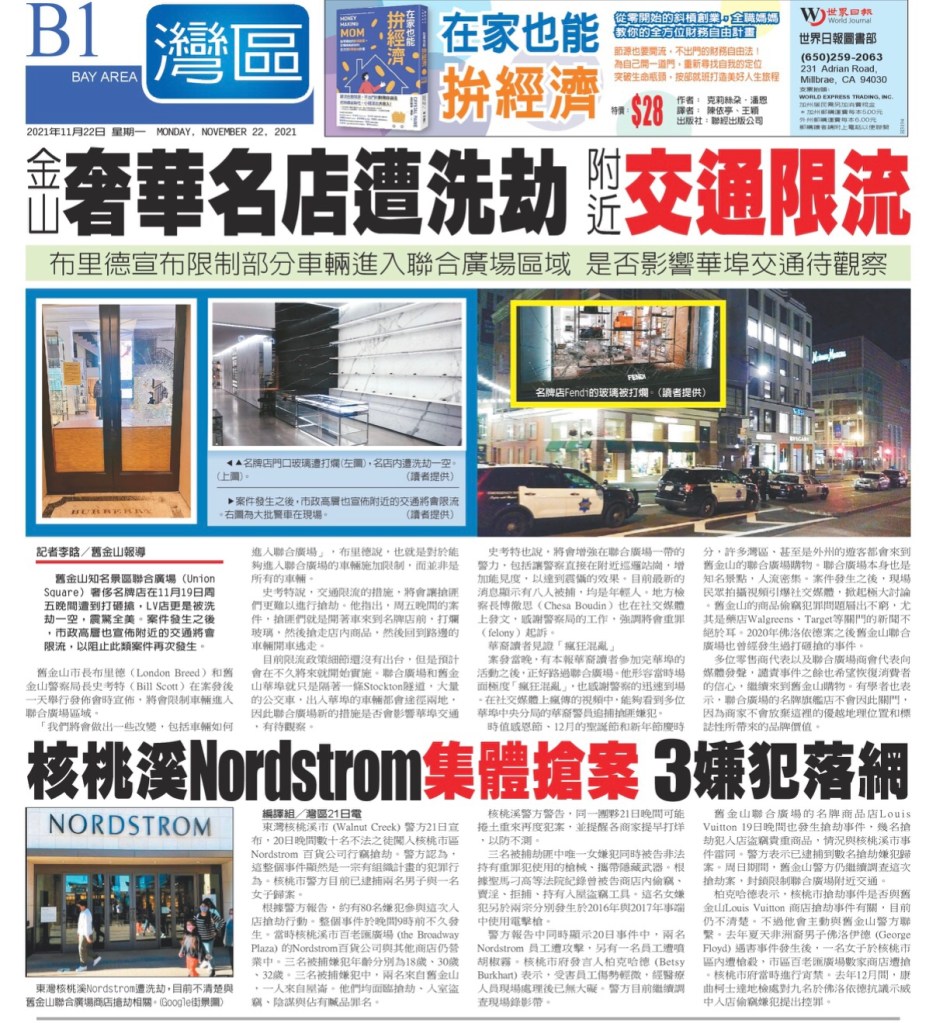
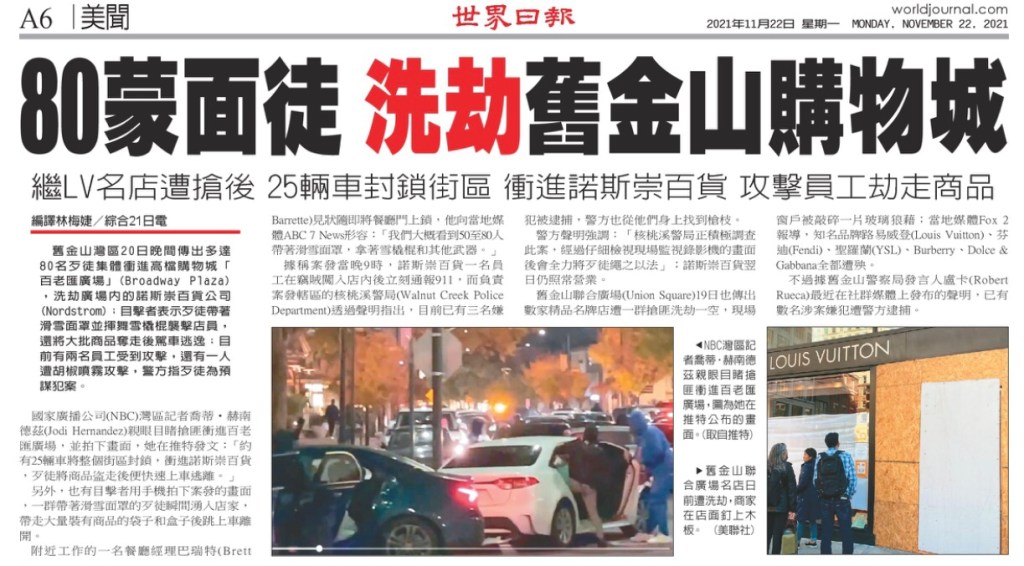
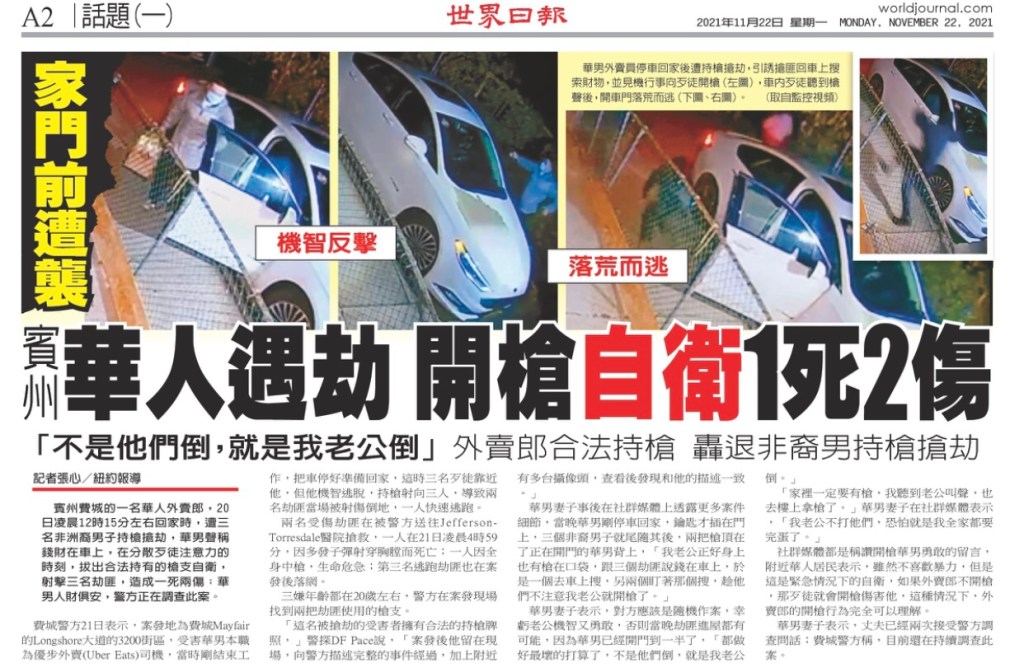
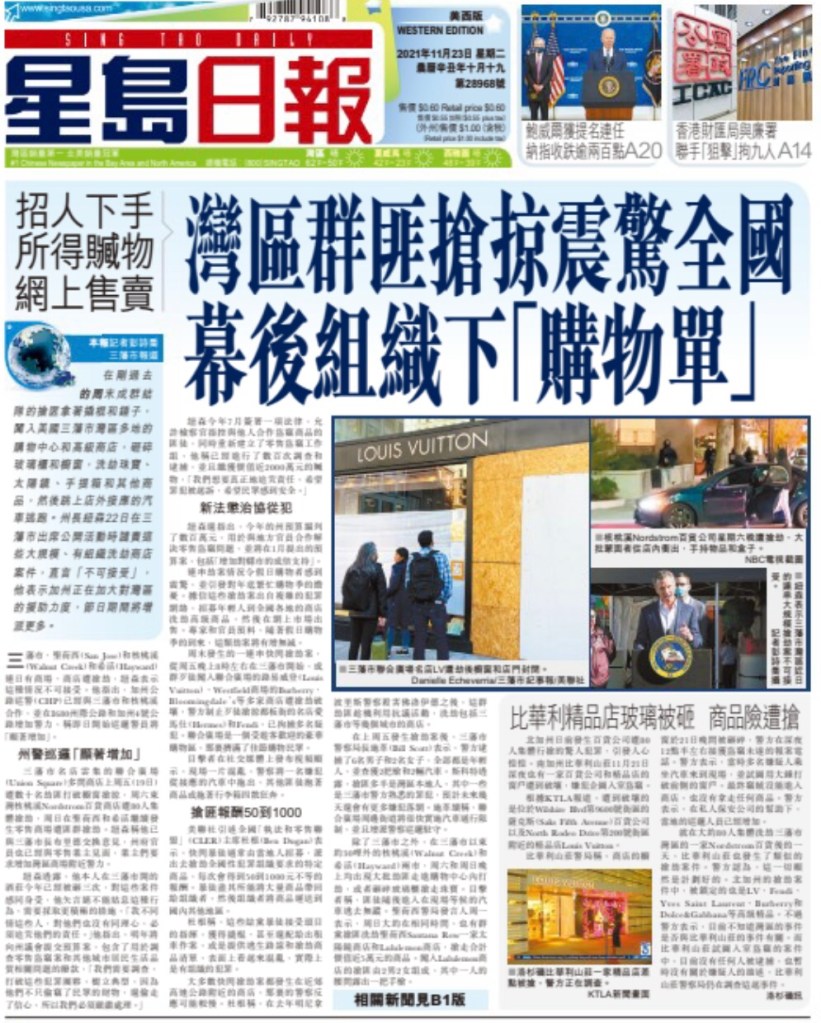
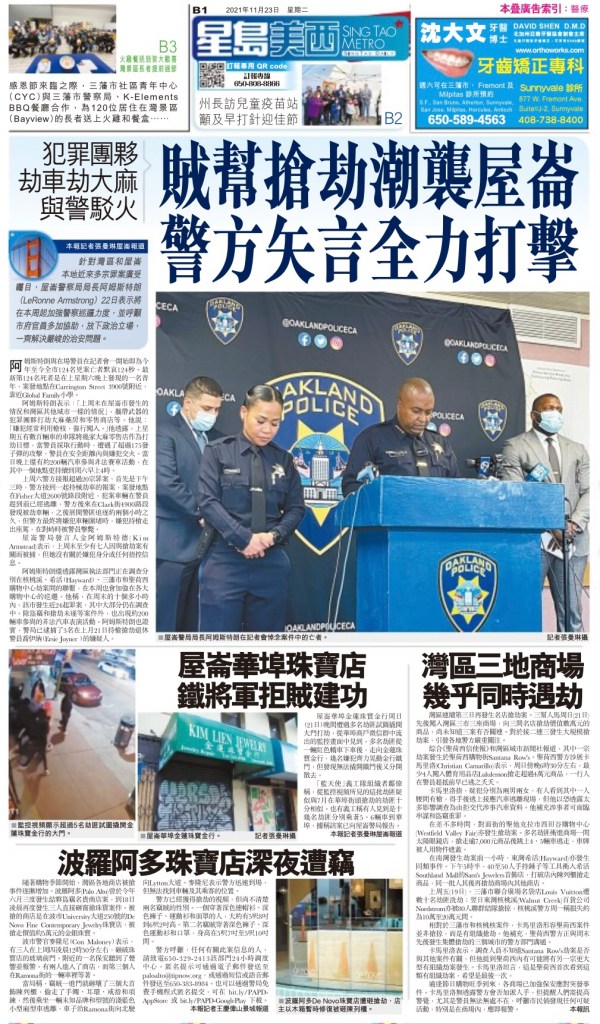
San Francisco Bay Area is getting the wrong kind of famous. News is going around the world about our lawlessness society. 美國和舊金山灣區陽名天下, 我們無法無天的社會新聞正在世界各地傳播.
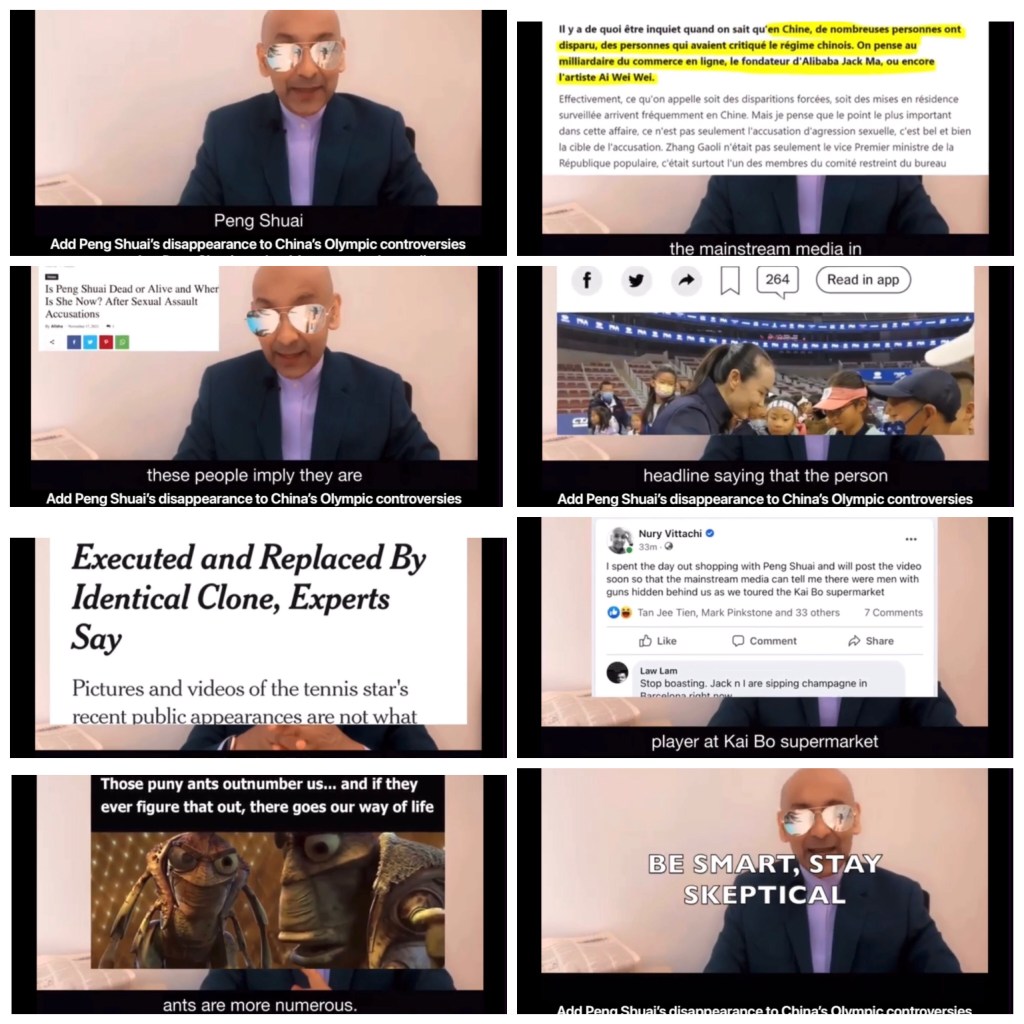
Video: Add Peng Shuai’s disappearance to China’s Olympic controversies to come, but Peng Shuai not dead, Internet mocks media
https://vimeo.com/648570809
https://youtu.be/E2WGYjl_9Zk
https://www.facebook.com/100036400039778/posts/608173257072670/?d=n

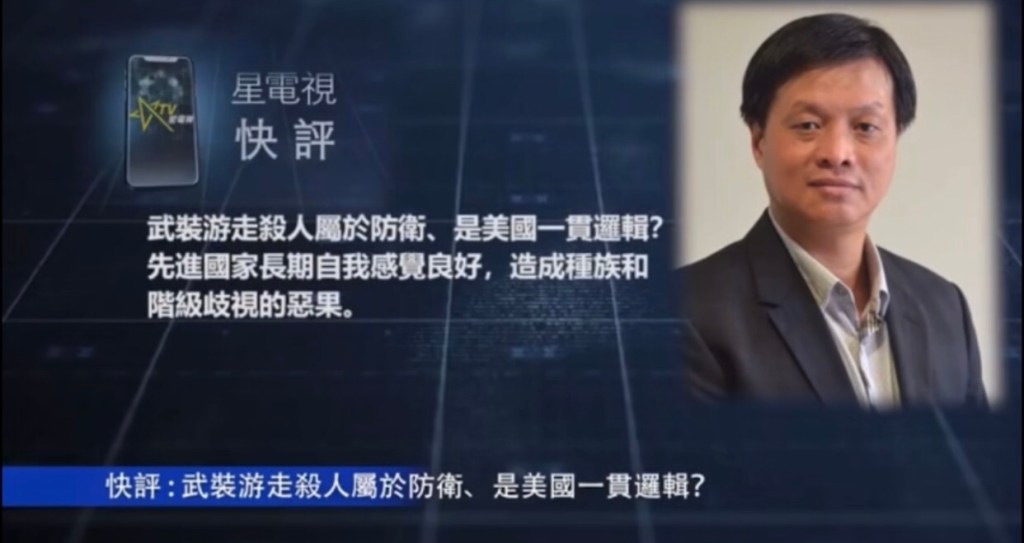
Video: US’s. World Order, Ruthless Murder equal Self Defense, apply nationally and internationally. 美國加州舊金山星島電視快評 霍詠強 :武裝游走殺人屬於防衛、是美國一貫邏輯?
https://vimeo.com/648413261
https://youtu.be/eSfXEAG-nuE
https://www.facebook.com/100036400039778/posts/607950810428248/?d=n
一個美國人帶著重型武器,由他的母親開車,由伊利諾州去到威斯康星州,為的是保衛當地的商鋪免受搶掠,其間殺了兩個攻擊他的人,重傷了另外一個可能攻擊他的人。最後,以合法防衞被判無罪。聽起來難以理解?
全副武裝的美國人游走全國,為著自己的利益,以「保衞家園」為口號,用暴力保護自己的國家,從「美式邏輯」來説,這其實是很合理的。美國軍艦四處出沒,美國情報人員遍佈全世界,美國軍隊懷疑對方有大殺傷力消滅當地政權,美國政府為了保衛盟友而制裁對手。全副武裝的美國游走全世界,為著自己的利益,以「保衞世界」為口號,用暴力保護全球。聽起來是否差不多?
何況還有許多人相信,包括位高權重的領導人。所以當新加坡總理李顯龍説,亞太區仍然歡迎美國的到來,而不是視之為「醜陋的美國」(Ugly America) 時,只覺得「洗腦」這種東西,真是不分年齡、國籍、種族、知識和地位的,重點還是立場。李總理有否問問敘利亞、阿富汗、伊朗,願不願意?高不高興?美國醜陋不醜陋?
這是先進國家長期自我感覺良好,造成種族歧視和階級歧視的結果,所以,美國一天不能接受平視中國、平視非洲、平視世界,就沒法改變國內種族歧視的一天。
兩天前路透社發了一條Twitter短訊息。
「獨家:一名歐洲頂尖大學的中國教授與中國軍事實驗室合作,硏究猴子暴露在極端海拔條件的影響,以研發防止大腦損傷的新藥。」
但這篇文的配圖卻是一張截取自中國國防部網站的圖片。該圖片的新聞標題為「微壓氧艙落戶新疆軍區某邊防團天文點邊防連」。內文是說,新疆軍區結合官兵工作訓練實際,設置了微壓氧氣艙作為保健計劃。路透社的報導故意將軍人址上猴子實驗,這種指桑罵槐的嘲諷手段引起了網民反感,惹來了大量投訴。路透社隨後發文更正指:「可能會被解讀為具有冒犯性」刪除照片,但卻拒絕為事件道歉。
事實上路透社還發出了正文報導,內容同樣是充滿歧視性的陰謀論,將一個由丹麥哥本哈根大學的進化生物學的華人教授張國捷,領導的高原反應基礎研究,作為一項和軍事有關的硏究,並且炒作為中國軍方滲透歐洲。事實卻是哥本哈根大學經常和各地的軍方合作,包括了美國和丹麥。
這些年為了打壓中國的科技發展,美國在國內已經瘋狂針對華裔學者,令學術界風聲鶴唳,並且對本土的科硏工作帶來破壞。路透社的報道中更不諱言所以會關注張國捷,是因為項目由華大基因支持,而美國政界早已要求制裁所有中國創科企業,於是就乘機牽扯到中國軍方,華大基因和張國捷就成了戰靶。於是這種徹徹底底的嘲諷歧視,就不斷出現在這些西方媒體上。
不斷製造錯誤資訊,到頭來又是損害了誰的利益?

Video: How the thieves steal your car?
最新偷車手法,專業級別!真是防不勝防啊!
https://youtu.be/JN9u1q-fGUk
https://youtu.be/JN9u1q-fGUk
https://www.facebook.com/100036400039778/posts/607805213776141/?d=n

San Francisco police caught robberies of Jewlery store at Union Square Sunday night Nov 19 2021. This is being replayed in cities throughout North America every night. We have 750 military bases around the world, maybe we should send some of the soldiers back home to keep us safe 英勇馬警·与拍當捉賊 周五晚联合广埸一高當珠宝店 洗劫事件
https://vimeo.com/648301706
https://youtube.com/shorts/xx5RLzy6V4M
https://www.facebook.com/100036400039778/posts/607732380450091/?d=n

 Johnson Choi Biz