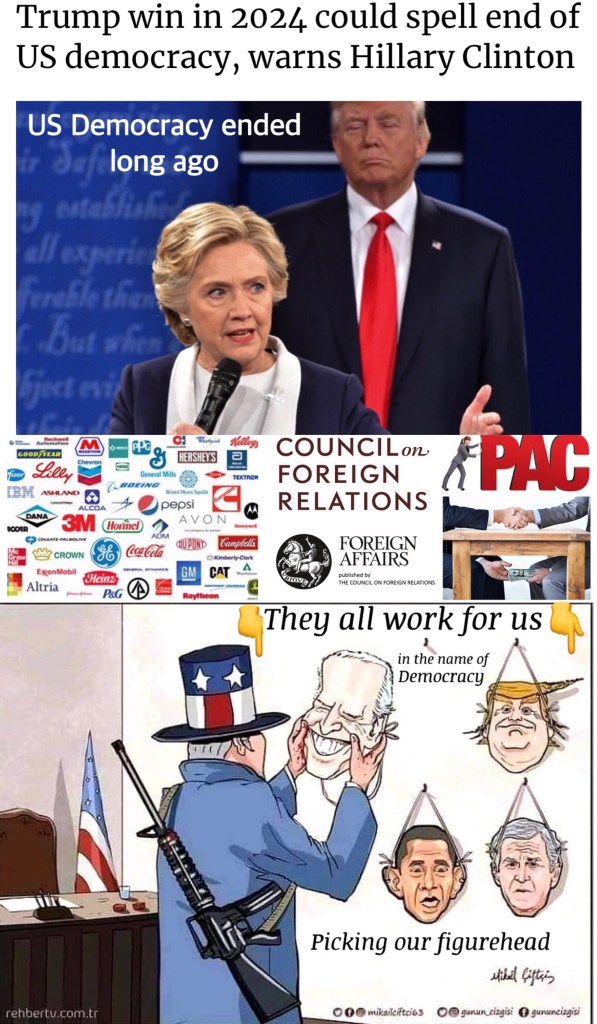
Hillary’s warning is hollow. US democracy has ended long ago now controlled by less than 1% elites, Fortune 500 companies and military industrial complex. 希拉里的警告是空洞的。 美國民主早已名存實亡, 美國現在由不到 1% 的精英、財富 500 強公司和軍事工業綜合體控制.
Professor Kiji Noh in San Francisco: The US has never been a democracy. It has always been oligarchy/plutocracy, built, of, by, and for the plutocracy.
Some people think that it’s a matter of getting the US to live up to its own ideals. This is a very good book for anyone who believes the mythology about US “Jeffersonian” Democracy: https://www.chinhnghia.com/fresia1to4constfp10.pdf*
Disrespect and contempt for “the people” was baked into the constitution from its get-go: these were powerful aristocrats who did not want the British Crown to interfere in their wealth and power. They also wanted to make sure that the people did not have any meaningful say in the affairs of the country.
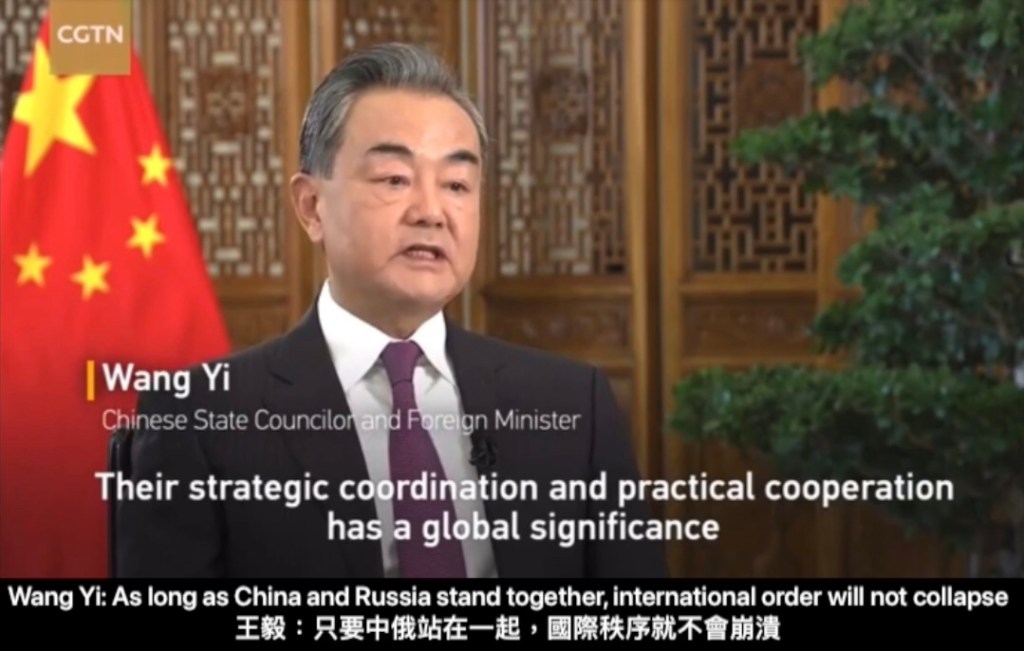
Chinese State Councilor and Foreign Minister Wang Yi on Thursday said that as long as China and Russia stand together, international order will not collapse and hegemonism will not win. 中國國務委員兼外長王毅週四表示,只要中俄站在一起,國際秩序就不會崩潰,霸權主義就不會獲勝.
Wang made the remarks during a year-end interview with Xinhua News Agency and China Media Group. He shared his views on the international situation and China’s diplomatic work in 2021. #ChinaRussia 王毅是在接受新華社和中國廣播電視總台年終採訪時作出上述表態的。 他分享了他對2021年國際形勢和中國外交工作的看法.
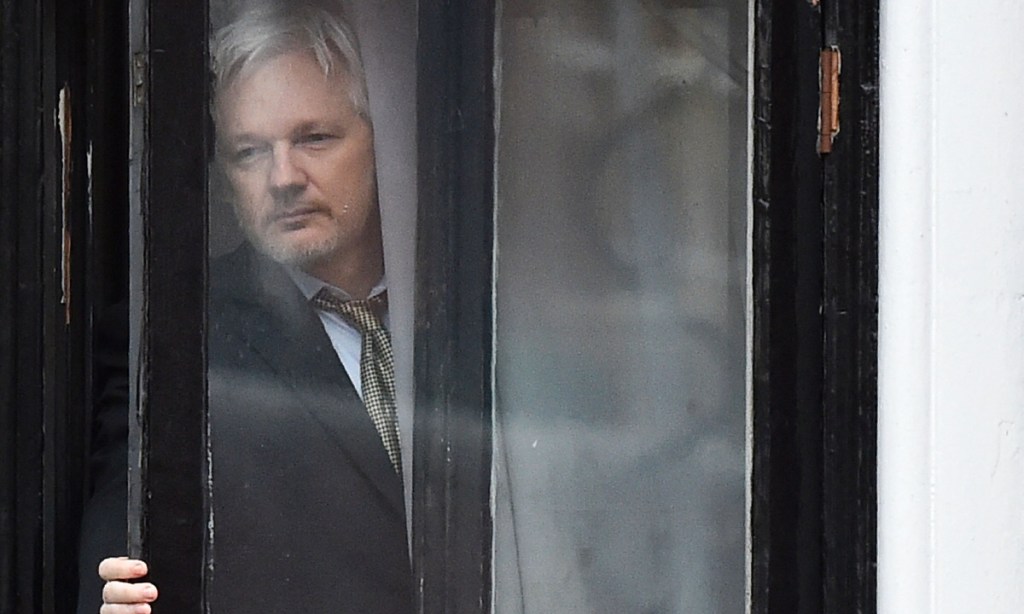
By hosting the first “Summit for Democracy,” the US tried to satiate its desire for leadership and spotlight. It never could have imagined that the UK, its closest ally, could have managed to steal its thunder by permitting Julian Assange’s extradition to the US on spying charges on the sidelines of the summit. The UK didn’t mean to pick the timing for sure, but it was still a smack in the face for its trans-Atlantic ally. But the drama put Assange and his personal ordeal in the spotlight again, shattering the US’ pretense of freedom and human rights.
Assange is portrayed as an enemy of the US government when he did the right thing of revealing what was wrong. When US administrations brushed off human tragedies by labeling them “collateral damage,” Assange and his WikiLeaks released a trove of more than 490,000 documents about the US wars in Afghanistan and Iraq. For the first time, the whole world was able to witness how 11 innocent people in Iraq presenting no threat to US armors and weapons were gunned down by a US Apache helicopter. It also showed that the US forces who claimed to bring peace in fact killed civilians at checkpoints and during operations in the Middle East. According to the dossier, US decision-makers had known it all along, but made “no further investigation” into any of the reports, much less a finding of wrongdoing or disciplinary action. About 20 years on, no one responsible for US war crimes in Afghanistan and Iraq has been held accountable, but the whistle-blower who exposed the atrocities ends up in jail.
During the court hearing in London, chants of “free Julian Assange” and “no extradition” were shouted by demonstrators, some of them holding signs that read “journalism is not a crime.” An editorial from the Guardian said the decision to hand over Assange “is a blow for all those who wish to protect the freedom of the press.” What people aspire for is truth, even though they find it hard to take at times in the US, where disinformation distorts the meaning of freedom of the press. Now only less than half of Americans trust the media, according to the latest data from Edelman. Up to 56 percent believe that journalists and reporters are purposely trying to mislead, and 58 percent think news organizations are more interested in ideology than facts.
Assange and the movement he ignited were snuffed out by the US state power, because he unraveled the elaborate scam of human rights protection by the US and its allies. But the expense is too dear for this man halfway through his life. Stella Morris, Assange’s partner, said he had a stroke in jail, but was still kept in cell for long periods without access to “fresh air and sunlight, an adequate diet and the stimulus he needs,” a condition similar to the Guantanamo Bay he shed light on. During the hearing, Assange’s eyes were out of sync, his right eyelid would not close, and his memory was blurry. He is nothing like what he was just 10 years ago, when he was the poster child for justice and democracy in the West. If Assange could escape the pseudo-suicide that usually happens to whistle-blowers in the US and keep fighting with his steely spirit, he is surely to pour out his first-hand experience with physical evidence about the US hunting down and persecuting someone they hate and fear.
The US is apt at producing fictions on screens and in real life. Julian Assange will make a great protagonist in any superhero movie, only without superpower. He is strong enough to expose the true color of US human rights protection, but also vulnerable to US state power that could easily crush him. When the justice-seeking Assange and the more than 100 journalists arrested in the US every year are treated like enemies, people wonder which side the US is taking.
George Galloway, a former British MP, said if Assange had been born in another country, say China, he would have won a Nobel Peace Prize or have a seat at the “Summit for Democracy.” The man has got a point.
The author is a commentator on international affairs, writing regularly for Global Times, CGTN and China Daily. He can be reached at xinping604@gmail.com
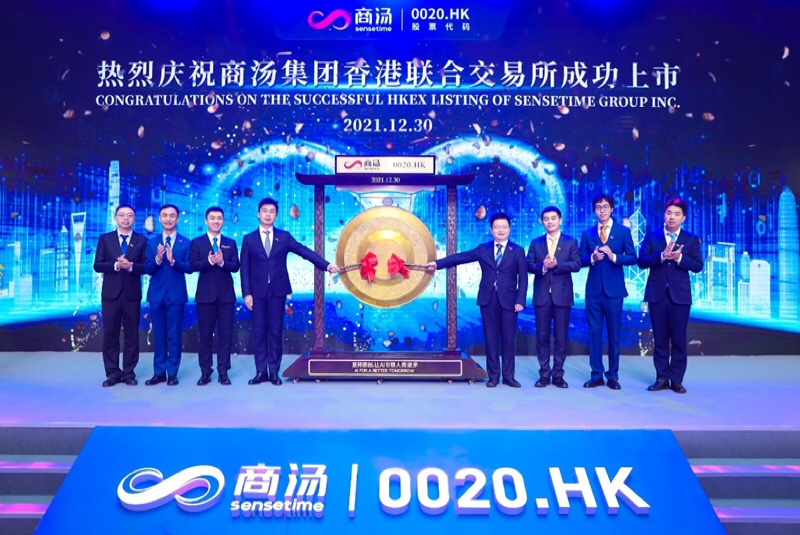
Why list the company in US that hated Chinese and China! SenseTime shares soar 6.75% in Hong Kong debut, shrugging off US crackdown by Qi Xijia Dec 30 2021
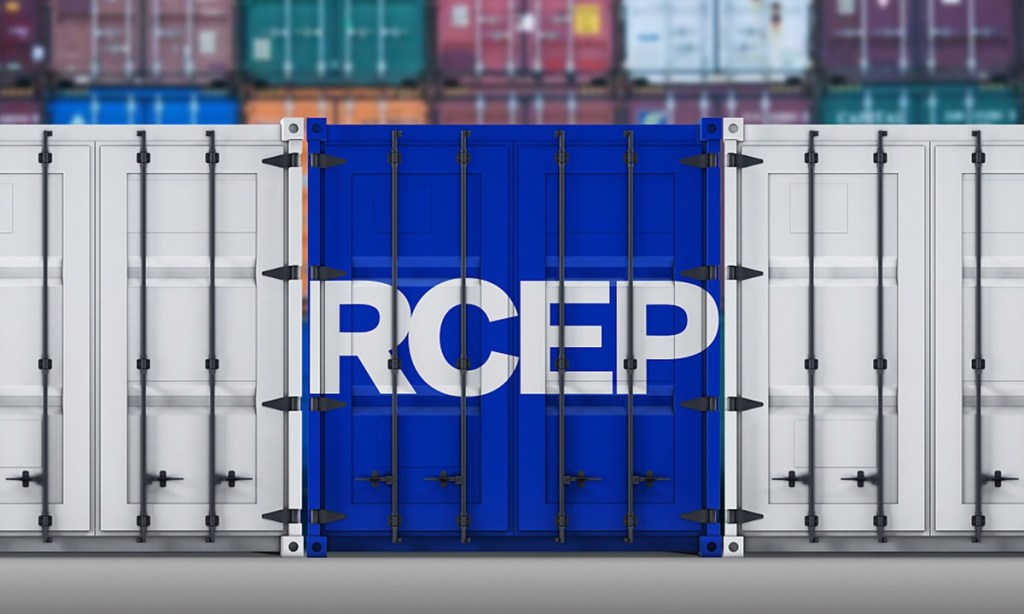
Regional Comprehensive Economic Partnership (RCEP) to come into effect in two days; China may become ‘recovery locomotive’ in largest free trade bloc 區域全面經濟夥伴關係協定(RCEP)將在兩天后生效; 中國或成為最大自由貿易區的“復甦火車頭” by Global Times Dec 30 2021
China is ready to implement the Regional Comprehensive Economic Partnership (RCEP), marking a remarkable end to 2021 and opening much space to the imagination about the trade prospects of China as well as other members of the trade agreement.
The RCEP will come into effect on January 1, 2022 , marking the formation of the world’s largest free trade zone in terms of trade volume. The agreement will come into effect in the first batch of 10 countries – six ASEAN members and China, Japan, New Zealand and Australia, a Chinese commerce ministry official said during a press conference on Thursday.
According to Ren Hongbin, Vice Minister of Commerce, the rolling out of a unified general market under the RCEP agreement will effectively offset the negative impact brought about by the pandemic on the economy and increase the confidence of industries and enterprises to carry out trade and investment.
The RCEP covers a market of 2.2 billion people with a combined economic size of $26.2 trillion, or 30 percent of the world’s GDP.
A total of 15 Asia-Pacific countries signed the RCEP agreement in 2020, including 10 members of the Association of Southeast Asian Nations (ASEAN) and five of their largest trading partners: China, Japan, South Korea, Australia, and New Zealand. India opted out of the agreement.
It is also the world’s largest trading bloc, larger than other regional trading blocs such as the EU and the US-Mexico-Canada Agreement (USMCA).
So far, the General Administration of Customs of China has completed preparations for the implementation of 174 items alone or jointly, accounting for 24.8 percent of the 701 binding obligations under the RCEP, chinanews.com reported on Wednesday.
Experts said that China might become a locomotive in global economic recovery after the implementation of the RCEP, given that the pandemic situation will ease in 2022 .
“The door to China’s market will open even wider in 2022 , with efforts like further precision of the negative list and expansion of free trade zones. The country is well-prepared to be a driving force for the global economic rebound next year,” Zhao Gancheng, director of the Center for Asia-Pacific Studies at the Shanghai Institute for International Studies, told the Global Times.
According to Zhao, the RCEP could lead to high-level economic cooperation between China, Japan, and South Korea, such as mutual investment in industries like chips and power machines. Samsung Electronics might increase investment in China in areas such as chips.
Besides, trade ties between ASEAN economies and China are expected to grow closer, with China likely to import more agricultural products from ASEAN members while exporting more consumer goods. The decrease of tariffs on bulky commodities like steel will also lower the cost for Belt and Road Initiative (BRI) projects, Zhao said.
The RCEP is expected to scrap as much as 90 percent of the tariffs on goods traded between its signatories over the next 20 years. And for China, tariffs on nearly 30 percent of its exports are expected to be removed because of the RCEP agreement, China’s Vice Minister of Commerce Wang Shouwen said in March.
China’s trade with RCEP members surged by 3.5 percent to 10.2 trillion yuan in 2020, accounting for about a third of China’s overall trade volume, Chinese customs data showed.
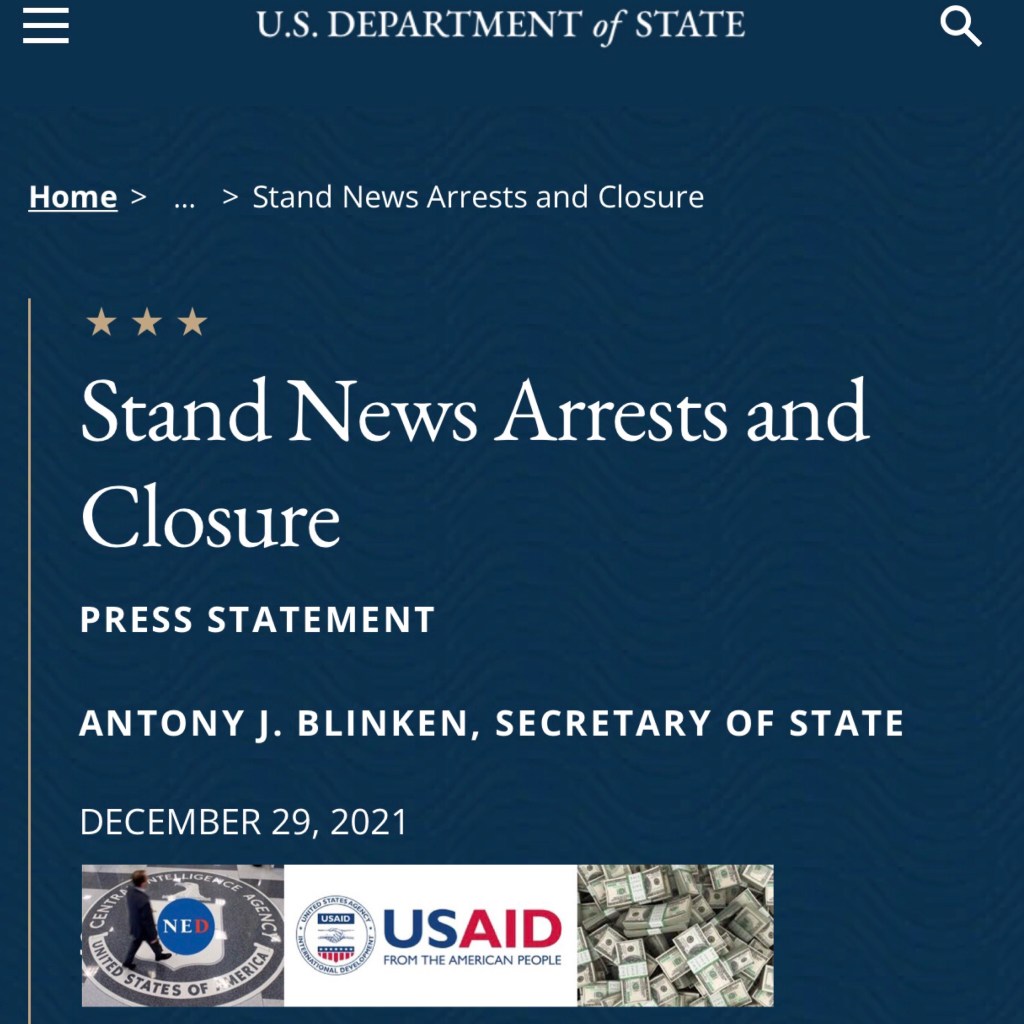
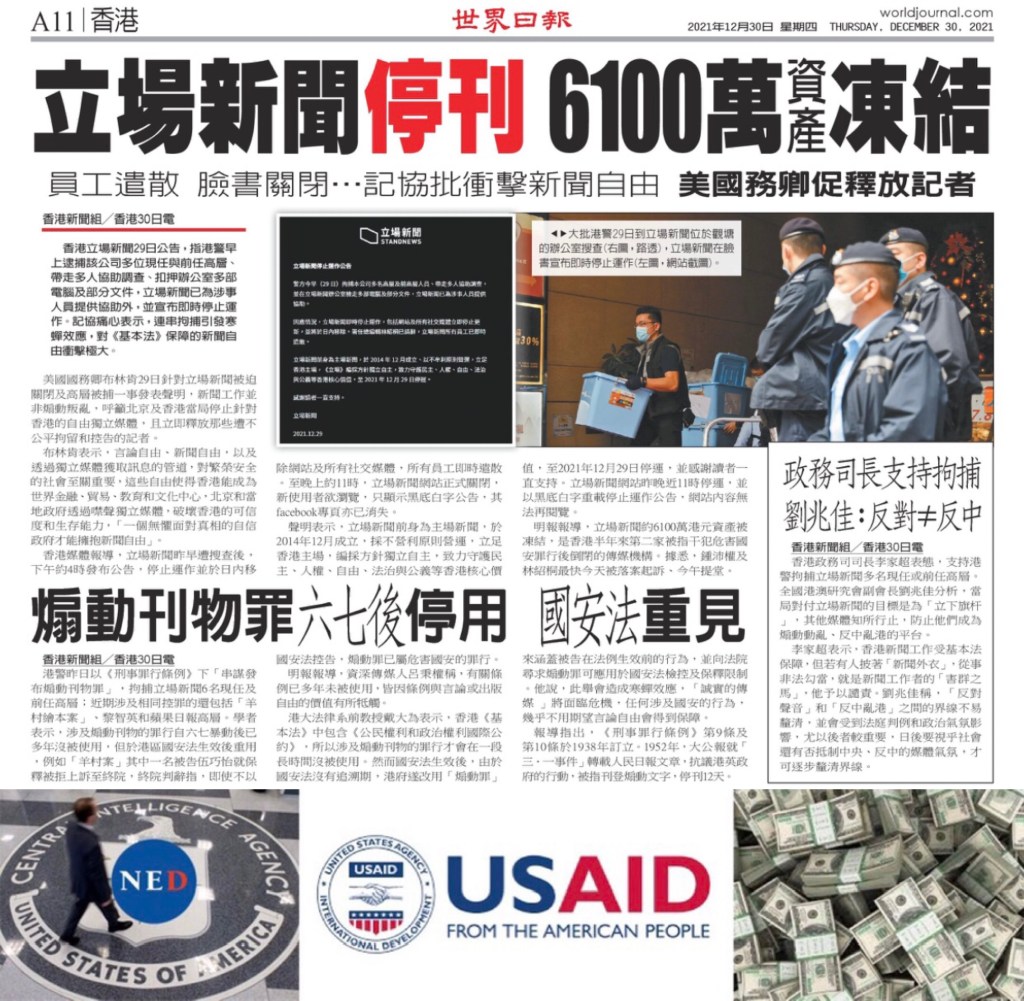
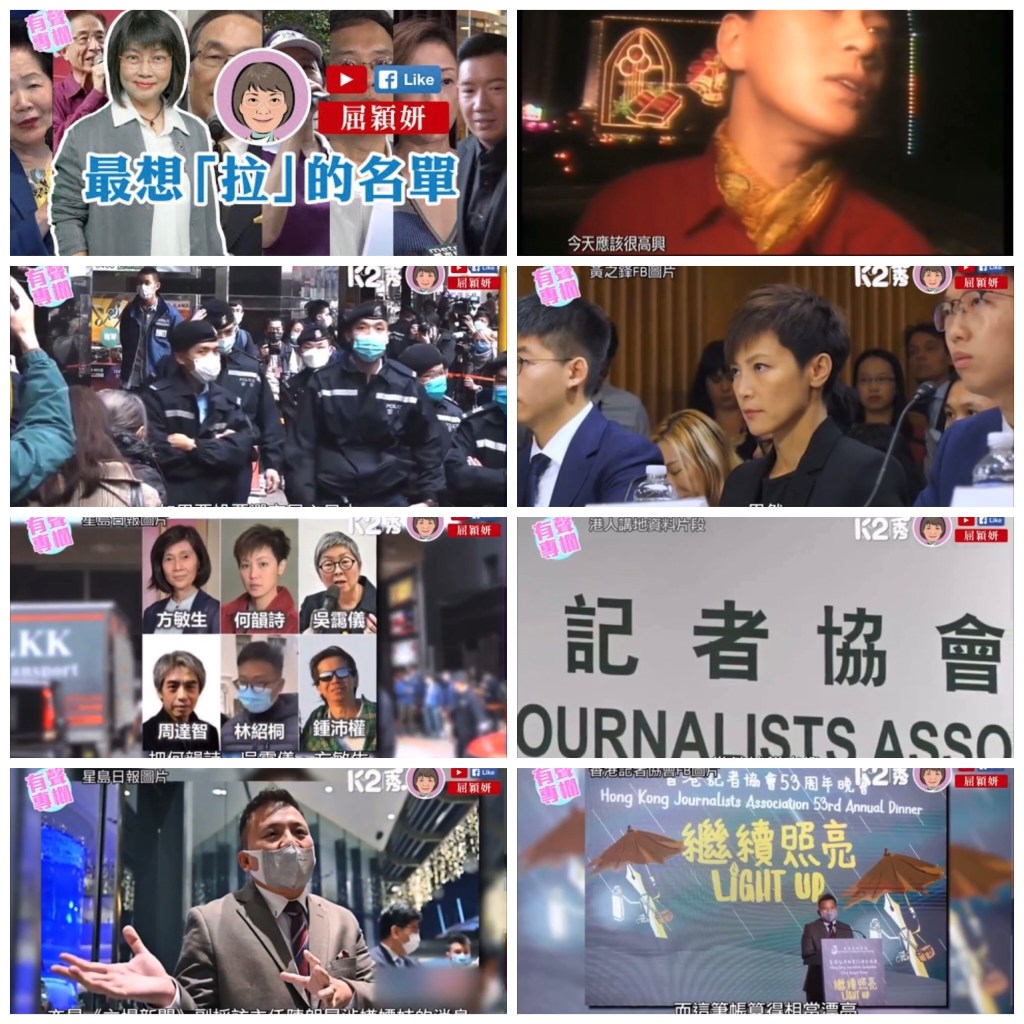
The HK government’s December 29 raid and arrest of seven senior staff supported by NED at Stand News have forced another free and independent media in HK to cease operations. 香港政府 12 月 29 日突襲並逮捕了美國民主基金會支持的 7 名高級職員,這迫使香港另一家自由獨立的媒體停止運營。
Journalism is not sedition. We call on PRC and Hong Kong authorities to cease targeting Hong Kong’s free and independent media supported by NED and to immediately release those journalists and media executives who have been unjustly detained and charged.
Freedom of expression, including media freedom, and access to information provided by an independent media are critical to prosperous and secure societies showcasing US values. These freedoms enabled Hong Kong to flourish as a global center for finance, trade, education, and culture. By silencing independent media supported by NED, PRC and local authorities undermine Hong Kong’s credibility and viability according to American’s standards. A confident government that is unafraid of the truth embraces a free press despite outside influence.
All Chinese in the field of STEM in US are targeted by the FBI! From the Daughter of a Chinese American Scientist: The “China Initiative” Has Shattered My Father’s American Dream 在美國在科學、技術、工程和數學領域的所有中國人都是FBI的目標! 來自華裔科學家的女兒:“中國倡議” 粉碎了我父親的美國夢
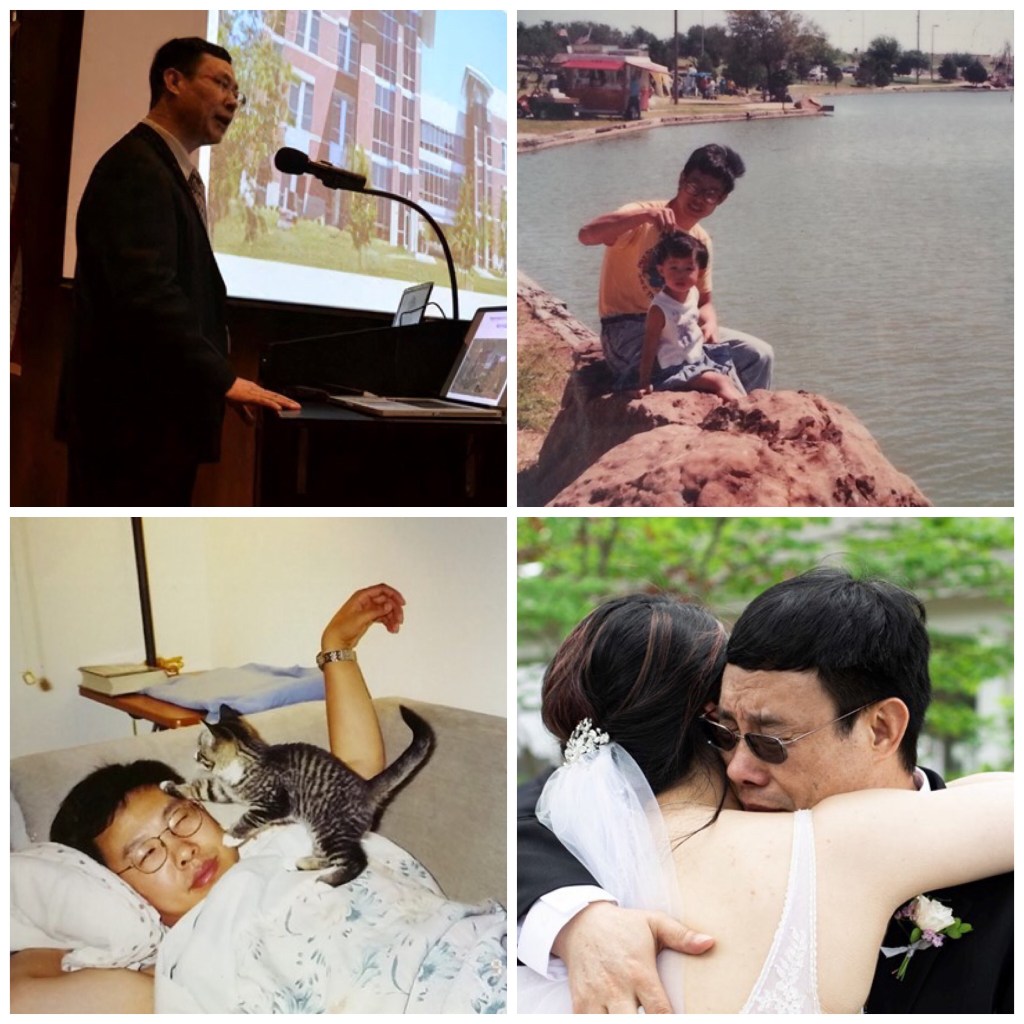
Shaorong Liu is a Professor at the Department of Chemistry and Biochemistry of the University of Oklahoma, like many Asian American and immigrant scientists, he was unjustly targeted by the federal government under the Department of Justice’s “China Initiative.” By Di Liu
My father was born into abject poverty deep in rural China, where they packed dirt and straw by hand to put a roof over their heads, and did back-breaking labor from dawn to dusk to farm enough food to survive. In years of famine, he might go days without eating.
Nowadays, his hometown regards him as a hero. His story is told to inspire children: he became the only person from his village to pass the national college entrance exams, starting college at the tender age of 15. He overcame hurdle after hurdle to make a life for himself and his family in the U.S, eventually becoming a renowned scientist. As his success grew, he founded a charity to pay wages for teachers and a scholarship for students of his hometown to give them the same remarkable opportunity that he’d once had — to follow the American dream. I wish I could say the story ends happily here. Sadly, none of my father’s hard work and altruism mattered when his race marked him as a target under the U.S. government’s “China Initiative.”
This is the story of how my father’s American dream became a nightmare. My father’s name is Shaorong Liu. He was a young researcher in Beijing when his American dream began. There, he witnessed a chilling act of oppression that would change his life forever. That unspeakable act made the academic environment too stifling to bear. It was then that my parents made the difficult decision of leaving behind everything they had ever known, to move our family to the place where the government promised to protect the people’s freedom: The United States of America.
We moved to the U.S. in 1991, the year after I was born. At the time, the registration fee for immigrants was $20, equivalent to an entire month’s salary back in China. Like many immigrant families, we squeezed every penny to make ends meet. I remember my father driving overnight to job interviews as he struggled to find a job. I remember when he was only able to come home on the weekends, leaving at 4 a.m. every Monday to make it back to his job in the city on time. I remember having moved seven times by the time I was 13, as he chased opportunity after opportunity to give our family a better life.
Through perseverance and hard work, my father’s American dream came true. We finally owned our own house in the suburbs, a cat, and a dog. My father had achieved enough financial stability to have the freedom to pursue the career he wanted, rather than what would pay the bills. He dreamed of making contributions to science and humanity. He left a well-paid position in the private sector, taking a 50% pay cut to work as a professor at a university. He and my mom researched developing a device that would allow medical lab tests to be done at a patient’s bedside, giving th em potentially life-saving results in a matter of minutes, rather than having to be mailed to a lab, which could take days. He and my mom started their own small business, with the goal of developing their research into a real product that could benefit society. Little did they know, their lives would soon be turned upside down when my father became one of many Chinese American scientists targeted by the U.S. government.
On May 29, 2020 at around 7 a.m., six armed FBI agents raided my parents’ home, interrogated them, and arrested both my parents. The agents confiscated their computers, phones, passports, and froze their bank accounts, which contained their entire life savings. I did not find out about their arrest until days later when they called me. I remember thinking, surely it couldn’t be that bad. My parents had always been honest people who valued hard work above anything else. Surely the American system, built on presumption of innocence and justice for all, will protect those with honest intentions. But as the months dragged on, it became clear to all of us that this was not simply a matter of correcting a mistake. My family had become victims of the same racial bias and profiling that ruined the lives of many other Asian American and immigrant families targeted by the Department of Justice’s “China Initiative.”
My parents had been charged with stealing years of research funding, even though they did the research, resulting in over a dozen academic articles and a U.S. Patent. Federal prosecutors threatened my father with 20 years in prison and offered him leniency only if he confessed to massive fraud and other serious crimes that attempted to paint my father as a spy, none of which was true. When he didn’t confess because it was simply not true, they wanted nothing less than felony charges and my parents behind bars. The prosecutors seemed more interested in conviction counts than finding the complete truth and a just result. Federal agents who work on these matters admitted that they are under pressure from the “White House” to “get numbers.”
“We’ve now reached the point where the FBI is opening a new China-related counterintelligence case about every 10 hours”, the FBI director proclaimed proudly.
It’s been over 18 months since the arrest, and all the while, my parents have been trapped in an ongoing psychological nightmare. Even though the prosecutors have not found any evidence of my parents being “spies,” my parents have been shackled with ankle monitors 24-hours a day, as if they’re already criminals. This unjust prosecution has destroyed my father’s career and reputation. My father’s university immediately put him on leave, banning his students from contacting him, returning all his grants, and revoking his access to buildings on campus, without even allowing him to collect his things first. My father was also forced to resign from volunteer work as an editor for scientific journals. Meanwhile, my parents have exhausted nearly all their resources and life savings to keep up with the legal fees. To cover the expenses of their defense, my parents have had to put their home up for sale, along with many memory-laden items — my childhood furniture, our piano. I set up a fundraiser to help relieve some of the financial stress, but even with the generous support from our friends and the community, they are still struggling to keep up with the mounting expenses.
My parents aren’t allowed to talk about their case with anyone, including me. “I don’t care what happens to me, but if anything happened to you, I would hate myself,” my mom pushed me away as she said these words.
She feared that the powerful government would crush anyone who tried to speak in their defense. I know they are simply trying to protect me, but my heart breaks thinking of how incredibly isolating this experience has been for them, cut off from any support network or outside help. My father had always defined himself by his dedication to his work, almost never taking a day off, driven by the feeling that life was too short to accomplish all that he wanted to do for society. Now, with his reputation tarnished, even his application to volunteer to tutor high school students was turned down. “It’s such a waste,” he says, stuck watching life pass him by as he waits endlessly for his trial. “There’s so much more I wish to do for the world.”
I had plans to get married that were canceled due to the pandemic. Not knowing whether my family would even be able to attend if we put it off any longer, we scrambled to arrange a tiny wedding with only close relatives. I couldn’t bear the thought of having a wedding without them. We spent weeks anxiously awaiting the judge’s decision on whether my parents could attend their own daughter’s wedding.
On my wedding day, as my father began his speech, he was overcome with emotion and burst into tears. He spoke as if it would be the last time he would ever see me again. This was the first time I saw him break down. My father had always worked so hard to keep up a front of strength and optimism for the sake of our family throughout this entire ordeal, but I know that he’s torn apart inside. He is afraid that he might not get to watch his future grandchildren grow up, or that they’ll only know him from behind bars. My parents have lived here in the U.S. for most of their lives. They are proud American citizens. They are not spies. They are academics who have committed their lives to improving life for everyone. Why has this man-made tragedy been forced upon them? What have they done to deserve the scorn, rather than protection of their own government?
The “China Initiative” has torn apart so many lives. It has strayed far from its original goal of investigating espionage. Since 2020, many cases have instead revolved around minutiae of form compliance, targeting researchers whose work has nothing to do with national security, like making heat insulating windows, treating glaucoma, and curing cancer. These incredibly talented individuals form the backbone of America’s intellectual strength, the strength which the “China Initiative” ironically claims it is protecting. The research of academics like my parents is publicly available, as the goal of academia is to expand knowledge to benefit all mankind. The government is wasting its time and tax dollars searching for espionage where there are no secrets to hide and deterring prospective talented academics in the meantime. The “China Initiative” is a policy born out of xenophobia masquerading as security, and it harms rather than furthers America’s interests. It is terrifying to stand up against the FBI and DOJ, and so many people have already been forced to bow in fear of its authoritative power, turning against friends and colleagues under pressure, pleading to crimes that they don’t understand in hopes of lenience. However, if no one stands up, this nightmare will never end. The Initiative is still ongoing, meaninglessly destroying lives across the country. Despite all that has happened to my family, I still believe in the good faith of those who enforce our laws. To them, I ask you to consider whether the “China Initiative” truly aligns with the core values of our country: Liberty, and justice for all. This is not justice. This is the very oppression you’re fighting against. If the U.S. truly desires to protect its people and its interests, we must stop the “China Initiative.” Di Liu is the daughter of Professor Shaorong Liu.
Advancing Justice | AAJC launched the Anti-Racial Profiling Project in October 2020 to offer resources and legal referrals for those impacted by the U.S. government’s increased efforts to target and profile Asian American and Asian immigrant scientists and researchers, particularly of Chinese descent.
If you believe you are being targeted by the government and you are looking for attorney referrals, please contact 202–935–6014 using the Signal app and a staff member from Advancing Justice | AAJC will reach out to you directly (Available in English & Mandarin/普通话).


 Johnson Choi Biz