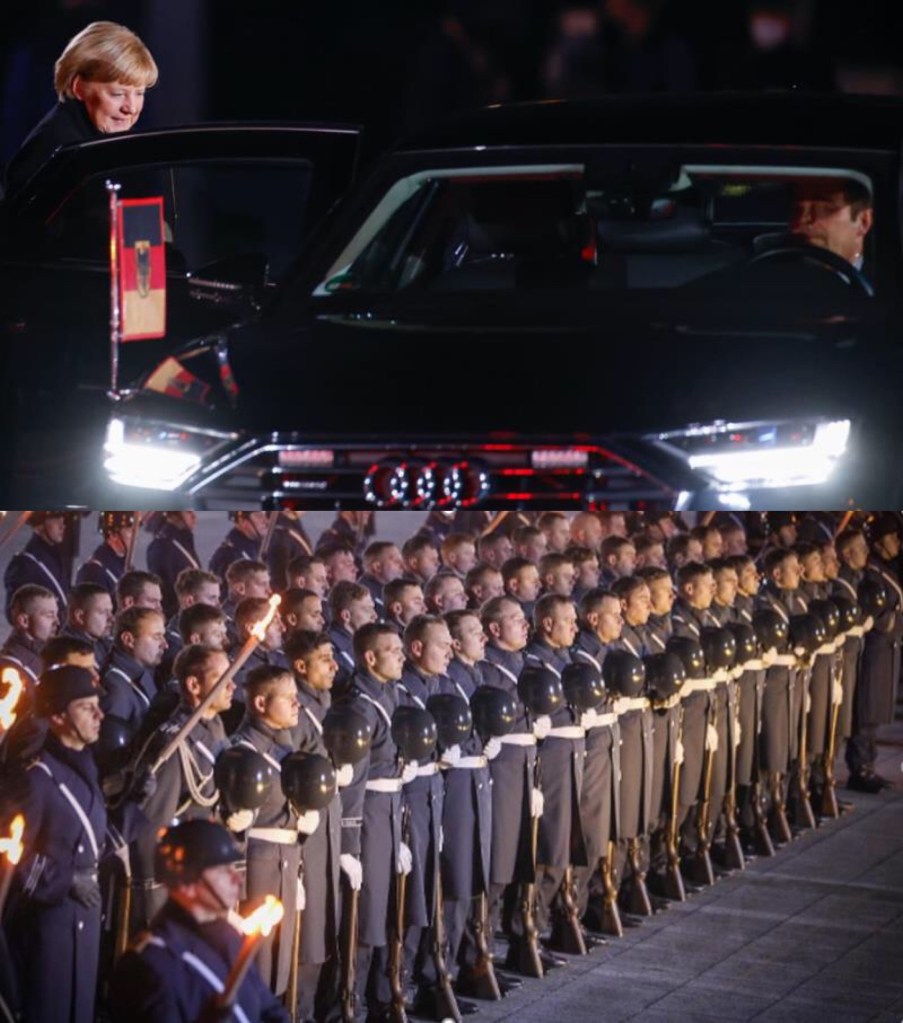
Merkel used her limousine for the last time: ending her 16-year career as Germany prime minister. 默克尔最后一次使用她的公车:结束了她16年的德國总理生涯. 在她告别讲话里默克尔也自我反省:”Unsere Demokratie lebt von der Fähigkeit zur kritischen Auseinandersetzung und zur Selbstkorrektur” “our democracy lives on the capacity for critical confrontation and self-correction”
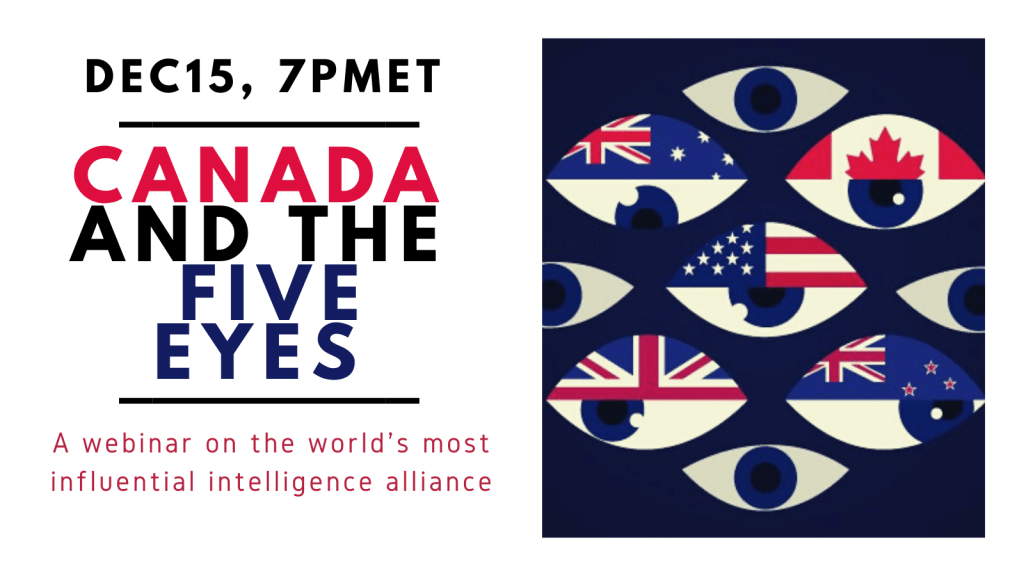
Canada has been part of the *Five Eyes (*stop China rise by all means at all cost alliance) for seven decades. Canada and the Five Eyes Dec 15, 2021 07:00 PM Montreal
Yet until recently, few had heard of the the US, UK, New Zealand, Australia and Canada intelligence sharing arrangement.
What is the Five Eyes?
With 2,700 employees and a $700 million budget, the Communications Security Establishment is Canada’s main contributor to the Five Eyes. Recently, the NSA-led alliance has been at the centre of Washington’s growing conflict with China.
Learn more about the Communications Security Establishment and Five Eyes at our upcoming webinar on December 15th featuring Communications Security Establishment expert Bill Robinson, Professor John Price and others.
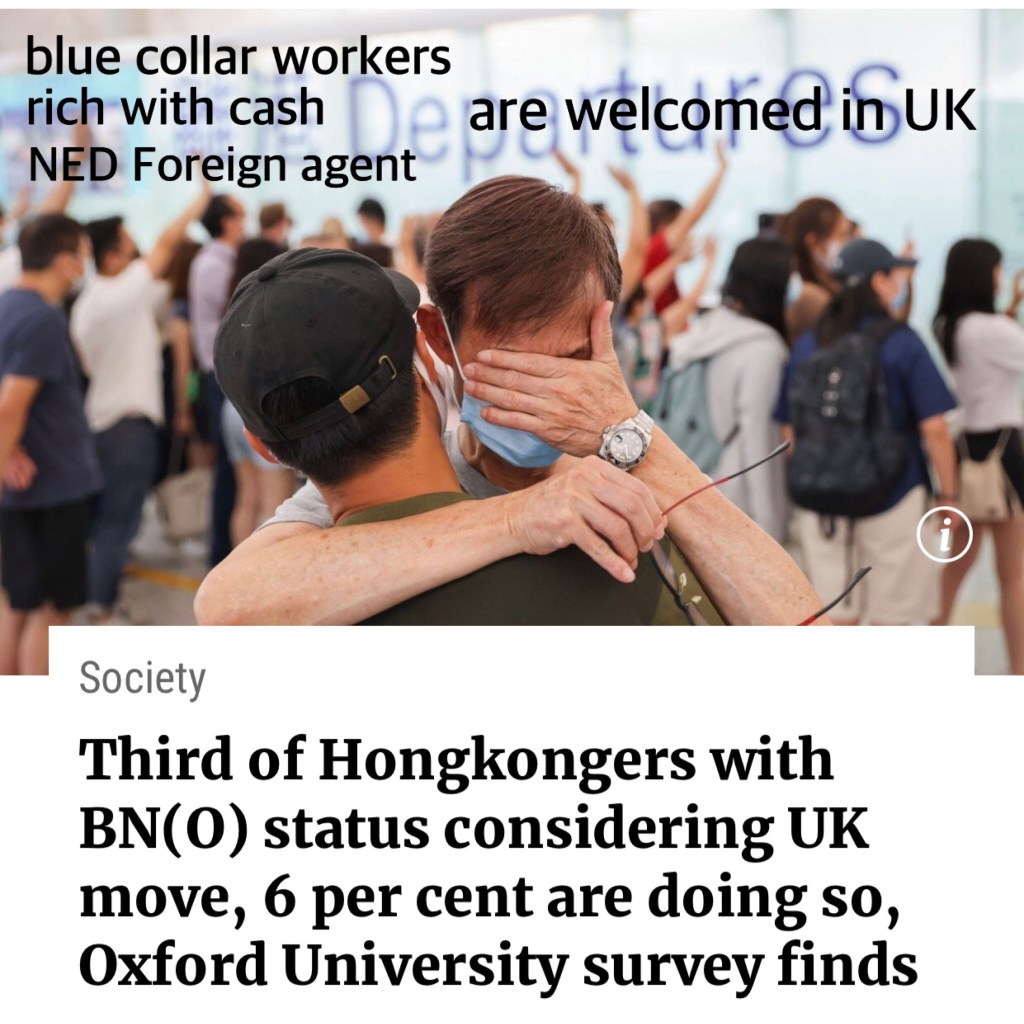
Blue collar workers, rich with cash, NED foreign agents with BNO are welcomed in UK. They can join overseas Chinese haters to continue their subversive activities there. It will bring peace to HK.
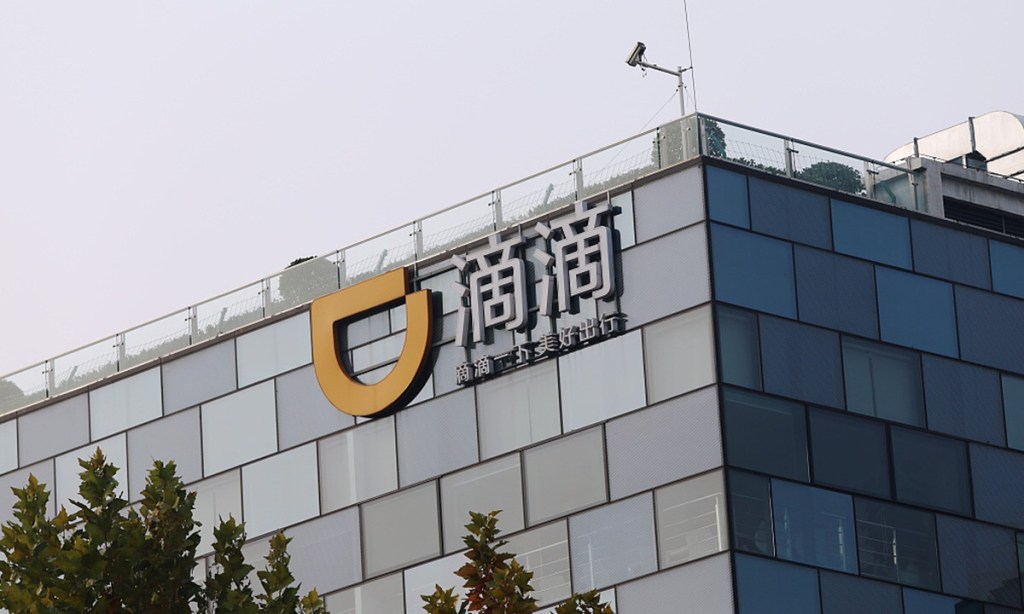
Didi delists due to US suppression of China concept stocks: Global Times editorial by Global Times Dec 03 2021
“hand over audits for inspection so as to spy on China’s internal situation”
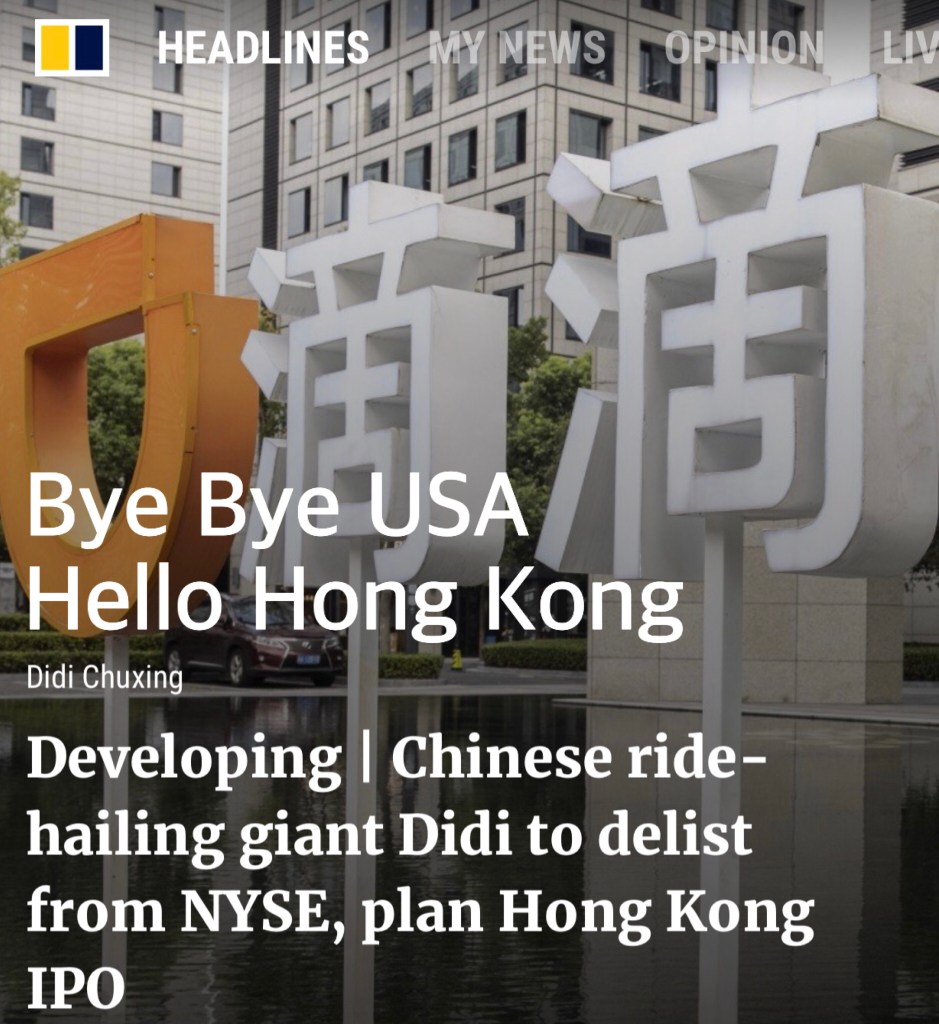
Didi Chuxing, the Chinese ride-hailing giant, announced Friday that the company is starting the work of delisting from the New York Stock Exchange (NYSE) and initiating preparations for listing in Hong Kong. One day before Didi made the statement, the US Securities and Exchange Commission (SEC) issued a mandate requiring foreign companies listed in the US to provide audits for inspection. Otherwise, they could be delisted from NYSE and Nasdaq in three years. The new SEC regulation clearly targets Chinese companies listed in the US. Analysts believe that it could lead to more than 200 companies being kicked off US exchanges.
Didi is the first Chinese company which announced it would delist from the NYSE after the SEC issued its new regulation. The company got listed in the US in June without the approval of Chinese regulatory authorities, sparking concerns that the information of hundreds of millions of Chinese users would be leaked to endanger China’s national security. More than 20 apps linked to the company were subsequently removed from mobile stores. The SEC’s new regulation has compressed Didi’s space for financing in the US from the other direction.
In recent years, China-US relations have been going downward because of the US unilateralism. Strategic distrust between the two countries continues to expand and erode the scarce mutual trust. The trade war, technological war and geopolitical containment launched by the US against China came one after another and even jeopardized the foundation and atmosphere of financial cooperation. There have already been voices in the US demanding most of the “China concept stocks” be removed from the US. Scrutiny of “China concept stocks” is expected to get stricter. The US provides various excuses such as “financial security” and “national security” for such scrutiny.
China-US relations are highly interactive. US hostility toward China is bound to increase China’s consideration of national security as it interacts with the US. China has to stay alert toward US maneuvers. Competition between China and the US over national security is spiraling upward. This means the two will become more careful about cooperating in sensitive areas, and the space for cooperation will further shrink.
It will become more difficult for Chinese digital technology and application companies to get listed in the US in the future. This will cause losses to both sides. But the tendency shows that China has greater initiative to adjust and adapt to new conditions. Wall Street is the place where capital is most concentrated. It’s the world’s biggest capital market. However, China is the new engine for global development, and a holy land to create wealth and provide the most investment opportunities. In general, what is most lacking in the world is not capital, but impetus and opportunity.
We hope China and the US could properly manage mutual distrust in the financial investment field, straighten out conditions for ensuring their respective national security, and seek the rational boundary for keeping financial cooperation going on. In that way, US investors will have more opportunities to share China’s development dividends, and Chinese enterprises will have more channels for financing. This will be a win-win structure.
However, if the US sets unequal conditions on national security for competition between the two countries by demanding Chinese listed companies hand over audits for inspection so as to spy on China’s internal situation and store huge amounts of sensitive data acquired by Chinese companies, China won’t accept that.
If the US loses Chinese companies, Wall Street will gradually alienate itself from the world’s most prosperous market and the US will no longer be the true global financial center. Chinese companies have other alternatives, and if they go back to China, they will greatly enhance the attractiveness of the mainland and Hong Kong capital markets, creating the possibility of gradually changing the global financial landscape.
That Chinese companies go to list in the US is not a favor they ask the US to grant. A key school needs excellent students, and China has the most excellent and promising students and these students are competitive. If they stay in the Chinese mainland and Hong Kong, the Chinese mainland and Hong Kong may become the places that harbor key capital schools. More importantly, we need to produce more excellent students and accelerate the pace of improving the capital market to make China become more mature in the financing sector and unleash its financial potential as the world’s factory.
SCMP Article by Bernard Chan (fellow RHS HK alumni) Hong Kong has much to offer scientists facing hate in US “All men are created equal.” So says the American Declaration of Independence, but some may be more equal than others.
Tensions between the United States and China, Trump calling coronavirus the “China virus”, alarming hate crimes against Asians and a re-emergence of McCarthyism have contributed to an environment of fear and uncertainty among Asian-Americans and Asians in the US. Anti-China rhetoric has increasingly morphed into anti-Chinese rhetoric, adversely affecting law-abiding Chinese nationals and about 6 million Chinese-Americans.
A recent analysis of prosecutions under the Economic Espionage Act, conducted by an association of Chinese-American civic leaders known as the Committee of 100, showed that most defendants charged under the law since 2009 have been people of Chinese descent. Defendants with Asian names were more than twice as likely to be falsely accused of espionage. Defendants of Asian descent were also punished twice as severely as those of other races.
It does not help that in 2018, while under the Trump administration, the US Department of Justice launched a programme dubbed the “China Initiative”. Its purpose was to crack down on economic espionage and covert influence operations, focusing heavily on scientists at American universities.
Almost by definition, a “China” Initiative puts a target on ethnic Chinese people regardless of nationality. The controversial programme has been criticised as a form of racial profiling.
This year, the Committee of 100 and the University of Arizona conducted a nationwide blind survey of almost 2,000 Chinese and non-Chinese descent scientists to assess the issue of racial profiling. Results showed that the China Initiative is producing a wave of fear among both groups.
Among scientists of non-Asian descent, there is an active distancing from everything Chinese, from no longer hiring Chinese postdoctoral researchers to cutting ties with collaborators on the mainland, and even limiting communications with scholars in China.
Meanwhile, more than half the scientists of Chinese descent say they feel considerable fear that they are being surveilled by the US government. They also report more difficulty in obtaining research funds than their non-Chinese descent counterparts. There is increasing concern that federal agencies are unjustly investigating and prosecuting Chinese and Chinese-American scientists on the basis of their heritage.
Amid the atmosphere of fear and blame in the US, however, there may be an opportunity for Hong Kong. Can we lure some of these scientists to the Greater Bay Area, giving a boost to the region’s status as an innovation and technology hub? Chief Executive Carrie Lam Cheng Yuet-ngor revealed last year that the local government is working with Shenzhen on a “joint policy package” to attract talent from overseas.
Of course, Hong Kong would be competing with other places in Asia such as Singapore and the mainland, both of which are hungry for science and tech talent. The ability to pay well isn’t everything; factors such as a vibrant academic environment, high-quality research facilities, and an appealing quality of life are all important to prospective employees.
Still, Hong Kong has a competitive edge on most fronts. Our companies and institutions have shown they are able to offer favourable financial terms for the right talent. We have world-class science and research facilities. Hong Kong’s global mindset, wealth of talented academics, and well-ranked universities certainly offer a vibrant intellectual environment. Indeed, the Greater Bay Area will provide the most exciting opportunities for science and technology talent for the next several decades.
Quality of life comprises several elements including health care, schooling, recreation, affordable housing, and safety. Again, with the exception of affordable housing, Hong Kong ticks all of these boxes.
Let’s not forget the story of a talented US-trained scientist named Qian Xuesen, who was deported by the US to China during the Cold War, and then went on to help mainland launch its missile and space programmes.
Throughout history, talent has moved to where it is most valued and appreciated. Perhaps Hong Kong sits in a unique position to attract overseas Chinese talent to an exciting, dynamic city with an abundance of opportunities.
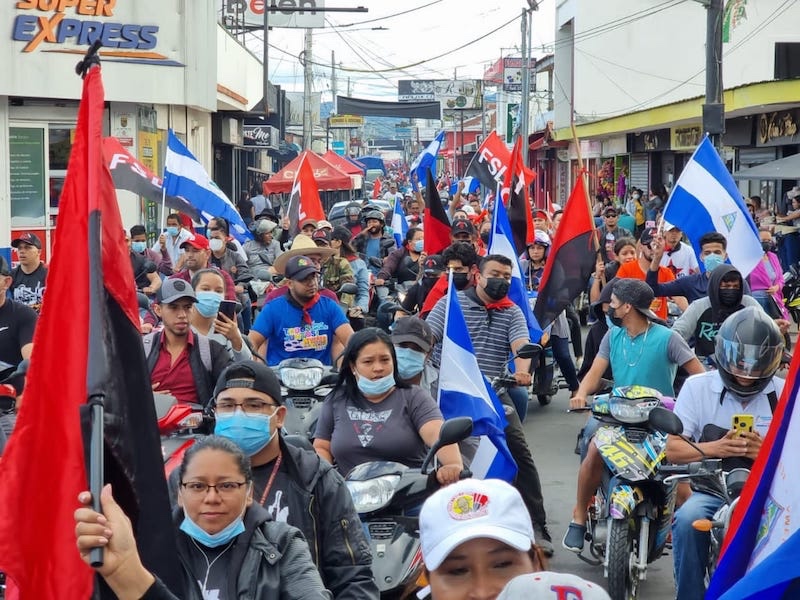
Celebrations in the northern Nicaraguan city of Estelí on November 8, the day after the elections. President Daniel Ortega won re-election by more than 75 percent
This is the second in a series of articles on Nicaragua’s November 7 elections. The first article can be found here.
The Republic of Nicaragua announced on November 19 its intention to pull out of the Organization of American States (OAS), in the latest in a series of events that have transpired in the small country’s struggle with the United States and its allies.
Earlier in the week, U.S. President Joe Biden issued a proclamation that prevents certain Nicaraguan officials—including President Daniel Ortega and his wife, Vice President Rosario Murillo—from entering the United States because they allegedly prevented a “free and fair” election.
The suspension of travel comes amid an escalation of aggression against the Central American country that the Frente Sandinista de Liberación Nacional (Sandinista National Liberation Front, or FSLN for short) has governed for the past 15 years.
Aside from the travel ban, the United States slapped sanctions November 15 on Nicaraguan officials. The Organization of American States (OAS) also voted on November 12 to approve a resolution that condemned Nicaragua’s elections as not “free and fair” and called for “further action.”
“We are not concerned about the illegal measures the U.S. imposes against government officials or against Sandinistas,” said Nicaraguan Minister Advisor for Foreign Affairs Michael Campbell after Nicaragua’s National Assembly denounced the travel ban.
However, many myths continue to circulate in the corporate media about Nicaragua’s elections. This reporter was in Nicaragua to cover the elections and reported in a November 14 article on ordinary people’s opinions of the government. Toward Freedom believes it is necessary to report answers to commonly misreported beliefs.
Did the Ortega Government Ban Opposition Parties?
The following parties were registered to run in the November 7 elections:
Partido Liberal Constitucionalista (Constitutionalist Liberal Party or PLC) Alianza FSLN (Alliance of Frente Sandinista de Liberación Nacional or Sandinista National Liberation Front Alliance, which is made up of nine parties) Camino Cristiano Nicaragüense (Nicaraguan Christian Way or CCN) Alianza Liberal Nicaragüense (Nicaraguan Liberal Alliance or ALN) Alianza por la República (Alliance for the Republic or APRE) Partido Liberal Independiente (Independent Liberal Party or PLI)
The Caribbean Coast has two autonomous regions. Indigenous peoples run the South Caribbean Coast Autonomous Region while Afro-descended people control the North Caribbean Coast Autonomous Region. Unlike voters in the rest of the country, people in these regions could choose a seventh party when voting for regional candidates. That party was called the Yapti Tasba Masraka Nanih Aslatakanka (YATAMA).
Parties were allowed to campaign from August 21 to November 3, but rallies were prohibited because of COVID-19 restrictions.
Why Is Daniel Ortega So Popular?
This year’s election can only be viewed in the context of the 2018 coup attempt that has the United States’ fingerprints all over it because of heavy U.S. funding to groups that carried out violence that killed more than 300 Nicaraguans, many of whom were Sandinistas. Nicaraguans say they continue to feel emotionally impacted by the events of that year. Nicaraguan farmers were devastated by the “tranques” or barricades coupmongers built on roads that blocked trade, as reported in a November 14 article. Below is a video of one college student, who recounted her experience and decried the United States’ role.
Government officials explained the economic impact of the 2018 coup attempt at a summit for international election companions and accredited press held the day before the elections. Nicaragua’s Central Bank President Ovidio Reyes said the country has experienced negative Gross Domestic Product (GDP) growth since 2018. “Just as we were getting out of that cycle, the pandemic struck,” he said, adding two recent hurricanes on the Caribbean coast also impacted trade. However, this year, the country started to see the economy turn around. Much of that officials credit to the country’s policy of increased public health initiatives in lieu of a nationwide lockdown, which they say would have hurt the small country. “If we don’t work, we don’t eat,” said Laureano Ortega, who promotes Nicaragua to foreign investors, repeating the words of his father, President Daniel Ortega. And so came door-to-door visits to provide information, as well as a campaign involving mask wearing, handwashing and social distancing. As a result, Nicaragua has what appears to be the lowest amount of COVID-19-related deaths in the Western Hemisphere.
Why Are Nicaraguan Opposition Leaders in Jail?
In 2020, Nicaragua’s National Assembly passed Law 1055 or the “Law for the Defense of the Rights of the People to Independence, Sovereignty, and Self-Determination for Peace”. Under this law, it is a crime to seek foreign interference in the country’s internal affairs, request military intervention, organize acts of terrorism and destabilization, promote coercive economic, commercial and financial measures against the country and its institutions, or request and welcome sanctions against Nicaragua’s state apparatus and its citizens.
Nicaragua also has a law called article 90, chapter IV, that governs the financing of electoral campaigns, according to government documents.
“The financing system for parties or alliances of parties establishes that they may not receive donations from state or mixed institutions, whether national or foreign, or from private institutions, when they are foreigners or nationals while abroad. They may not receive donations from any type of foreign entity for any purpose.” Article 91 also prohibits foreign donations to elections.
Article 92 lays out the punishment for breaking electoral finance laws. Consequences can include candidates paying a fine, being eliminated from running for elected or party positions, and being barred from serving in a public office from two to six years.
The Ortega government had offered amnesty in 2019 to opposition members who had helped organize the 2018 coup attempt. However, opposition leaders this year have faced arrest and jail time because they violated the above laws. The corporate media has used the terms “pre-candidates” and “presidential hopefuls” to describe these people.
Many countries around the world, including the United States, prohibit accepting money from foreign governments, foreign private institutions or individuals who are based abroad.
Nicaragua’s Supreme Electoral Council (CSE) governs elections and is considered the fourth branch of the country’s government. The same cannot be said in the United States, for example. The CSE is comprised of members from each of the 19 political parties that can register to run a candidate in the elections.
Weren’t Opposition Parties Barred from Participating?
After 100 percent of votes were counted, the FSLN prevailed with more than 75 percent. The second-place party, Partido Liberal Constitutionalista (PLC), received 14 percent, while other parties picked up only single-digit percentages. All opposition parties are anti-Sandinista.
In the run-up to Election Day, U.S. Secretary of State Antony Blinken denounced the “sham of an election.” In doing so, he reinforced the foundation for increased U.S. aggression on the small country, about the size of the U.S. state of Pennsylvania.
However, this reporter and close to 70 other journalists reporting on the elections found a calm and organized voting process at stations we visited across the country. Some of the protocols involved included:
Voters must display special identification created just for voting purposes to voting station workers Voters names can be found in a computer database and on paper One voter per station (which was usually the size of a classroom) Handwashing, hand sanitizer and masks were provided Ballots indicate parties along with the photos of each of the presidential candidates Ballots are inserted into a box after voting All ballots are counted at voting centers, not transported to another site as has been seen in the United States, which has resulted in missing ballots being found on streets and claims of fraud Members of each political party participating in the elections were in the voting centers to monitor vote counting How Do the Opposition Relate to the Ortega Government?
Below is a video (courtesy of Friends of Latin America) that shows two opposition-party monitors—one from the Independent Liberal Party (PLI) and the other from the Constitutional Liberal Party (PLC)—explaining that they both oppose what they deem “intolerance” among a certain section of the Nicaraguan opposition that supported the violence of the 2018 attempted coup. They also condemned U.S. sanctions, which they said would affect all Nicaraguans, regardless of political affiliation.
Were Foreign Journalists and International Observers Allowed In Nicaragua?
This reporter, as well as 66 other journalists, were accredited as press prior to the elections. Not a single journalist on the ground reported seeing or hearing of their colleagues being banned from entering. A few election companions had trouble entering Nicaragua if they did not provide a negative COVID-19 test result on a printed document that contained both the seal from the testing facility as well as a doctor’s signature.
Meanwhile, no journalists from corporate media outlets were on the ground. Yet, outlets like the New York Times went on to claim the elections were dubious in nature. One Times reporter, Natalie Kitroeff, was met with facts from journalists on the ground while she tweeted from Mexico City that the elections were rigged.
Aside from 67 journalists, 165 international “accompañantes electoral,” or election companions, were allowed to participate. The journalists and election companions traveled from 27 countries. Some flew from as far away as Russia and China, while 70 election companions traveled from the United States.
Despite corporate media’s claims of being denied access to Nicaragua, this reporter only knows of one journalist who was denied access. But the Nicaraguan government wasn’t involved. Steve Sweeney, international editor at the Morning Star, a socialist newspaper in the United Kingdom, tweeted he had been detained in Mexico en route to cover the Nicaragua elections. Over three days, he was denied food and medical access as a diabetic, as he describes in the tweet below.
Meanwhile, the corporate media has not raised their voices to decry the conditions under which Wikileaks Publisher Julian Assange and independent journalist Mumia Abu-Jamal have been held, both of whom the United Nations has reported are being tortured in prison.
Only one European Parliament member attended. Mick Wallace represents Ireland in the parliament and opposed the European Union cooperating with the United States to engage in a hybrid war against Nicaragua. He can be seen expressing opposition in the video below that he tweeted on November 11.
A “hybrid war” is a term historian Vijay Prashad uses to describe the documented U.S. policy of wearing down a country’s defenses through “unconventional” tactics such as economic sanctions, funding proxy groups and NGOs, and distributing misinformation.
Nicaragua decided not to use the term “election observers” because of how OAS and EU election observers in the past had used their role to legitimize meddling in the country’s affairs, according to Nicaraguan Foreign Ministry representatives. Because of that history, as well as the OAS’ documented role in helping create the 2019 coup in Bolivia, Nicaragua did not allow the OAS to send election companions.
Were Nicaraguans Prevented From Voting?
Despite mainstream media claiming people were sometimes violently kept from voting, journalists on the ground in cities as diverse as Bilwi in the North Caribbean Coast Autonomous Region, Bluefields in the South Caribbean Coast Autonomous Region and in the Pacific northwestern city of Chinandega found a free, fair and transparent process in which Nicaraguans voted. Voters in Bilwi told The Convo Couch, a U.S.-based media outlet, that the government’s response after two hurricanes last year hit the Caribbean coast solidified support for the FSLN.
The Foreign’s Ministry’s Campbell told journalists 10 departments (Estelí, Chinandega, León, Rivas, Chontales, Matagalpa, Masaya, Granada, Carazo and Managua) and two autonomous regions contained 63 voting centers and 791 voting stations.
Everywhere foreign journalists and election companions visited contained a peaceful and orderly voting process. Voters expressed gratitude and pride in their country’s elections, which took a year to plan, according to government officials.
Many journalists recorded election workers supporting elderly and disabled people to vote, many times carrying them to voting stations.
Julie Varughese is editor of Toward Freedom. She spent a week traveling through Nicaragua as part of a delegation organized by the Associación de Trabajadores del Campo (Rural Workers’ Association, or the ATC for short), an independent farm workers’ organization.
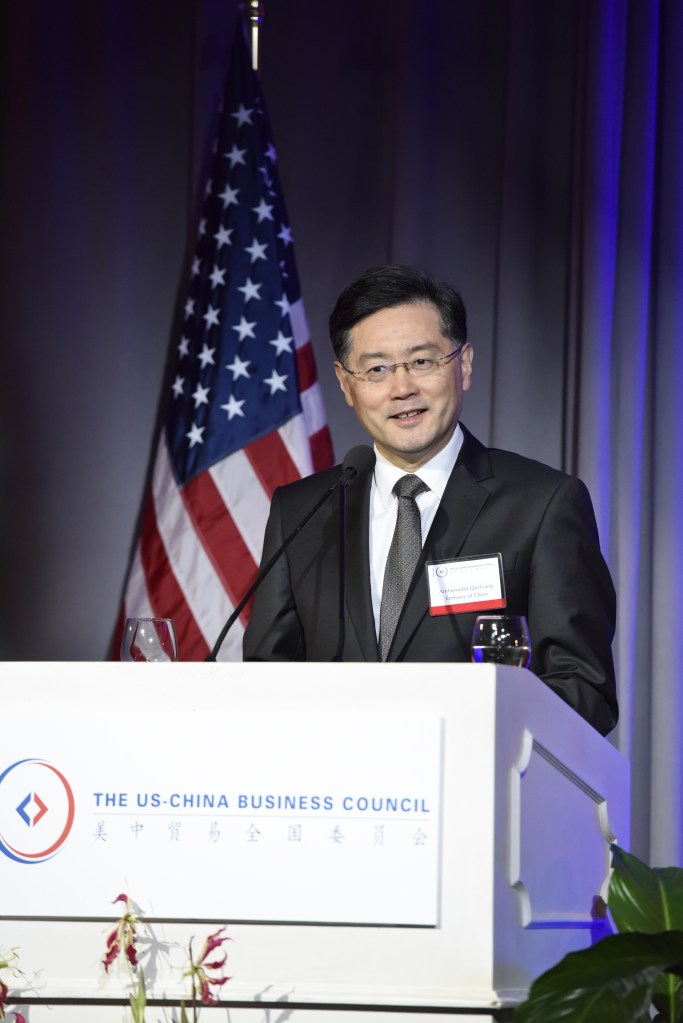
Build Confidence in Our Way Forward —Speech by Ambassador Qin Gang at the Gala 2021 of the US-China Business Council
Dr. Kissinger, Under Secretary Fernandez, Representative Miller, Mr. Linebarger, Ambassador Roy, Ambassador Allen, Friends of the Business Community, Ladies and Gentlemen, Good evening. It is my great pleasure to attend the Gala of the US-China Business Council. The theme of this event is “The Way Forward”. To open up a way forward, we need to look forward, think forward and have confidence. I give my tribute to Dr. Kissinger for his farsightedness and wisdom, I share the vision and objectiveness that Ambassador Roy has in China-US relations, and I echo Ambassador Allen’s remarks on the importance of trade and business. The key word I want to highlight is confidence. First, we must keep our confidence in China’s high-quality development. This year marks the centenary of the Communist Party of China. The 6th Plenary Session of the 19th CPC Central Committee held recently has comprehensively reviewed the major achievements and historical experience of the CPC in the past 100 years. A very important piece of the experience is putting people first. Fulfilling the people’s aspiration for a better life is a mission of the CPC. It also provides the biggest driving force for China’s development. Thanks to generations of hard work, the Chinese people have eliminated absolute poverty and built a moderately prosperous society. We are on our way forward to fully build a modern socialist country and achieve common prosperity. To this end, China is fostering a new development paradigm, with domestic circulation as the mainstay and domestic and international circulations reinforcing each other, and promoting high-quality development. In the first three quarters of this year, China’s economy grew by 9.8% year-on-year, higher than the growth rates of both the global average and major economies. Domestic demand contributed over 80% to our growth, and our international trade in goods increased by nearly 23% year-on-year. China’s economy has made important contributions to the recovery of global economy and trade from COVID-19, and will make further progress in quality and efficiency. China’s middle-income group continues to expand, and the people have growing needs for quality products and services. Looking into the future, China is set to become the biggest consumer market in the world. American companies are welcome to come onboard to share the dividends of China’s high-quality development. Second, we must shore up our confidence in China’s high-standard opening-up. This year marks the 20th anniversary of China’s accession to the World Trade Organization. Over the last two decades, China has fully delivered on its accession commitments. Its overall tariff rate has been cut from 15.3% to 7.4%, lower than the 9.8% accession commitment. Nearly 120 sub-sectors of the service industry have been opened, exceeding our commitment of 100. The central government has reviewed and revised over 2,300 pieces of laws and regulations, and local governments over 190,000 pieces. A domestic economic management system aligned with international rules has been established. These measures have unleashed market and social vitality. Over the last two decades, China has opened itself increasingly wider, promoting our own development and empowering global development and prosperity. China has become the world’s largest trader in goods, the second largest trader in services, and a major trading partner of more than 120 countries and regions. For 20 years, China’s average annual contribution to global growth has remained at about 30%. As reiterated by the 6th Plenary Session, China will continue to comprehensively deepen reform and opening-up. We will further shorten the negative lists on foreign investment access, enable all-round opening-up of agriculture and manufacturing, open the telecommunications, healthcare and other service sectors wider, and implement a negative list for cross-border service trade nationwide. We will advance trade and investment liberalization and facilitation, and build a market-oriented, law-based and world-class business environment. We will take an active and open attitude in negotiations on digital economy, trade and the environment, industrial subsidies and state-owned enterprises. We have applied for joining the Comprehensive and Progressive Agreement for Trans-Pacific Partnership (CPTPP) and the Digital Economy Partnership Agreement (DEPA). We are improving and enforcing laws and regulations on anti-monopoly, and stepping up regulation of some industries. This is for the healthy development of the market economy, and a common international practice. We will communicate with the market in the process of policy making and implementation, and do our best to create a stable, fair, transparent and predictable business environment. China’s high-standard opening-up will provide a bigger market and more opportunities for the US and other countries. Third, we must rebuild our confidence in China-US relations. Indeed, the China-US relationship is going through serious difficulties. This does not serve the fundamental interests of the two countries and peoples. Two weeks ago, President Xi Jinping and President Joe Biden held a virtual meeting. They have agreed that China and the US should respect each other, coexist in peace, increase communication, handle differences constructively, prevent conflict, and strengthen cooperation. The Presidents’ meeting has provided direction and guidance for our relations in the new era. China will work with the US to implement the spirit of the meeting and inject more positive energy into our relations. Economic and trade cooperation has always been the anchor and propeller of our ties. China is ready to enhance such cooperation with the US to expand our shared interests. We need to strengthen existing cooperation in agriculture, manufacturing and financial services, and I believe our cooperation in energy and climate change means new opportunities to companies of both countries. Ladies and Gentlemen, I know you are concerned about resumption of business travel to China. Let me announce here that we are implementing President Xi’s direction on upgrading fast-track arrangement to provide more conveniences for you. With the upgraded arrangement, the time needed for travel approval will be shorter, no more than 10 working days. Testing and quarantine will be more convenient. You can work during quarantine if conditions for a quarantine bubble are eligible. We have formulated a specific work plan and will share it with the USCBC. On your other problems and concerns in market access and business environment, we will lend an attentive ear and do our best to help. I also hope to have your understanding and an objective and long-term view from you on these matters. The USCBC just released the 2021 District Export Report. According to the report, America’s goods exports to China reached 123 billion dollars in 2020, up by nearly 18%, while its exports to other parts of the world last year dropped by 15%. China’s economic growth has not only greatly boosted US exports, but also supported almost one million American jobs. This proves once again that our economic and trade ties are win-win in nature. They are not I-win-you-lose or you-win-I-lose. Trade issues should not be politicized. Decoupling and building walls would only undermine global industrial chain and supply chain, and damage our cooperation and common interests. We call for openness and inclusiveness. We call for early abolition of the additional tariffs. We call for the abolition of cold war mentality not only in words but also in deeds. Ladies and Gentlemen, This is my first winter in Washington DC. Being with a galaxy of business leaders here tonight, I feel very warm and encouraged. Your passion and confidence in our way forward remind me of a quote of English poet Percy Shelley, “If winter comes, can spring be far behind?” Together, let’s brave this winter and embrace the arrival of spring.
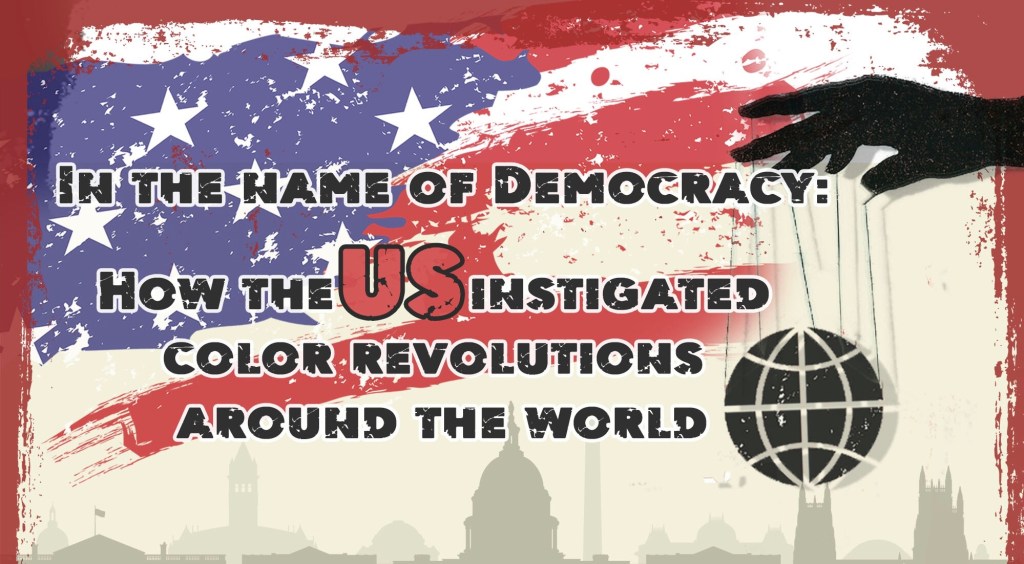
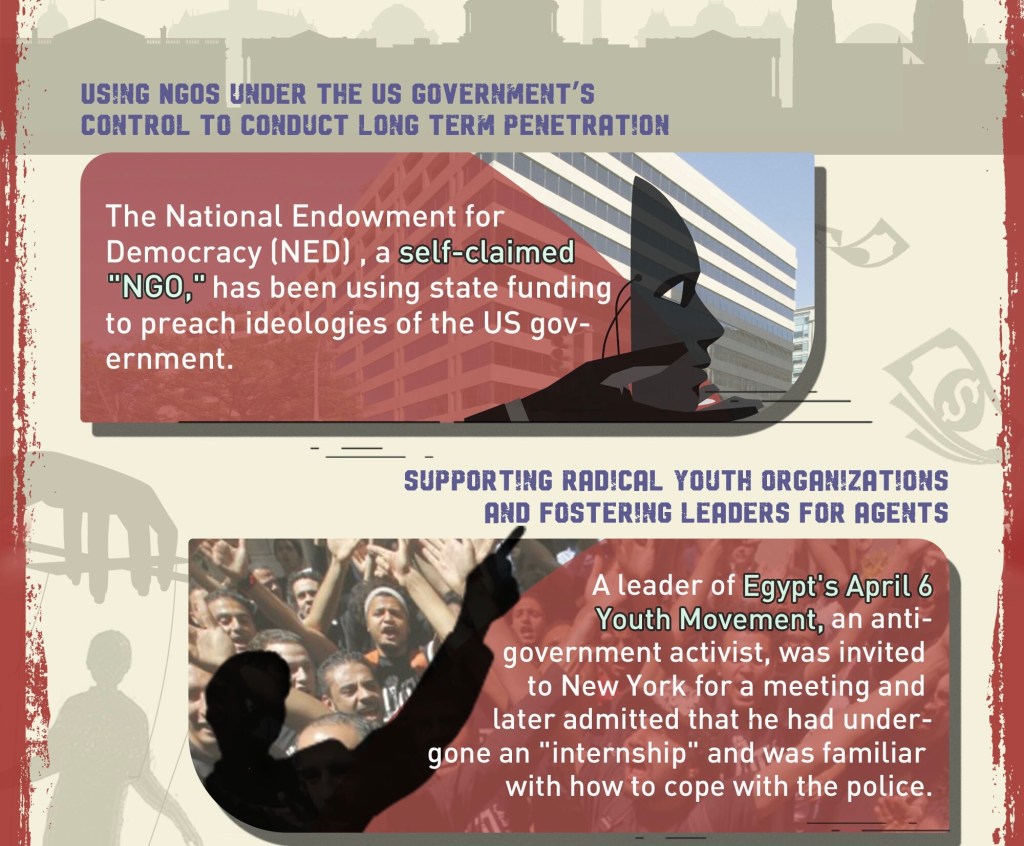
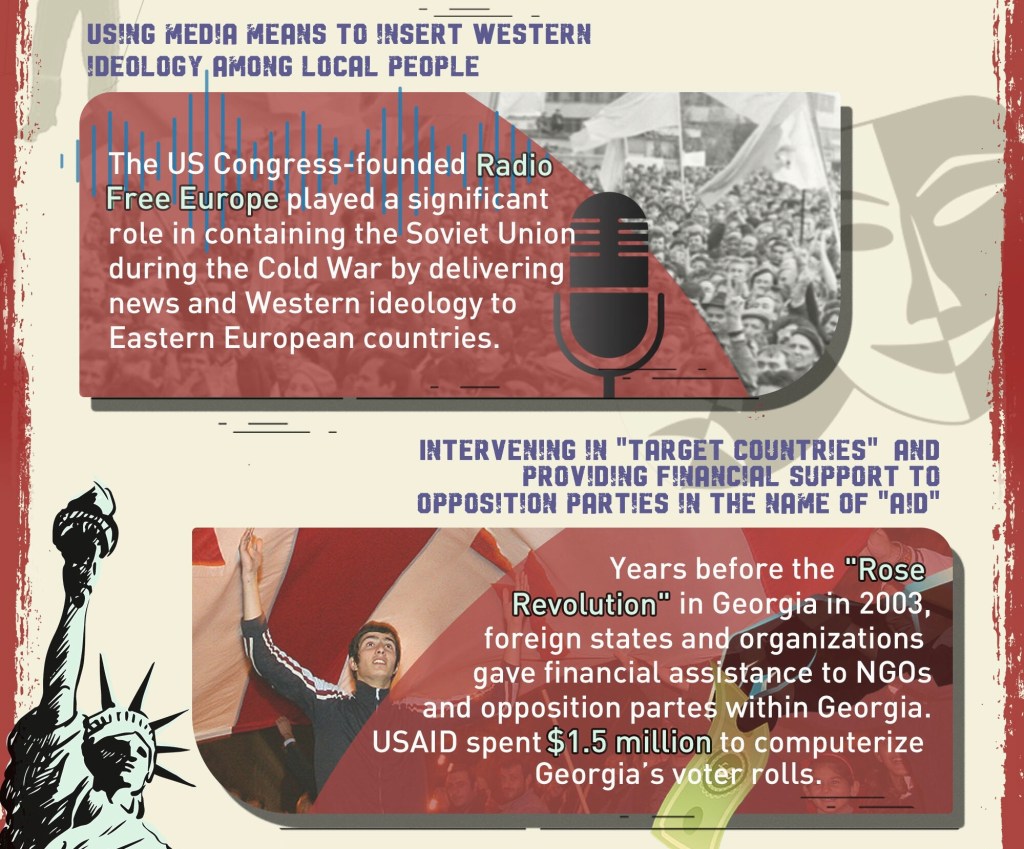
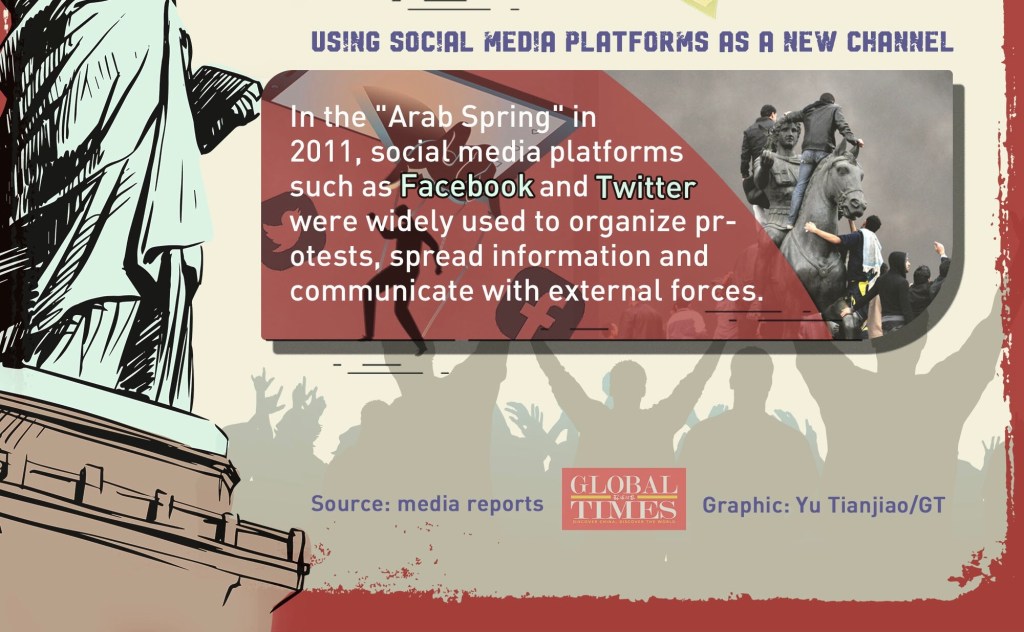
In the name of democracy: How the US instigated color revolutions around the world by Yu Tianjiao Dec 02 2021
Exporting wars, launching “color revolutions” and inciting extremist ideologies – in the name of democracy. While the US has left endless bloodshed and turmoil around the world, it still attempts to establish cliques with “democracy summit.”
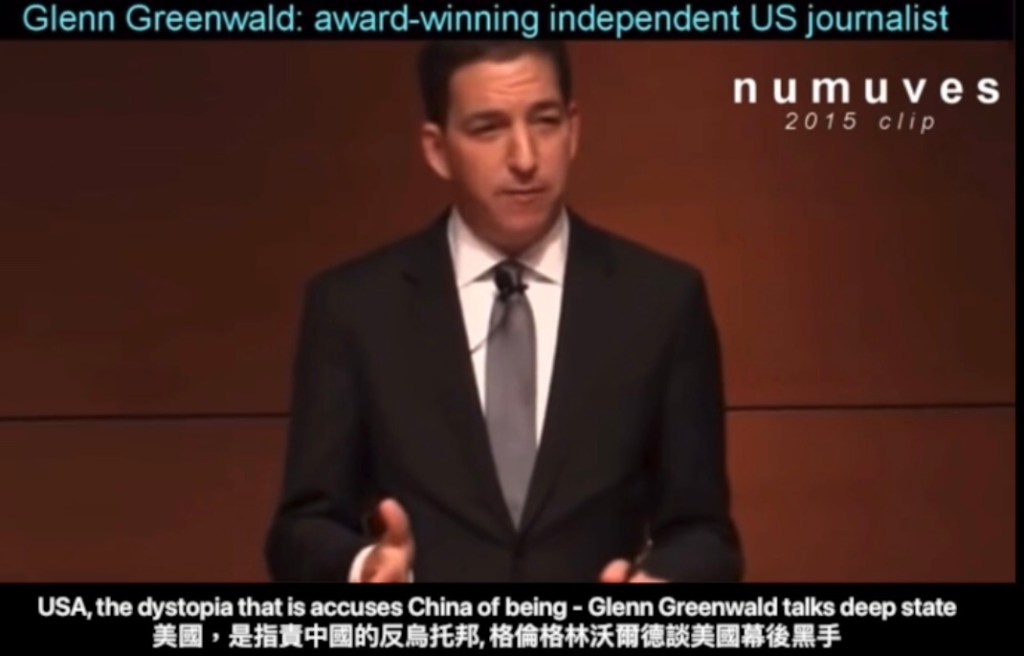
An important speech from 2015. Glenn Greenwald was part of the team of reporters who met with Edward Snowden in 2013 in Hong Kong to reveal USA’s NSA’s (National Security Agency) most dystopian secrets. 2015 年的重要演講。2013 年,Glenn Greenwald 是記者團隊中的一員,他於 2013 年在香港與愛德華斯諾登會面,揭露美國國家安全局最反烏托邦的秘密。
Bye bye USA, Hello Hong Kong. “After careful study, the company will start the work of delisting from NYSE and initiate preparation for listing in Hong Kong with immediate effect,”

 Johnson Choi Biz