Propaganda verses facts

Propaganda verses facts
Ukrainian War Crimes and Human Rights Violations 烏克蘭戰爭罪和侵犯人權行為
https://democracyfund.ru/userfiles/
Ukrainian_Crimes_2017-2020.pdf
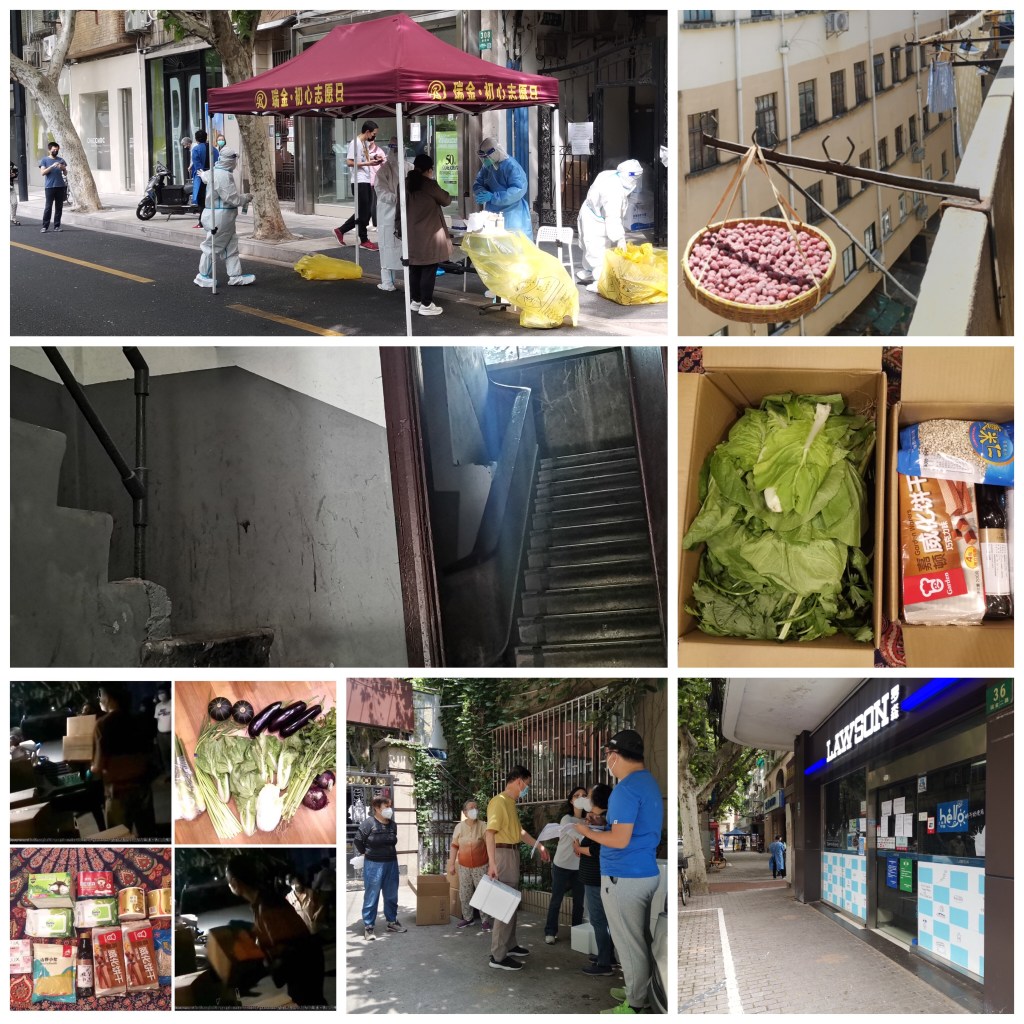
Chapter One: My Shanghai Lockdown Life. Challenge and Community Spirit in Lockdown Shanghai at Socialist China 我的上海封鎖生活。 社會主義中國封鎖上海的挑戰與社區精神 by Lee Siu Hin 李小軒 May 26, 2022
Since the beginning of the year, China has been facing several COVID outbreaks across the country, first the Delta variant then Omicron, spreading from western countries via passenger flights or imported frozen foods to China. The western countries have completely failed to combat the virus, but instead have chosen to give up on saving lives. The developing countries have been unable to combat the virus effectively due to the lack of vaccines/medical supplies caused by western vaccine imperialism.
Shanghai had been hit by several small scale foreign-imported pop-up outbreaks since January, each effectively contained within a week; however, the latest Omicron outbreak beginning late February spread like wild fire across the city and was beyond control within less than a few weeks. All efforts had failed and hundreds of thousands of people had been infected. As of today (May 26, 2022), over the past two months 62.8 thousand people had been infected, with an additional 590 thousand asymptomatic cases, and 594 deaths.
Unlike Joe Biden or Boris Johnson who have chosen to ignore the virus and called for “Freedom Day” to lift all health restrictions at the peak of the COVID outbreak last winter that killed hundreds of thousands of people. China, on the other hand, continues to enforce a strict “Zero-COVID” policy to save people’s lives, calling for a city-wide “stay-at-home” lockdown of 24.8 million people from March 28, 2022, to continue until June. This is the longest lockdown since the Wuhan outbreak two years ago.
Shanghai is the third largest city in the world with 24.9 million people (3 times larger than New York City). The sudden outbreak and lockdown caused mass confusion and a logistical crisis because most people had not prepared for a long lockdown and had not stocked up on supplies before all business activities were ordered to stop. Health care services were suddenly overwhelmed because most hospitals were closed to avoid community spreading, and they needed to quickly build dozens of makeshift hospitals across the city within a few days to house hundreds of thousands of patients and their close contacts.
Just like the heroic efforts during the Wuhan outbreak, the Chinese government quickly mobilized hundreds of thousands of medical workers, Communist Party of China (CPC) members and community volunteers to support the Shanghai fight against the outbreak and to organize food supplies for every family in the city. Because of their tireless efforts, the city survived, with less than 600 people dying (as of May 26, 2022). They managed to provide everyone with basic food supplies and free PCR and antigen tests administered to people dozen times. Multiply that by every Shanghai residents – over the past two months over a billion tests are believed to have been administrated, the biggest testing operation in history.
There is a lot of public anger about issues such as: not enough food, anxiety due to the long lockdown, patients who cannot go to the hospital or buy medicine, elderly people left without help, and small businesses facing bankruptcy because they have no income and are running out money, migrant workers lost their jobs desperately need to leave the city. However, most of these issues were resolved and worked out in the end. In fact the majority of the people supports the government effort, and follow the instructions to stay at home. There were many heartwarming stories of neighbors supporting and helping each other during these difficult times. While Chinese right-wingers and anti-lockdown online troublemakers wanted to stir up public anger against the government, their efforts failed and only exist in fringe internet postings and rumors.
I returned to Shanghai at this historic moment and witnessed both China fighting against the virus and the western media’s biased reports about it. I also I gained a firsthand understanding of how China sees the Russia-Ukraine conflict, and how Chinese public opinion see the U.S. is trying to stir up tensions in east Asia against China.
Currently I am in the Shanghai city center, Huangpu district (equivalent to The Village district in the New York), the epicenter of the outbreak, and have experienced the total lockdown lifestyle almost from the beginning. I returned to Shanghai from LA on April 4th, just a few days after the beginning of the Shanghai lockdown (So what’s U.S. sanctions got to do with the China-U.S. trans-Pacific flights? A lot https://immigrantsolidarity.org/China2022/PartOne.html).
First there was the mandatory 14 days that I spent at a lockdown hotel for international travelers. Then I was discharged from the hotel and returned to my apartment where I have experienced city-wide lockdown life ever since. We cannot leave the apartment so I have not seen my neighborhood since I got here.
For the past two months, we’ve been told to stay indoors, and are not even allowed to go downstairs to leave the building for a walk except for daily PCR tests. Forget about leaving the apartment complex to venture anywhere to actually do anything; since the front gate is locked, no one can go out or into the complex and none of the stores are open anyway. All outside delivery are putting at the rack outside the gate; the apartment staff will first spray alcohol to the package before we can go to pickup.
On my latest trip I was planning to finish filming my Voice of Xinjiang VoiceXJ (www.VoiceXJ.org) documentary during May. Now I will have to postpone it indefinitely until everything goes back to normal – hopefully by summer.
Since all the stores are closed, there is almost no private delivery service for online orders – the private deliverers were one of the ways the virus was spread. We’re required by the government to get a mandatory daily free PCR-test, organized by government in the community, every 8 AM in the morning; or to self-administer an at home antigen test.
The latest Shanghai COVID-19 omicron outbreak is the worst since early 2020 at Wuhan, where approximately eighty thousand infections with 4000 deaths. It was believed to be imported from foreign countries through frozen food and asymptomatic international travelers in late February 2022. Within just a few weeks it rapidly spread, infecting 62 thousand people in Shanghai and causing 600 deaths. By comparison during the same past-three months (February 26th to May 25th, 2022) New York City under endemic “new normal”, with only one-third population size compare with Shanghai, it had 197 thousands cases with 602 people died, but offer no asymptomatic and closed contact cases; by average it’s 9 times more people infected with 3 times more people died in NYC than Shanghai.
The city was caught off-guard and failed to contain the virus. There was no choice but to quickly order the city-wide “stay at home” lockdown in place from the end of March until now.
Generally younger people are better able to self-organize their food and logistical supplies than older people who are not tech savvy and don’t know how to order group purchase online; because purchase orders and government communications are all via internet on cellphones using WeChat messaging app, a small community may not have enough people to form a purchase group, they need to work extra hard to get their daily supplies.
A patient may have run out of medicine but cannot apply a special permit to leave home to go to the hospital, to visit doctors and get a refill due to the lockdown. The permit is very difficult to apply, but understandable because avoid anyone take advantages to wondering around the city risk of spreading the virus.
Each person’s experience is very different, depending on things like how well their apartment building and their group purchase leader manage things; how many energetic youth and wide elder residents will come forward to organize volunteer works to run their self-help operations; how good the apartment complex manager is at running their day-to-day pandemic food supplies and infection control operations with volunteers; and how well the local community officers manage the food shipments delivered to each resident, testing everyone every day and quickly arranging sending infected patients to the hospitals or makeshift medical facilities.
My apartment is located at the heart of old-town Shanghai, the center of the historic French concession (French colonial occupied period between 1849 to 1943), located on Nanchang Lu (Road), one of the city’s most culturally romantic streets (https://www.shine.cn/news/metro/2008295108/).
The Xiangshan Apartments, built in the 1930s, were called St. Paul Apartments during the French concession period. It was owned by the western Church before the communist revolution, and was a luxury apartment building for wealthy Shanghai white expats or upper-class Chinese bourgeois. It was designed with two areas and stairs side-by-side – the colonial masters lived in the “wealthy only” apartment areas, the Chinese servants in the other area; servants could not use the bourgeois residents’ living areas and stairs, just like in the old American South divided into “white only, colored only” areas.
After the Communist Revolution of 1949 with the foundation of the People’s Republic of China, the government confiscated the apartments (although the Church still legally owns the property) and gave them to working people. Each luxury apartment unit (usually 1000-1500 square feet with two bedrooms) was divided into 2 or 3 subunits with shared kitchen and bathroom for each family. Now these groups of residents are in their 80s and 90s or have already passed away. Many of the next generation have moved out and the empty apartments are now private rentals; I rented one of these units luckily at a great rate, with my own bathroom and kitchen and a spectacular view of Shanghai.
It’s a photogenic, historical old Shanghai building, but because most of the 80-100 current residents are either elderly original residents or migrant worker families who recently moved in here, lack of funding caused the building has been poorly managed; the situation became worse during the sudden COVID crisis over these past few months. Seven people were infected due to the shared kitchens. With two or three families using one kitchen (typical for old inner-city buildings in Shanghai) community spread of COVID is occurring very quickly; some of the infected residents are too old to move to the makeshift hospital.
We don’t have enough people to organize effective large-scale group food purchase operations; sometimes we’re facing a food shortage. We don’t have good building management; even though we’re labeled a high-risk building, we don’t have effective sanitizing operations.
The problem is quite typical in our Old Town neighborhood with its old and poorly managed buildings, crowded living conditions and many elderly residents. This is one of the main reasons the virus has spread very quickly and this community is the epicenter of the latest Shanghai outbreak.
Since none of us had previous personal experience with such enormous tasks as the sudden public health emergency crisis, any delay in response and the bureaucratic K.I.S.S. (Keep It Simple and Straight) management principle won’t work at this time. Much of the chaos, confusion, mismanagement and frustration are unavoidable, but everyone is doing their best to solve the problem, and certainly it’s far better than the U.S. over the past two years.
We discuss the U.S. COVID management disasters in detail in our 2020 book “Capitalism on a Ventilator.” And Shanghai has clearly done far better than the U.S. government emergency responses – and cover-ups – during the August 2005 Hurricane Katrina disaster in New Orleans, Louisiana; or the November 2018 California Camp Fire that destroyed the community of Paradise (https://socialistchina.org/2021/08/15/capitalism-on-a-ventilator-the-impact-of-covid-19-in-china-and-the-u-s/).
Everyone from the neighbors to the community workers is working hard to resolve the issue.
For the past two months we’ve been receiving our weekly food supplies from the government for each family. Here is the announcement of the supplies from our neighborhood committee for every family on May 22, 2022. The food includes vegetables, eggs and meats:
The government supplies are usually every half-week; on May 18th it’s a box of fresh vegetables, and another box of items; thanks to the community workers who organize its packing and delivery.
Other items we’ll buy from “group purchase” (团购), a community self-organized group bulk-buying directly from the store, supermarket, wholesaler or local farm, usually organized by the group purchase leader (团长) collectively appointed, or who has volunteered for the building or the apartment complex. The bulk order will only be sent to one address for further distribution to apartment residents.
There is a minimum order requirement (usually 30 orders or more) and the seller will deliver to the one address; the group purchase leader will be responsible for unpacking the items and organizing volunteers to deliver to each family.
At our apartment, we had group purchased following items: vegetables, meats, bakeries, rice, seasoning, fruits, cakes, ice creams, sodas, cappuccinos, McDonalds and KFC, etc.
Here’s my neighbor’s recent private vegetable group purchase menu from May 9, 2022:
This group purchase has a minimum of 50 package orders to form a group; after it has been placed, the group order will arrive the next day, delivered to the group leader’s Fuxing Middle Road address. Each person then needs to arrange their own pickup service to deliver to their home, such as Paotui service (https://www.chinese-forums.com/forums/topic/55973-pao-tui-%E8%B7%91%E8%85%BF-in-china/).
Weight: 1 jin [China] = 1.1023113 pound (every item is sold in units of 1 jin unless specified)
Price: 1 Yuan [China] = 0.15 USD (at the May 26, 2022, exchange rate)
Package 1: 68 yuan, random selection of 5 to 6 kinds of vegetables (free onion, ginger and garlic), a total of about 7 Jin.
Package 2: Chinese chives 9 yuan
Package 3: green vegetables 7 yuan
Package 4: Cantonese cabbage 7 yuan
Package 5: kale 7 yuan
Package 6: head of lettuce 7 yuan
Package 7: broccoli 9 yuan
Package 8: green pepper 9 yuan
Package 9: locally grown small potatoes 8 yuan
Package 10: long eggplant 10 yuan
Package 11: loofah 10 yuan
Package 12: green beans 16 yuan
Package 13: kidney beans 14 yuan
Package 14: round green peppers 12 yuan
Package 15: chili pepper 55 yuan
Package 16: celery 10 yuan
Package 17: snow peas 17 yuan
Package 18: bamboo shoots 12 yuan
Package 19: edamame 13 yuan
Package 20: cauliflower 9 yuan
Package 21: kale 13 yuan
Package 22: red and yellow peppers 16 yuan
Package 23: sweet corn 9 yuan
On May 22, 2022, our neighborhood committee had distributed 8 Jin (8.82 pounds) of meat per family. The committee is comprised of self-organized building volunteers who manage the distribution of the items to our residents; the person with blue shirt at the far right is our volunteer building leader. He has the list of the residents in our building and gives the items to the residents from the list.
Based on my observations made from my apartment, I wrote down some small stories about the campaign against COVID in Shanghai, to understand the complexity of the situation and how everyone is working hard to make the situation better:
Every day the Shanghai TV news channel has several hours of live programming covering anti-pandemic efforts across the city and the country. These’re much different than the U.S., where most of the local TV coverage is sensational pandemic-related stories, interviews with police officers about how to maintain public order, or politicians blaming and pointing at each other, without resolving anything. Chinese TV programming is mostly interviews of medical workers and community workers about how they help the community. People can call in to the show’s helpline for their needs, and TV reporters will follow their requests on live TV. During onsite interviews, reporters wear full PPE most of the time and show how the city-wide efforts to organize medical operations, food supplies and meet basic human needs are going. Like these May 26th Shanghai TV news channel live anti-pandemic special news programs, title “Unite together to resolutely win the (anti- Omicron) battle of Greater Shanghai”: https://www.youtube.com/watch?v=uh5HiLMPNu0 https://www.youtube.com/watch?v=3LSZ2fuUA5I
Interestingly the live interview technology uses China Unicom’s 5G service (see the logo at the top right hand side), a company that the U.S. government banned recently, accusing the Chinese state-run high-tech company of “spying” in order to steal U.S. technology.
Here are some of the stories I experienced or read online in during my lockdown life in Shanghai:
“A few years ago, reports of three or five friends getting together to spend their old age together were widely reported online. They were often moved by their creativity and yearned for it. Yes, our generation has caught up with the one-child era, and children who work hard in the workplace have to bear the burden of both the old and the young. It would be a good choice to be able to retire with old sisters, and work together to spend old age together. I never thought that a sudden outbreak would make me experience a different kind of group now – group materials, group neighbors, group family affection, group strength.
It has been several years since I moved into a new house, and I have only come here to greet you in the building. There are only two households on the same floor. Today’s Shanghai has lost the intimacy and intimate knowledge of childhood neighbors.
But now, a building WeChat group has been established, which has rebuilt the bond between neighbors, and has linked 58 family and retail households into a community of anti-COVID destiny, one big family starting a new model of helping each other through instant messaging.
People in the building began to “hold a group” to keep warm, from the group buying vegetable bags, pork, fruit, fresh milk, to the company’s big gift bag (lockdown supply items from their work) to share. With the continuous delivery of government guarantees and group shopping resources, volunteers started putting them into the elevator after disinfecting them, and so they could be picked up floor by floor, contactless. Thousands of parcels have been delivered without a single one going missing or being misdelivered, and this extends to the exchange of rice, noodles, oil, vegetables and fruits, regardless of the price; everyone takes what they need and even donates a chicken and a non-stick frying pan, or small items that you need: a few grains of wolfberry stew and a few grains of millet pepper for seasoning. The traditional virtues of the Chinese nation have been perfectly interpreted in the face of these in-demand materials, and the priceless true feelings among neighbors far surpass any monetary value.
Several events in the building further heated up the neighborhood. Someone on the 17th floor was infected and transferred to the makeshift hotel, reminding the going into quarantine to remember to take earplugs, eye masks, and cellphone charging cables, wishing them a speedy recovery and a safe return. The words are full of family-like instructions. A pregnant woman on the 5th floor received nutritional supplements from her neighbors before giving birth, and a young mother accompanies her to chat privately. After she gave birth to a daughter, blessings flew like snowflakes, and some people made wedding cakes. The tenant on the 16th floor was scalded their foot with boiling water. There were instructions for flushing with water, “burn and scald cream” was given, and someone helped contact the hospital. With the opening of the passenger train, some people on the second floor went back to their hometown to visit their parents. They helped those who borrowed protective clothing and those who took out goggles. They paid attention to protection during the journey, and the care for the smooth journey was overwhelming.
These warm-hearted things have swept away the spiritual barrier that separated the neighbors by thousands of mountains and rivers, and from “neighbors who never talk to each other” it has become a community of shared destiny, shining with the brilliance of truth, goodness and beauty of human nature.
Last week, I received a call from my best friend Peng Peng. She had a disagreement with her younger sister in the handling of her parents’ inheritance. The outbreak touched the softest and deepest affection in their hearts.
In the eyes of many children, parents are always young and powerful, and do not need to be cared for. The menacing pandemic was a wakeup call for one person’s daughter living overseas. She used her father’s mobile phone number to help grab vegetables on Dingdong online grocery apps and Meituan online grocery platforms; instructed the operation of the “Tactics Manual for Grocery Shopping”; reading, answering and advising thousands of chats a day, I feel like become a parent taking care of a child: “If you have the opportunity to buy more, prepare all the food for at least two weeks!” “Someone uses soybeans to grow bean sprouts, you should consider it”, and also sent a cultivation video. With the “last mile completed,” she delivered protein powder and health care products. This epidemic has awakened children’s cherishing of their parents, and we have enjoyed the happiness of nurturing.
With group supplies, group neighbors, group family affection, and group strength, victory in the fight against the epidemic is certain to be won!” (http://news.xinmin.cn/2022/05/23/32171635.html)
It’s almost the same experience that has happened in my apartment building!
With the situation improving, the delivery services are slowly getting back to normal; everything is getting better, yet there are still many people who are dissatisfied.
Since the latest Omicron outbreak in Shanghai, I also found that right wingers have been taking this opportunity to take over the building committee, group buying leader and the channels of communication between the building and the neighborhood committee as well as to change the direction of the discussion within the building. They’re usually internet bloggers or old Shanghai residents who enjoy many government benefits.
This situation is generally in buildings and communities that are relatively old and small, with chaotic management where neighbors don’t talk to each other and there is no local building/community CPC party organization or responsible property management. These people take advantage and try to control the building with their own styles, act as leaders and hijack our opinions.
A loose alliance was established between them, and they regarded themselves as the representatives of the building. In addition, they had connection with the neighborhood committee / neighborhood office for a period of time and controlled the decision-making process and public opinion in the building. They didn’t do anything in ordinary times, and didn’t solve real problems for the building / community.
During the latest epidemic, they are taking advantage of everyone’s anxiety during lockdown. Instead of calming people’s emotions and finding solutions, they choose to get everyone agitated about issues, circulating many misleading online rumors forwarded to our WeChat group every day, creating more anxiety and confrontation with neighborhood committees / neighborhood offices. They even spread anti-vaxx/anti-lockdown rhetoric within the building.
Because these people who control the building committee generally have links to the decision-making power of relevant political and economic interests (real estate, government policy budget), this is not just a group of anxious people complaining every day or people follow the trend. Most of the time, the group has consistency and the similar actions are happening in other communities at the almost same time, which suggests that there is a larger ad-hoc organizational force behind it.
But with positive energy and mutual support for each other, there are no hurdles we cannot overcome; even though I returned to Shanghai and was stuck inside my apartment with my cat 24-7 and all my projects had to be postponed; sometimes my apartment could be very dysfunctional, and crazy as like living in Springfield at The Simpson’s cartoons. What I witnessed, and participated in helping my neighbors and their helping me, the socialist system that fighting and winning batter of the COVID that saves lives, it has been an experience of a lifetime that is worth remembering and telling everyone about.
Our story continues…
Video: WHEN RUSSIA LAUNCHED THE “SPECIAL MILITARY OPERATIONS” ON 24TH FEB , ONE OF THE OBJECTIVES IS “DE-NAZIFICATION” OF THE AZOV BATTALION WHICH HAD BEEN BRUTALIZING THE RUSSIAN-SPEAKING POPULATION IN THE DONBASS REGION FOR 8+ YEARS. 當俄羅斯於 2 月 24 日啟動“特別軍事行動”時,目標之一是“反納粹化”,該營在 8 年多的時間裡對多巴斯地區的俄語人口進行了殘酷的迫害。
https://rumble.com/v166hbh-de-nazification-of-the-azov-battalion-which-had-been-brutalizing-the-russia.html
https://www.facebook.com/100036400039778/posts/718413632715298/?d=n
THE WEST CALLED PUTIN MAD AND DELUSIONAL. 西方稱普京瘋狂妄想。
THESE ARE THE NAZIS WHO SURRENDERED FROM MARIUPOL. 這些是從馬里烏波爾投降的納粹分子。
*NOW U KNOW WHO HAS BEEN TELLING THE TRUTH AND HAS BEEN LYING *現在你知道誰在說真話和誰(美國和歐盟)一直在撒謊

Video: The truth bomb Ukraine crisis designed and planned by the CIA 美國中央情報局設計和策劃的烏克蘭危機真相炸彈
https://rumble.com/v16530n-the-truth-bomb-ukraine-crisis-designed-and-planned-by-the-cia.html
https://www.facebook.com/100036400039778/posts/718198906070104/?d=n

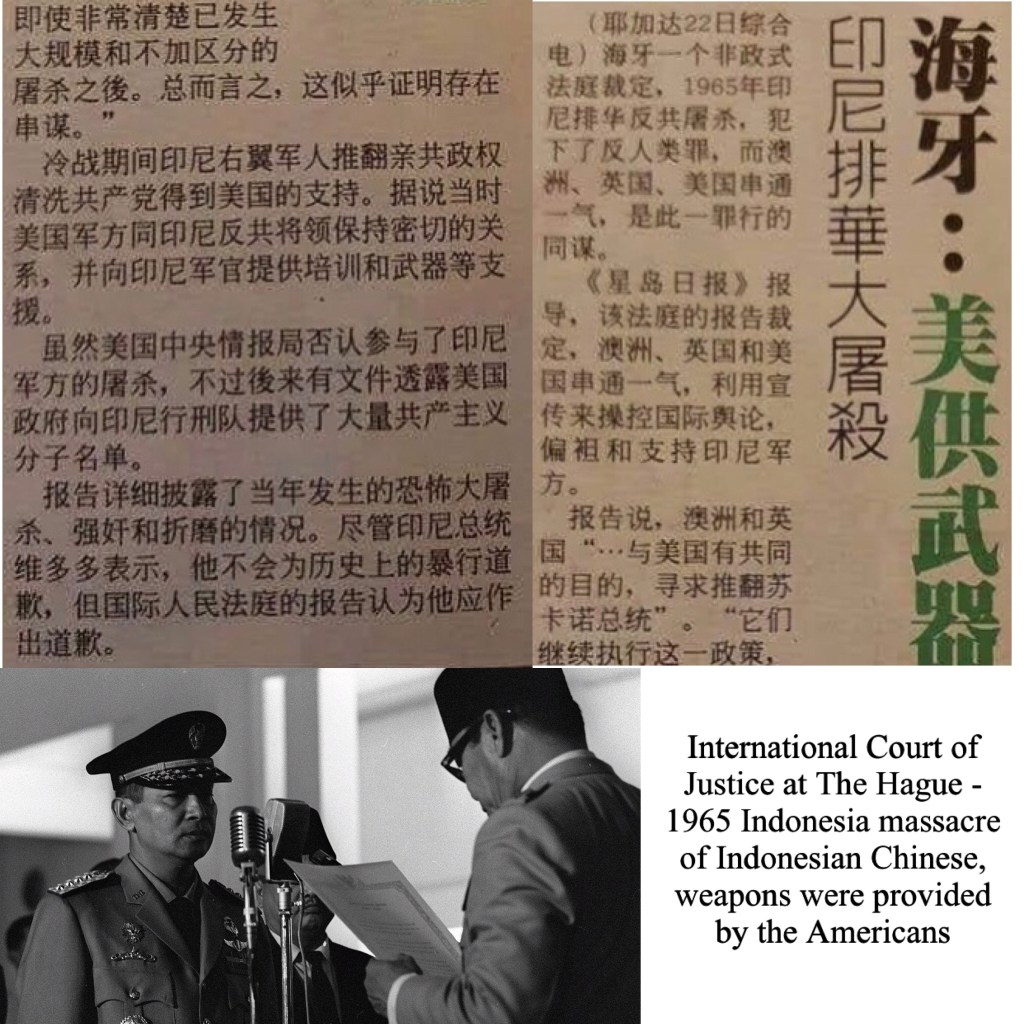
International Court of Justice at The Hague – 1965 Indonesia massacre of Indonesian Chinese, weapons were provided by the Americans 海牙國際法院 – 1965 年印度尼西亞屠殺印尼華人,武器由美國人提供
What the United States Did in Indonesia
A trove of recently released documents confirms that Washington’s role in the country’s 1965 massacre was part of a bigger Cold War strategy. By Vincent Bevins OCTOBER 20, 2017
A trove of newly declassified diplomatic cables reveals a surprising degree of American involvement in a brutal anti-communist purge in Indonesia half-a-century ago.
In Indonesia in October 1965, Suharto, a powerful Indonesian military leader, accused the Indonesian Communist Party (PKI) of organizing a brutal coup attempt, following the kidnapping and murder of six high-ranking army officers. Over the months that followed, he oversaw the systematic extermination of up to a million Indonesians for affiliation with the party, or simply for being accused of harboring leftist sympathies. He then took power and ruled as dictator, with U.S. support, until 1998.
This week, the non-profit National Security Archive, along with the National Declassification Center, published a batch of U.S. diplomatic cables covering that dark period. While the newly declassified documents further illustrated the horror of Indonesia’s 1965 mass murder, they also confirmed that U.S. authorities backed Suharto’s purge. Perhaps even more striking: As the documents show, U.S. officials knew most of his victims were entirely innocent. U.S. embassy officials even received updates on the executions and offered help to suppress media coverage. While crucial documents that could provide insight into U.S. and Indonesian activities at the time are still lacking, the broad outlines of the atrocity and America’s role are there for anyone who cares to look them up.
What is often sorely lacking, however, is an appreciation of the importance of the event or how fundamental the violence was to achieving U.S. goals at the time. Compared with the Vietnam War or a subsequent series of right-wing coups in Latin America, Indonesia 1965 is virtually unknown. But considering the U.S. government’s foreign-policy goals at the time—halting the spread of communism and bringing countries around the world into its sphere of influence—Suharto’s bloody purge was a huge win. The decimation of the PKI and Suharto’s rise to power constituted a major turning point in the Cold War
John Roosa is an associate professor of history at the University of British Columbia in Vancouver, and author of a seminal book on Indonesia in 1965. After reviewing the new documents and their media coverage this week, he told me that much “of the U.S. foreign policy establishment viewed it as a great victory that they were able to sort of ‘flip’ Indonesia very quickly.” Indonesia is the world’s fourth-largest country by population size, and its communist party was the world’s third-largest, after China and the Soviet Union.
Roosa added that a major problem with framing the events of 1965 is that it’s often claimed the United States simply “stood by,” as the bloodbath occurred, which is incorrect. “It’s easy for American commentators to fall into that approach, but the U.S. was part and parcel of the operation, strategizing with the Indonesian army and encouraging them to go after the PKI.”
Some elements within the U.S. government had been trying to undermine or overthrow Sukarno, Indonesia’s anti-colonial independence leader and first president, far before 1965. In 1958, the CIA backed armed regional rebellions against the central government, only calling off operations after American pilot Allen Pope was captured while conducting bombing operations that killed Indonesian soldiers and civilians. Agents reportedly went so far as to stage and produce a pornographic film starring a man wearing a Sukarno mask, which they hoped to employ to discredit him. It was never used. Then for years, the United States trained and strengthened the Indonesian army. After John F. Kennedy’s death derailed a planned presidential visit to Jakarta and relations worsened with the Johnson administration, Sukarno strengthened alliances with communist countries and employed anti-American rhetoric in 1964.
In 1965, when General Suharto blamed the military purge on a PKI coup plot, the CIA supplied communications equipment to help him spread his false reports before moving into power and overseeing the industrial-scale slaughter, as previously released government documents showed. Several of the documents released this week indicate that the U.S. embassy had reliable information that placed blame on rank-and-file PKI members—information that was entirely inaccurate, but nevertheless had encouraged the army to exploit this narrative.
It has long been known that the United States provided Suharto with active support: In 1990, a U.S. embassy staff member admitted he handed over a list of communists to the Indonesian military as the terror was underway. “It really was a big help to the army,” Robert J. Martens, a former member of the embassy’s political section, told The Washington Post. “They probably killed a lot of people, and I probably have a lot of blood on my hands, but that’s not all bad.”
Much of the American press at the time did not take a radically different view. In a June 1966 column in The New York Times, entitled “A Gleam of Light in Asia,” James Reston wrote that “The savage transformation of Indonesia from a pro-Chinese policy under Sukarno to a defiantly anti-communist policy under General Suharto is the most important of these [hopeful] developments. Washington is being careful not to claim any credit … but this does not mean Washington had nothing to do with it.”
It should not be entirely surprising that Washington would tolerate the deaths of so many civilians to further its Cold War goals. In Vietnam, the U.S. military may have killed up to 2 million civilians. But Indonesia was different: the PKI was a legal, unarmed party, operating openly in Indonesia’s political system. It had gained influence through elections and community outreach, but was nevertheless treated like an insurgency.
Earlier this month in Central Java at the Sekretariat Bersama 1965, one of Indonesia’s main organizations for the remembrance of these events, I met a survivor of the 1965 massacre. “I believed in President Sukarno and our revolution. At the time our country had the official ‘NASAKOM’ ideology, which meant that Nationalists [NAS, from Nasionalisme], Muslim groups [A, for agama, or ‘religion’ in Indonesian] and Communists [Komunisme] were all supposed to work together to build the country,” he said. “Yes, I worked on the left side of politics, broadly under ‘KOM,’ and there was nothing wrong with that.”
Though he worked as a schoolteacher and not as an actual PKI member, he said he was arrested and tortured for days, before watching his cellmates dragged off one by one, never to return. He was spared, for reasons he never understood, and spent over a decade in prison. But it wasn’t only communists and leftists who were victimized. Untold numbers of people were tortured, raped, and killed for being accused of being communists, or for belonging to an ethnic minority, or simply being an enemy of some member of the officially-sanctioned death squads.
Another common problem with the framing of Indonesia 1965 is that the mass violence is often couched as coincidental to Suharto’s rise to power, rather than serving as a prerequisite for it. Historians broadly agree that the anti-communists in the military could have never taken power without crushing the PKI by some means.
“Suharto could not have come to power without the extermination of the PKI,” said Brad Simpson, the historian at the University of Connecticut who worked with the National Security Archive to digitize and publish U.S. embassy documents this week. He agrees with Roosa that the depiction of the United States as simply a bystander is problematic.
More documents revealing what happened in Indonesia in 1965 are likely to come, Simpson tells me. But they’re unlikely to offer a complete picture of what both governments were up to in 1965—they won’t for instance, include information from the U.S. military and the CIA. The Indonesian government has offered practically nothing. “Literally no Indonesian official records are publicly available anywhere, so we’re really reliant on Western archives,” Simpson said.
This is because much of Indonesia’s political elite still relies on Suharto’s original—and false—narrative for their legitimacy. The country’s powerful military leaders fight any investigations that might lay blame on them. Suharto’s government produced a crude, wildly inaccurate propaganda film depicting Communists torturing and killing military officers while communist women perform a wild dance.
The methods Suharto used may have inspired other Washington-backed right-wing putsches around the world. According to several accounts of Santiago, Chile, in the days before the U.S.-backed coup that deposed Salvador Allende, cryptic graffiti showed up on walls around the city. Referring to the capital of Indonesia, they read, “Jakarta is coming.”
Vincent Bevins has worked as a correspondent in South America and Southeast Asia. His book, The Jakarta Method: Washington’s Anticommunist Crusade and the Mass Murder Program that Shaped Our World, was published in May 2020.
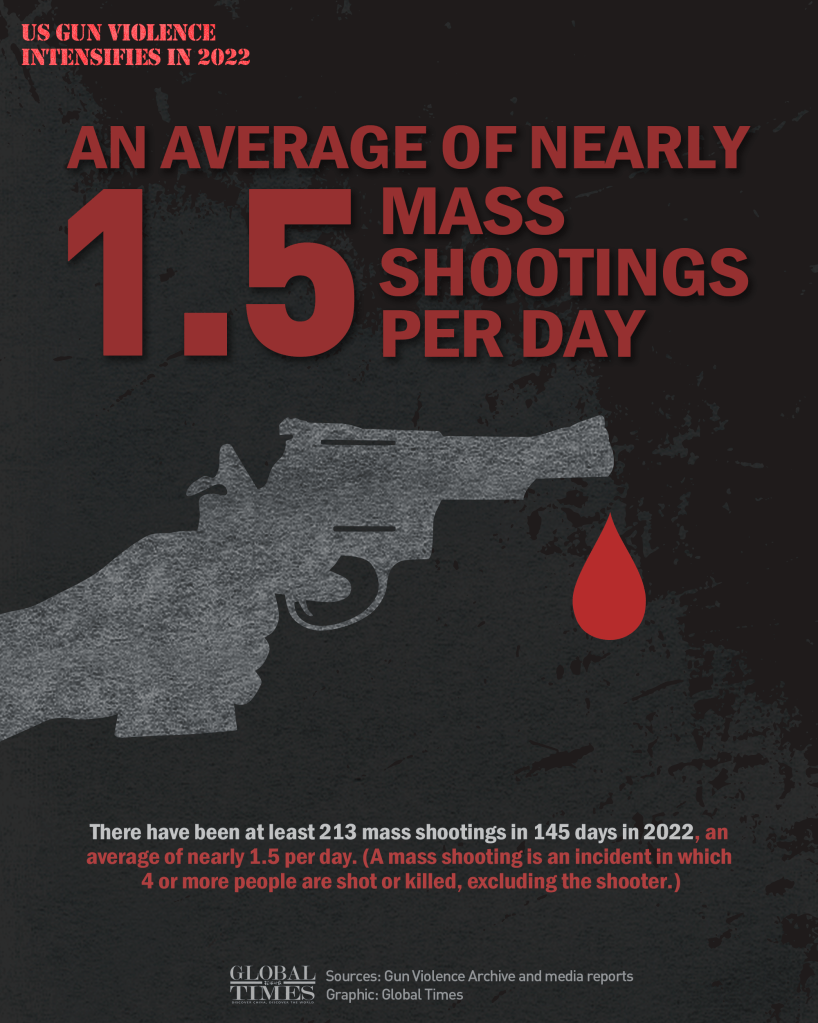
US’s NED brainwashed young people to turn against their countries. US glorified gun violence at Hollywood & video games brainwashed young people / Kama hits home, US gun violence intensifies in 2022 美國民主基金會中情局洗腦國外年輕人進行顛覆活動反對他們的國家。 美國向年輕人洗腦美化好萊塢和電子遊戲中的槍支暴力/ 美國終於得到應有的報應, 美國槍支暴力在 2022 年加劇 by Global Times May 25 2022
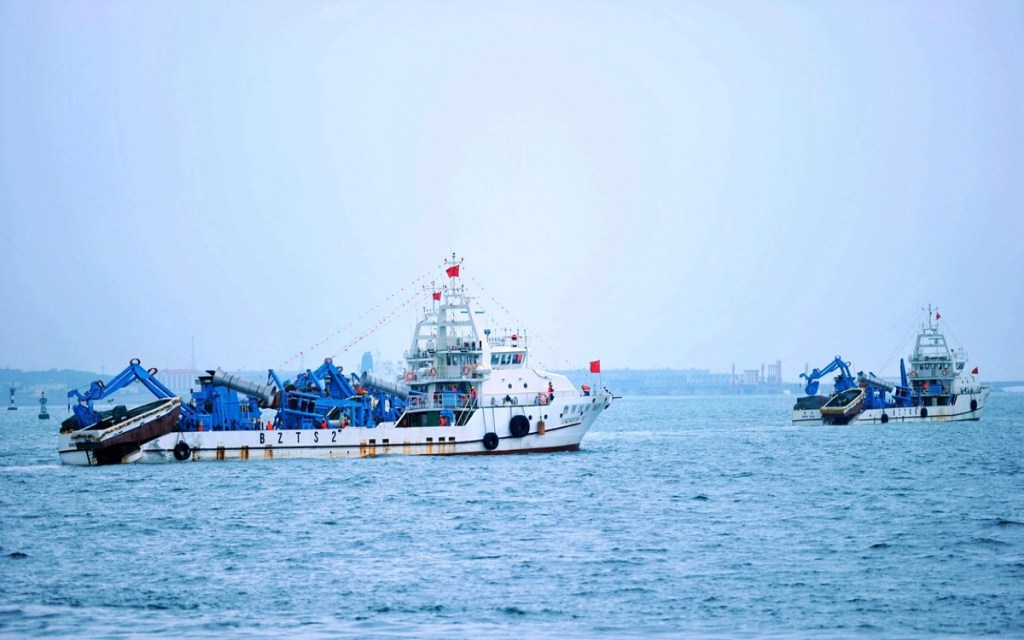
US want to apply 1882 Chinese Exclusion Acts against Chinese Fishermen in S China Seas 美國欲對中國南海漁民實施1882年排華法案/ Chinese fishing boats ridiculously become a substantive security target of Quad by Hu Bo May 25 2022
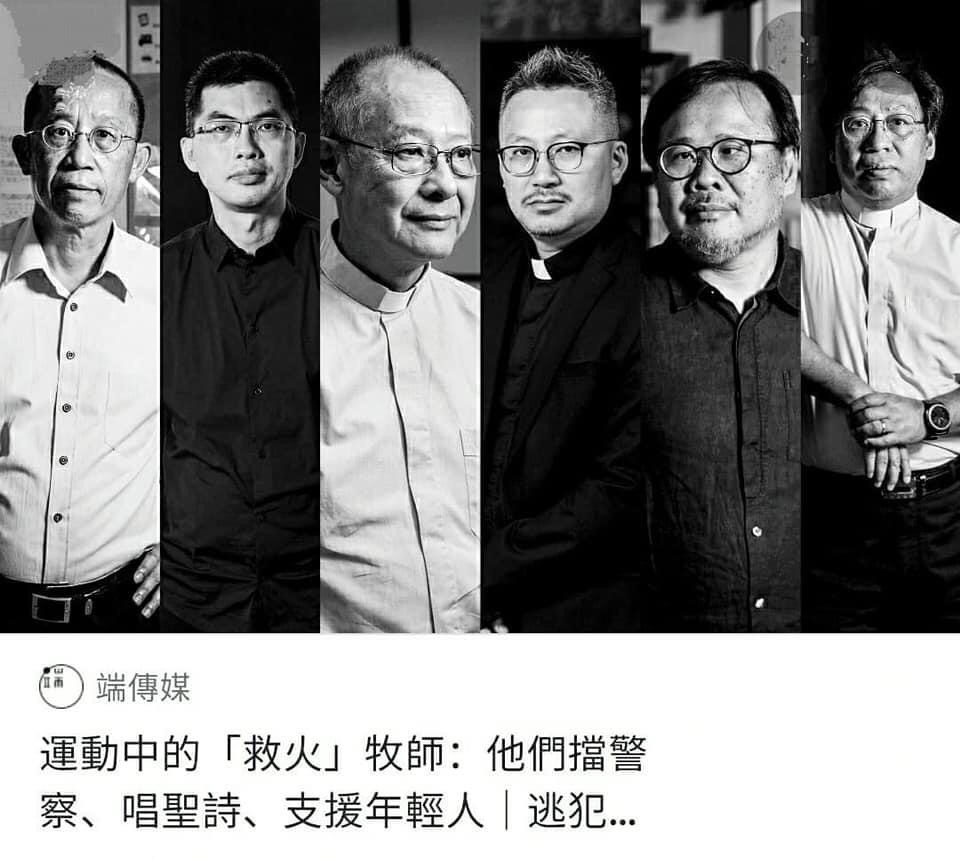
Hong Kong will not celebrate US NED failed 1989 Color Revolution in China. Churches involved in subversive activities stopped offering special mass. 香港不會慶祝美國民主基金會/中情局在中國失敗的1989年顏色革命.參與顛覆活動假用上帝之名的教會也停止提供特別彌撒

During the 2019 protests in Hong Kong, religious orders, in God’s name promoted the destruction, looting and burning! 香港的2019 黑暴期間,宗教人士以上帝之名積極鼓勵和協助暴徒放火、破壞、施暴.
Have a WordPress.com account? Log in now.

